Ukraine Drone Attack

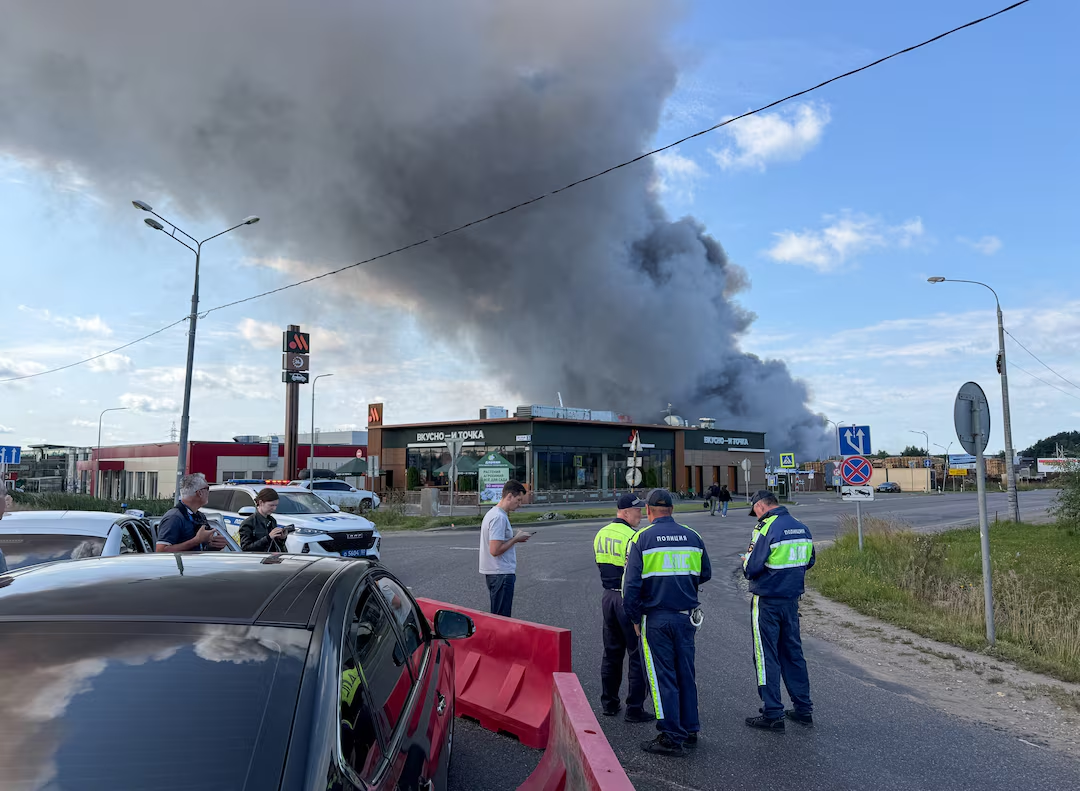
Ukraine Drone Attack became a major security development on August 16, 2026, after Russia’s Ministry of Defence said its forces had shot down or neutralised 822 Ukrainian drones overnight. The reported large-scale drone operation came as the Russia-Ukraine conflict continued to rely heavily on unmanned aircraft for attacks, surveillance and battlefield operations. At the same time, a separate drone incident over Romania brought NATO’s air-policing role into focus after a Spanish F-18 fighter intercepted a drone that entered Romanian airspace.
Thank you for reading this post, don't forget to subscribe!The scale of the reported attack highlights how drones have become an important part of modern warfare. Unlike traditional military aircraft, drones can be produced and deployed in large numbers, making them useful for overwhelming air-defence systems and striking targets at different locations.
Large Drone Operation Reported by Russia
Russia’s Defence Ministry said that its air-defence forces and other units dealt with 822 Ukrainian drones during the overnight attack. The figure represents a very large number of unmanned aircraft in a single reported operation.
Russian authorities have regularly reported the interception of Ukrainian drones during the conflict. Ukraine, meanwhile, has also used long-range drones to target military facilities, energy infrastructure and other strategic locations inside Russia.
The latest reported attack shows the growing importance of long-range unmanned systems in the conflict. Both countries have invested heavily in drone technology, electronic warfare and air-defence systems as the war has continued.
Drone Warfare Has Changed the Conflict
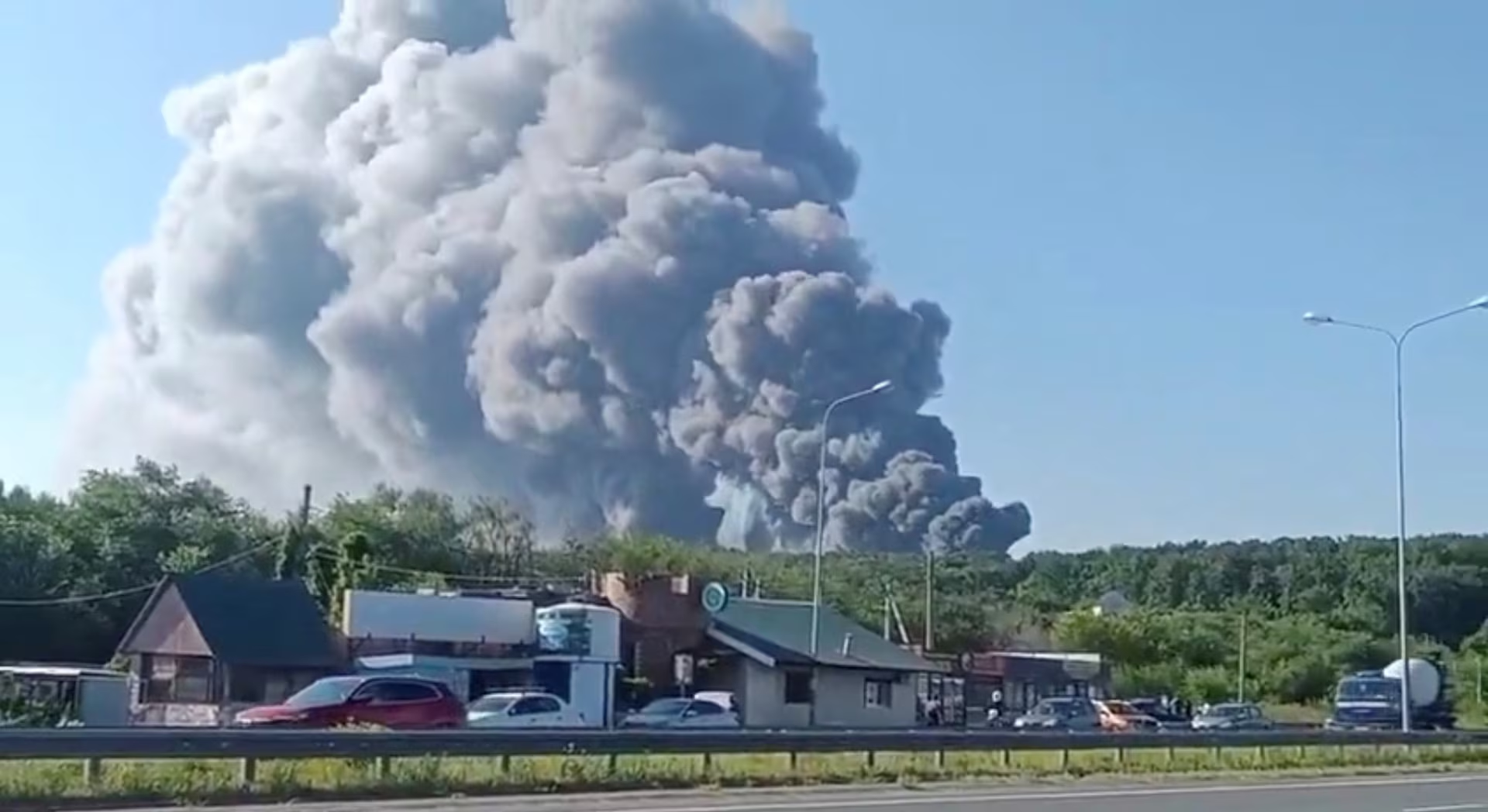
Drones are now a regular feature of the Russia-Ukraine war. They are used for several purposes, including battlefield surveillance, reconnaissance, target identification and direct attacks.
Small drones can be relatively inexpensive compared with conventional military aircraft. This allows large numbers to be deployed during an operation. Some drones are designed to attack targets directly, while others collect information that can be used to guide other military systems.
The widespread use of drones has also increased pressure on air-defence networks. Countries involved in the conflict have developed systems to detect, track and intercept unmanned aircraft using missiles, guns, electronic jamming and other technologies.
The continued development of drone warfare is also influencing military planning in Europe and other parts of the world.
Drone Enters Romanian Airspace
The reported Russian drone interceptions were followed by another important development involving NATO territory. On August 16, a Spanish F-18 fighter jet operating on a NATO air-policing mission intercepted a drone that entered Romanian airspace.
The drone debris reportedly fell in Galați County, near the areas of Băleni and Cudalbi. The incident was significant because Romania is a NATO member and lies close to the war zone in Ukraine.
Romanian territory has previously been affected by drone-related incidents linked to the conflict. Because Romania shares a border with Ukraine and has territory along the Black Sea, it occupies an important position on NATO’s eastern flank.
NATO Air Policing and Romania
NATO air policing is designed to monitor and protect the airspace of member countries. Fighter aircraft from NATO members can be deployed to patrol skies and respond to unidentified or potentially dangerous aircraft.
Spain’s participation in the Romanian mission reflects the alliance’s system of shared air-security responsibilities. NATO members regularly contribute aircraft and personnel to air-policing missions in different parts of Europe.
Romania joined NATO in 2004 and has become an important part of the alliance’s eastern defence structure since Russia’s invasion of Ukraine in 2022.
The country’s geographical position makes airspace monitoring particularly important. Romania borders Ukraine and Moldova and has a coastline on the Black Sea.
Moldova’s Location Adds to Regional Importance
Moldova is located between Romania and Ukraine and does not have direct access to the sea. Although Moldova is not a NATO member, its geographical position places it close to the wider security situation surrounding the Russia-Ukraine war.
Drone incidents in the region can therefore have effects beyond the immediate battlefield. Aircraft or drones operating near national borders can create difficult situations for neighbouring countries, especially when their origin or purpose is unclear.
The latest incident involving Romanian airspace again highlighted the importance of monitoring air activity along NATO’s eastern border.
Civilian Casualties Reported in Russia
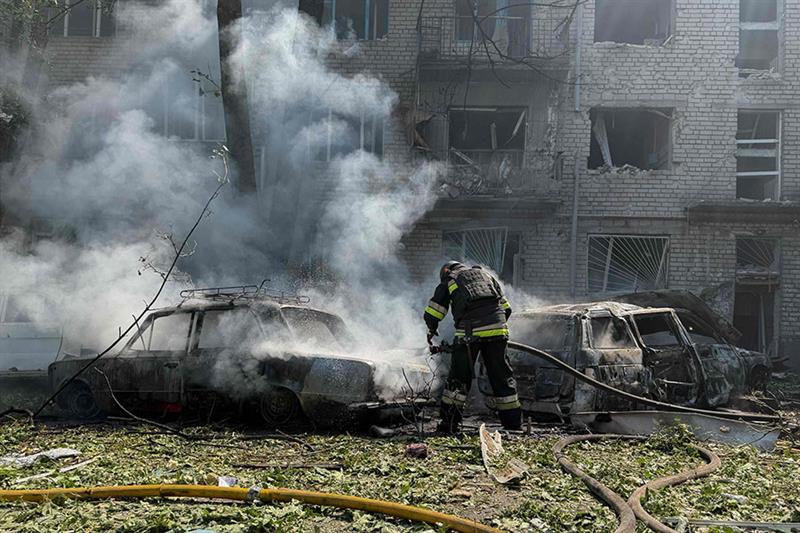
Russian regional officials also reported civilian deaths following the drone attacks. According to the information provided by Russian authorities, at least six civilians were killed, including one person in the Moscow region and five people in the Rostov region.
Drone attacks can affect both military and civilian areas. Infrastructure such as homes, warehouses, railway facilities, energy installations and industrial sites can become targets or suffer damage when attacks take place near populated areas.
The reported casualties underline the continuing human impact of the conflict, which has extended far beyond the front lines.
Growing Role of Air Defence
The reported attack involving hundreds of drones also highlights the growing importance of air-defence technology. Modern air-defence systems must identify incoming objects quickly and determine which threats require interception.
Large drone attacks can create additional challenges because defenders may have to respond to many targets at the same time. Electronic warfare can also be used to disrupt drone communications or navigation systems.
Countries across Europe are studying these developments closely as they consider how future conflicts could involve large numbers of low-cost unmanned systems.
Security Concerns on NATO’s Eastern Flank
The combination of a major reported drone attack on Russia and a drone entering Romanian airspace demonstrates how the conflict continues to create security concerns across Eastern Europe.
Romania’s location on the Black Sea and its borders with Ukraine and Moldova make it particularly important to NATO’s regional security arrangements. Air-policing missions, surveillance systems and rapid-response fighter aircraft are therefore an important part of the region’s defence network.
The use of Spanish F-18 aircraft in Romania also demonstrates how NATO allies contribute forces to protect shared airspace.
As drone technology continues to develop, the Russia-Ukraine conflict remains an important example of how unmanned aircraft, air defence, electronic warfare and cross-border security are becoming increasingly connected in modern warfare.