


Living Planet Report 2026: Wildlife Decline

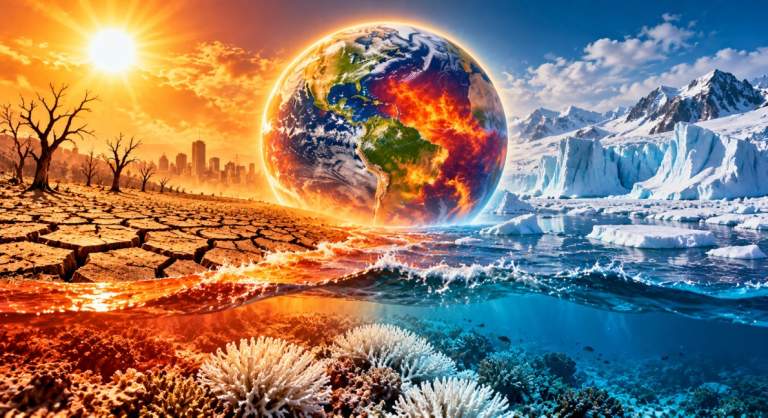
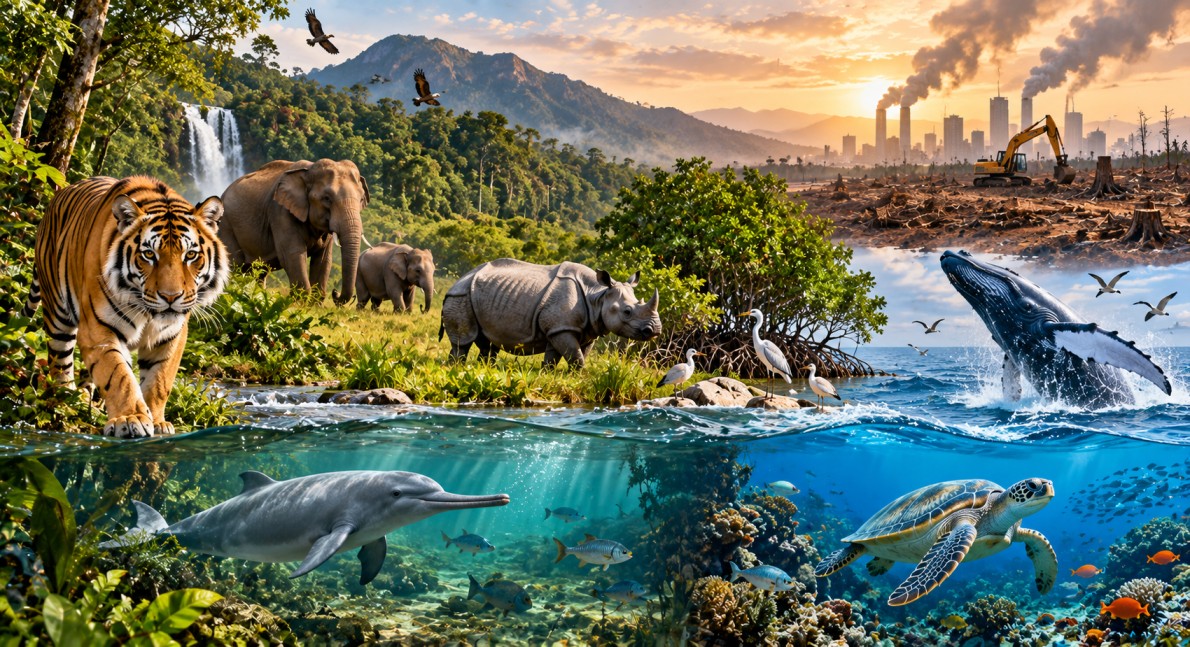
Living Planet Report 2026 reveals a major decline in monitored wildlife populations around the world. Released by the World Wide Fund for Nature (WWF) in collaboration with the Zoological Society of London (ZSL), the report states that the average size of monitored vertebrate wildlife populations fell by 73% between 1970 and 2022. Published on 8 October 2026, the report highlights the growing pressure on nature while showing that conservation efforts can help wildlife recover.
What Does the Report Reveal?
The Living Planet Report 2026 is based on 35,803 population trends covering 5,790 vertebrate species. These include mammals, birds, fish, reptiles and amphibians monitored across different parts of the world.

The report uses the Living Planet Index (LPI) to measure changes in the size of monitored animal populations over time. The 73% decline represents an average change in population sizes. It does not mean that 73% of all wildlife species have become extinct or that 73% of all individual wild animals have disappeared.
The findings show that many wildlife populations are facing serious pressure. However, the report also notes that about half of the monitored populations are stable or increasing, offering evidence that recovery is possible when effective action is taken.
Freshwater Wildlife Faces the Sharpest Decline
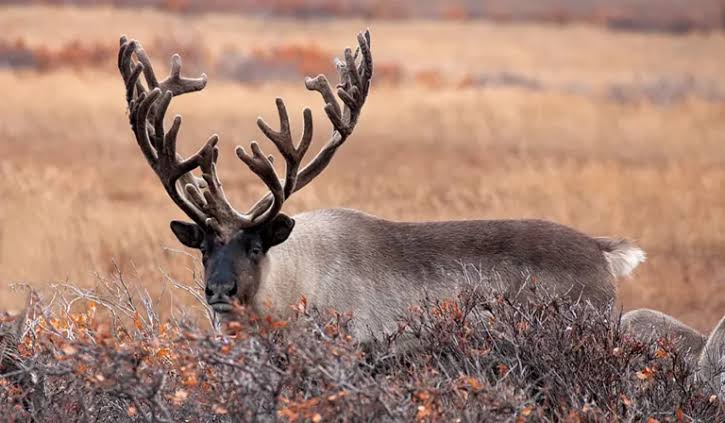
The report records different levels of decline across freshwater, land and marine environments. Freshwater populations experienced the steepest average fall, followed by terrestrial and marine populations.
| Habitat | Average population decline (1970-2022) |
|---|---|
| Freshwater | 85% |
| Terrestrial | 69% |
| Marine | 59% |
Freshwater ecosystems include rivers, lakes and wetlands. Pollution, dams, water extraction and changes to river systems can damage these habitats and affect the animals that depend on them. Protecting clean water and restoring damaged rivers and wetlands are important steps towards improving freshwater biodiversity.
Land and marine wildlife also face threats from habitat destruction, overuse of natural resources, pollution and climate change.
Latin America and Africa Record Major Losses
The Living Planet Report 2026 also highlights major regional differences in wildlife population trends. Latin America and the Caribbean recorded the steepest average decline among the regions listed, followed by Africa and Asia and the Pacific.
| Region | Average population decline |
|---|---|
| Latin America and the Caribbean | 95% |
| Africa | 80% |
| Asia and the Pacific | 49% |
These figures describe changes in monitored populations, not the percentage of species that have gone extinct. Regional trends can differ because of habitat conditions, human activities, conservation measures and the data available for monitoring wildlife.
Main Causes of Wildlife Population Decline
The report identifies habitat loss and degradation as major threats to wildlife. Forest clearing, wetland destruction, expanding cities and changes in agricultural land use can reduce the space available for animals to feed, breed and survive.
Overexploitation is another major pressure. Hunting, illegal wildlife trade and excessive fishing can reduce animal populations when they are not properly controlled. Pollution can harm wildlife through contaminated water, plastics and harmful chemicals.
Climate change also affects wildlife by changing temperatures, rainfall patterns, sea conditions and the availability of food. Invasive species and diseases create additional risks for native animals and their habitats.
The report links these direct threats to wider problems in food production, energy use and financial systems. It argues that lasting progress requires changes in how societies produce food, generate energy and direct investment.
Conservation Efforts Show That Recovery Is Possible
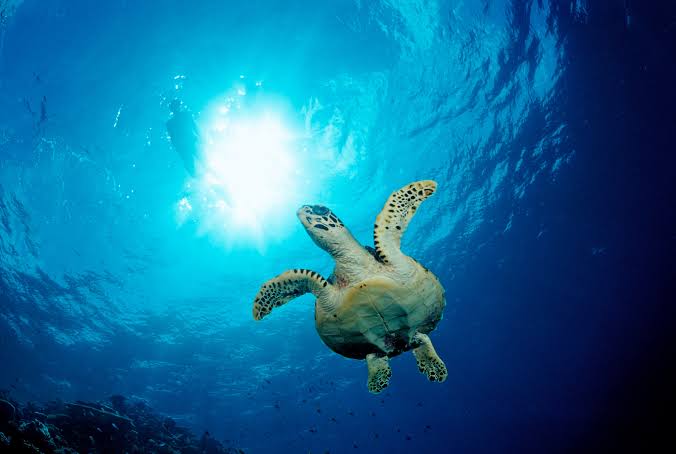
Despite the overall decline, the report highlights examples of wildlife recovery. Wild tiger populations increased by more than 70% between 2010 and 2025, rising from around 3,200 to approximately 5,700 animals. The report also points to stable or growing populations of some African elephants and improvements in the status of green sea turtles and Atlantic bluefin tuna.
These examples show that long-term protection, better management, action against illegal hunting and cooperation with local communities can help wildlife populations recover. However, conservation programmes need continued support to maintain these gains.
India’s Wildlife Conservation Progress
India also offers examples of wildlife recovery. The report highlights increases in populations of tigers, Asiatic lions and greater one-horned rhinoceroses. India’s Asiatic lion population rose from 674 in 2020 to 891 in 2025.
A science-based estimate also counted 6,324 Ganges river dolphins in India. These dolphins live in freshwater river systems and face threats from pollution, changes to river flow, fishing activities and habitat disturbance.
Continued monitoring and habitat protection are important for these species. Protecting rivers, grasslands and forests can support wildlife while also helping maintain the natural resources that communities depend on.
Why the Findings Matter Now
The Living Planet Report 2026, subtitled The Science of Hope, sends two important messages: wildlife populations are under serious pressure, but recovery is possible. The report calls for stronger action to protect habitats and address the wider causes of nature loss.
Changes in renewable energy, sustainable farming, responsible consumption and nature-friendly investment can help reduce pressure on ecosystems. Governments, businesses, researchers and local communities all have a role in these efforts.
The report also stresses that protecting nature is closely linked to human well-being. Healthy ecosystems help provide clean water, support food production, store carbon and reduce the effects of environmental damage. Protecting wildlife is therefore important not only for animals but also for people and future generations.