


Golden Arrows Mark 75 Years

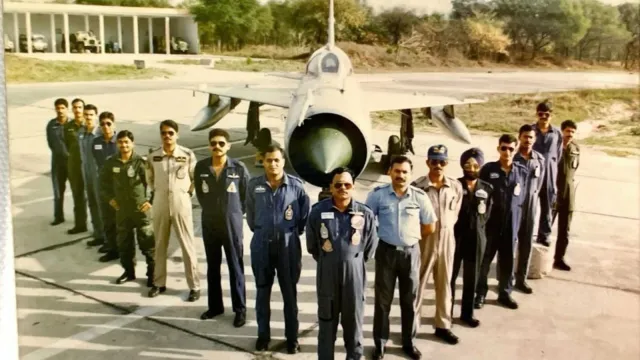
Golden Arrows, the famous No. 17 Squadron of the Indian Air Force (IAF), completed 75 years on October 1, 2026. The squadron was formed on October 1, 1951, at Air Force Station Ambala and has served the Indian Air Force through several major military operations and important changes in aircraft technology.
Thank you for reading this post, don't forget to subscribe!The squadron was initially created as a tactical reconnaissance unit. Over the decades, it operated different aircraft and took part in important operations involving the Indian Air Force. It was also the first IAF unit to operate the Dassault Rafale fighter aircraft after being re-raised in 2019.
Golden Arrows Squadron Was Formed in 1951
The Golden Arrows were raised on October 1, 1951, at Air Force Station Ambala. Flight Lieutenant D. L. Springett served as the squadron’s first commanding officer.
When it was established, the squadron was primarily a tactical reconnaissance unit. Its first aircraft were 12 American Harvard-II B aircraft. These aircraft were used during the squadron’s early years as it developed its operational capabilities.
The formation of the squadron came during an important period in the development of the Indian Air Force. India was building its defence capabilities after becoming an independent country, and the IAF was gradually introducing newer aircraft and technologies.
From Harvard Aircraft to Vampire Jets
The squadron’s aircraft changed as the Indian Air Force modernised its fleet. In 1955, the Golden Arrows converted to the British de Havilland Vampire aircraft.
The Vampire was one of the early jet aircraft inducted into the Indian Air Force. Its introduction marked a major change from piston-engine aircraft to jet-powered combat aircraft.
The transition gave the squadron experience with newer aviation technology and helped prepare it for the changing requirements of air operations.
Over the years, the squadron continued to operate different aircraft as the Indian Air Force upgraded its fleet.
Role in Major Military Operations
The Golden Arrows have a long operational history that includes several important events in India’s military history.
The squadron took part in the 1961 Liberation of Goa, when Indian armed forces conducted military operations that ended Portuguese rule in Goa.
It also served during the 1965 and 1971 Indo-Pakistan wars. These conflicts involved major air operations, and the Indian Air Force played an important role in supporting military missions.
The squadron’s operational history continued into the later decades. It was involved in the Kargil conflict of 1999, when the Indian Air Force conducted air operations under Operation Safed Sagar.
Golden Arrows and the Kargil Conflict
The Kargil conflict was another important chapter in the history of the Golden Arrows. During the 1999 conflict, the Indian Air Force carried out missions in difficult mountainous terrain.
Operation Safed Sagar was the IAF’s air campaign during the Kargil conflict. Air operations were used to support ground forces and target positions during the conflict.
The role of Indian Air Force units during Kargil later became part of public and popular discussions about the country’s military history. The Golden Arrows’ association with the conflict remains an important part of its operational record.
Squadron Number-Plated in 2016
The history of the Golden Arrows also includes a period when the squadron was temporarily disbanded.
The squadron was number-plated in 2016 during the phase-out of the MiG-21 aircraft. This marked the end of one chapter in the unit’s history.
However, the squadron was not permanently removed from the Indian Air Force structure. It was later brought back as the IAF continued its efforts to modernise its fighter fleet.
Re-Induction With Rafale Fighters
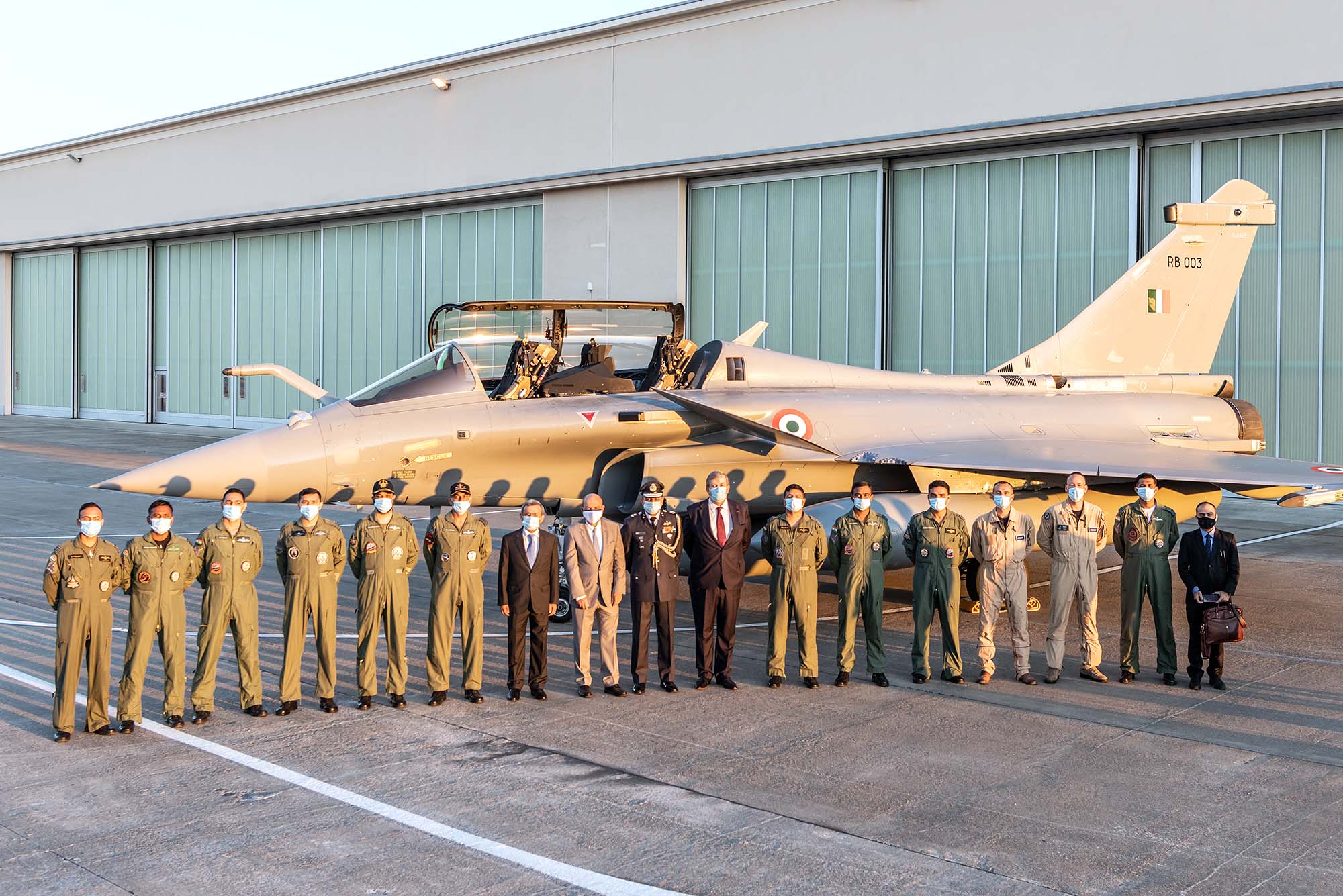
The Golden Arrows were re-raised on September 11, 2019, at Air Force Station Ambala. The re-induction marked a major change in the squadron’s role and equipment.
No. 17 Squadron became the first Indian Air Force unit to operate the Dassault Rafale fighter aircraft.
The Rafale is a modern multirole fighter aircraft capable of carrying out different types of missions. Its induction into the Indian Air Force was an important part of India’s fighter aircraft modernisation programme.
The Golden Arrows therefore became associated with the introduction of one of the most advanced fighter aircraft in the IAF fleet.
Golden Arrows and Operation Sindoor
The squadron’s recent operational history includes Operation Sindoor in May 2025. Its participation in the operation added a new chapter to its long service record.
In October 2025, the squadron received a Unit Citation for its performance during Operation Sindoor. The citation recognised the unit’s operational contribution under the leadership of Group Captain Amit Gehani.
The recognition came shortly before the squadron reached its 75th anniversary, linking its long historical record with its more recent operational service.
Golden Arrows in Popular Culture
The history of the Golden Arrows has also reached a wider public audience through popular media.
The squadron’s role during the Kargil conflict was later depicted in a Netflix series released in August 2026. Such productions have brought stories about Indian Air Force personnel and military operations to viewers beyond official defence publications.
The portrayal has also contributed to public interest in the history of the squadron and its role in different periods of Indian military aviation.
75 Years of Service
The 75th anniversary of the Golden Arrows marks a long journey from its formation in 1951 to its present role as a Rafale-equipped Indian Air Force unit.
During these seven and a half decades, the squadron has moved through several generations of aircraft, from Harvard-II B aircraft and Vampire jets to later fighter aircraft and the Rafale.
Its history includes participation in the 1961 Goa operation, the 1965 and 1971 wars, the 1999 Kargil conflict and more recent operations. The squadron’s re-raising in 2019 also connected its historic identity with the modernisation of the Indian Air Force.
As No. 17 Squadron completes 75 years, the Golden Arrows continue as part of the Indian Air Force’s fighter fleet and remain associated with the Rafale aircraft operated from Ambala.