


Super Intelligence Order Signed

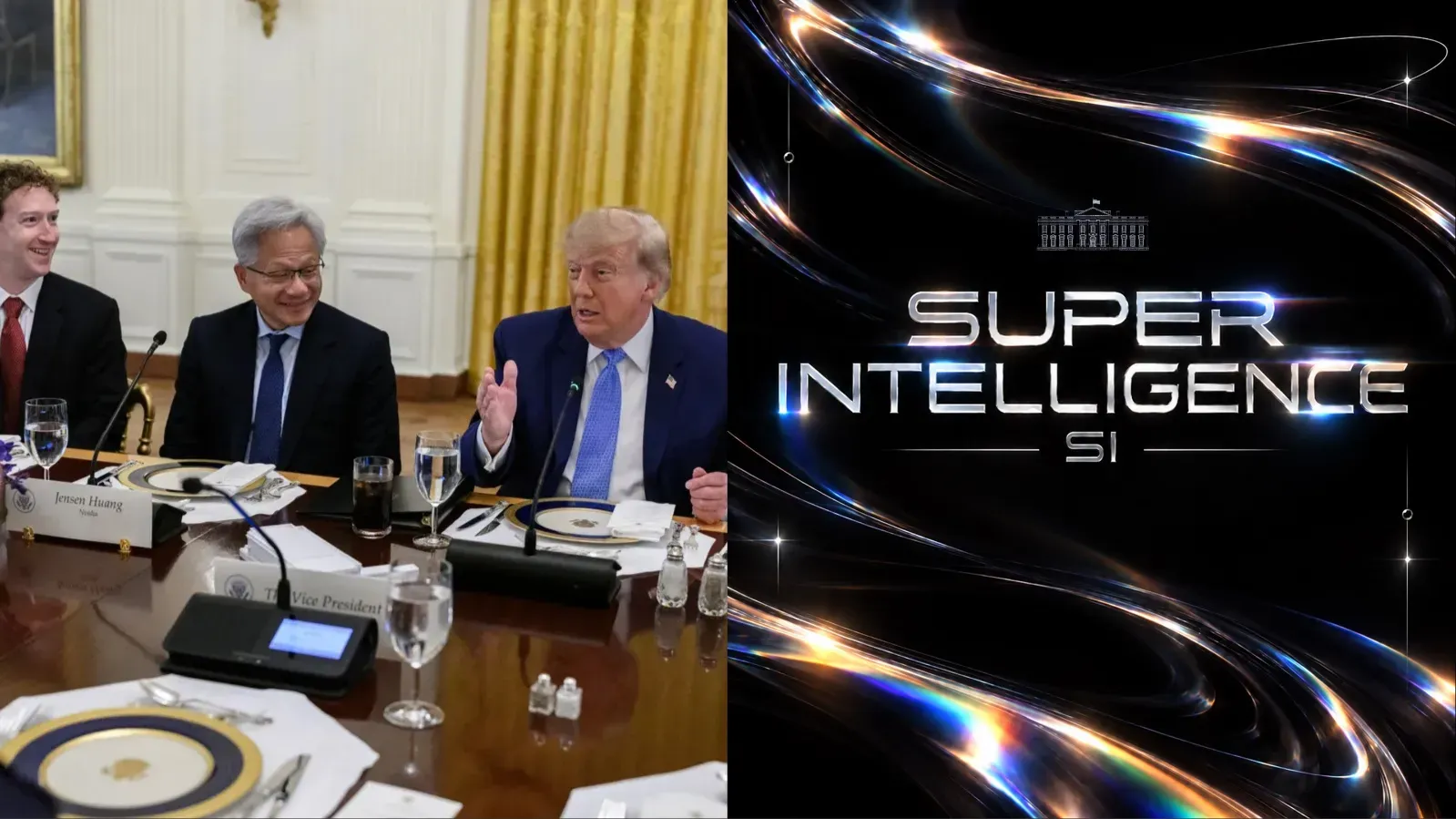
Super Intelligence became the focus of a new White House policy on September 29, 2026, when U.S. President Donald Trump signed an executive order directing federal agencies to use the terms “Super Intelligence” and “SI” instead of “Artificial Intelligence” and “AI” in official communications where legally permitted. The order applies to executive branch correspondence, websites, reports, policy documents and other non-statutory material.
Thank you for reading this post, don't forget to subscribe!Super Intelligence Replaces AI in Federal Communications
The executive order says the new term is intended to reflect the capabilities of advanced technology systems that the White House describes as going beyond traditional forms of automation and imitation of human intelligence.
The order does not require the government to change previously issued regulations, contracts, presidential actions or historical documents. It also states that the new terminology must be used consistently with existing law.
The order currently uses the existing federal legal definition of artificial intelligence for the meaning of “Super Intelligence” and “SI”. At the same time, the Assistant to the President for Science and Technology has been given 60 days to prepare proposed legislative language for a separate federal definition.
Trump Meets Major Technology Executives
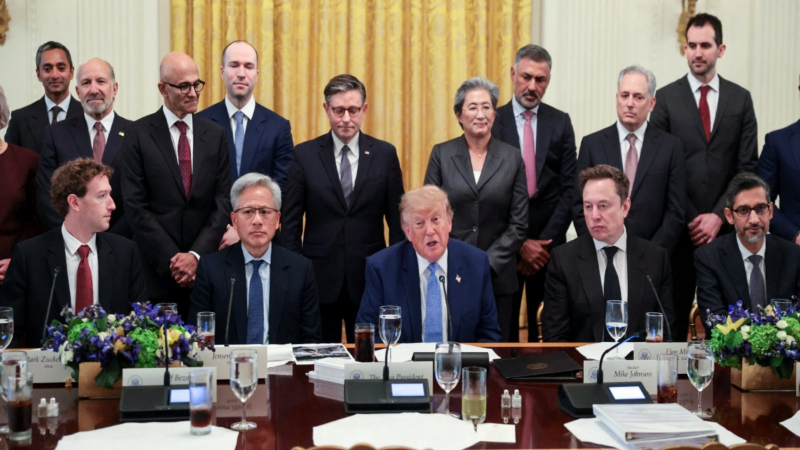
The announcement came after a White House meeting with executives from several major technology companies. The meeting included Sundar Pichai of Google, Mark Zuckerberg of Meta, Jensen Huang of Nvidia, Dario Amodei of Anthropic, Elon Musk of xAI and Greg Brockman of OpenAI.
The technology leaders also signed the White House Accord on Super Intelligence: Joint Commitment on Frontier Responsibilities. The agreement is voluntary and focuses on safety measures for companies developing and deploying advanced frontier models.
Four Layers of AI Safety Controls
The accord asks participating companies to establish four layers of controls and audits. The first involves strong internal processes for monitoring model capabilities and risks during development and deployment.
The second calls for an internal team responsible for checking whether those safety controls are working. The third involves an independent external auditor reviewing the company’s systems and safeguards.
The fourth layer involves an independent committee that receives reports from the monitoring and audit processes and oversees action on identified problems. The measures cover areas including cybersecurity and other potential risks linked to advanced models.
The agreement is described as a commitment to responsible development, but it is not a federal law and does not create the same legal obligations as legislation or regulation. Reports on the accord have described it as a form of industry self-regulation.
Debate Over AI Regulation Continues
The new policy comes as governments and technology companies continue to debate how advanced AI systems should be regulated. The White House approach places significant attention on voluntary safeguards and industry-led controls.
At the same time, discussions about formal regulation are continuing in Congress and other parts of the U.S. government. Recent debates have focused on issues such as transparency, cybersecurity, data centres, model safety and responsibility when advanced systems cause harm.
The White House meeting therefore brought together two connected issues: the rapid development of advanced AI systems and the question of how those systems should be governed.
What Super Intelligence Means
The term Super Intelligence is also used in technology discussions to describe a hypothetical or future form of AI that could exceed human intellectual abilities across many areas. However, the White House executive order uses the term differently for federal policy purposes.
Under the September 29 order, “Super Intelligence” currently covers technologies and systems that fall under the existing statutory definition of artificial intelligence. A future legislative proposal could establish a more specific federal definition.
The policy also comes as frontier AI companies continue to invest heavily in computing infrastructure, model development and autonomous systems. Recent incidents involving AI agents interacting with external systems have added to discussions about safety, monitoring and oversight.
The new White House terminology and voluntary accord are therefore part of a wider 2026 debate about how advanced AI should develop, how companies should manage risks and what role government should play in overseeing increasingly capable technology.