


CERES-2 Rocket Launches Four Satellites into Orbit

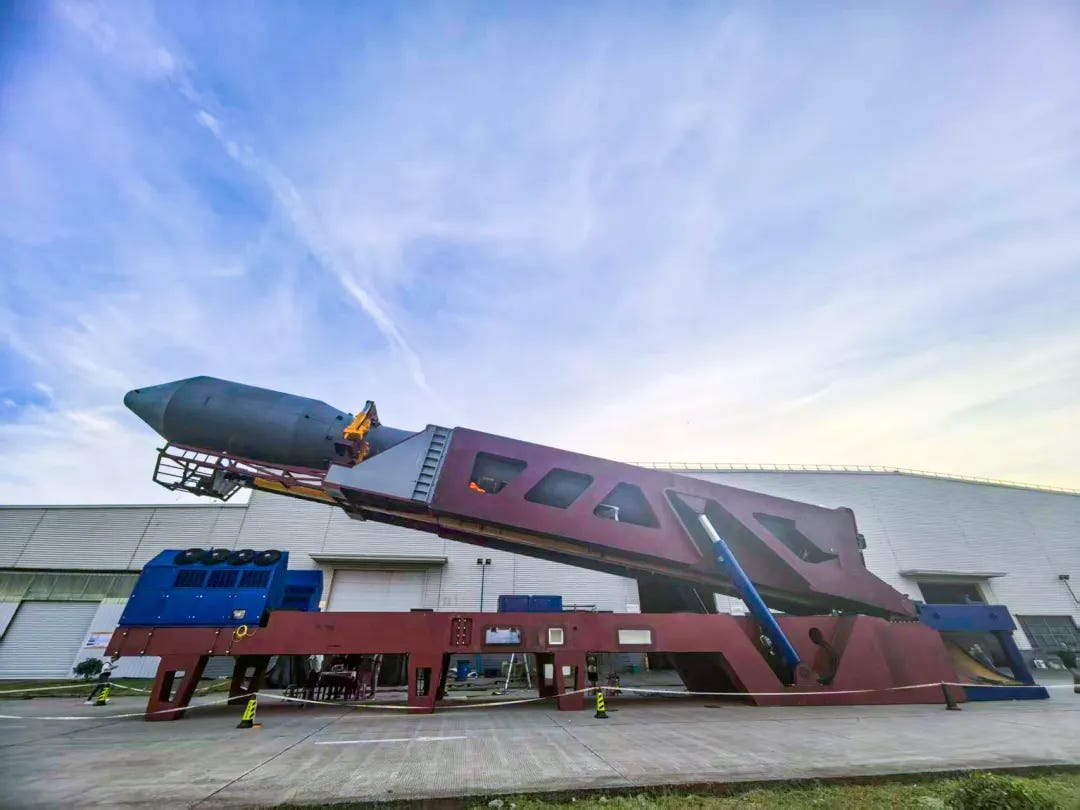
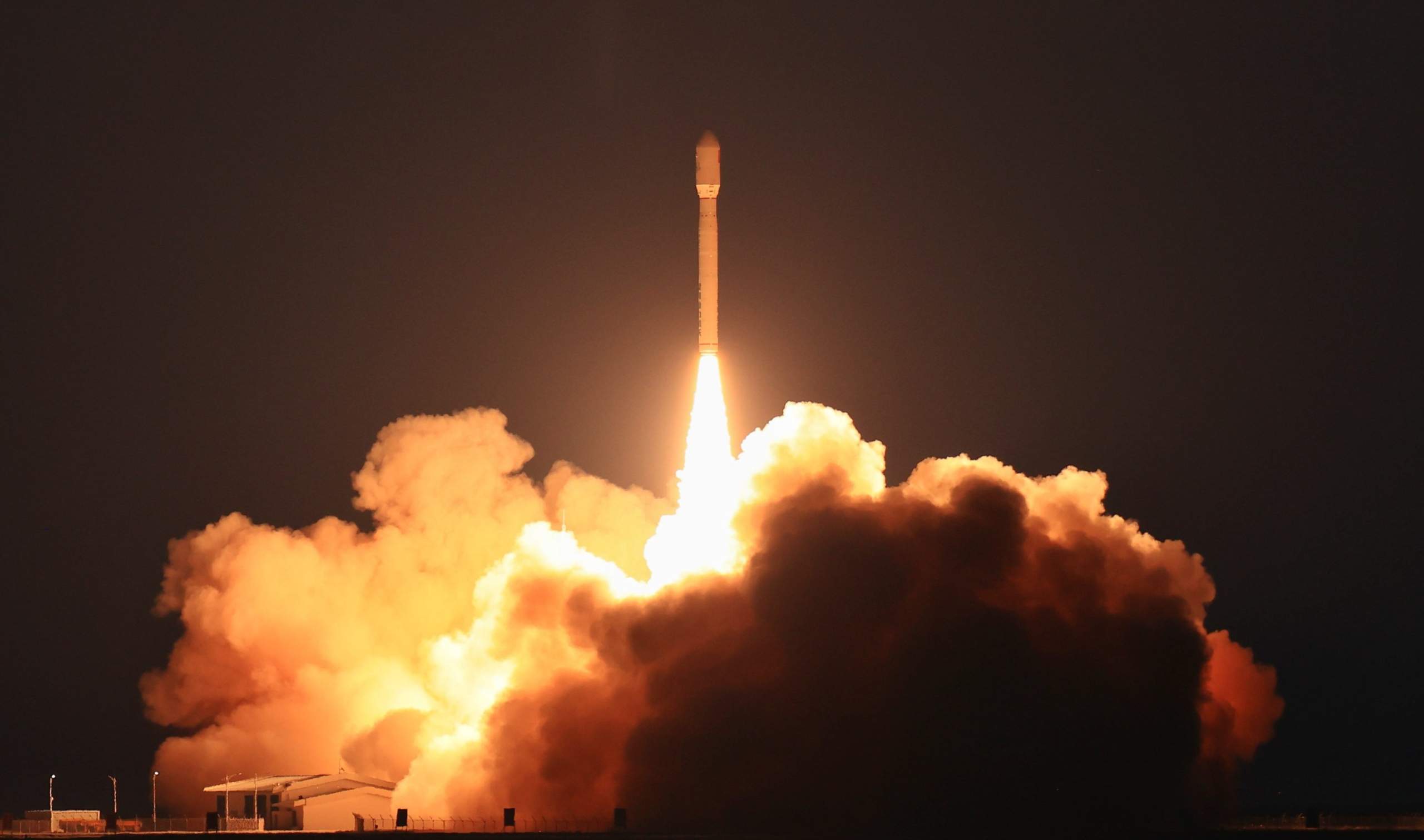
The CERES-2 Rocket successfully placed four satellites into orbit after its launch from the Jiuquan Satellite Launch Center in northwest China on 7 November 2026. The rocket lifted off at 7:37 a.m. Beijing Time and delivered all four satellites into a planned sun-synchronous orbit at an altitude of 535 kilometres. This successful mission marks an important development in China’s growing commercial space industry and its efforts to expand satellite-based services.
The launch was carried out by Galactic Energy, a private Chinese rocket manufacturing company. The mission included satellites designed for ocean observation, weather forecasting, scientific research and space monitoring. It also marked an important achievement for the CERES-2 launch vehicle following the failure of its first orbital mission in January 2026.

China Successfully Launches CERES-2 Rocket
China launched the CERES-2 Y3 carrier rocket from the Jiuquan Satellite Launch Center on 7 November 2026. The mission successfully carried four satellites into a planned orbit around Earth.
The launch centre is located in northwest China and is one of the country’s major facilities for space missions. China uses its launch centres to send satellites, scientific instruments and other spacecraft into different types of orbit.
The latest mission is significant because it demonstrates the growing role of private companies in China’s space programme. Galactic Energy developed and operated the rocket, showing how commercial space companies are becoming important partners in satellite transportation.
The successful launch also strengthened the CERES rocket family’s position in China’s commercial satellite launch market.
Four Satellites Placed into Sun-Synchronous Orbit
The CERES-2 Rocket carried four satellites with different scientific and commercial purposes. All four satellites were placed into a planned sun-synchronous orbit at an altitude of 535 kilometres.
The satellites are expected to support different activities, including environmental monitoring, weather information, scientific experiments and space safety.
1. Guanlan Experimental Satellite
The Guanlan experimental satellite is designed for ocean remote sensing. Ocean remote sensing uses satellite technology to collect information about oceans and marine environments.
Such satellites can help scientists observe ocean conditions, study changes in water bodies and monitor environmental activities. The information can also support marine research and ocean-related scientific studies.
2. Yunyao-1 28 Satellite
The Yunyao-1 28 satellite is designed for commercial meteorological applications. Meteorological satellites collect information about weather conditions and atmospheric changes.
Such information is useful for weather forecasting, climate research and monitoring different environmental conditions. Commercial weather satellite services can also provide data to businesses and organisations that depend on accurate weather information.
3. Zhongbei Daxue-1 Satellite
Zhongbei Daxue-1, also known as North University of China-1, is intended for university-led scientific research.
University research satellites help educational institutions and scientists conduct experiments in space. They also provide opportunities to develop new technologies and improve practical knowledge of satellite operations.
4. Juntian-1 06A Satellite
The Juntian-1 06A satellite is designed for space situational awareness. This field involves monitoring objects and activities in space.
It helps track satellites, space debris and other objects orbiting Earth. Space monitoring is becoming increasingly important as the number of satellites launched by different countries and private companies continues to grow.
What Is the CERES-2 Rocket?
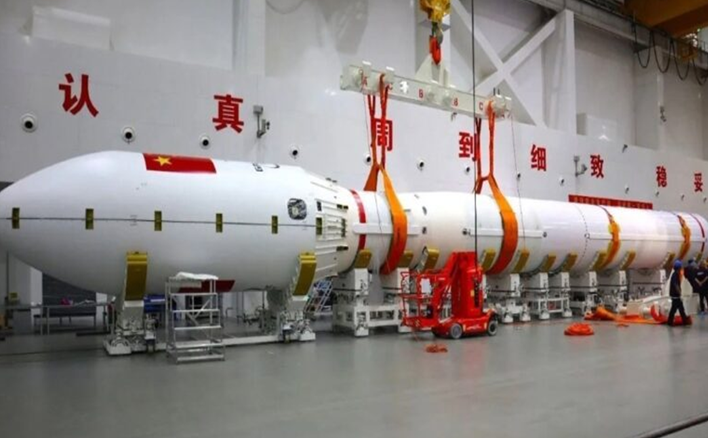
The CERES-2 is a medium-lift launch vehicle developed by Galactic Energy, officially known as Beijing Galactic Energy Space Technology Co., Ltd.
It is an upgraded rocket in the CERES series and was developed from the earlier CERES-1 launcher. The company designed it to carry satellites into different types of Earth orbit.
The rocket has three solid-propellant stages and a liquid upper stage. Its liftoff mass is approximately 100 tonnes.
Solid propulsion uses solid fuel to generate the force required to move a rocket upward. Liquid propulsion uses liquid propellants to produce thrust. By combining these technologies, the CERES-2 has been designed to support different satellite launch requirements.
The rocket is capable of carrying approximately 1,600 kilograms of payload into a 500-kilometre low Earth orbit. Its payload capacity for a sun-synchronous orbit at the same altitude is around 1,300 kilograms.
These capabilities make it useful for launching commercial satellites and scientific spacecraft.
Second Flight of CERES-2 Rocket
The November 2026 mission was the second flight of the CERES-2 rocket. Its first launch took place on 17 January 2026 but failed to place its payload into orbit because of a technical anomaly.
The latest successful mission represents an important step in the development of the rocket. It shows the company’s progress in addressing the problems encountered during the first flight.
The November launch was also the 26th flight of the CERES rocket family and Galactic Energy’s 27th orbital launch attempt.
A successful second flight is important for any new launch vehicle because it provides additional information about rocket performance, stage separation and satellite deployment.
What Is a Sun-Synchronous Orbit?
A sun-synchronous orbit is a special type of orbit in which a satellite passes over a particular area of Earth at nearly the same local solar time during each visit.
This orbit is especially useful for Earth observation and environmental monitoring satellites. Because the satellite observes locations under similar lighting conditions, scientists can compare images and collected information more easily over time.
Sun-synchronous orbits are commonly used for:
- Weather observation and atmospheric research.
- Ocean and coastal monitoring.
- Agricultural and forest studies.
- Environmental change detection.
- Land mapping and remote sensing.
- Scientific research and satellite-based observation.
The four satellites launched by the CERES-2 Rocket will support several of these growing space-based activities.
Galactic Energy and China’s Growing Commercial Space Industry
Galactic Energy is one of China’s private companies working in the commercial space sector. It develops rocket technology to provide launch services for satellites and other space-related missions.
The company has developed the CERES rocket series, including CERES-1 and the upgraded CERES-2. Its work reflects the increasing participation of private businesses in space exploration and satellite transportation.
Across the world, commercial space companies are developing reusable rockets, small satellite launch vehicles and advanced communication systems. These developments are helping reduce dependence on traditional government-operated space programmes.
China’s latest CERES-2 mission highlights the importance of commercial launch services in supporting modern satellite technology. With applications ranging from weather forecasting and ocean research to space debris monitoring, satellite launches are becoming increasingly important for science, communication and environmental protection.