



Red-Necked Phalarope Tamil Nadu: Rare Migratory Bird Spotted at Nanjarayan Bird Sanctuary

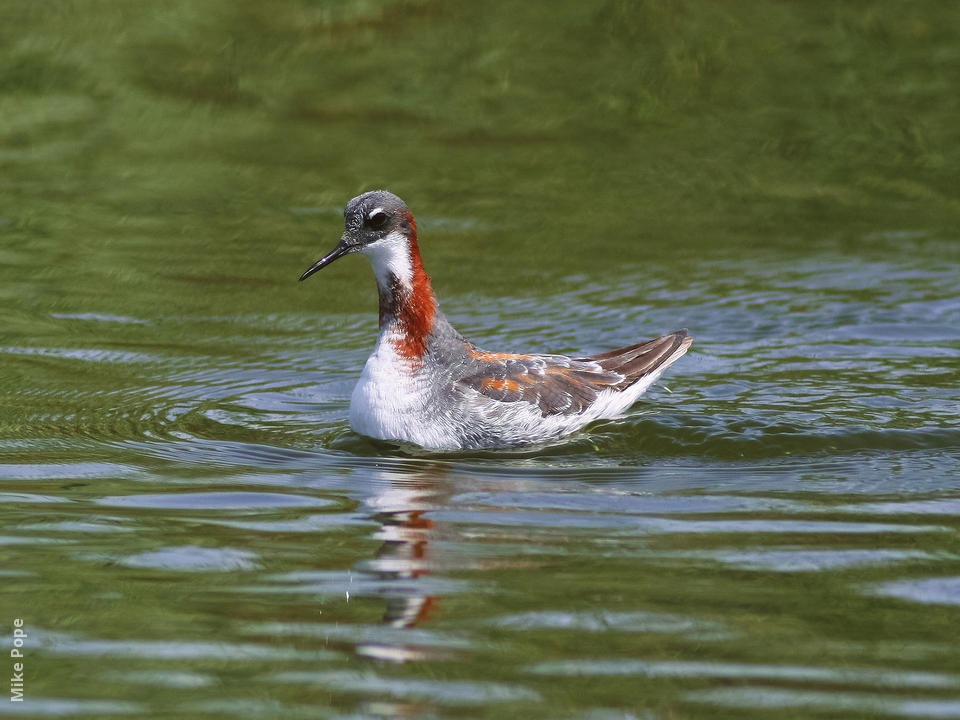
The Red-Necked Phalarope Tamil Nadu has made headlines with a recent rare sighting at the Nanjarayan Bird Sanctuary in Tirupur city. This observation marks the first time this species has been recorded in this inland water body, surprising both local birders and wildlife enthusiasts. Members of the Nature Society of Tirupur confirmed the sighting, noting the unusual nature of the bird’s stopover. Typically, Red-necked Phalaropes prefer coastal and wetland areas during migration, making inland sightings like this highly significant.
Thank you for reading this post, don't forget to subscribe!About the Red-Necked Phalarope Tamil Nadu
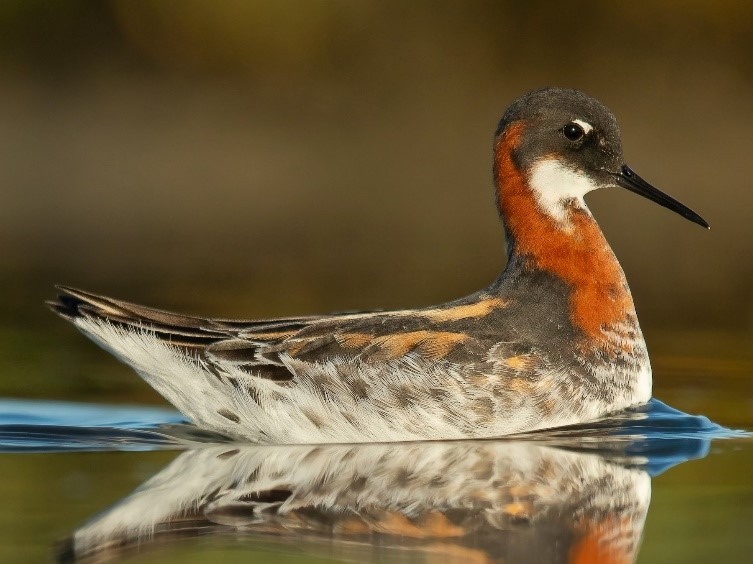
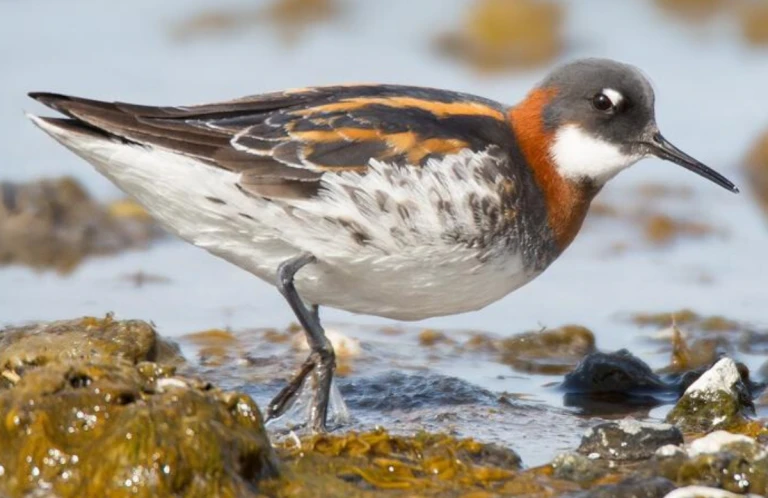
The Red-Necked Phalarope Tamil Nadu is a small migratory wader, easily recognized by its vibrant red neck during the breeding season. Measuring about 18–20 cm in length, this bird exhibits sexual dimorphism, with females appearing more brightly colored than males an unusual trait among birds. Its most fascinating behavior is its spinning feeding technique: the bird swims rapidly in tight circles on the water’s surface to stir up tiny planktonic invertebrates, which form its primary diet.
Breeding in the Arctic tundra during summer, the Red-necked Phalarope migrates thousands of kilometers to wintering grounds in South Eastern Asia, Africa, and the Americas. This remarkable migratory pattern makes it one of the most well-traveled bird species in the world. The sighting at Nanjarayan Sanctuary thus highlights the adaptability of this species to novel inland habitats during its migratory journey.
Significance of the Red-Necked Phalarope Tamil Nadu Sighting
The presence of the Red-Necked Phalarope Tamil Nadu in Nanjarayan is ecologically significant. Inland wetlands are not typical stopovers for this species, which usually prefers coastal lagoons, estuaries, and shallow saline waters. The Nanjarayan Bird Sanctuary, already home to 192 documented bird species, is increasingly becoming a hotspot for rare and migratory birds.
Previous rare sightings at the sanctuary include species like the Eurasian Wryneck and Pied Avocet. The Red-necked Phalarope adds to this growing list, indicating that inland water bodies in Tamil Nadu are gaining importance as temporary refuges for migratory birds. Conservationists and birdwatchers alike see this as a positive sign of ecological balance and biodiversity.
Ecology and Behaviour of the Red-Necked Phalarope Tamil Nadu
Understanding the ecology of the Red-Necked Phalarope Tamil Nadu provides insight into why this inland sighting is remarkable. The bird’s spinning feeding behavior is a unique adaptation to aquatic life. By creating vortices in the water, it brings plankton and small aquatic invertebrates to the surface for easy capture. Its dense belly plumage ensures buoyancy and insulation, allowing it to spend long periods feeding in cold or brackish waters.
Migration plays a central role in the bird’s life cycle. Arctic breeding grounds offer abundant insects and long daylight hours, while wintering grounds in warmer regions provide safer resting and feeding opportunities. This dual reliance on geographically distant habitats underscores the need for conservation efforts across the bird’s migratory range.
Conservation and Birdwatching Impact in Tamil Nadu
The sighting of the Red-Necked Phalarope Tamil Nadu underscores the importance of protecting inland wetlands like Nanjarayan Bird Sanctuary. These ecosystems serve as critical stopover points for migratory birds, many of which are rare or threatened. Protecting these habitats helps maintain biodiversity and ensures the survival of species that depend on both coastal and inland water bodies.
Moreover, the increased attention from birdwatchers can significantly boost local conservation efforts. Birdwatching tourism not only raises awareness about migratory species but also provides economic incentives to maintain and protect wetlands. Regular monitoring of rare sightings like the Red-necked Phalarope also contributes to scientific understanding of migration patterns, habitat preferences, and the effects of climate change on bird behavior.
Future Prospects for Red-Necked Phalarope Tamil Nadu
The sighting of the Red-Necked Phalarope Tamil Nadu at an inland sanctuary opens new avenues for ornithological research. Scientists are now more likely to explore other inland wetlands in Tamil Nadu to determine whether similar stopovers are occurring undetected. Long-term studies can help map migratory corridors and identify key conservation priorities.
This discovery also highlights the resilience of migratory birds in adapting to new environments. As climate change and habitat degradation alter traditional migratory routes, sightings like this offer hope that species can adjust their patterns and continue thriving if suitable habitats are available.
The first-ever sighting of the Red-Necked Phalarope Tamil Nadu at Nanjarayan Bird Sanctuary is a landmark event for local birdwatchers, conservationists, and ornithologists. It emphasizes the importance of inland wetlands, expands our understanding of migratory behavior, and inspires continued efforts to protect these fragile ecosystems. With growing interest and awareness, more rare and unusual bird sightings may become part of Tamil Nadu’s rich avian tapestry, enriching biodiversity and scientific knowledge alike.