



United Nations Day: Celebrating Global Unity and Peace

United Nations Day is observed every year on October 24th to mark the anniversary of the founding of the United Nations in 1945. This day celebrates the principles, objectives, and achievements of the UN in promoting international cooperation, peace, and sustainable development. United Nations Day serves as a reminder of the global efforts to resolve conflicts, promote human rights, and tackle worldwide challenges such as poverty, climate change, and health crises.
Thank you for reading this post, don't forget to subscribe!The United Nations (UN) was established in the aftermath of World War II, with the goal of preventing future conflicts and fostering cooperation among nations. Today, it comprises 193 member states and operates through various specialized agencies, programs, and initiatives addressing issues ranging from education and health to human rights and environmental protection.
History of United Nations Day
The idea of commemorating United Nations Day arose shortly after the UN was founded on October 24, 1945, when the UN Charter was ratified by the founding members. The day was officially recognized by the United Nations General Assembly in 1948, aiming to highlight the work and achievements of the organization. Since then, October 24 has been celebrated globally with events, conferences, and educational programs focusing on the UN’s role in maintaining world peace and promoting development.
Initially, the celebrations were concentrated in New York, where the UN headquarters is located, but over time, the observance spread worldwide. Schools, non-governmental organizations, and governments participate in activities like essay competitions, debates, public rallies, and cultural performances to promote awareness about the UN’s mission and its relevance in today’s world.
Objectives and Significance of United Nations Day
United Nations Day has multiple objectives that make it a significant event globally:
- Promoting International Peace and Security
The primary purpose of the UN is to prevent wars and conflicts. United Nations Day highlights the importance of diplomacy, dialogue, and international cooperation in resolving disputes peacefully. It reminds member states and citizens of their shared responsibility in maintaining global peace. - Raising Awareness about Human Rights
The UN plays a crucial role in advocating human rights through instruments such as the Universal Declaration of Human Rights (UDHR). United Nations Day educates people about their rights and the importance of equality, justice, and freedom for all. - Supporting Sustainable Development
The Sustainable Development Goals (SDGs) are a core part of the UN’s mission. United Nations Day emphasizes the global commitment to eradicate poverty, ensure quality education, promote gender equality, and tackle climate change, among other goals. - Fostering International Cooperation
The UN encourages collaboration among nations in areas such as health, trade, science, and culture. United Nations Day celebrates these efforts and motivates countries to work together for common global challenges. - Celebrating Multiculturalism and Diversity
Through its various programs, the UN promotes cultural understanding and dialogue between nations. Observing United Nations Day allows people to appreciate the richness of global diversity and the shared values that unite humanity.
How United Nations Day is Celebrated Worldwide
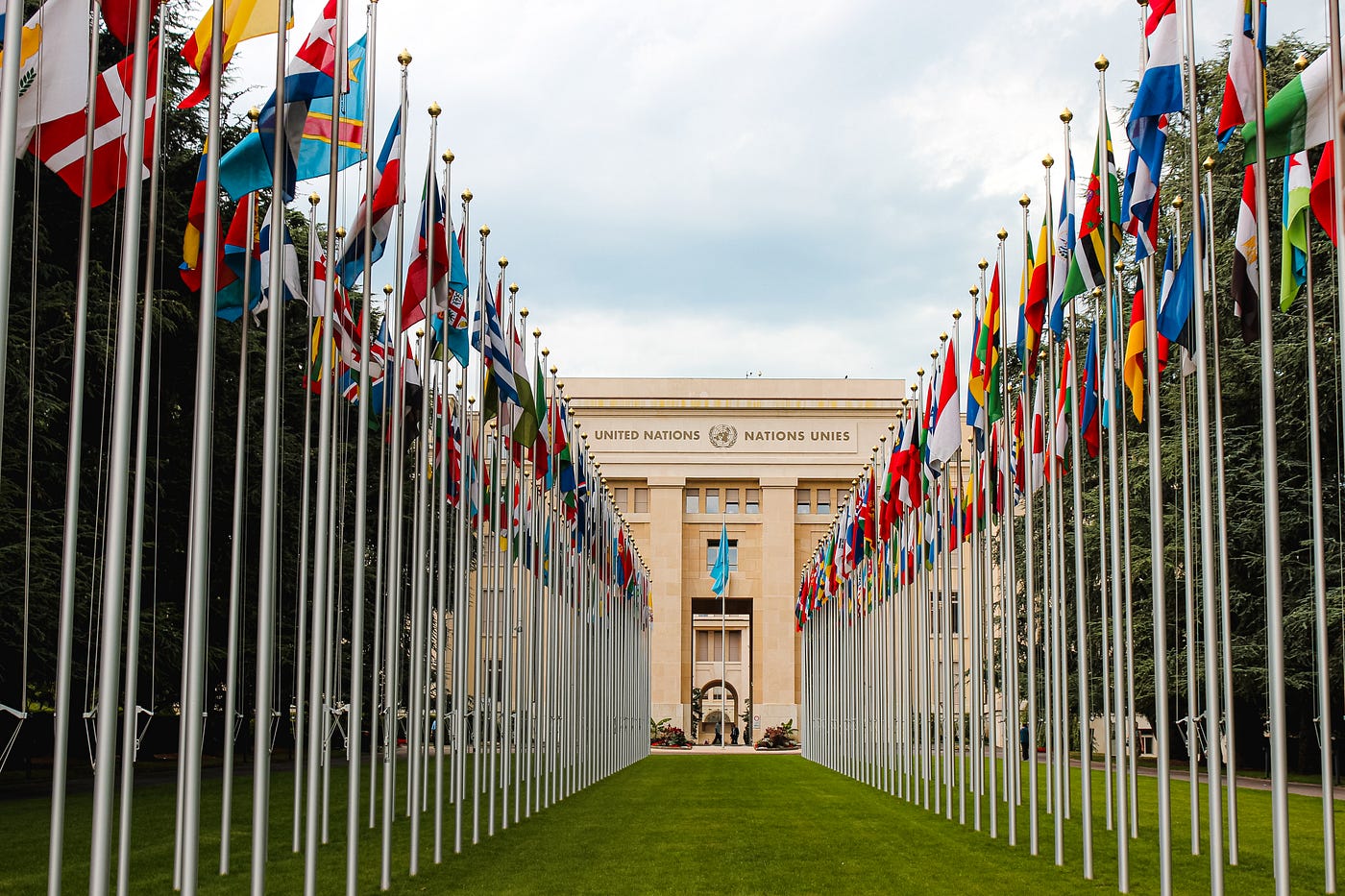
United Nations Day is marked by a wide range of activities across the globe. While celebrations may vary depending on the country, the central theme is always the promotion of peace, development, and international cooperation.
United Nations Headquarters, New York
The UN Headquarters in New York hosts formal ceremonies, speeches by the Secretary-General, and meetings with member states. These events often include discussions about pressing global issues such as climate change, poverty, or international conflicts. Educational programs and exhibitions are also organized to showcase the UN’s work.
Educational Institutions
Schools and universities participate in essay contests, quiz competitions, and debates focused on the United Nations’ objectives. Students are encouraged to learn about global issues, human rights, and sustainable development. Many institutions also organize cultural performances and awareness campaigns to engage communities in understanding the UN’s mission.
Community Events and Public Awareness Programs
Local communities and non-governmental organizations hold rallies, workshops, and awareness campaigns. These events often focus on specific themes, such as combating climate change, promoting gender equality, or ensuring health and education for all. Public lectures and seminars also educate citizens on the significance of international collaboration.
Social Media Campaigns
With the rise of digital media, United Nations Day has gained more visibility through social media campaigns. The UN and various organizations use platforms like Twitter, Instagram, and Facebook to spread awareness, share stories, and engage global audiences in celebrating the day.
Major Achievements of the United Nations
Since its founding, the UN has played a pivotal role in shaping the modern world. United Nations Day serves as a reminder of its numerous achievements in different fields:
1. Peacekeeping Operations
The UN has conducted peacekeeping missions in conflict zones worldwide, helping maintain ceasefires, protect civilians, and support post-conflict reconstruction. Countries such as Congo, South Sudan, and Cyprus have benefited from UN peacekeeping forces, which work to stabilize regions and prevent further violence.
2. Human Rights Protection
Through the Universal Declaration of Human Rights and subsequent treaties, the UN has established global norms for human rights protection. The organization monitors human rights abuses, supports legal frameworks, and advocates for the rights of marginalized groups.
3. Humanitarian Aid and Disaster Relief
The UN provides essential assistance during natural disasters, conflicts, and refugee crises. Agencies like UNICEF, the World Food Programme (WFP), and UNHCR deliver food, medical aid, and shelter to millions of people affected by emergencies.
4. Promoting Health and Education
The World Health Organization (WHO) and UNESCO work under the UN umbrella to ensure access to health services and education worldwide. Initiatives like vaccination campaigns, literacy programs, and global research collaborations highlight the UN’s commitment to human development.
5. Environmental Protection and Climate Action
Through frameworks like the Paris Agreement, the UN addresses climate change and environmental degradation. The UN promotes renewable energy, conservation of natural resources, and policies to reduce carbon emissions, contributing to a sustainable future for all nations.
United Nations Day and the Sustainable Development Goals (SDGs)
A significant focus of United Nations Day in recent years has been the promotion of the Sustainable Development Goals (SDGs). These 17 goals, adopted by all UN member states in 2015, aim to end poverty, protect the planet, and ensure prosperity for all by 2030.
The SDGs address issues such as poverty, hunger, health, education, gender equality, clean water, affordable energy, decent work, innovation, and climate action. Observing United Nations Day provides an opportunity for governments, organizations, and individuals to assess progress toward these goals and renew commitments to achieving them.
Themes of United Nations Day
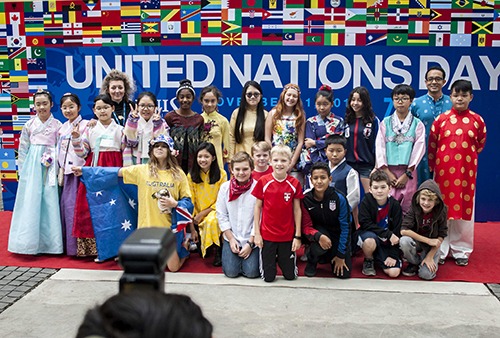
Each year, United Nations Day focuses on specific themes that reflect global priorities. These themes guide events, discussions, and campaigns during the celebration, ensuring that United Nations Day remains relevant and impactful in addressing contemporary global challenges.
2025 Theme: “Education Shapes the Future”
In 2025, the theme for United Nations Day is “Education Shapes the Future”. This theme underscores the critical role of inclusive and high-quality education in achieving the Sustainable Development Goals (SDGs), particularly SDG 4: Quality Education. The observance emphasizes the importance of addressing gender disparities in education, especially in Science, Technology, Engineering, and Mathematics (STEM) fields, and promoting innovative teaching and learning methods to foster greater educational equality.
Previous Themes
- Peace and Security: Highlighting the importance of conflict resolution and global cooperation.
- Sustainable Development: Emphasizing climate action, poverty reduction, and equitable growth.
- Human Rights and Justice: Focusing on equality, freedom, and protection of vulnerable populations.
- Education and Awareness: Promoting knowledge about the UN’s work and inspiring civic engagement.
These themes reflect the United Nations’ commitment to fostering a more peaceful, just, and sustainable world through collective action and shared responsibility.
Role of United Nations Day in Promoting Global Citizenship
United Nations Day encourages individuals to think beyond national boundaries and embrace the concept of global citizenship. By participating in activities, learning about international issues, and advocating for peace and justice, people contribute to creating a more united and cooperative world.
Being a global citizen involves understanding international interdependence, respecting diversity, and taking responsibility for the well-being of the planet. United Nations Day inspires communities to act collectively in addressing humanitarian crises, climate change, and social inequality.
United Nations Day in India
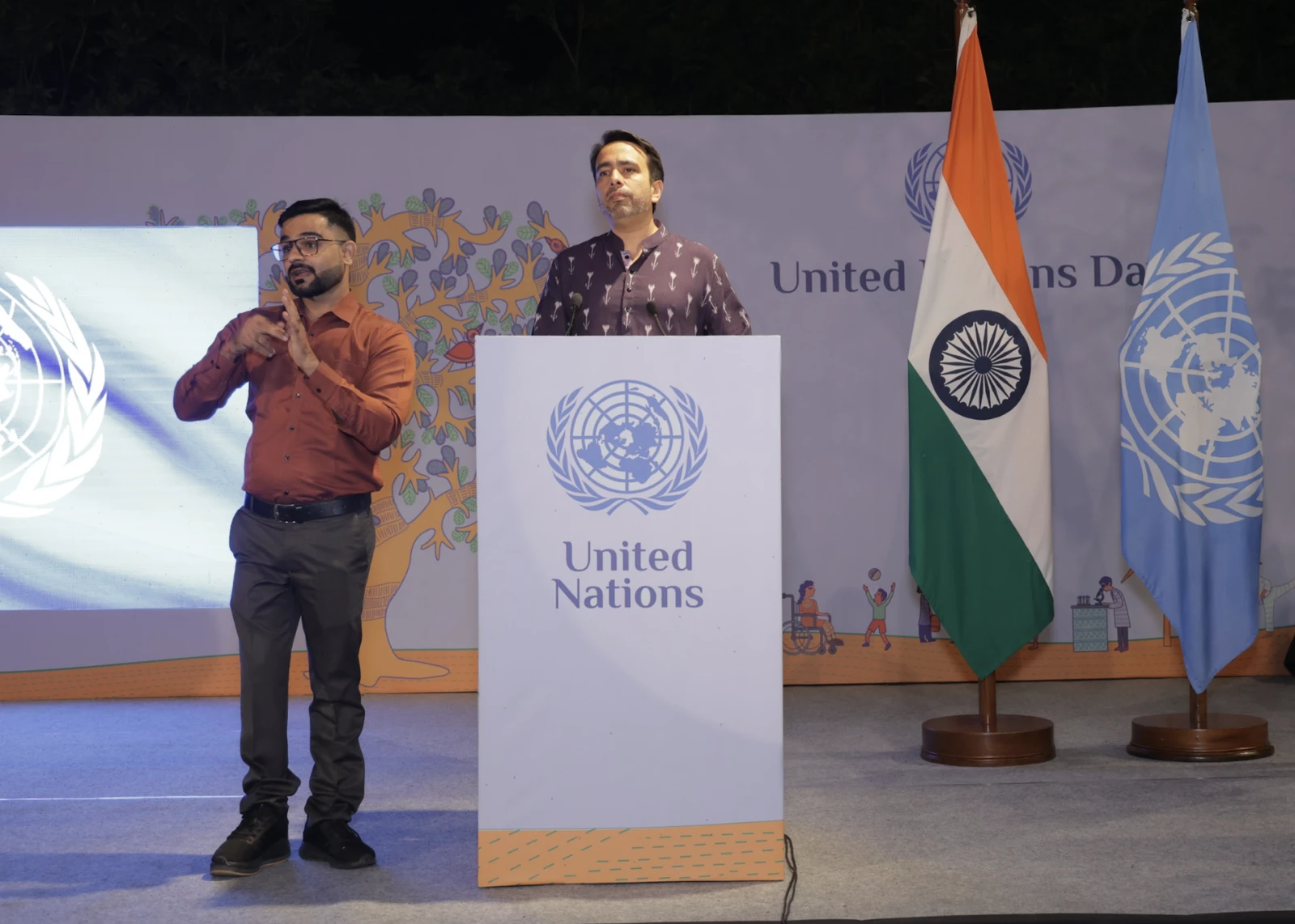
In India, United Nations Day is observed with great enthusiasm by schools, colleges, and social organizations. Educational programs, debates, cultural events, and awareness campaigns are organized across the country. Indian institutions often focus on themes like peace, education for all, and environmental sustainability, reflecting the nation’s commitment to the UN’s values.
The Government of India, along with UN offices in India, collaborates to promote awareness about international cooperation, the Sustainable Development Goals, and India’s role in global diplomacy. Observing United Nations Day helps strengthen the country’s engagement with international organizations and encourages citizens to participate in global initiatives.
How Individuals Can Celebrate United Nations Day
United Nations Day is not just for governments and organizations; individuals can also take meaningful steps to celebrate and contribute to the UN’s mission:
- Educate Yourself and Others: Learn about the UN, its objectives, and global issues. Share your knowledge with friends, family, and social media followers.
- Participate in Local Events: Attend seminars, workshops, and cultural programs organized in your community.
- Advocate for Human Rights: Support campaigns that promote equality, justice, and human rights.
- Engage in Volunteer Work: Join initiatives that contribute to social welfare, environmental conservation, or education.
- Promote Sustainable Practices: Reduce waste, save energy, and support policies that protect the environment.
By taking these steps, individuals can actively participate in the global effort to create a more peaceful, just, and sustainable world.
Fun Facts About the United Nations
- The UN flag features a world map surrounded by olive branches, symbolizing peace.
- The UN has six official languages: English, French, Spanish, Russian, Arabic, and Chinese.
- The United Nations has a peacekeeping force that includes personnel from over 120 countries.
- The UN celebrates other international observances, including World Health Day, World Refugee Day, and International Day of Peace.
- The UN has numerous specialized agencies, including WHO, UNESCO, UNICEF, FAO, and IMF, each focusing on specific global issues.
Future of United Nations Day
As global challenges evolve, United Nations Day will continue to play a crucial role in fostering awareness and action. With issues like climate change, cyber security, global health crises, and migration, the UN’s work remains vital. United Nations Day serves as a platform for reflection, dialogue, and action, inspiring governments, organizations, and individuals to uphold the principles of peace, cooperation, and development.
In the coming years, United Nations Day is expected to increasingly leverage digital platforms, virtual events, and global campaigns to engage a wider audience. By emphasizing education, participation, and advocacy, the observance will continue to strengthen global solidarity and encourage meaningful action toward a better world.
Conclusion
United Nations Day is more than just a commemoration; it is a celebration of global unity, peace, and cooperation. Observed on October 24th each year, it reminds humanity of the importance of diplomacy, human rights, sustainable development, and collective action. From peacekeeping missions to humanitarian aid, environmental protection, and advocacy for equality, the UN has made significant strides in creating a safer and more just world.
By engaging in the celebrations and embracing the principles of the United Nations, individuals and nations alike contribute to a vision of a harmonious and prosperous global community. United Nations Day reinforces the idea that, despite our differences, humanity can work together to address challenges and build a better future for all.
Frequently Asked Questions (FAQs) about United Nations Day

1. What is United Nations Day?
United Nations Day is observed annually on October 24 to commemorate the founding of the United Nations in 1945. It celebrates the organization’s efforts in promoting global peace, human rights, and sustainable development.
2. Why is United Nations Day celebrated?
It is celebrated to raise awareness about the UN’s role in maintaining international peace and security, fostering cooperation among nations, protecting human rights, and addressing global challenges such as poverty, education, and climate change.
3. When was the United Nations established?
The United Nations was officially established on October 24, 1945, after the ratification of the UN Charter by its founding member countries.
4. What is the theme for United Nations Day 2025?
The 2025 theme is “Education Shapes the Future”, highlighting the importance of inclusive, high-quality education in achieving sustainable development and global equality.
5. How is United Nations Day celebrated globally?
It is celebrated with events such as educational programs, cultural performances, seminars, debates, community awareness campaigns, and social media initiatives to promote the UN’s values and objectives.
6. What are the objectives of United Nations Day?
The main objectives include promoting peace and security, raising awareness about human rights, supporting sustainable development, fostering international cooperation, and celebrating cultural diversity.
7. How can individuals participate in United Nations Day?
Individuals can celebrate by attending local events, participating in awareness campaigns, advocating for human rights, volunteering for community service, promoting sustainable practices, and educating themselves and others about global issues.