Breast Cancer Awareness Month: Spreading Hope, Saving Lives

Breast Cancer Awareness Month is observed every October, uniting millions of people around the world to raise awareness about breast cancer, promote early detection, support patients and survivors, and fund life-saving research. This month serves as a reminder that awareness can lead to prevention, early diagnosis, and better survival rates.
Thank you for reading this post, don't forget to subscribe!Breast cancer remains one of the most common cancers among women worldwide, but thanks to awareness campaigns, improved screening, and advanced treatments, survival rates have increased significantly. However, the fight continues awareness, education, and early action remain our strongest tools.
What is Breast Cancer Awareness Month?
Breast Cancer Awareness Month is an international campaign organized every October to educate people about breast cancer its symptoms, risks, early detection, and treatment options. It began in 1985 as a joint initiative between the American Cancer Society and the pharmaceutical division of Imperial Chemical Industries (now AstraZeneca) to promote mammography as the most effective weapon in fighting breast cancer.
Since then, October has become a month of pink ribbons, awareness walks, fundraising events, and community outreach programs around the world. The pink ribbon now recognized globally symbolizes hope, courage, and solidarity with those affected by breast cancer.
Understanding Breast Cancer
Breast cancer occurs when abnormal cells in the breast grow uncontrollably and form a tumor. These cells may spread to nearby tissues or other parts of the body through the lymphatic system or bloodstream.
Although it mostly affects women, men can also develop breast cancer, though it is far less common. According to the World Health Organization (WHO), breast cancer is the most frequently diagnosed cancer globally, accounting for around 2.3 million new cases each year.

Types of Breast Cancer
There are several types of breast cancer, depending on where the cancer begins and how it grows:
- Ductal carcinoma in situ (DCIS) – A non-invasive cancer where cells remain in the milk ducts.
- Invasive ductal carcinoma (IDC) – The most common type, where cancer cells spread beyond the ducts.
- Invasive lobular carcinoma (ILC) – Begins in the milk-producing lobules and can spread to nearby tissues.
- Triple-negative breast cancer (TNBC) – An aggressive form that lacks three key receptors (ER, PR, HER2) often targeted in treatment.
- Inflammatory breast cancer (IBC) – A rare but fast-growing cancer causing redness and swelling.
Causes and Risk Factors
There is no single cause of breast cancer, but several risk factors can increase the likelihood of developing the disease. These include:
- Genetic mutations – BRCA1 and BRCA2 gene mutations significantly raise the risk.
- Family history – Having close relatives with breast or ovarian cancer increases susceptibility.
- Age and gender – Risk rises with age, and women are far more likely to be affected.
- Hormonal factors – Early menstruation, late menopause, or hormone therapy can elevate risk.
- Lifestyle choices – Smoking, alcohol consumption, obesity, and lack of physical activity contribute to higher risk.
- Radiation exposure – Previous chest radiation treatments increase vulnerability.
However, not everyone with these risk factors will develop breast cancer, and some without any risk factors still do. This is why awareness and regular screening are essential.
Importance of Early Detection
Early detection saves lives that’s the most powerful message of Breast Cancer Awareness Month. When breast cancer is found early, the chances of successful treatment are much higher.
Key Screening Methods:
- Breast Self-Examination (BSE): Women are encouraged to regularly check their own breasts for lumps, changes in shape, or unusual discharge.
- Clinical Breast Exam (CBE): Conducted by a healthcare professional to detect abnormalities.
- Mammography: An X-ray of the breast that can detect cancer before symptoms appear. It’s recommended annually or biennially for women above 40 or earlier for those with risk factors.
- Ultrasound and MRI: Additional tools used when mammograms show suspicious findings.
Awareness campaigns emphasize these screenings, empowering women to take charge of their health.
Symptoms of Breast Cancer
Recognizing the signs and symptoms early can make a significant difference. Common warning signs include:
- A lump or thickening in the breast or underarm.
- Change in size or shape of the breast.
- Nipple discharge (especially bloody or clear).
- Redness or dimpling of breast skin.
- Pain in any part of the breast that doesn’t go away.
While these symptoms can be caused by non-cancerous conditions, they should always be evaluated by a healthcare provider.
Treatment Options
Treatment for breast cancer depends on the type, stage, and individual condition of the patient. Medical advancements have made treatment more effective and less invasive.
1. Surgery:
- Lumpectomy (removal of the tumor only).
- Mastectomy (removal of the entire breast).
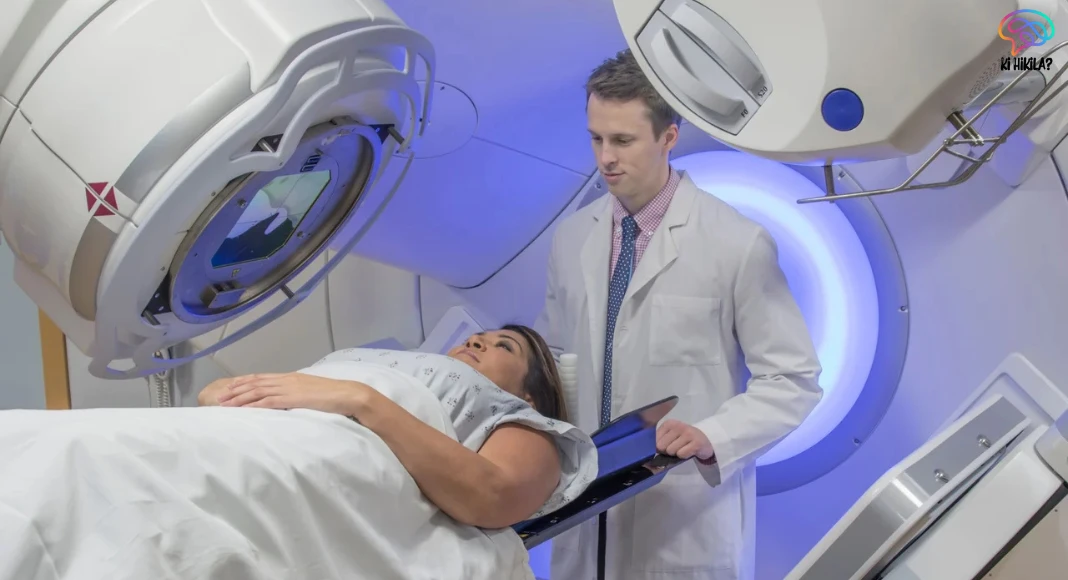
2. Radiation Therapy:
Targets cancer cells using high-energy rays to destroy remaining cancer cells after surgery.
3. Chemotherapy:
Uses anti-cancer drugs to kill or slow down cancer cells, often administered in cycles.
4. Hormone Therapy:
Used for hormone receptor-positive cancers to block estrogen or progesterone.
5. Targeted Therapy:
Drugs that target specific molecules involved in cancer growth, such as HER2 inhibitors.
6. Immunotherapy:
Boosts the body’s natural defense system to fight cancer.
Global Efforts During Breast Cancer Awareness Month
Throughout Breast Cancer Awareness Month, organizations, governments, and individuals unite through events and initiatives to spread knowledge and hope.
1. Pink Ribbon Campaigns
The pink ribbon is a universal symbol of support for breast cancer awareness. Many companies and NGOs organize campaigns selling pink merchandise, with proceeds going to research and patient support.
2. Walkathons and Fundraising Events
Events such as “Race for the Cure” or “Walk of Hope” are held globally, where participants walk or run to show solidarity with survivors and raise funds for cancer research.
3. Educational Seminars and Screenings
Hospitals and NGOs conduct free health camps, mammogram drives, and awareness workshops to encourage early screening.
4. Landmark Illuminations
Iconic landmarks like the Eiffel Tower, Empire State Building, and Taj Mahal are illuminated in pink light to mark the global movement.
5. Social Media Campaigns
Hashtags like #BreastCancerAwarenessMonth, #ThinkPink, and #FightBreastCancer dominate online platforms, encouraging people to share survivor stories, facts, and resources.
The Role of Support Systems
A breast cancer diagnosis can be emotionally and physically overwhelming. Family, friends, and support groups play a crucial role in the recovery journey.
Many survivors highlight the importance of mental health support, counseling, and community networks that provide strength through shared experiences. Support organizations like Susan G. Komen Foundation, Breast Cancer Now, and Cancer Research UK offer free resources, helplines, and financial aid.
Preventive Measures and Healthy Living
While not all breast cancers are preventable, certain lifestyle changes can help reduce risk:
- Maintain a healthy weight.
- Exercise regularly (at least 30 minutes a day).
- Limit alcohol consumption.
- Avoid smoking.
- Eat a balanced diet rich in fruits, vegetables, and whole grains.
- Breastfeed if possible, as it may lower risk.
- Go for regular screenings and self-examinations.
These steps not only lower cancer risk but also promote overall wellness.
Breast Cancer in India: A Growing Concern
In India, breast cancer has become the most common cancer among women, especially in urban areas. Lack of awareness and stigma around breast health often lead to late diagnoses. According to the National Cancer Registry Programme (NCRP), nearly 50% of breast cancer cases in India are detected at an advanced stage, reducing survival chances.

Efforts by organizations such as the Indian Cancer Society, Pink Chain Campaign, and Tata Memorial Hospital are helping educate communities, particularly in rural regions, about early detection and treatment.
Stories of Courage and Survival
One of the most inspiring aspects of Breast Cancer Awareness Month is hearing stories of survivors women and men who fought cancer with courage, resilience, and hope.
Many survivors use their experiences to advocate for awareness and motivate others to undergo screening. Their journeys highlight that cancer is not the end it’s a battle that can be fought and won with the right support and treatment.
Advancements in Breast Cancer Research
Ongoing research continues to revolutionize breast cancer treatment and prevention. Some promising developments include:
- Genetic testing for personalized treatment plans.
- Liquid biopsies for early detection through blood samples.
- Artificial intelligence in mammogram analysis for faster, more accurate results.
- Immunotherapy advancements that improve survival in metastatic cancers.
- 3D mammography (tomosynthesis) for better detection accuracy.
These innovations are the result of years of dedicated research much of it funded through awareness month campaigns.
Why Breast Cancer Awareness Month Still Matters
Despite advancements, millions of women around the world still lack access to screening and quality healthcare. Breast Cancer Awareness Month bridges this gap through awareness, education, and advocacy.
The campaign is not just about wearing pink it’s about empowering people to take control of their health, pushing for equal access to treatment, and eliminating the stigma associated with cancer.
Final Message of Hope

Every October, the world turns pink not just for awareness, but for hope, resilience, and remembrance. Breast Cancer Awareness Month reminds us that together, we can make a difference by supporting those affected, educating others, and promoting early detection.
It’s a time to honor survivors, remember those who lost their lives, and continue striving for a future where no one has to fear breast cancer.
Frequently Asked Questions (FAQs) on Breast Cancer Awareness Month
1. What is Breast Cancer Awareness Month?
Breast Cancer Awareness Month is an annual campaign held every October to raise awareness about breast cancer, promote early detection, support patients, and fund research. It’s symbolized globally by the pink ribbon.
2. Why is Breast Cancer Awareness Month important?
It plays a crucial role in educating the public about early detection, reducing stigma, improving access to screening, and supporting survivors and their families.
3. Who started Breast Cancer Awareness Month?
The campaign began in 1985 as a partnership between the American Cancer Society and the pharmaceutical division of Imperial Chemical Industries (now AstraZeneca), to encourage mammography as a key tool in early detection.
4. What are the symptoms of breast cancer?
Common symptoms include lumps in the breast, changes in breast size or shape, nipple discharge, skin dimpling, and persistent pain. It’s important to consult a doctor for proper diagnosis.
5. How can breast cancer be prevented?
While not all cases are preventable, healthy habits like maintaining a healthy weight, exercising regularly, limiting alcohol, avoiding smoking, and regular screenings can help lower risk.
6. Who is at risk of breast cancer?
Anyone can get breast cancer, but women over 40, those with a family history of breast or ovarian cancer, genetic mutations (BRCA1 or BRCA2), or hormonal factors are at higher risk.
7. How can I support Breast Cancer Awareness Month?
You can participate in awareness walks, donate to research organizations, wear pink ribbons, share educational content on social media, or volunteer for screening campaigns.
8. Is breast cancer treatable?
Yes, breast cancer is treatable, especially when detected early. Treatments may include surgery, chemotherapy, radiation therapy, targeted therapy, or hormone therapy, depending on the type and stage.
9. Can men get breast cancer too?
Yes, although it’s rare, men can also develop breast cancer. Awareness is crucial for early diagnosis in men as well.
10. What is the symbol of Breast Cancer Awareness Month?
The pink ribbon is the universal symbol of breast cancer awareness, representing hope, strength, and unity in the fight against the disease.