




Red Ivy Plant: Kerala Scientists Develop Innovative Nanotech Wound-Healing Pad

Recent research at the Jawaharlal Nehru Tropical Botanic Garden & Research Institute (JNTBGRI) in Kerala has led to a groundbreaking innovation that blends traditional herbal wisdom with cutting-edge science. The institute’s scientists have developed a novel wound-healing pad using nanotechnology and a bioactive molecule extracted from the Red Ivy Plant (Strobilanthes alternata). This product promises a safer, faster, and more natural path to healing wounds, marking a major milestone in botanical and biomedical research in India.
Thank you for reading this post, don't forget to subscribe!A Scientific Breakthrough Rooted in Nature
The Red Ivy Plant, commonly known as murikooti pacha in Kerala, has long been recognized in traditional medicine for its healing properties. However, until recently, its full pharmacological potential remained largely unexplored. The JNTBGRI team identified acteoside, a powerful natural compound, in the Red Ivy Plant for the first time. This discovery is a key factor in the wound pad’s remarkable healing efficiency.
Acteoside is known globally for its anti-inflammatory, antioxidant, and antimicrobial properties, but its presence in Strobilanthes alternata had not been documented before. The scientists’ revelation not only adds new value to this tropical herb but also opens doors for its use in advanced healthcare applications.
Innovative Design: The Science Behind the Wound Pad
The newly developed wound-healing pad incorporates both natural and synthetic components to maximize effectiveness and safety. Its multi-layered structure is designed with precision to mimic natural tissue behavior.
At its core lies a thin electro-spun nanofibre layer made from biodegradable, non-toxic polymers. These polymers are FDA-approved, ensuring compatibility and safety for human use. This nanofibre layer allows gas exchange, which is essential for keeping the wound ventilated while preventing infection.
The pad’s formulation includes acteoside at a low concentration (0.2%) and the antibiotic neomycin sulfate. This combination provides a dual action natural healing and antibacterial protection making the product both powerful and gentle.
By merging phytochemistry with nanotechnology, the researchers have created a sustainable, biocompatible alternative to conventional wound dressings that often rely on synthetic chemicals.
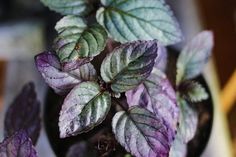
Red Ivy Plant: A Botanical Treasure
The Red Ivy Plant (Strobilanthes alternata) is a herbaceous species native to tropical Asia, thriving in the humid environments of India, Malaysia, Indonesia, China, and Japan. It typically grows up to 30 centimeters tall, featuring purple stems and dark green leaves with a distinctive reddish hue underneath hence the name “Red Ivy.”
In Ayurveda, the plant is known as Vranaropani, meaning “wound healer.” For centuries, traditional healers have used its leaves and extracts to treat cuts, wounds, and infections. Its proven effectiveness in folk medicine laid the foundation for the scientific investigation that followed.
Outside Asia, Red Ivy is admired as an ornamental plant for its lush appearance and adaptability. It is cultivated in the United States and occasionally in the United Kingdom, where it adds color and vibrancy to home gardens and indoor settings.
From Tradition to Technology
The JNTBGRI’s innovation exemplifies how ancient botanical knowledge can be revitalized through modern science. By using electro-spinning, a nanotechnology technique that produces extremely fine fibers, researchers replicated the natural extracellular matrix the network that supports tissue regeneration in the human body.
This nanofibre-based design ensures that acteoside molecules are released gradually at the wound site, promoting faster healing, reduced scarring, and lower infection risk. Moreover, the biodegradable material used in the pad ensures environmental sustainability, minimizing medical waste a growing global concern.
According to scientists, the integration of nanotechnology and phytochemistry represents the future of biomedical materials. It allows plant-derived molecules to perform more efficiently by enhancing their stability and targeted delivery.
Global and Local Implications
The discovery holds immense potential not only for India’s healthcare sector but also for the global medical device market. Natural-based wound dressings are increasingly in demand, as consumers and healthcare providers shift toward eco-friendly and biocompatible solutions.
The Red Ivy-based wound pad could particularly benefit patients with chronic wounds, such as diabetic ulcers or burn injuries, where conventional treatments often fall short. It offers an affordable and sustainable alternative that aligns with India’s vision of Atmanirbhar Bharat (self-reliant nation) through indigenous innovation.
Furthermore, the study highlights the untapped potential of India’s tropical flora, emphasizing the importance of conserving and studying native species. Plants like Strobilanthes alternata may hold the key to future pharmaceutical breakthroughs, combining the wisdom of Ayurveda with modern biotechnological tools.

A Step Toward the Future of Natural Medicine
The success of the Red Ivy-based wound pad underscores how interdisciplinary collaboration between botanists, chemists, and nanotechnologists can yield innovations that transform healthcare. It reaffirms India’s position as a leader in plant-based biomedical research and offers hope for a new generation of natural, safe, and effective therapeutic materials.
As the JNTBGRI team continues to refine the formulation and test its clinical applications, the world watches with interest. If scaled effectively, this innovation could revolutionize wound management and set a global benchmark for sustainable medical technology.
The Red Ivy Plant, once a humble herb of local tradition, now stands at the forefront of a scientific revolution bridging the gap between ancient healing wisdom and cutting-edge nanotechnology.