


India Water Management Risks

India Water Management has come under focus after Moody’s Ratings highlighted concerns about the country’s water system on 22 June 2026. The report pointed out that water governance in India is fragmented and lacks flexibility, which may create long-term challenges for both the economy and public services.
Thank you for reading this post, don't forget to subscribe!Water is a critical resource that connects agriculture, cities, and industries. When systems are not well coordinated, it becomes difficult to manage supply and demand effectively. This is especially important at a time when climate change and rapid development are putting extra pressure on natural resources.
Water Governance Structure in India
India follows a federal system, where state governments have major control over water-related decisions. Each state manages irrigation, drinking water, and local supply systems. This means policies can differ widely across regions.
Because of this structure, coordination between states becomes important but also challenging. Different priorities, policies, and financial capacities can lead to uneven water management practices. In some areas, water supply systems are efficient, while in others, shortages and inefficiencies are more visible.
This decentralized system is useful in addressing local needs, but it can also slow down large-scale reforms.
Agriculture and High Water Consumption
Agriculture is the biggest user of water in India, consuming nearly 80% of the country’s freshwater. Farming activities depend heavily on irrigation, especially in regions where rainfall is uncertain.
However, water pricing in agriculture is often low or subsidized. This makes water more accessible for farmers but can also lead to overuse. Crops that require large amounts of water are sometimes grown even in water-scarce regions.
This situation makes it harder to balance water use between agriculture, households, and industries. As demand grows, managing this balance becomes more complex.
Climate Change and Water Stress
Climate change is adding new challenges to India Water Management. Rising temperatures, irregular rainfall, and extreme weather events are affecting water availability.
Some regions face heatwaves and droughts, while others experience heavy rainfall and flooding. These variations make it difficult to plan and manage water resources effectively.
Monsoon patterns, which are crucial for agriculture and water supply, are becoming less predictable. This increases uncertainty for farmers and policymakers alike.
Infrastructure and Groundwater Issues
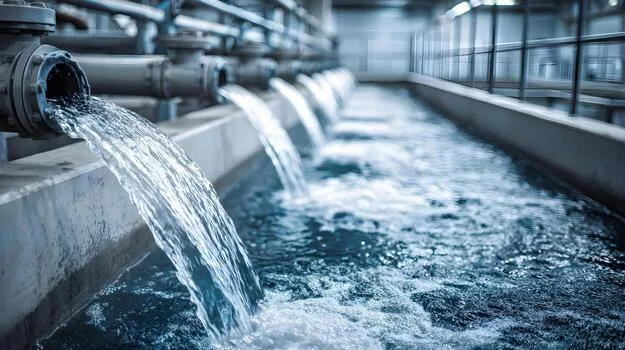
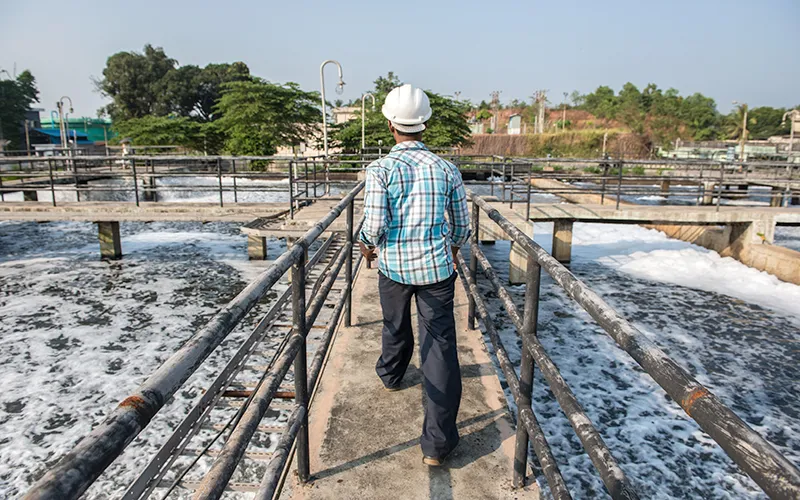
Water infrastructure in many parts of India is aging and needs improvement. Old pipelines, inefficient storage systems, and limited treatment facilities reduce the efficiency of water distribution.
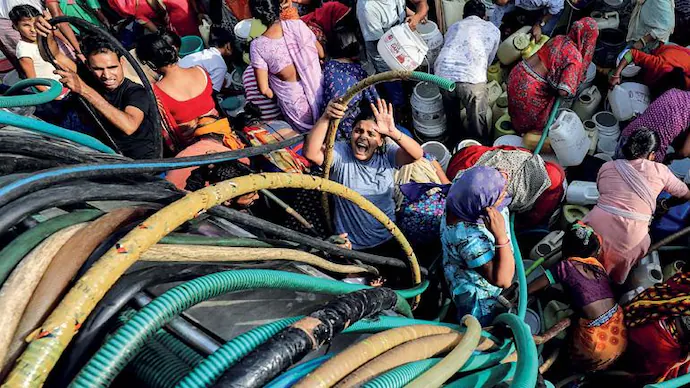
Groundwater depletion is another major concern. In several states, water is being extracted faster than it can be replenished. This leads to falling water levels and increases the cost of accessing water.
Over time, this can create serious shortages, especially in regions that rely heavily on groundwater for farming and daily use.
Rising Industrial and Technology Demand
India’s growing economy is also increasing water demand from industries. Sectors like manufacturing, energy, and technology require large amounts of water.
The expansion of data centres, cloud computing, and artificial intelligence has added a new dimension to water usage. These facilities need water for cooling systems, which increases pressure on local water supplies.
As digital infrastructure grows, managing water use in these sectors becomes an important part of planning.
Economic and Financial Impact
Moody’s Corporation linked water-related challenges to financial risks. Water shortages can increase costs for governments and businesses.
For example, industries may face disruptions if water supply becomes unreliable. This can affect production and lead to economic losses. Public services like water supply and sanitation may also require higher investment to maintain stability.
Over time, these pressures can influence credit ratings and financial planning for both state governments and utilities.
Balancing Demand Across Sectors
India Water Management requires balancing the needs of different sectors. Agriculture, households, and industries all depend on the same resource.
In regions with limited water, this balance becomes even more important. Efficient allocation, better pricing policies, and improved infrastructure can help manage demand more effectively.
Technology and data can also play a role in improving water monitoring and usage patterns.
Additional Perspective on Current Trends
India Water Management is becoming a key topic as the country focuses on sustainable growth. With increasing urbanisation and industrial expansion, water demand is expected to rise further.
At the same time, global attention on climate change and resource management is encouraging countries to rethink their strategies. India is also exploring solutions like water conservation, recycling, and smarter infrastructure.
These efforts reflect a broader shift toward managing resources in a more balanced and sustainable way.