



Medical Devices India: Growth, Challenges, Regulations and Future Opportunities

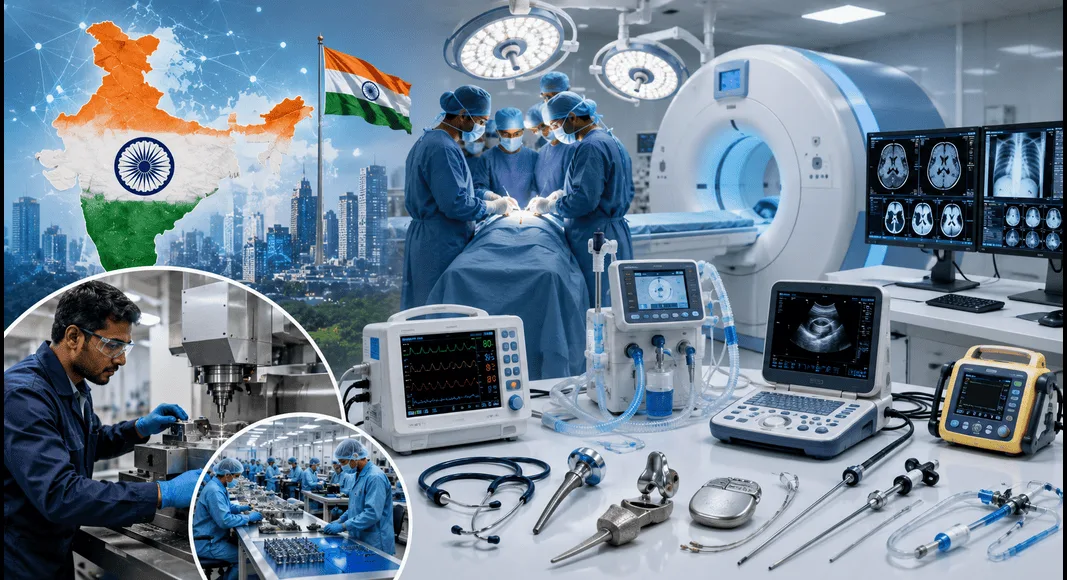
Medical Devices Industry in India is one of the most important sectors in the healthcare system. Medical devices help doctors diagnose diseases, monitor patients, perform surgeries, and save lives. These devices range from simple items like syringes and thermometers to advanced machines such as MRI scanners, CT scanners, ventilators, and artificial implants.
Thank you for reading this post, don't forget to subscribe!The medical device industry is unique because it combines medicine, engineering, electronics, material science, and information technology. Unlike medicines, which are chemical products, medical devices are machines, instruments, equipment, or implants used to improve healthcare and support life.
As India’s population grows and healthcare services expand, the demand for medical devices is increasing rapidly. The industry has enormous potential to contribute to better healthcare, economic growth, and the vision of making India a global manufacturing hub.
What are Medical Devices?
Medical devices are instruments, machines, implants, or equipment used for medical purposes. They help in diagnosis, treatment, monitoring, and prevention of diseases.
Some common examples include:
- Surgical instruments
- Thermometers
- Blood pressure monitors
- X-ray machines
- CT Scan machines
- MRI scanners
- Ultrasound machines
- Ventilators
- Pacemakers
- Artificial joints and implants
- Diagnostic kits
- Disposable medical products
These devices play a critical role in modern healthcare and often make the difference between life and death.
Medical Devices Industry in India
India is among the world’s fastest-growing healthcare markets. The country is also one of the top twenty medical device markets globally.
India is the:
- Fourth-largest medical device market in Asia
- Among the top twenty markets worldwide
- A rapidly growing destination for healthcare technology
Despite its large market size, India still depends heavily on imports.
Around 80-90% of medical devices used in India are imported from other countries. This shows that India has tremendous opportunities to increase domestic production and reduce dependence on foreign manufacturers.
The Indian medical device market is valued at billions of dollars and continues to grow every year due to rising healthcare needs.
Factors Driving Growth of Medical Devices Industry in India
Several factors are contributing to the growth of the medical device sector in India.
1. Growing Population
India has one of the largest populations in the world. A larger population means greater demand for healthcare services and medical equipment.
More hospitals, clinics, and healthcare centers require more medical devices.
2. Ageing Population
The number of elderly people in India is increasing.
Older individuals are more likely to suffer from:
- Heart diseases
- Diabetes
- Arthritis
- Kidney disorders
These health conditions require advanced medical devices for diagnosis and treatment.
3. Rising Income Levels
As people’s incomes increase, they spend more on healthcare services.
Middle-class families are now more willing to invest in preventive healthcare and advanced treatments.
This increases demand for medical devices.
4. Increased Health Awareness
People are becoming more aware of health issues.
Regular health checkups, screenings, and early diagnosis are becoming common practices.
This has increased demand for diagnostic devices and monitoring equipment.
5. Changing Disease Patterns
Lifestyle diseases such as:
- Diabetes
- Hypertension
- Heart disease
- Obesity
are increasing rapidly.
Managing these diseases requires advanced medical technologies and equipment.
6. Growth of Healthcare Infrastructure
India is witnessing rapid growth in:
- Hospitals
- Diagnostic centers
- Nursing homes
- Medical colleges
This expansion creates demand for medical devices across the country.
7. Government Health Schemes
Government initiatives have improved healthcare access for millions of people.
Various insurance and healthcare schemes encourage people to seek medical treatment, increasing the need for medical devices.
8. Foreign Direct Investment (FDI)
India allows investment from foreign companies in the healthcare sector.
FDI brings:
- Capital
- Technology
- Innovation
- Manufacturing expertise
This helps the medical device industry grow faster.
Challenges Facing Medical Devices Industry in India
Although the industry has huge potential, it faces several challenges.
1. Dependence on Imports
One of the biggest challenges is excessive dependence on imported devices.
Most high-end equipment such as:
- MRI scanners
- CT scanners
- Advanced implants
are imported from foreign countries.
This increases costs and makes India vulnerable to global supply disruptions.
2. Limited Domestic Manufacturing
India’s domestic manufacturing capacity remains relatively small.
Many local companies lack:
- Advanced technology
- Research facilities
- Skilled workforce
- Financial support
As a result, indigenous production remains limited.
3. Regulatory Challenges
The regulatory framework for medical devices has traditionally been weak.
For many years, medical devices were regulated under laws designed primarily for medicines.
However, medical devices are very different from drugs and require specialized regulations.
4. Lack of Comprehensive Medical Device Law
Experts have repeatedly demanded a separate Medical Devices Act.
A dedicated law would provide:
- Better regulation
- Quality standards
- Safety monitoring
- Product testing
- Patient protection
A specialized legal framework would strengthen the industry.
5. Quality and Safety Concerns
Only a small number of medical devices were traditionally regulated.
Thousands of devices entered the market without adequate quality checks.
This created concerns about:
- Product safety
- Device performance
- Patient protection
Strong quality standards are necessary to ensure safe healthcare.
6. Insufficient Testing Facilities
India lacks enough testing laboratories and certification centers for medical devices.
Manufacturers often face difficulties in:
- Product validation
- Safety testing
- Certification processes
More testing infrastructure is needed.
7. Research and Development Limitations
Innovation is essential in the medical device industry.
However, investment in research and development remains relatively low.
Without innovation, Indian companies struggle to compete globally.
8. Investor Concerns
Investors prefer stable and predictable regulatory environments.
Unclear regulations discourage investment and slow industry growth.
A transparent policy framework can attract more investors.
Johnson & Johnson Hip Implant Case
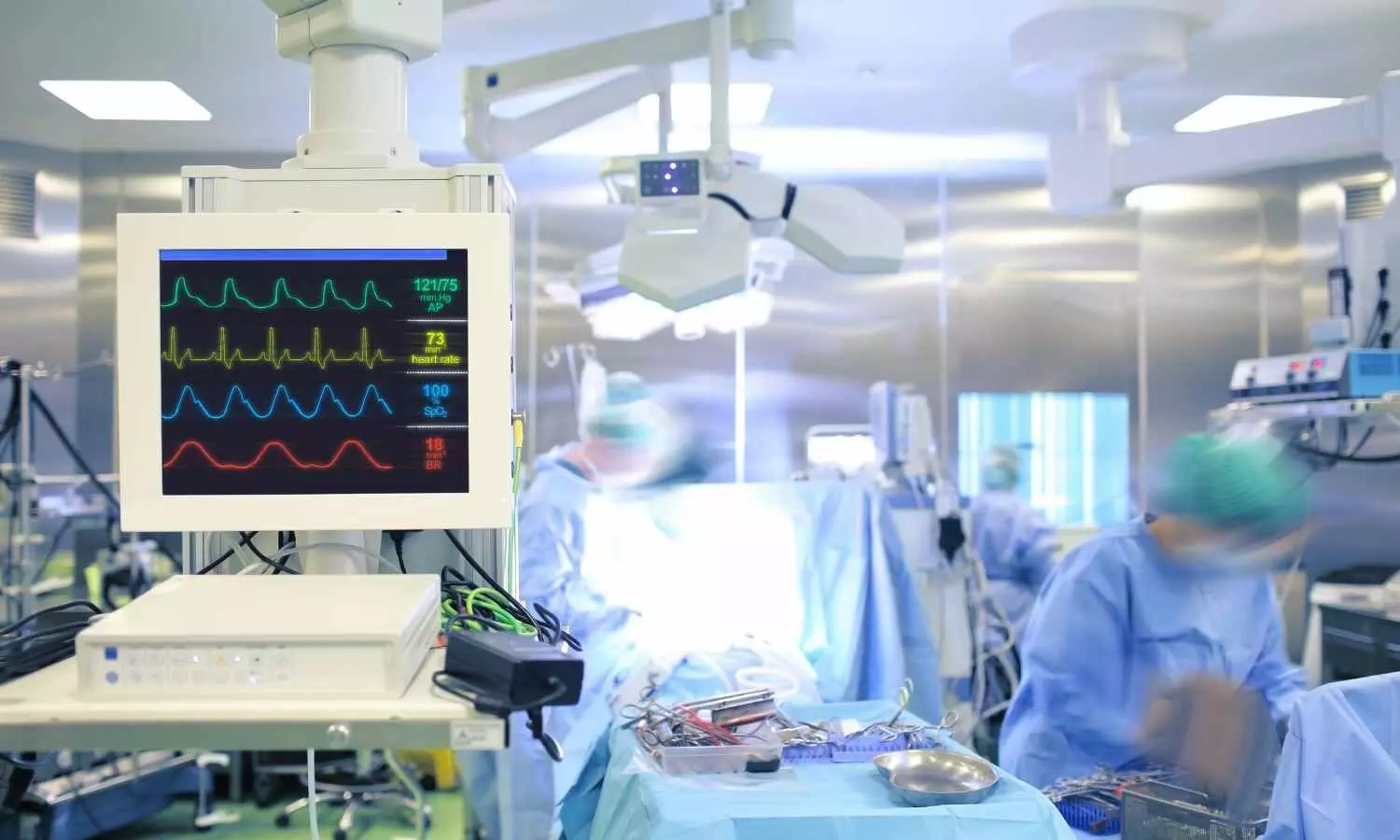
One major example highlighting regulatory weaknesses was the Johnson & Johnson faulty hip implant case.
Many patients suffered complications due to defective hip implants.
The case exposed several issues:
- Weak regulatory oversight
- Lack of accountability
- Inadequate patient protection
- Limited compensation mechanisms
It emphasized the need for stronger regulations and monitoring systems.
Recommendations for Strengthening the Industry
A government task force provided several recommendations to improve the medical device sector.
Separate Medical Device Regulation
Medical devices should be regulated separately from medicines.
A dedicated regulatory system can address the unique characteristics of medical devices.
Creation of Specialized Regulatory Bodies
An independent authority should oversee:
- Product approval
- Quality standards
- Market surveillance
- Safety monitoring
This would improve governance and accountability.
Promotion of Domestic Manufacturing
The government should encourage local production through:
- Financial incentives
- Tax benefits
- Infrastructure support
- Technology transfer
This will strengthen self-reliance.
Government Procurement Preference
Medical devices manufactured in India should receive preference in government purchases.
This can help domestic manufacturers grow and compete effectively.
Establishment of Testing Centers
Modern testing laboratories should be established across India.
These centers can ensure:
- Product safety
- Quality certification
- Faster approvals
Centers of Excellence
Specialized Centers of Excellence can support:
- Innovation
- Product development
- Clinical validation
- Research collaboration
These centers can improve India’s competitiveness.
Skill Development
A skilled workforce is essential for industry growth.
Training programs should be introduced for:
- Engineers
- Technicians
- Researchers
- Manufacturing professionals
This will help meet future industry demands.
Government Initiatives
The Government of India has taken several important steps to support the sector.
Medical Device Parks
The government approved the establishment of medical device parks in several states.
These parks provide:
- Shared infrastructure
- Testing facilities
- Manufacturing support
- Research facilities
Medical device parks help reduce production costs and improve competitiveness.
States involved include:
Other states have also shown interest.
Support for Make in India
The medical device sector plays a significant role in the Make in India initiative.
The goal is to:
- Increase domestic manufacturing
- Reduce imports
- Create employment
- Promote exports
A strong medical device industry supports India’s economic growth.
Compensation Framework
The government approved compensation mechanisms for patients affected by faulty medical devices.
This strengthens patient protection and corporate accountability.
Expansion of Regulation
More medical devices have been brought under regulatory oversight.
This helps improve:
- Quality control
- Safety standards
- Consumer confidence
Benefits of a Strong Medical Devices Industry
A developed medical device industry can provide several benefits.
Affordable Healthcare
Domestic manufacturing reduces dependence on imports and lowers costs.
This makes healthcare more affordable for patients.
Employment Generation
The industry creates jobs in:
- Manufacturing
- Engineering
- Research
- Sales
- Healthcare services
Economic Growth
A thriving medical device sector contributes to GDP growth and industrial development.
Better Healthcare Access
Availability of affordable devices improves healthcare services in urban and rural areas.
Technological Advancement
Innovation in medical technology promotes scientific development and improves healthcare outcomes.
Export Opportunities
India can become a major exporter of medical devices to global markets.
This can improve foreign exchange earnings and strengthen the economy.
Future of Medical Devices Industry in India
The future of the Medical Devices Industry in India looks highly promising.
Several trends indicate strong growth:
- Expansion of healthcare infrastructure
- Rising demand for advanced healthcare services
- Government support
- Increased investments
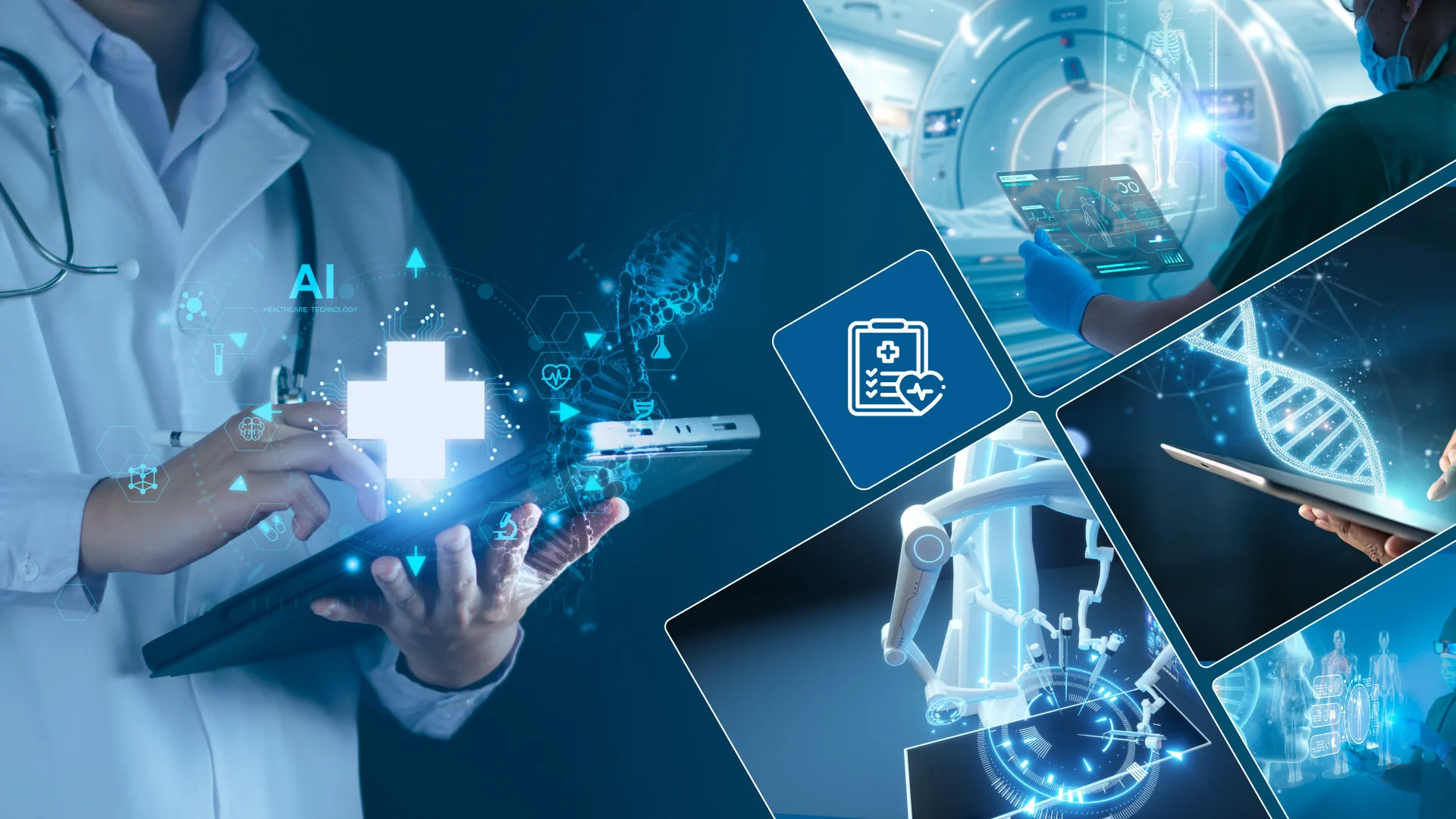
- Growth in digital healthcare
- Artificial intelligence-based medical devices
- Telemedicine and remote monitoring systems
With proper regulation, innovation, and investment, India can become a global manufacturing hub for medical devices.
Conclusion
Medical Devices Industry in India is a rapidly growing sector that plays a vital role in healthcare and economic development. Medical devices are essential for diagnosis, treatment, monitoring, and saving lives. Although India is one of the world’s largest markets for medical devices, it still depends heavily on imports.
Challenges such as weak regulation, limited manufacturing capacity, inadequate testing facilities, and low research investment must be addressed. Government initiatives such as medical device parks, Make in India, and stronger regulatory mechanisms are positive steps in the right direction.
With better policies, improved infrastructure, innovation, and domestic manufacturing, India can build a world-class medical device industry. Such growth will not only strengthen healthcare services but also help achieve the vision of affordable, accessible, and high-quality healthcare for all citizens.
FAQs About Medical Devices Industry in India
1. What are medical devices?
Medical devices are instruments, machines, implants, or equipment used to diagnose, monitor, prevent, or treat diseases and medical conditions.
2. Why is the medical devices industry important in India?
It supports healthcare services, improves patient care, creates jobs, and helps make medical treatment more accessible and affordable.
3. What are some examples of medical devices?
Examples include MRI scanners, CT scanners, X-ray machines, ventilators, pacemakers, syringes, and artificial implants.
4. How much of India’s medical device demand is met through imports?
India imports around 80-90% of its medical devices, especially advanced and high-end equipment.
5. What is the main objective of developing the medical devices sector in India?
The main objective is to increase domestic manufacturing, reduce imports, improve healthcare access, and support the Make in India initiative.
6. What challenges does the medical devices industry face in India?
Major challenges include import dependence, limited manufacturing, regulatory issues, lack of testing facilities, and low investment in research and development.
7. What are medical device parks?
Medical device parks are specialized industrial zones that provide shared infrastructure, testing facilities, and support services for manufacturers.
8. Why is a separate Medical Devices Act being demanded?
Experts believe medical devices are different from medicines and require a dedicated law for proper regulation, safety, and quality control.
9. How does the medical devices industry contribute to the economy?
It generates employment, attracts investment, promotes exports, supports innovation, and strengthens the healthcare sector.
10. What is the future of the medical devices industry in India?
The future is promising due to growing healthcare demand, government support, technological advancements, and increasing domestic manufacturing.