


India Post Payments Bank (IPPB): India’s Digital Banking Revolution for Financial Inclusion

India Post Payments Bank (IPPB) is one of the most important initiatives launched by the Government of India to expand banking services to every corner of the country. Established in 2018, IPPB aims to provide affordable, accessible, and secure banking facilities to people, especially those living in rural and remote areas. By using the vast network of post offices and postal employees, IPPB has become a powerful tool for promoting financial inclusion and supporting the vision of Digital India.
In a country where millions of people still face difficulties in accessing traditional banking services, IPPB serves as a bridge between financial institutions and underserved communities. Through doorstep banking, digital transactions, and easy access to government benefits, IPPB is transforming the banking landscape of India.

What is India Post Payments Bank (IPPB)?
India Post Payments Bank (IPPB) is a payments bank established under the Department of Posts with 100% ownership by the Government of India. It was officially launched in September 2018 with the objective of making banking services available to every citizen, especially those living in rural and semi-urban regions.
IPPB operates under the regulations of the Reserve Bank of India (RBI) and uses the extensive postal network of India to provide banking services. It combines traditional postal services with modern digital banking solutions, making financial services easily accessible even in the most remote villages.
The bank was created with the vision of becoming the most trusted, affordable, and accessible banking institution for ordinary citizens. Its primary goal is to bring unbanked and underbanked populations into the formal financial system.
Why Was IPPB Introduced?
Before the launch of IPPB, many people in rural India had limited access to banking facilities. Long distances to bank branches, lack of awareness, and inadequate infrastructure prevented many citizens from opening and operating bank accounts.
To solve these challenges, the government introduced IPPB with the following objectives:
| Objective | Purpose |
|---|---|
| Financial Inclusion | Provide banking services to everyone |
| Digital Banking | Promote cashless transactions |
| Government Benefits | Ensure efficient delivery of subsidies and welfare payments |
| Rural Development | Improve financial access in villages |
| Economic Growth | Encourage savings and digital financial participation |
Through these goals, IPPB supports inclusive economic development across the country.
Key Features of IPPB
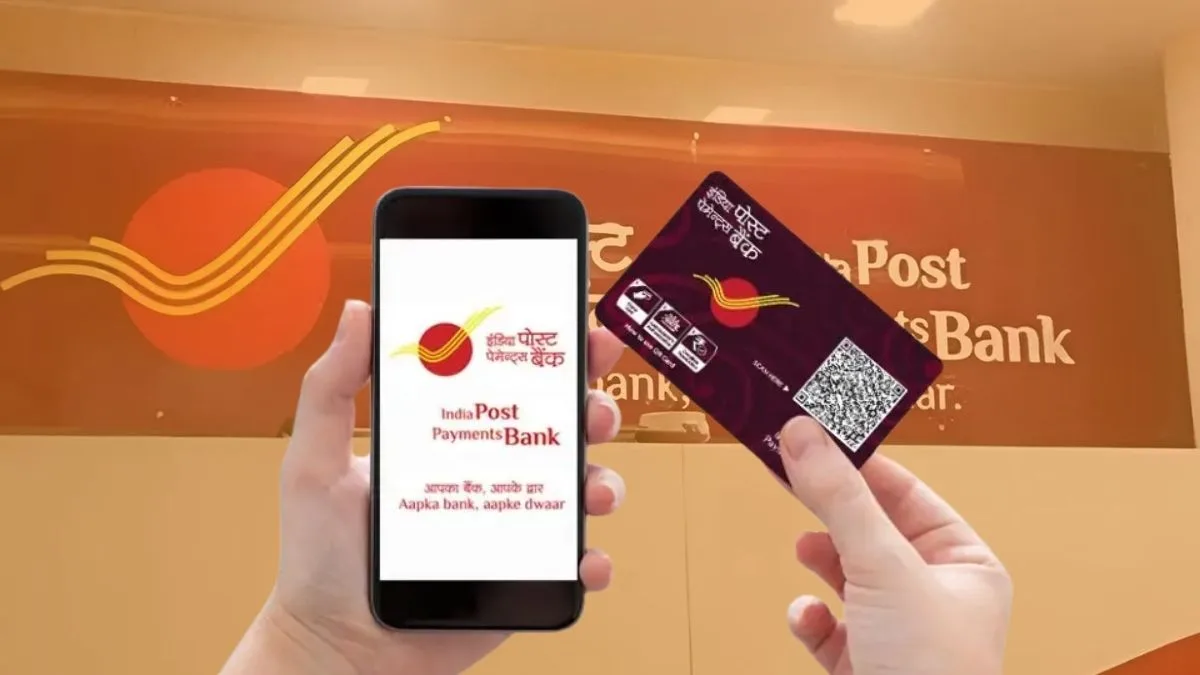
IPPB offers a combination of physical and digital banking services. Customers can access services through post offices, mobile banking applications, internet banking platforms, and doorstep banking services.
Some important features include:
- Savings accounts and current accounts
- Money transfer facilities
- Mobile banking
- Internet banking
- QR card-based banking
- Direct Benefit Transfer (DBT) services
- Insurance and investment products
- Doorstep banking facilities
These services help people manage their finances conveniently without needing to visit traditional bank branches.
How Does IPPB Work?
IPPB uses the massive network of India Post to deliver banking services. It operates through:
Post Offices
Thousands of post offices across India function as banking access points where customers can perform transactions and access various banking services.
Postal Employees
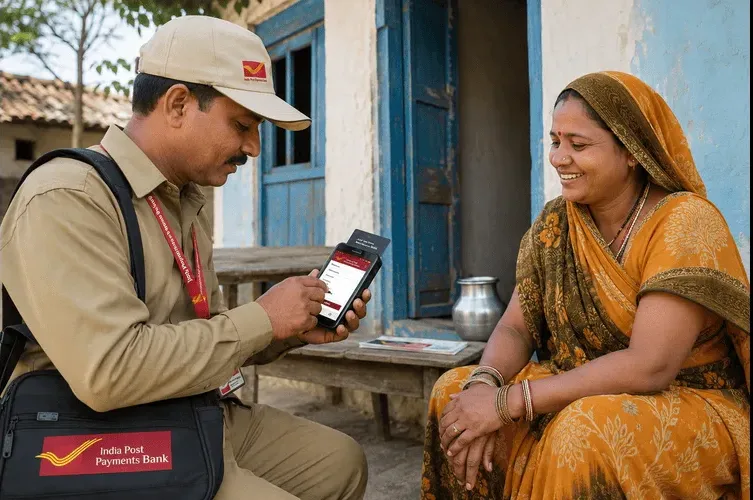
Postmen and Gramin Dak Sevaks act as banking representatives. They visit customers at their homes and provide banking services using handheld devices.
Digital Platforms
Customers can use:
- Mobile Banking Apps
- Internet Banking
- Micro-ATMs
- QR Card Transactions
- Point of Sale (PoS) Devices
This combination of physical and digital infrastructure makes banking accessible to all sections of society.
Services Offered by IPPB
1. Savings Accounts
IPPB provides different types of savings accounts to meet customer requirements:
| Account Type | Suitable For |
|---|---|
| Safal Account | Regular customers |
| Sugam Account | Basic savings account holders |
| Saral Account | Small account holders |
These accounts offer easy banking services with minimal documentation.
2. Money Transfer Services
Customers can transfer funds quickly and securely through:
- Immediate Payment Service (IMPS)
- National Electronic Funds Transfer (NEFT)
- Unified Payments Interface (UPI)
- Aadhaar-enabled Payment Services
This enables hassle-free transfer of money across the country.
3. Direct Benefit Transfer (DBT)
IPPB plays an important role in distributing government benefits directly into beneficiaries’ accounts.
Examples include:
- PM-Kisan payments
- LPG subsidies
- Pension payments
- Scholarship benefits
- MGNREGA wages
Direct transfers reduce corruption and ensure transparency.
4. Insurance Services
IPPB partners with insurance companies to provide:
- Life insurance
- Health insurance
- Accident insurance
These services help improve financial security among low-income families.
5. Investment Products
Customers can also access:
- Mutual funds
- Financial planning services
- Savings and investment options
This encourages long-term wealth creation.
6. Doorstep Banking
One of the most unique features of IPPB is doorstep banking.
Postal employees visit customers’ homes and provide services such as:
- Cash deposits
- Cash withdrawals
- Balance inquiries
- Money transfers
- Bill payments
This service is especially beneficial for senior citizens, differently-abled individuals, and rural residents.
Understanding Payment Banks
To understand IPPB better, it is important to know what a payment bank is.
Payment banks were introduced by the RBI to improve financial inclusion and provide basic banking services to people who may not have access to traditional banks.
Characteristics of Payment Banks
| Feature | Details |
|---|---|
| Accept Deposits | Yes |
| Provide Loans | No |
| Savings Accounts | Yes |
| Current Accounts | Yes |
| Credit Cards | No |
| Debit Cards | Yes |
| Digital Payments | Yes |
Unlike traditional commercial banks, payment banks focus mainly on deposits, payments, and remittance services.
Difference Between Payment Banks and Commercial Banks
| Feature | Payment Bank | Commercial Bank |
|---|---|---|
| Accept Deposits | Yes | Yes |
| Provide Loans | No | Yes |
| Credit Cards | No | Yes |
| Savings Account | Yes | Yes |
| Current Account | Yes | Yes |
| Financial Inclusion Focus | High | Moderate |
| Rural Outreach | Very High | Limited in some areas |
IPPB operates under this payment bank model.
Operational Strength of IPPB
One of the biggest strengths of IPPB is its vast operational network.
Nationwide Reach
IPPB has access to:
- More than 1.3 lakh post offices
- Thousands of banking service points
- Over 2 lakh postal employees
- Presence in nearly every district of India
This extensive network gives IPPB a major advantage over many private banking institutions.
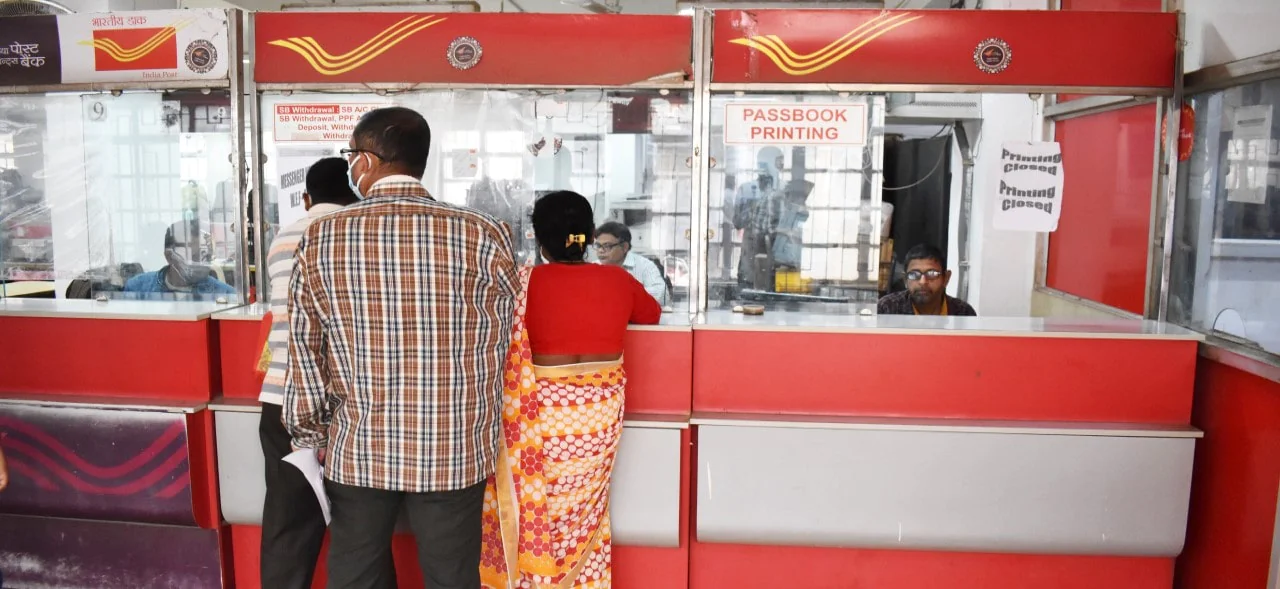
Importance of IPPB for Rural India
Rural India often faces difficulties in accessing banking services due to:
- Lack of nearby bank branches
- Poor transportation facilities
- Low financial literacy
- Limited digital infrastructure
IPPB addresses these challenges effectively.
Benefits for Rural Communities
Increased Savings
Easy access to banking encourages people to save money securely.
Reduced Dependence on Moneylenders
Many rural families depend on informal moneylenders who charge very high interest rates. IPPB helps people access formal financial services.
Better Access to Government Schemes
Government welfare benefits reach beneficiaries directly through bank accounts.
Digital Inclusion
People become familiar with digital banking and online transactions.
Major Benefits of IPPB
Expansion of Banking Services
IPPB has significantly expanded banking services in remote and underserved regions.
Financial Inclusion
Millions of previously unbanked individuals now have access to formal financial services.
Digital India Support
IPPB promotes digital payments and reduces dependence on cash transactions.
Better Delivery of Welfare Schemes
Government subsidies and welfare payments reach beneficiaries more efficiently.
Support for MSMEs
Small businesses and entrepreneurs benefit from easy financial services and payment facilities.
Employment Generation
IPPB has created employment opportunities for banking professionals and postal staff.
Trust and Credibility
The Indian postal system has served citizens for decades. This trust helps IPPB gain customer confidence quickly.
Challenges Faced by IPPB
Despite its achievements, IPPB faces several challenges.
1. Low Financial Literacy
Many rural citizens still have limited knowledge about banking and digital transactions.
2. Digital Literacy Gap
A large section of the population is unfamiliar with mobile banking and online payment systems.
3. Regulatory Restrictions
As a payment bank, IPPB cannot provide loans, which limits its revenue generation opportunities.
4. Service Charges
Charges on certain transactions may discourage some customers from using banking services regularly.
5. Competition
IPPB faces competition from:
- Commercial banks
- Private payment banks
- Digital wallets
- Fintech companies
6. Infrastructure Issues
Many rural areas continue to face:
- Internet connectivity problems
- Electricity shortages
- Network interruptions
These issues can affect banking operations.
7. Technology Adaptation
Continuous upgrades are needed to keep pace with rapidly changing digital banking technologies.
8. Human Resource Development
Postal employees require ongoing training to effectively deliver modern financial products and services.
Fincluvation Platform: A New Step Towards Innovation
To strengthen financial inclusion further, IPPB launched the Fincluvation platform.
The platform encourages collaboration between IPPB and fintech startups to create innovative solutions for underserved communities.
Objectives of Fincluvation
- Promote financial innovation
- Develop customer-centric solutions
- Improve digital banking accessibility
- Strengthen rural financial inclusion
- Support startup participation in financial services
This initiative reflects IPPB’s commitment to modernizing banking services while reaching the last mile.
Future of IPPB in India
The future of IPPB looks promising due to India’s increasing focus on digital banking and financial inclusion.
Several factors support its future growth:
- Rapid smartphone adoption
- Expansion of digital payment systems
- Government support for cashless transactions
- Growth of rural internet connectivity
- Increasing financial awareness
If IPPB continues improving infrastructure, customer awareness, technology adoption, and employee training, it can become one of the most influential financial institutions in India.
Steps Needed to Strengthen IPPB
To maximize its impact, several improvements can be considered:
- Increase financial literacy campaigns.
- Improve internet connectivity in rural areas.
- Expand digital banking awareness programs.
- Strengthen cybersecurity systems.
- Enhance training for postal employees.
- Increase customer support services.
- Promote greater adoption of cashless transactions.
- Encourage partnerships with fintech companies.
These measures can help IPPB become more efficient and sustainable in the long run.
FAQs on India Post Payments Bank (IPPB)
1. What is India Post Payments Bank (IPPB)?
IPPB is a government-owned payments bank launched in 2018 to provide affordable and accessible banking services through India’s postal network.
2. Who owns IPPB?
The Government of India owns 100% of the equity of India Post Payments Bank.
3. Is IPPB regulated by RBI?
Yes, IPPB operates under the regulations and supervision of the Reserve Bank of India (RBI).
4. Can IPPB provide loans?
No, IPPB is a payments bank and is not permitted to provide loans.
5. What is the main objective of IPPB?
Its primary objective is to promote financial inclusion and provide banking services to underserved and unbanked populations.
6. What is doorstep banking in IPPB?
Doorstep banking allows postal employees to provide banking services directly at customers’ homes.
7. How does IPPB support government welfare schemes?
IPPB facilitates Direct Benefit Transfer (DBT), ensuring subsidies and welfare benefits reach beneficiaries directly.
8. What is the Fincluvation Platform?
Fincluvation is an innovation platform launched by IPPB to collaborate with fintech startups and improve financial inclusion.