

Diwali 2026: History, Significance, Traditions, and Celebrations of the Festival of Lights

Diwali is one of the most popular festivals celebrated in India and many other parts of the world. Also known as Deepavali, it is called the Festival of Lights because people decorate their homes with traditional oil lamps, candles, and colourful lights. The festival represents the victory of light over darkness, good over evil, and knowledge over ignorance. It is an important religious occasion for Hindus, Jains, and Sikhs, with different stories and traditions associated with each community.
Diwali brings families and friends together to celebrate happiness, peace, prosperity, and new beginnings. People clean and decorate their homes, wear new clothes, prepare delicious sweets, exchange gifts, worship deities, and share happiness with others. The festival usually takes place in October or November, according to the Hindu lunar calendar.

What Is Diwali?
Diwali, also spelled Divali, comes from the Sanskrit word Deepavali, which means a row or series of lights. During the festival, people light small earthen lamps called diyas and place them around their homes, balconies, courtyards, temples, and doorways.
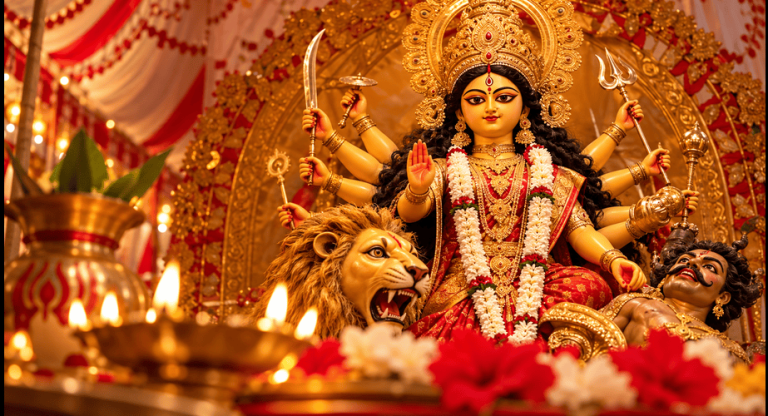
The lights are believed to welcome prosperity and positive energy while symbolising the removal of darkness from life. For many Hindu families, Diwali is associated with the worship of Goddess Lakshmi, who represents wealth, fortune, and prosperity. In several regions, people also worship Lord Ganesha for wisdom and success.
Although Diwali is widely known as a Hindu festival, it also holds special religious significance for Jains and Sikhs. Each community celebrates the occasion according to its own beliefs, history, and customs.
History and Origin of Diwali
The history of Diwali is connected with several ancient Indian traditions, religious texts, and regional stories. Over centuries, these traditions developed into the five-day festival celebrated today.
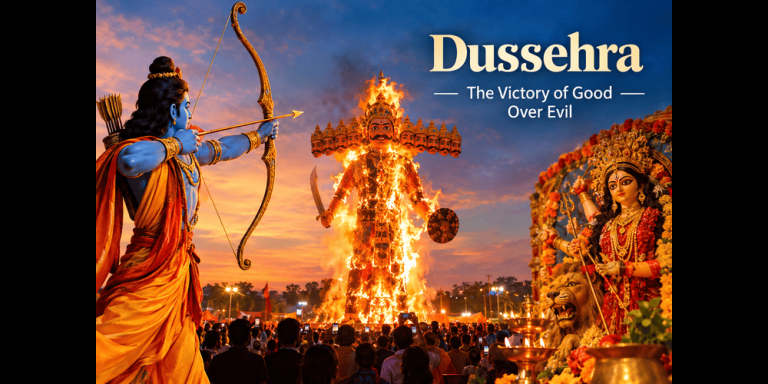
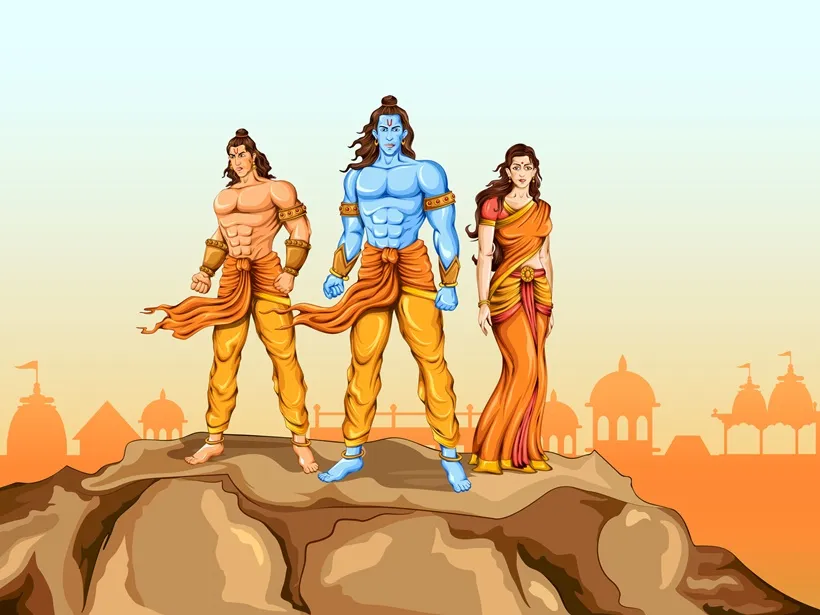
One of the most widely known stories comes from the Hindu epic Ramayana. According to this tradition, Lord Rama returned to Ayodhya with Goddess Sita and his brother Lakshmana after defeating Ravana, the king of Lanka. The people of Ayodhya welcomed them by lighting rows of lamps throughout the city. This event is remembered as a symbol of the victory of good over evil.
Another important story is associated with Lord Krishna. In many parts of India, especially in southern India, Diwali celebrations remember Krishna’s victory over the demon Narakasura. His defeat represents the destruction of evil and the restoration of peace.
Some traditions connect Diwali with Goddess Lakshmi and her blessings of wealth and good fortune. In eastern India, particularly in Bengal, many people worship Goddess Kali during the festival.
Historical references to lamp festivals can also be found in ancient Indian literature. These references show that celebrations involving lamps, worship, and seasonal traditions developed over a long period.
Because Diwali has different religious and regional origins, there is no single story that explains its significance for everyone. Instead, its meaning reflects a shared appreciation of hope, renewal, goodness, and spiritual light.
Why Is Diwali Celebrated?
Diwali is celebrated for religious, cultural, and social reasons. Its meaning can differ according to the community and region, but several common themes connect the celebrations.
Victory of good over evil: The return of Lord Rama after defeating Ravana is an important story associated with Diwali. It reminds people that truth, courage, and goodness are important values.
Light over darkness: The lighting of diyas symbolises hope, knowledge, and the removal of negativity. It encourages people to welcome positive changes into their lives.
Wealth and prosperity: Many Hindu families worship Goddess Lakshmi to seek blessings for financial stability, happiness, and success.
New beginnings: Diwali is an important time for families, businesses, and communities to begin new activities. In some regions, it marks the start of a new business or financial year.
Family and togetherness: The festival gives people an opportunity to visit relatives, share meals, exchange gifts, and strengthen relationships.
Five Days of Diwali and Their Significance
Diwali is traditionally celebrated over five days. The names, customs, and religious practices may vary across different parts of India.
| Day | Festival Name | Significance |
|---|---|---|
| First Day | Dhanteras | People clean their homes and purchase gold, silver, utensils, or other items considered auspicious. Goddess Lakshmi and Lord Dhanvantari are associated with this day. |
| Second Day | Naraka Chaturdashi or Choti Diwali | The day is associated with Lord Krishna’s victory over Narakasura and the destruction of evil. |
| Third Day | Lakshmi Puja | The main day of Diwali for many communities. Families worship Goddess Lakshmi, light diyas, exchange gifts, and celebrate together. |
| Fourth Day | Govardhan Puja or Annakut | Many devotees remember Lord Krishna lifting Govardhan Hill to protect people from heavy rain. Some communities observe this day as Bali Pratipada. |
| Fifth Day | Bhai Dooj | Sisters pray for the happiness and well-being of their brothers, and families celebrate the bond between siblings. |
The exact observances and names of these days can differ by region and religious tradition. Some communities also follow different festival calendars.
How Is Diwali Celebrated in India?
Diwali is celebrated with great enthusiasm throughout India. Although the main traditions are similar, each region has its own customs, foods, decorations, and religious practices.
Lighting Diyas and Decorating Homes
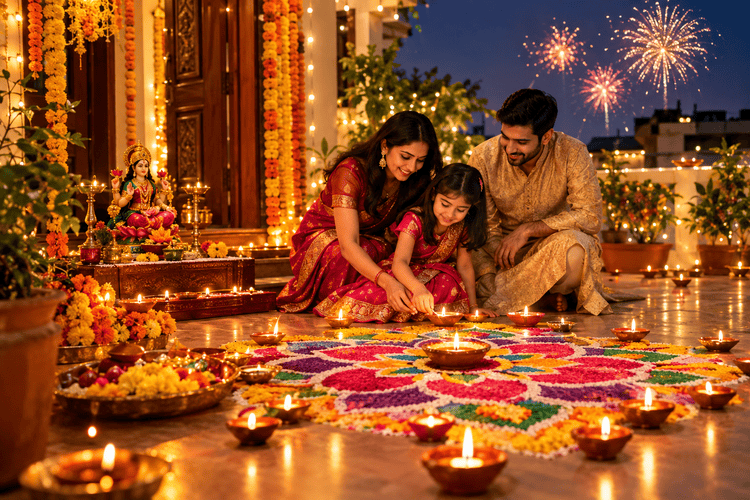
Lighting diyas is one of the most recognisable Diwali traditions. People place small oil lamps near doors, windows, balconies, and courtyards. Homes, shops, and public spaces are also decorated with colourful electric lights.
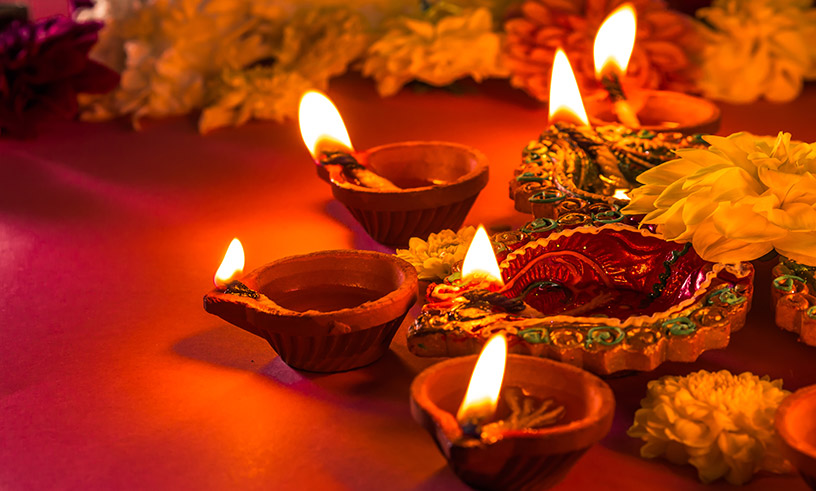
The glow of these lamps creates a festive atmosphere and represents hope, peace, and prosperity. Many families prepare their homes several days before the festival by cleaning, painting, and decorating different spaces.
Making Rangoli Designs
Rangoli is a traditional art form created on the floor, usually near the entrance of a home. People use coloured powders, rice, flower petals, or other materials to make beautiful patterns.
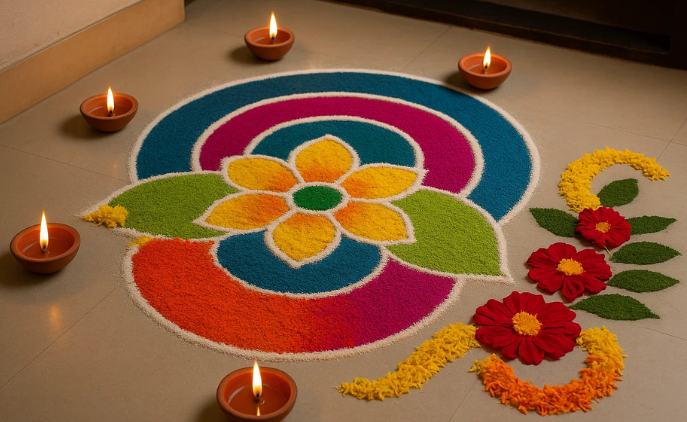
Common rangoli designs include flowers, geometric shapes, diyas, and religious symbols. In many households, rangoli is considered a way to welcome guests and good fortune.
Worshipping Goddess Lakshmi
Lakshmi Puja is one of the most important parts of Diwali for many Hindu families. People decorate their prayer rooms, prepare offerings, light lamps, and offer prayers to Goddess Lakshmi.
Lord Ganesha is also worshipped in many homes for wisdom and the removal of obstacles. Families pray for health, happiness, prosperity, and success in the coming year.
Exchanging Gifts and Sweets
Sharing sweets and gifts is another popular Diwali tradition. Families prepare or purchase sweets such as ladoo, barfi, gulab jamun, kaju katli, and other festive treats.
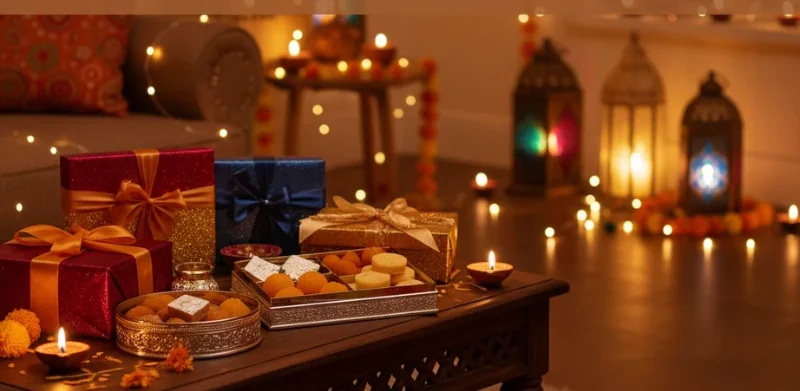
People visit relatives, meet friends, exchange gifts, and offer sweets to neighbours. These activities strengthen relationships and spread happiness throughout the community.
Wearing New Clothes
Many people wear new or traditional clothes during Diwali. Colourful sarees, kurtas, salwar suits, and other festive outfits are popular choices.
Families often take photographs, attend religious ceremonies, and enjoy meals together. For children, the festival can be especially exciting because of the decorations, sweets, gifts, and family gatherings.
Fireworks and Community Celebrations
Fireworks have traditionally been part of Diwali celebrations in many regions. However, firecrackers can cause air pollution, noise pollution, injuries, and health problems. Their use may also be restricted by local rules.
Many families now choose quieter celebrations with diyas, decorative lights, cultural programmes, and family activities. These alternatives help people enjoy the festival while reducing harm to others and the environment.
Diwali Celebrations in Different Regions
Diwali is celebrated differently across India, reflecting the country’s cultural and religious diversity.
Northern India: The festival is widely associated with Lord Rama’s return to Ayodhya. Homes and streets are decorated with lights, and families perform Lakshmi Puja.
Western India: Diwali is an important festival for many Gujarati and Maharashtrian communities. It includes Lakshmi Puja, festive meals, and business-related traditions. In Gujarat, the festival period is closely associated with the beginning of a new financial year for many businesses.
Eastern India: In West Bengal and some neighbouring regions, Kali Puja is a major part of the celebrations. Devotees worship Goddess Kali, decorate homes, and light lamps.
Southern India: Naraka Chaturdashi is especially significant in many communities. People may begin the day with an early morning oil bath, wear new clothes, prepare festive food, and celebrate Krishna’s victory over Narakasura.
Other parts of India: Local traditions, family customs, and religious practices influence the celebrations. Some communities focus on Govardhan Puja, while others emphasise prayers, family gatherings, or regional New Year traditions.
Religious Significance of Diwali Beyond Hinduism
Diwali is important not only to Hindus but also to Jains and Sikhs.
Diwali in Jainism
For Jains, Diwali commemorates the nirvana, or liberation, of Lord Mahavira, the 24th Tirthankara. According to Jain tradition, Mahavira attained liberation on this occasion.
The lighting of lamps is associated with remembering the spiritual light of his teachings. Jains may visit temples, offer prayers, study religious teachings, and reflect on non-violence, self-discipline, and spiritual progress.
Diwali in Sikhism
For Sikhs, Diwali is associated with Bandi Chhor Divas, which commemorates the release of Guru Hargobind from imprisonment at Gwalior Fort and his return to Amritsar.
The occasion is marked by prayers, gatherings at gurdwaras, and the illumination of religious sites. At the Golden Temple in Amritsar, the celebrations are known for their beautiful lights and festive atmosphere.
Although the historical and religious meanings differ, the occasion is important to many people who celebrate freedom, faith, and spiritual values.
Traditional Foods and Sweets of Diwali
Food plays an important role in Diwali celebrations. Families prepare a variety of sweet and savoury dishes to share with relatives, friends, and visitors.
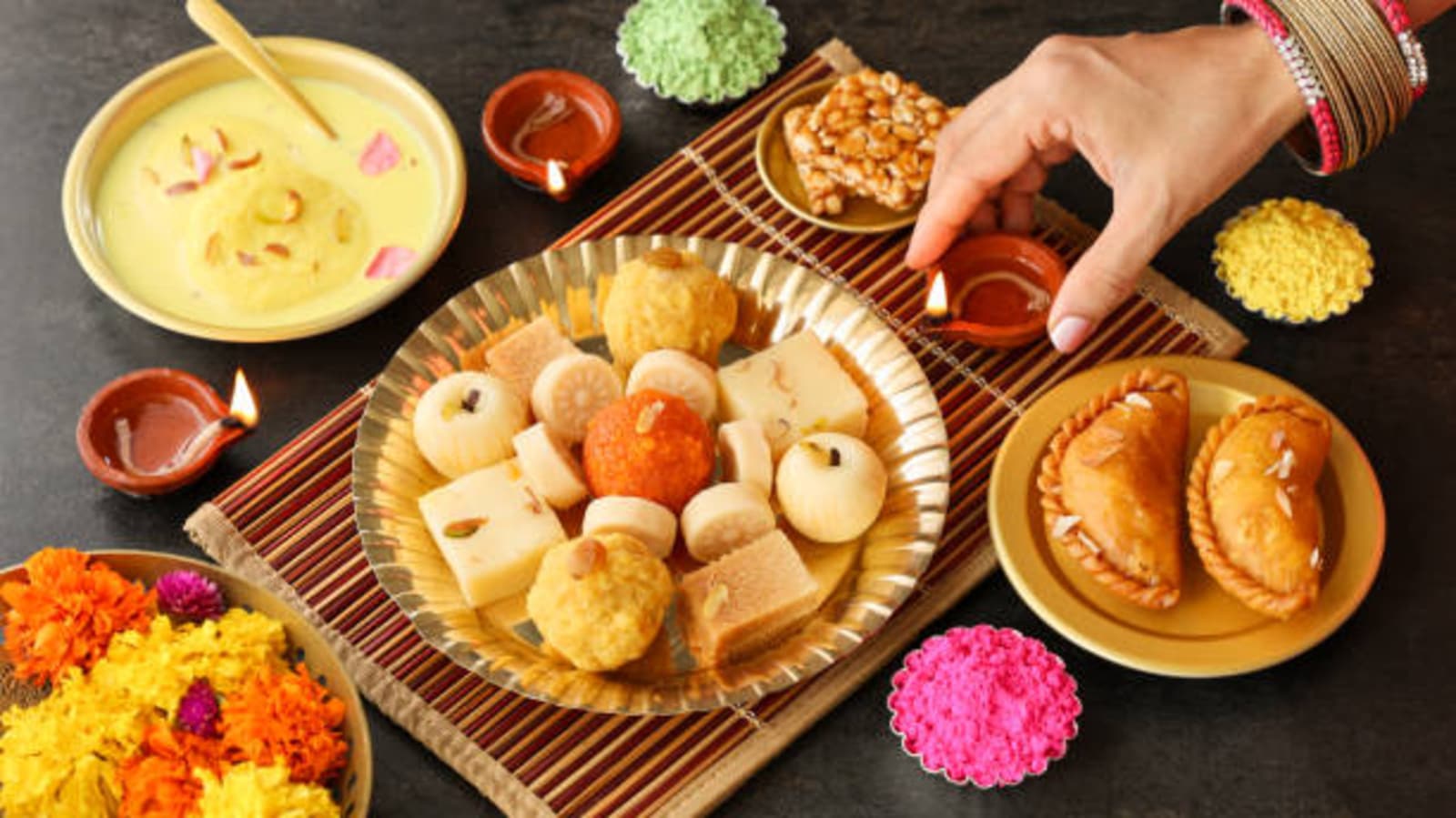
Popular Diwali foods include:
- Ladoo and barfi
- Gulab jamun and rasgulla
- Kaju katli and peda
- Chakli and namak pare
- Samosas and kachori
- Homemade sweets and regional festive dishes
The dishes vary according to local culture and family preferences. Some families prepare traditional recipes at home, while others purchase sweets from local shops.
Sharing food during Diwali represents hospitality, generosity, and the happiness of celebrating together.
Eco-Friendly Ways to Celebrate Diwali
Diwali can be celebrated in a joyful and responsible way by making choices that protect people and the environment.
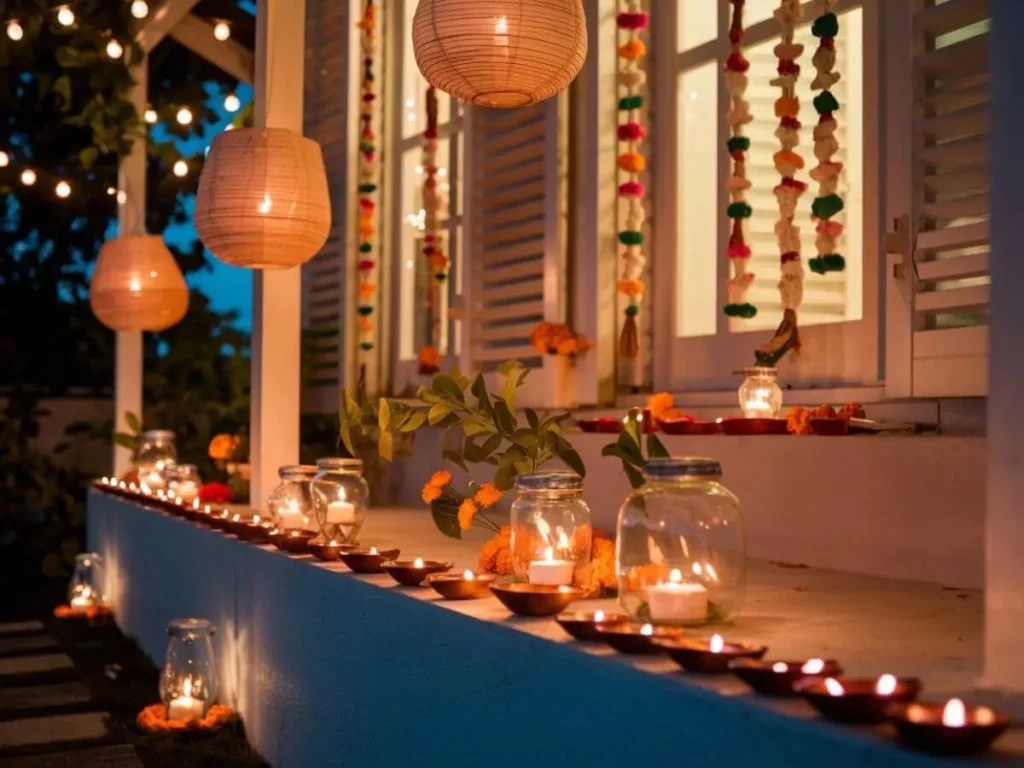
- Use traditional diyas or energy-efficient decorative lights.
- Avoid or reduce firecrackers to limit air and noise pollution.
- Choose reusable decorations instead of excessive plastic items.
- Make rangoli using natural colours, rice flour, or flower petals.
- Share homemade food and useful gifts with family and friends.
- Donate clothes, food, books, or other essentials to people in need.
- Keep streets and public places clean after celebrations.
- Follow local safety rules and keep lamps away from flammable materials.
These small steps can make the festival safer, cleaner, and more meaningful for everyone.
The Importance of Diwali in Modern Life
Diwali continues to hold an important place in modern Indian society. Although lifestyles have changed, the festival remains a time for family gatherings, cultural traditions, religious observances, and community celebrations.
For children, Diwali offers an opportunity to learn about Indian history, mythology, art, and cultural diversity. For adults, it can be a time to reflect on personal goals, strengthen relationships, and begin new activities.
The festival also supports many small businesses, including sweet shops, clothing stores, flower sellers, potters, and decoration makers. Buying locally made products can help support these workers and traditional crafts.
Beyond its decorations and celebrations, Diwali encourages people to practise kindness, generosity, patience, and gratitude. Its message of light over darkness remains meaningful across generations.
Frequently Asked Questions (FAQs)
What is Diwali?
Diwali is a major Indian festival known as the Festival of Lights. It symbolises the victory of light over darkness and good over evil. It is celebrated by Hindus, Jains, Sikhs, and some other communities.
Why is Diwali called the Festival of Lights?
Diwali is called the Festival of Lights because people illuminate their homes, temples, and streets with diyas, candles, and decorative lights. These lights symbolise hope, knowledge, and prosperity.
How many days is Diwali celebrated?
Diwali is traditionally celebrated over five days, beginning with Dhanteras and ending with Bhai Dooj. The specific observances may differ by region and community.
Which goddess is worshipped during Diwali?
Goddess Lakshmi, the Hindu goddess of wealth and prosperity, is worshipped by many families during Lakshmi Puja. Lord Ganesha is also commonly worshipped.
What is the story behind Diwali?
One popular story describes Lord Rama’s return to Ayodhya after defeating Ravana. Another tradition celebrates Lord Krishna’s victory over Narakasura. Different regions and religious communities observe Diwali for different reasons.
Is Diwali celebrated by Jains and Sikhs?
Yes. Jains commemorate Lord Mahavira’s nirvana, while Sikhs associate the occasion with Bandi Chhor Divas and Guru Hargobind’s release from imprisonment.
What are the five days of Diwali?
The five commonly observed days are Dhanteras, Naraka Chaturdashi or Choti Diwali, Lakshmi Puja, Govardhan Puja or Annakut, and Bhai Dooj.
How can we celebrate an eco-friendly Diwali?
People can celebrate an eco-friendly Diwali by using energy-efficient lights, choosing natural decorations, reducing firecracker use, avoiding plastic waste, and sharing food or essential items with people in need.
Diwali is much more than a festival of lamps and decorations. It is a celebration of faith, family, hope, and new beginnings. Through its many traditions, Diwali reminds people to welcome light into their lives, spread kindness, and work towards a happier and more peaceful future.