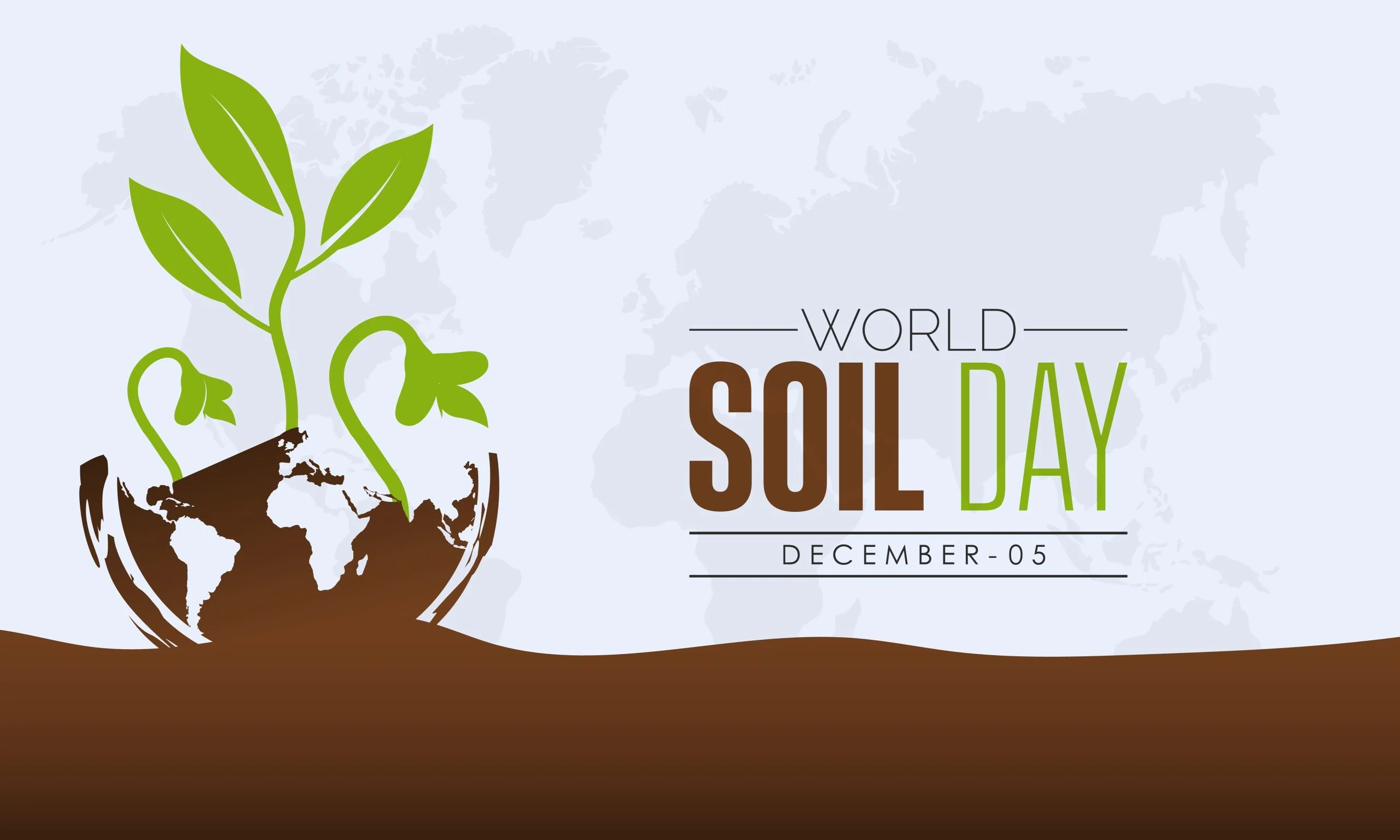
World Soil Day: Healing the Soil, Healing the Earth

World Soil Day is an important global day that reminds us about the health, importance, and protection of soil the thin, living layer of earth that supports all forms of life. Even though we walk on it every day, build our homes on it, plant our crops in it, and depend on it for food, clean water, and a stable climate, we often forget how delicate and precious soil truly is. Soil may look silent, dry, or lifeless, but it is actually one of the most complex and vibrant ecosystems on the planet. Every handful of soil contains billions of microorganisms, nutrients, minerals, and living organisms working together like a hidden city beneath our feet.
Thank you for reading this post, don't forget to subscribe!World Soil Day is observed every year on December 5, and it was established by the Food and Agriculture Organization (FAO) of the United Nations. The day is also connected to the memory of King Bhumibol Adulyadej of Thailand, who played a major role in promoting sustainable soil management. The aim of World Soil Day is to create awareness among people, governments, farmers, and communities that healthy soil is the foundation of a healthy life. Without fertile soil, food security becomes impossible, biodiversity declines, and climate change becomes harder to control.
Understanding Soil: More Than Just Dirt
Soil is not just dirt; it is a living body filled with air, water, minerals, organic matter, and countless organisms. Its formation takes thousands of years. Rocks break into small pieces due to wind, rain, temperature changes, and chemical reactions. Plants grow on this surface, animals live and die, microorganisms decompose organic matter, and slowly a rich layer of soil is formed. This slow process means that soil is a non-renewable resource in human time scales.
Healthy soil contains:
- Minerals, which give structure.
- Organic matter like dead plants and animals.
- Air, needed for organisms to survive.
- Water, which keeps nutrients flowing.
- Microorganisms, such as bacteria, fungi, and earthworms, which help in decomposition and nutrient cycling.
Soil is essential for growing crops, maintaining forests, and supporting wildlife habitats. Without soil, we would not have the food we eat, the clothes we wear (like cotton), or many medicines we depend on. Soil also stores carbon, filters water, and prevents floods.
Why World Soil Day Matters
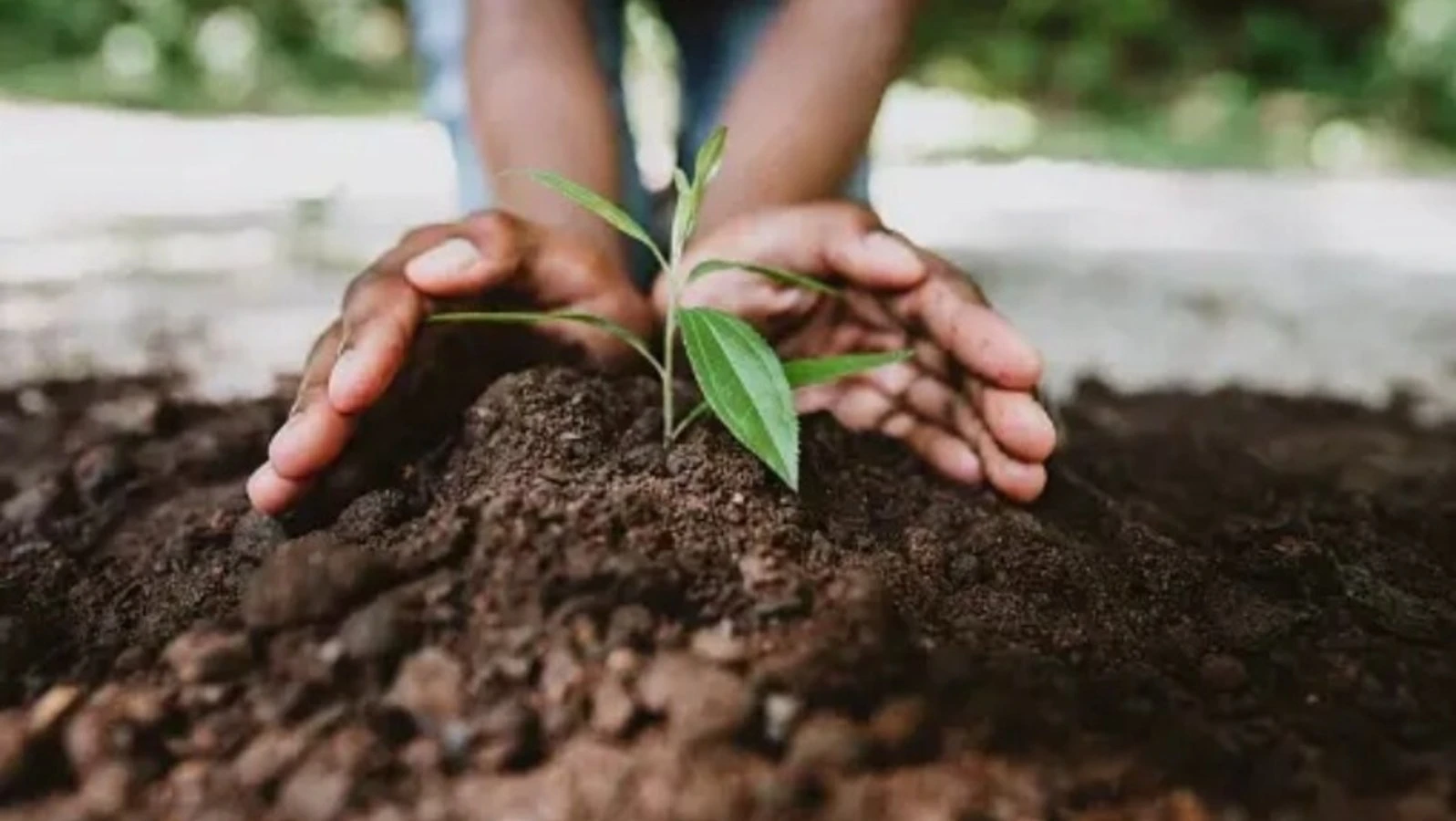
World Soil Day matters because soil degradation has become a global crisis. Around 33% of the world’s soil is already damaged, according to the FAO. If soil continues to degrade at this speed, food production will be severely affected, hunger will increase, and climate change will become more severe.
Soil degradation happens when soil loses its fertility, structure, and biological health. This can be caused by erosion, pollution, deforestation, over-farming, chemicals, and climate change. When soil becomes degraded, plant growth decreases, forests shrink, and ecosystems break down.
World Soil Day tries to solve this by bringing people together, teaching sustainable farming, encouraging governments to take action, and reminding everyone that protecting soil is equal to protecting life.
The Theme of World Soil Day
Every year, World Soil Day comes with a theme that targets a specific global soil problem. Themes like soil erosion, soil salinity, soil biodiversity, and soil pollution help people focus on one important issue at a time. These themes guide events, campaigns, policies, and awareness programs around the world.
The themes also help farmers learn modern methods, help students understand environmental challenges, and help governments design better soil protection laws.
The Importance of Soil for Human Life
Soil plays a central role in human life, directly and indirectly. Its importance can be understood through different angles:
1. Soil and Food Security
Almost 95% of our food comes from the soil. Healthy soil grows healthy crops. If the soil becomes weak, food production decreases. Soil provides nutrients like nitrogen, phosphorus, potassium, calcium, and magnesium. Without these nutrients, crops cannot grow properly.
2. Soil and Water
Soil acts like a natural filter. It cleans rainwater as it passes through different layers. This filtered water becomes groundwater, which we use for drinking. Without healthy soil, water becomes polluted and unsafe.
3. Soil and Climate Change
Soil stores a large amount of carbon. In fact, soil stores more carbon than the atmosphere and forests combined. When soil is damaged, this carbon is released into the air, increasing global warming. Healthy soil can trap carbon and help reduce climate change.
4. Soil and Biodiversity
Millions of species live in the soil earthworms, insects, fungi, bacteria, microorganisms, and roots of plants. These organisms help break down organic matter, fix nitrogen, and cycle nutrients. Without them, soil would lose fertility and plants would die.
5. Soil and Human Culture
Since ancient times, soil has shaped human civilization. The earliest settlements developed in fertile river valleys because the soil supported farming. Even today, soil determines agricultural patterns, rural livelihoods, and economic development.
Threats to Soil Health
Soil faces many dangers, and human activities are the main cause. The major threats include:
1. Soil Erosion
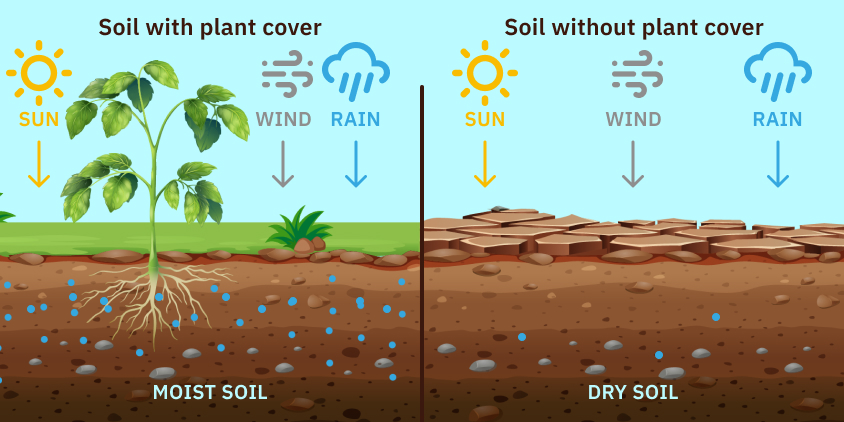
Erosion occurs when wind or water removes the top layer of soil. This layer contains most nutrients. Once it is gone, soil becomes poor. Deforestation, construction, and improper farming worsen erosion.
2. Soil Pollution
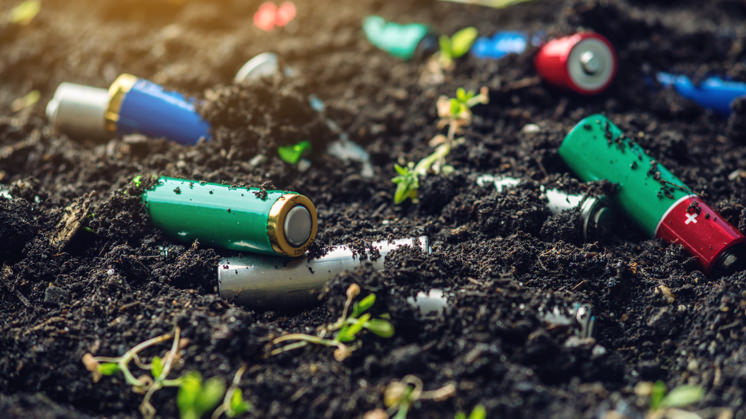
Chemicals from factories, pesticides, fertilizers, and waste seep into the soil, making it toxic. Polluted soil can poison crops and harm human health.
3. Soil Salinity
Excess salt in the soil makes it difficult for plants to absorb water. This problem is increasing in coastal areas and places with poor irrigation practices.
4. Deforestation
Cutting trees exposes soil to wind and rain. Tree roots protect soil. Without them, soil loses structure and fertility.
5. Overgrazing
Too many cattle eating the same land destroys grasses, making soil loose and prone to erosion.
6. Overuse of Chemicals
Chemical fertilizers and pesticides kill beneficial organisms in the soil. They give short-term growth but cause long-term damage.
7. Climate Change
Rising temperatures and irregular rainfall patterns disturb soil moisture, making soil dry or waterlogged.
All these threats combined are pushing soil to a dangerous point. If we do not take action now, future generations will face severe food shortages.
Traditional Soil Knowledge in India
India has a long history of respecting soil. Ancient farming practices were based on natural methods, soil-friendly techniques, and local knowledge. Some of these traditional practices include:
- Organic farming using cow dung, compost, and green manure.
- Mixed cropping to maintain soil balance.
- Crop rotation, where farmers plant different crops each season.
- Agroforestry, where trees and crops grow together.
- Using terraces in hilly areas to prevent erosion.
- Using traditional irrigation systems to avoid waterlogging.
Indigenous communities in Assam, Northeast India, Rajasthan, and tribal belts across the country have preserved many soil-conserving farming methods. Their respect for land is rooted in culture. Festivals, rituals, and farming traditions all carry messages about protecting soil and nature.
Soil Conservation Methods
To protect soil, we must follow sustainable practices. These methods are used worldwide:
1. Organic Farming
Avoiding chemicals and improving soil health through natural inputs.
2. Crop Rotation
Growing different crops to maintain soil nutrients.
3. Mulching
Using dry leaves or straw to protect soil moisture.
4. Cover Cropping
Planting crops that cover the soil and prevent erosion.
5. Afforestation
Growing more trees to protect land.
6. Conservation Tillage
Minimizing soil disturbance to protect microorganisms.
7. Rainwater Harvesting
Collecting rainwater to prevent soil erosion and improve soil moisture.
8. Contour Farming
Plowing across slopes to reduce water runoff.
9. Using Compost
Adding decomposed organic matter to increase soil fertility.
By adopting these methods, farmers can restore soil health and increase crop productivity.
Global Efforts to Save Soil
Many global organizations are working to protect and restore soil. Some major efforts include:
- FAO’s Global Soil Partnership (GSP), which coordinates sustainable soil management worldwide.
- UN Sustainable Development Goals, especially SDG 2 (Zero Hunger), SDG 13 (Climate Action), and SDG 15 (Life on Land), all of which focus on soil health.
- World Soil Charter, guiding countries on how to use soil responsibly.
- Soil Atlas Projects, which publish soil data and research.
Countries are adopting policies on organic farming, groundwater management, land restoration, and pollution control. Schools and universities are adding soil education. Governments are encouraging farmers to adopt sustainable farming methods through subsidies and training programs.
Why Farmers Are the Key to Soil Protection
Farmers interact with soil every single day. They understand it better than anyone. Their decisions what to plant, how to plow, how much fertilizer to use directly affect soil health. If farmers are supported with knowledge, modern techniques, and financial help, they can play the biggest role in soil conservation.
World Soil Day encourages governments to support farmers with:
- Soil testing services
- Organic fertilizer subsidies
- Training on sustainable farming
- Assistance for water management
- Access to modern tools
- Encouragement for natural farming
A strong farmer means strong soil, and strong soil means strong food security.
World Soil Day Celebrations Around the World
World Soil Day is celebrated across schools, colleges, agricultural universities, research institutions, NGOs, and government offices. The celebrations include:
- Awareness rallies
- School competitions
- Tree plantation drives
- Farmer training workshops
- Soil sample testing
- Art and essay competitions
- Seminars with scientists
- Exhibitions on soil conservation
- Field demonstrations for farmers
These activities help young people understand the importance of soil. They also encourage community participation in conservation efforts.
World Soil Day and Its Message for the Future
World Soil Day sends a powerful message: If we save the soil today, the soil will save us tomorrow. The future of food, water, climate, and biodiversity depends on healthy soil. If we continue destroying soil, no technology or money can bring it back quickly, because soil takes centuries to form.
Protecting soil should be a shared responsibility of governments, farmers, scientists, students, and every citizen. Even simple actions planting a tree, avoiding plastic, reducing chemicals, composting kitchen waste can help soil recover.
The future generations deserve fertile land, clean water, and stable climate. If we fail to protect soil, we fail to protect life itself.
A Call to Action
World Soil Day is a reminder that the ground below our feet is not just soil it is life. It feeds us, shelters us, and protects us. But soil cannot speak for itself. It needs humans to be its voice. This day calls us to be responsible, aware, and active. It urges everyone to respect soil, use it wisely, and restore it before it is too late.
The world today is focusing on digital technology, artificial intelligence, and modern industries. But when it comes to survival, the basics remain the same. We still depend on soil for food, and food is the foundation of every civilization. If we fail to conserve soil, all progress becomes meaningless.
Through education, sustainable farming, traditional knowledge, and global cooperation, humanity can restore soil health. World Soil Day encourages us to move toward a future where soil is respected, protected, and nurtured.
FAQs for World Soil Day Blog
1. What is World Soil Day?
World Soil Day is a global observance held on December 5 to raise awareness about soil health, soil conservation, and sustainable land practices.
2. Why do we celebrate World Soil Day?
It is celebrated to remind people that healthy soil is essential for food security, clean water, biodiversity, and fighting climate change.
3. Who started World Soil Day?
The Food and Agriculture Organization (FAO) of the United Nations established it, inspired by the efforts of King Bhumibol Adulyadej of Thailand.
4. What is the theme of World Soil Day?
Each year has a special theme focusing on issues like soil erosion, soil salinity, soil biodiversity, and soil pollution. The themes help promote global awareness and action.
5. Why is soil important?
Soil supports plant growth, provides food, filters water, stores carbon, and maintains biodiversity. Without healthy soil, human survival becomes difficult.
6. What are the main threats to soil?
Soil degradation is caused by erosion, pollution, deforestation, chemical overuse, salinity, overgrazing, and climate change.
7. How can we protect soil?
Using organic farming, crop rotation, mulching, rainwater harvesting, afforestation, reducing chemical use, and composting helps restore soil health.
8. How can students participate in World Soil Day?
Students can join awareness campaigns, plant trees, participate in soil testing programs, attend seminars, and create posters or essays on soil conservation.
9. What role do farmers play in soil conservation?
Farmers are key protectors of soil. Their farming methods like using organic inputs, maintaining ground cover, and reducing chemicals directly influence soil quality.
10. Can damaged soil be restored?
Yes, degraded soil can be restored through sustainable farming, reforestation, organic matter addition, and proper land management, though it takes time.