National Pollution Control Day: Understanding the Need for Cleaner Air, Water, and Soil

India observes National Pollution Control Day every year on December 2. This day is a reminder of how important it is to control pollution and protect the environment for future generations. It also marks the tragic memory of the Bhopal Gas Tragedy of 1984, one of the world’s worst industrial disasters.
Thank you for reading this post, don't forget to subscribe!Origin and Significance of the Day
National Pollution Control Day is closely connected with one of the most painful industrial disasters in human history the Bhopal Gas Leak. On the night of 2 December 1984, a toxic gas called Methyl Isocyanate (MIC) leaked from the Union Carbide pesticide plant in Bhopal. Thousands of people lost their lives, and lakhs were injured. Many survivors and their families continue to face health issues even today. The tragedy exposed how dangerous irresponsible industrial practices can be and how essential strict environmental monitoring is.
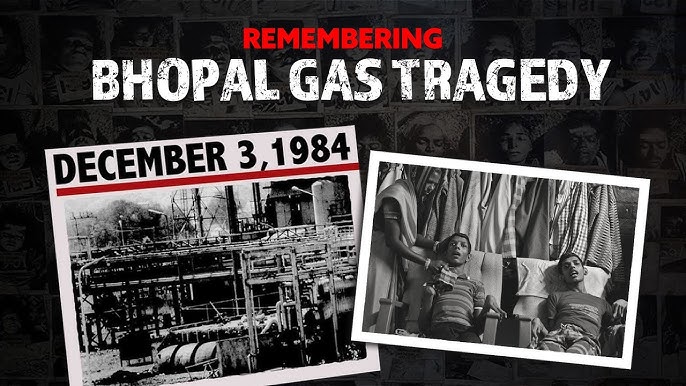
The day was chosen as a reminder of this massive loss. It tells us that safety cannot be taken lightly. Every industry must follow rules, every government must ensure proper checks, and every citizen must be aware of potential environmental hazards. Over the years, the day has evolved into a national campaign that focuses not only on industrial safety but also on the growing problem of environmental pollution across the country.
Understanding Pollution in Today’s World
When people hear the word “pollution,” many think only of smoke or waste. But pollution today is far more complex. It affects the air, water, soil, and even the quietness of our surroundings. All these types of pollution are linked with each other. When factories release poisonous smoke, the air becomes harmful. When untreated waste enters rivers, the water becomes unfit to drink. When chemicals mix with farmland, the soil loses its fertility. And when cities grow crowded and noisy, stress levels rise.
India is one of the fastest-growing countries in the world, and growth always comes with challenges. As cities expand and industries flourish, pollution also increases. Vehicles contribute to smoke, construction activities add dust, rivers suffer from untreated sewage, and plastic waste piles up in landfills. Because of all these issues, days like National Pollution Control Day become even more meaningful. They help remind us that development must be balanced with environmental protection.
Air: The Most Visible Form of Environmental Damage
Air contamination is the most talked-about form of pollution in India because it directly affects breathing. Cities such as Delhi, Mumbai, Kolkata, and many others often report high pollution levels during winter. Smog covers the sky, visibility reduces, and many people experience breathing difficulties. Children and elderly citizens suffer the most because their bodies are more sensitive.
Air pollution does not come from one source alone. Vehicle emissions, crop burning, industrial smoke, construction dust, and even household activities like burning waste contribute to it. When many such things happen together, the air becomes thick with harmful particles. Long-term exposure can lead to asthma, lung infections, heart disease, and many other health-related problems.
National Pollution Control Day is an opportunity to raise awareness about cleaner fuels, better public transportation, and reduced dependence on activities that generate smoke. It reminds people that the air we breathe is the foundation of life, and once it becomes toxic, everything else gets affected.
Water: The Lifeline That Needs Protection
Water contamination is another major concern in India. Rivers such as the Ganga, Yamuna, Brahmaputra, and many others are not just sources of drinking water but also hold cultural, economic, and ecological importance. Yet many river stretches face contamination because of chemical discharge, industrial waste, and untreated sewage.
When water becomes polluted, the harm spreads beyond humans. Aquatic life suffers, fish die, and ecosystems break down. Many rural communities depend on rivers and ponds for their daily needs. When the water becomes unsafe, diseases spread quickly. Cholera, diarrhea, and skin infections are common in areas with polluted water bodies.
National Pollution Control Day helps spread the message that water conservation must include water safety. Cleaning rivers, building sewage treatment systems, reducing chemical waste, and managing plastic pollution are essential steps. The day motivates communities and governments to work together for cleaner and safer water resources.
Soil: The Foundation of Agriculture and Food Security
Soil contamination often gets less attention than air and water, but it is equally damaging. Soil pollution happens when chemical fertilizers, pesticides, plastic waste, and industrial discharge settle on the ground. Over time, the soil loses nutrients and becomes less productive. This directly affects farmers and the entire agricultural economy.
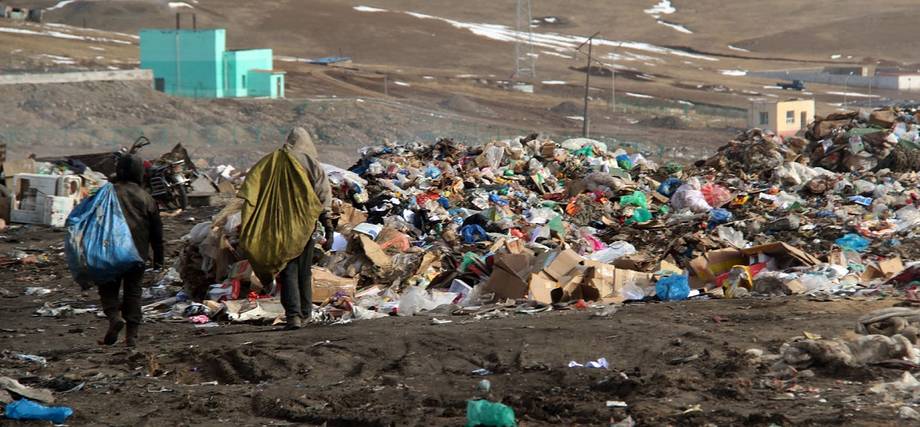
In many urban areas, landfills spread endlessly, and harmful materials seep into the soil. This creates long-term environmental damage. National Pollution Control Day brings these issues to the spotlight. It helps people understand that soil conservation is not just about farming it’s also about protecting food security for future generations.
Healthy soil grows healthy crops, supports biodiversity, and maintains ecological balance. Once it becomes toxic, the damage can take years or decades to reverse. This is why soil health is a crucial part of environmental protection.
The Role of Industries and the Need for Responsibility
Industries play an important role in the economic development of any country. However, development must never come at the cost of safety. The Bhopal tragedy is the biggest example of how one mistake, one ignored rule, or one faulty system can cause unimaginable loss.
Today many industries follow safety rules strictly, but problems still remain. Unauthorized factories operate in many areas, wastewater systems are not always functional, and some industries still discharge harmful chemicals into the environment. This is why environmental monitoring is essential.
National Pollution Control Day sends a strong message that industries must operate responsibly. They must follow guidelines, maintain machinery properly, avoid shortcuts, and ensure that workers are protected. The day also highlights the need for better coordination between industries and pollution control boards so that harmful incidents do not happen again.
Government Efforts for Pollution Control in India
The Indian government has taken many steps to reduce pollution and protect the environment. Some important initiatives include:
1. Pollution Control Boards
Both Central and State Pollution Control Boards monitor:
- Air quality
- Water pollution
- Industrial emissions
- Waste management
They also create guidelines for industries.
2. Clean Air Programme
The National Clean Air Programme (NCAP) aims to reduce air pollution in major cities by improving monitoring systems and promoting cleaner technologies.
3. Swachh Bharat Mission
This mission focuses on:
- Clean streets
- Waste management
- Toilets and sanitation
- Reducing open waste dumping
It has brought major improvements nationwide.
4. Plastic Ban Rules
Many single-use plastic items have been banned, and alternatives like cloth bags are encouraged.
5. Vehicle Emission Standards
India has introduced stricter emission rules for vehicles (BS-VI standards) to reduce harmful gases.
6. Ganga and Yamuna Cleaning Projects
Large river cleaning programs aim to reduce industrial discharge and improve sewage treatment.
7. Renewable Energy Promotion
India is increasing the use of:
- Solar energy
- Wind energy
- Hydropower
This helps reduce dependence on coal.
Rising Awareness Among the Youth
One of the most positive changes over the years is the increasing involvement of young people in environmental conservation. Students, volunteers, and eco-clubs often organize rallies, plantation drives, cleanliness campaigns, and awareness workshops on National Pollution Control Day. They use social media platforms to spread information and encourage others to take meaningful action.
Youth involvement gives hope because the future belongs to them. As more young people learn about pollution and climate change, they become motivated to build a cleaner and safer world. Their energy, creativity, and determination can bring real change.
Pollution and Climate Change: A Link We Cannot Ignore

Climate change is one of the biggest challenges of the 21st century, and pollution plays a major role in worsening it. When greenhouse gases like carbon dioxide and methane fill the atmosphere, the planet gradually warms up. This leads to extreme weather, melting ice caps, rising sea levels, and disturbances in natural cycles.
National Pollution Control Day helps people understand this connection. It reminds us that reducing pollution is not only about cleaner air and water it is also about protecting the planet’s climate. Using cleaner energy sources, adopting sustainable practices, planting more trees, and reducing waste are simple actions that help slow down climate change.
How Everyday Behaviour Influences the Environment
Environmental protection is not the responsibility of the government alone. Every individual contributes to the environment through their daily habits. Using plastic bags, burning waste, wasting water, throwing garbage anywhere, and using vehicles unnecessarily all add up to create larger environmental problems.
National Pollution Control Day encourages people to adopt small but meaningful changes. Carrying cloth bags, using public transport, reducing waste, conserving water, and recycling materials can make a huge difference. When millions of people participate, the impact becomes powerful.
Impact of Technology on Pollution Control
New technologies are helping fight pollution:
- Air purifiers
- Electric vehicles
- Solar panels
- Waste-to-energy plants
- Biodegradable materials
- Smart pollution sensors
- Water treatment machines
These innovations make pollution control easier and more effective.
Activities Observed on National Pollution Control Day
Across India, many activities take place:
- School competitions
- Tree plantation drives
- Awareness rallies
- Cleanliness campaigns
- Industrial safety seminars
- Debates and discussions
- Waste management workshops
- Pollution monitoring demonstrations
These activities help create practical understanding and encourage participation.
Global Pollution Challenges and India’s Stand
Pollution is not limited to one country. It is a global problem. Climate change, rising temperatures, polar glacier melting, and desertification affect all nations. India is among the countries leading discussions on sustainable development and long-term climate action.
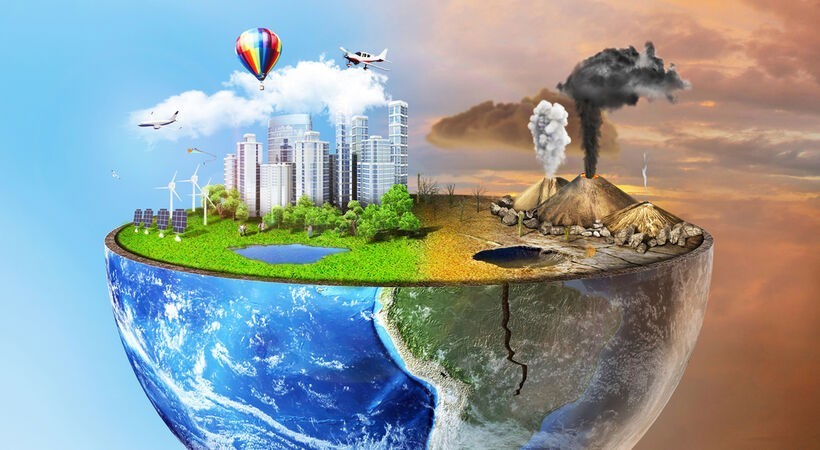
The world needs strong international cooperation to reduce pollution globally.
A Day of Reflection and A Chance for Better Future
The true purpose of National Pollution Control Day is not limited to one day of discussions or events. It is a reminder a reminder of what can happen when safety is ignored and environmental rules are not followed. It is also a reminder that the future depends on the choices we make today.
Every year, when this day comes, people look back at the Bhopal tragedy with sadness and respect. But they also look forward, hoping that such a disaster will never happen again. The day inspires citizens, industries, governments, and environmental organizations to work together. It asks everyone to take responsibility, learn from mistakes, and ensure that development and safety move hand in hand.
National Pollution Control Day is both a memorial and a movement. It remembers the lives lost in 1984 and motivates society to protect the environment for generations to come. It teaches that pollution control is not only scientific or legal it is moral, emotional, and humanitarian. Protecting nature means protecting ourselves.
Frequently Asked Questions (FAQs)
1. What is National Pollution Control Day?
National Pollution Control Day is observed on 2 December every year in India to raise awareness about the dangers of pollution and to remember the lives lost in the 1984 Bhopal Gas Tragedy. It encourages people and industries to follow environmental safety rules.
2. Why is National Pollution Control Day important?
This day is important because it reminds the country about the harmful effects of pollution on health and the environment. It also encourages better safety practices in industries so that disasters like the Bhopal gas leak never happen again.
3. What happened in the Bhopal Gas Tragedy?
On the night of 2 December 1984, a toxic gas called Methyl Isocyanate leaked from the Union Carbide factory in Bhopal. Thousands of people died, many were injured, and the effects are still seen today. This tragic event led to stronger pollution control laws in India.
4. How does pollution affect our daily life?
Pollution affects the air we breathe, the water we drink, and the soil that grows our food. It can cause breathing problems, heart diseases, skin issues, waterborne diseases, and can also harm plants and animals.
5. What steps can individuals take to reduce pollution?
Simple actions like using public transport, saving water, avoiding plastic, planting trees, recycling waste, and not burning garbage can reduce pollution. When more people follow these habits, the environment becomes healthier.
6. What role do industries play in pollution control?
Industries must follow environmental regulations, treat their waste properly, avoid harmful emissions, and maintain safe equipment. They should prioritize employee safety and ensure that no harmful chemicals are released into the environment.
7. What is the connection between pollution and climate change?
Many kinds of pollution release greenhouse gases, which trap heat in the atmosphere and cause global warming. This leads to climate change, resulting in extreme weather, melting ice, and rising sea levels.
8. Who organizes activities on National Pollution Control Day?
Schools, colleges, pollution control boards, environmental groups, government departments, and community organizations often conduct awareness drives, seminars, cleanliness campaigns, and tree plantation activities on this day.
9. What laws help control pollution in India?
Important laws include the Air (Prevention and Control of Pollution) Act, Water Act, Environment Protection Act, and various rules under the National Green Tribunal. These laws help monitor industries and protect natural resources.
10. How can students contribute to pollution control?
Students can spread awareness, participate in eco-clubs, reduce waste, save electricity, discourage plastic use, and join activities related to plantation and cleanliness. Their involvement inspires others and builds a strong environmental culture.