QS World University Rankings 2026: India Strengthens Its Global Academic Footprint

QS World University Rankings 2026 has brought encouraging news for India, showcasing the country’s growing prominence in global higher education. With several institutions recording improved standings this year, the rankings highlight India’s expanding influence in research, innovation, and academic excellence. As higher education becomes more competitive and internationally connected, India’s performance in the 2026 edition signals a significant shift toward global recognition.
Thank you for reading this post, don't forget to subscribe!India has recorded strong gains in the QS World University Rankings 2026, with several institutions improving their global standing
India’s representation in the 2026 rankings reflects a combination of rising research output, strengthened academic collaborations, and improved employer reputation. The performance of leading engineering and research-focused institutions once again places India among the world’s notable contributors to STEM education and scientific development.
A standout highlight this year is the widened presence of Indian universities across disciplines and regions. From long-established public institutions to emerging private universities, the 2026 rankings present a more diverse and competitive Indian higher education landscape than ever before.
Top Performers in India
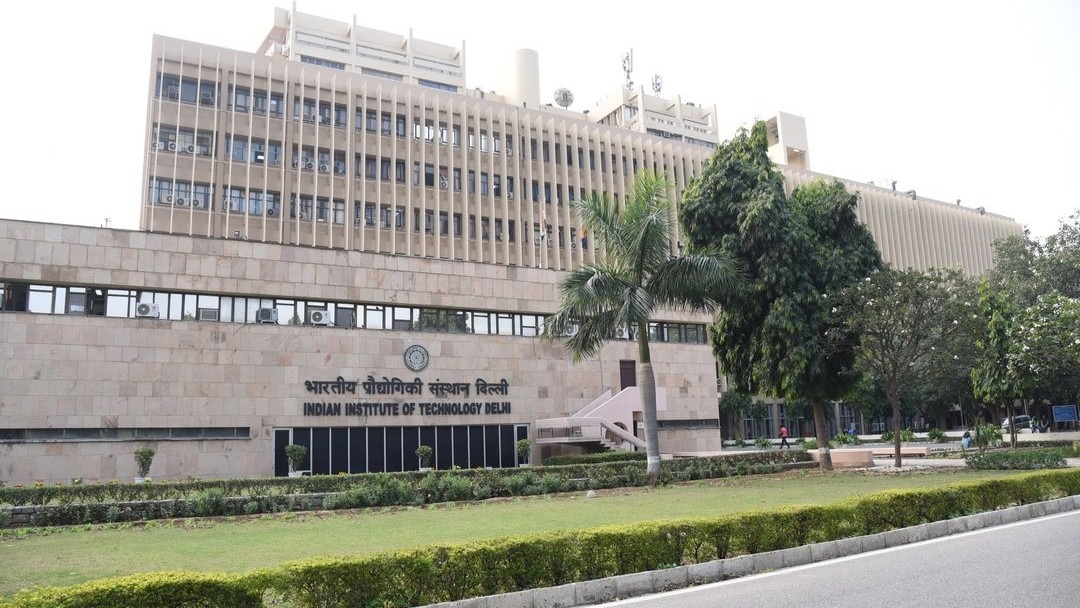
Among India’s top performers in the QS World University Rankings 2026, IIT Delhi leads the nation with an impressive global rank of 123 and an overall score of 65.5. This achievement underscores the institute’s excellence in research productivity, academic reputation, and employer-driven outcomes. IIT Delhi’s continued rise reflects its focus on innovation, increased international collaborations, and strong industry integration.
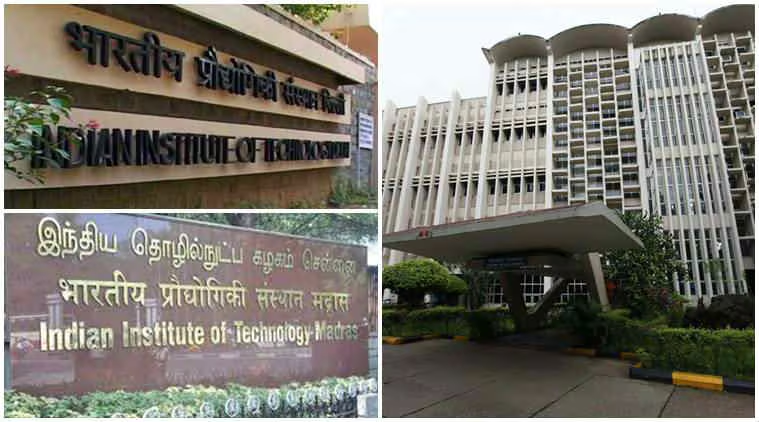
Following closely, IIT Bombay has secured a global rank of 129, showcasing stability in its academic standards, research output, and alumni success. Known for its strong engineering programs, IIT Bombay remains one of India’s most globally recognized institutions.
IIT Madras, ranked 180, rounds out the top three Indian institutions in the 2026 list. With its robust research ecosystem, advanced laboratories, and international partnerships, IIT Madras continues to be a central hub for science and technology education in Asia.
These performances demonstrate the enduring strength of India’s premier technical institutions and reflect their ongoing pursuit of excellence in research, teaching, and innovation.
National Ranking Highlights
The 2026 rankings also highlight the broader ecosystem of Indian universities gaining visibility on the global stage. Institutions such as IIT Kharagpur, IIT Kanpur, IISc Bengaluru, University of Delhi, and IIT Guwahati continue to maintain strong placements, reaffirming their academic credibility.
Beyond the top-tier IITs and research institutes, several other universities have showcased consistent and competitive performances. Anna University, Shoolini University, Jawaharlal Nehru University (JNU), IIT BHU, and Savitribai Phule Pune University stand out for their contributions to research-intensive education, interdisciplinary studies, and academic outreach.
These rankings reveal a balance between historic public institutions and dynamic private universities that are steadily strengthening their global footprints. This diversity demonstrates the evolution of India’s higher education into a more inclusive and varied system capable of competing internationally.
India’s Broader Presence in Global Rankings
One of the most notable aspects of the QS World University Rankings 2026 is India’s expanding presence across the spectrum of global higher education. Few countries have shown such rapid growth in the number and performance of institutions featured in major international ranking frameworks.
Universities from across India including IIT Hyderabad, University of Mumbai, BITS Pilani, Jadavpur University, VIT Vellore, and Symbiosis International have secured places in the 2026 edition. This wide representation indicates that excellence is no longer concentrated only in the premier institutes but is spreading across regions and institutional categories.
Globally, the rankings catalogued over 1,500 top universities, with nearly 500 institutions improving their performance compared to last year. This makes India’s upward trajectory even more noteworthy as competition intensifies across continents.
Growing Global Recognition for Indian Universities
Indian universities continue to gain global recognition through stronger research outputs, increased participation in international conferences, and deeper academic collaborations. Enhanced visibility in global networks, improved quality of publications, and a rising pool of skilled graduates have allowed many Indian institutions to leap ahead.
The increasing spread of high-ranking institutions across states highlights the strengthening of India’s overall academic ecosystem. This diversification is crucial for building a robust national education framework capable of contributing meaningfully to global knowledge creation.
As international ranking systems evolve and incorporate broader metrics including sustainability, employability, faculty diversity, and internationalization Indian universities are better positioned to showcase their strengths. The QS World University Rankings 2026 highlights not only India’s progress but also the potential for continued growth in the coming years.