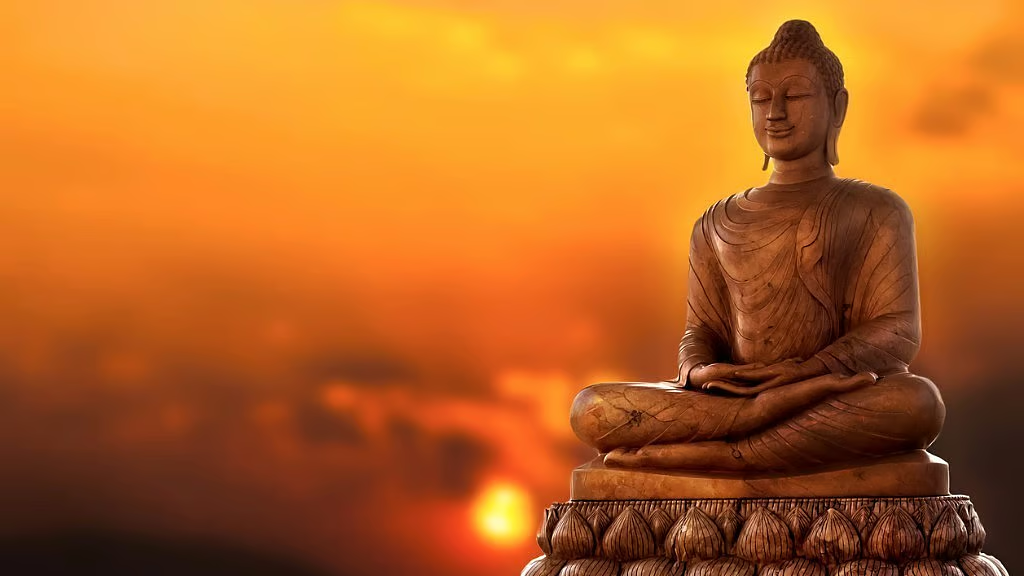
Buddha Purnima: The Festival of Peace, Enlightenment, and Compassion

Buddha Purnima is one of the most important and sacred festivals in the world, especially for followers of Buddhism. This holy day celebrates the birth, enlightenment, and death (Mahaparinirvana) of Gautama Buddha. It is a day filled with peace, prayers, and reflection. People remember the teachings of Buddha and try to follow the path of truth, kindness, and non-violence.
Thank you for reading this post, don't forget to subscribe!In India, especially in states like Assam, Buddha Purnima is celebrated with great devotion. One of the communities that celebrate it in a unique way is the Tai Phake community. Their traditions, rituals, and cultural activities make this festival even more special.
What is Buddha Purnima?
Buddha Purnima is also known as Buddha Jayanti or Vesak. It is celebrated on the full moon day (Purnima) of the month of Vaisakha, which usually falls in May.
This day is very special because it marks three important events in the life of Buddha:
- His birth
- His enlightenment
- His death
All these events are believed to have happened on the same day, making Buddha Purnima extremely sacred.
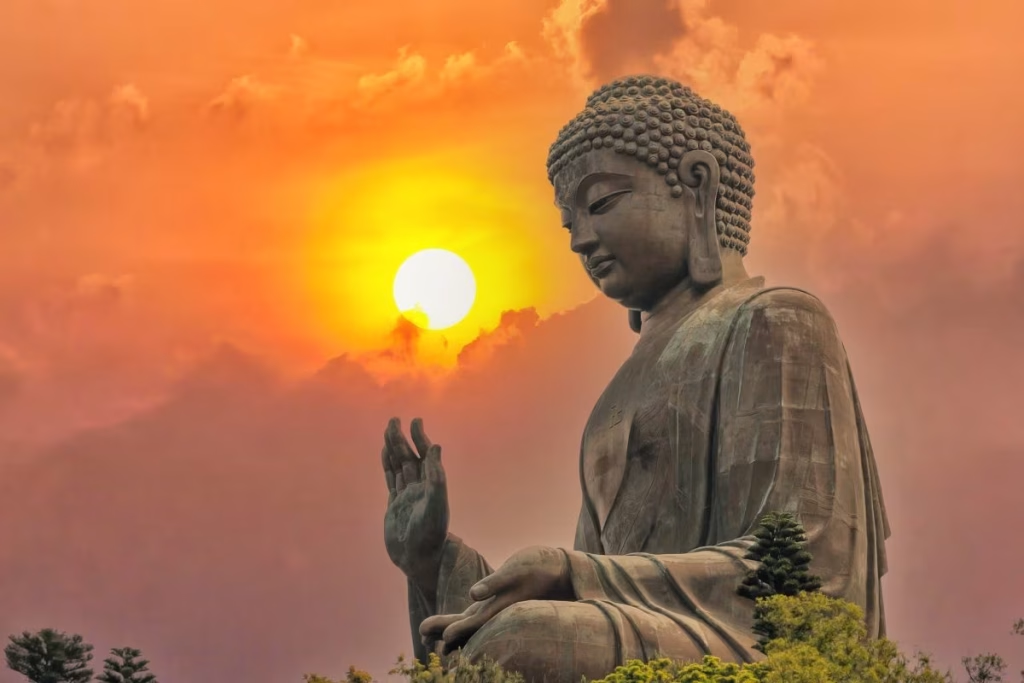
History of Buddha Purnima
The story of Buddha Purnima begins with the life of Prince Siddhartha.
Birth of Buddha
Gautama Buddha was born in 563 BCE in Lumbini. He was the son of King Suddhodana and Queen Maya Devi. At the time of his birth, it was predicted that he would either become a great king or a great spiritual leader.
His father wanted him to become a king, so he kept Siddhartha inside the palace and protected him from all suffering.
The Turning Point in His Life
However, when Siddhartha grew older, he saw the real world. He saw:
- An old man
- A sick person
- A dead body
- A monk
These sights made him realize that life is full of suffering. He wanted to find the truth behind human suffering.
At the age of 29, he left his palace, family, and royal life. This event is known as the “Great Renunciation.”
Search for Truth
Siddhartha traveled across many places and learned from different teachers. But he was not satisfied with their teachings.
Finally, he decided to meditate deeply under the Bodhi tree in Bodh Gaya.
After many days of meditation, he finally attained enlightenment at the age of 35. From that day, he became known as Buddha, which means “The Enlightened One.”
Teachings of Buddha
After enlightenment, Buddha spent his life teaching people about truth and peace. His main teachings include:
- The Four Noble Truths
- The Eightfold Path
- Importance of kindness and compassion
- Avoiding violence and hatred
Death of Buddha
Buddha passed away at the age of 80 in Kushinagar. His death is known as Mahaparinirvana.
Significance of Buddha Purnima
Buddha Purnima is important because it reminds us of Buddha’s teachings. These teachings are still relevant today.
This day teaches us:
- To live peacefully
- To be kind to others
- To avoid anger and hatred
- To follow truth and honesty
People use this day to reflect on their lives and try to become better human beings.
Buddha Purnima in the Tai Phake Community
The Tai Phake community of Assam celebrates Buddha Purnima with great devotion. Though they are a small group, their cultural practices are very rich and meaningful.
For them, Buddha Purnima is not just a festival but a time to strengthen their identity and traditions.
Preparations for the Festival
Preparations for Buddha Purnima begin many days before the festival.
People:
- Clean their homes
- Decorate Buddhist monasteries (Vihars)
- Arrange flowers, lamps, and candles
- Prepare traditional clothes
The entire environment becomes peaceful and spiritual.
Rituals and Celebrations
1. Morning Prayers
On the day of Buddha Purnima, people gather in monasteries early in the morning.
They:
- Chant prayers
- Light candles
- Offer flowers and food
Monks guide the prayers and remind people about Buddha’s teachings.
2. Sacred Bathing Ceremony
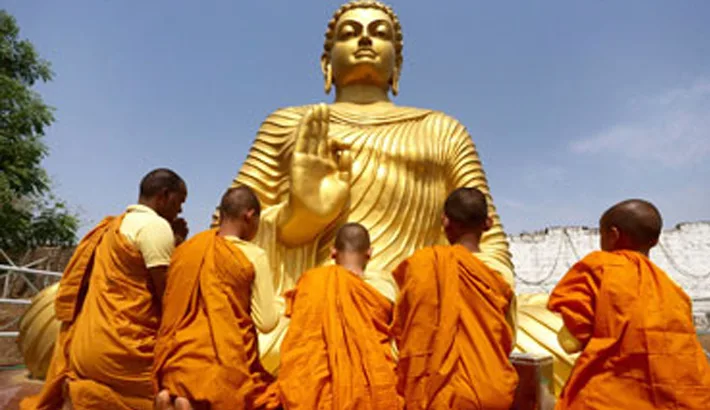
One of the most important rituals is the bathing of Buddha’s idol.
The idol is washed with:
- Water
- Milk
- Honey
This symbolizes purification and removal of bad thoughts.
3. Practice of Dana (Charity)
Charity is an important part of Buddha’s teachings.
On this day, people:
- Donate food
- Give clothes
- Help the poor
This act of giving is known as Dana.
4. Meditation and Spiritual Learning
People spend time meditating and listening to stories from Buddha’s life.
This helps them:
- Understand life better
- Reduce stress
- Find inner peace
5. Community Feast and Cultural Programs
After prayers, a big feast is organized.
People enjoy:
- Traditional Tai Phake food
- Music and dance
- Cultural performances
This brings the community together.
Buddha Purnima Celebrations in India
Buddha Purnima is celebrated in many parts of India.
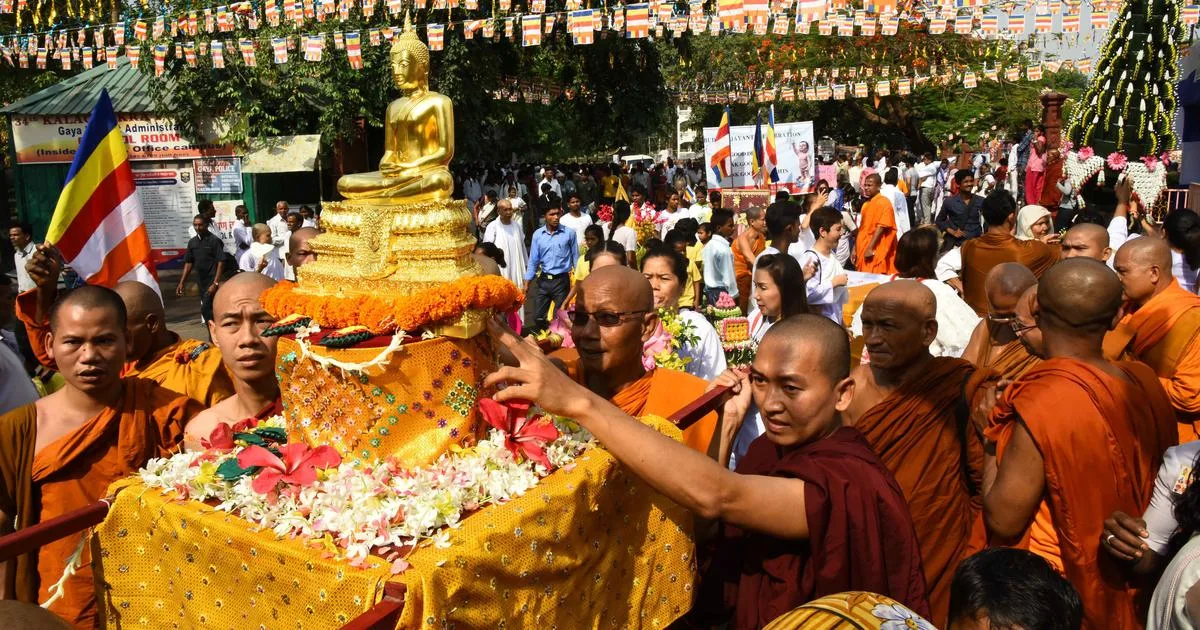
In Bodh Gaya
Bodh Gaya becomes the center of celebrations. Thousands of people visit the Mahabodhi Temple.
In Sarnath
In Sarnath, where Buddha gave his first teaching, special prayers are held.
In Kushinagar
Kushinagar also attracts many visitors.
Buddha Purnima Around the World
Buddha Purnima is not only celebrated in India but also in many countries:
- Nepal
- Sri Lanka
- Thailand
- Myanmar
- Japan
Each country has its own unique way of celebrating, but the message remains the same peace and enlightenment.
Food and Traditions
On Buddha Purnima:
- People wear white clothes
- They eat simple vegetarian food
- Many people prepare kheer (milk dessert)
- Some people fast
It is believed that a woman named Sujata offered kheer to Buddha before his enlightenment.
Importance of the Bodhi Tree
The Bodhi Tree is very important in Buddhism.
Bodhi Tree is the tree under which Buddha attained enlightenment.
People:
- Offer water
- Pray near the tree
- Decorate it
Values We Learn from Buddha Purnima
Buddha Purnima teaches us many important values:
1. Peace
We should live peacefully and avoid conflicts.
2. Kindness
Helping others makes the world better.
3. Truth
Always speak the truth.
4. Non-Violence
Avoid harming others.
5. Self-Control
Control your desires and emotions.
Why Buddha Purnima is Important Today
In today’s world, people face stress, anger, and problems.
Buddha’s teachings help us:
- Stay calm
- Think clearly
- Live happily
That is why Buddha Purnima is still very important.
Role of the World Fellowship of Buddhists
The celebration of Buddha Purnima gained international importance when World Fellowship of Buddhists decided in 1960 to celebrate it globally on the full moon day of Vaisakha.
Public Holiday and Observance
Buddha Purnima is a public holiday in India.
- Schools remain closed
- Offices may be closed
- People spend the day in prayer and peace
Conclusion
Buddha Purnima is not just a festival it is a day to remember the life and teachings of Gautama Buddha. It teaches us how to live a peaceful and meaningful life.
From the Tai Phake community of Assam to people across the world, this festival brings everyone together with the message of love, kindness, and wisdom.
By following Buddha’s teachings, we can make our lives better and also make the world a peaceful place.
FAQ’s
Q. What is Buddha Purnima and why is it celebrated?
Buddha Purnima, also known as Vesak, marks the birth, enlightenment, and Mahaparinirvana (passing) of Lord Gautama Buddha. It is one of the most important festivals in Buddhism.
Q. How does the Tai Phake community celebrate Buddha Purnima?
The Tai Phake community celebrates Buddha Purnima with prayers at Buddhist monasteries, offering food and donations, performing religious rituals, and organizing a community feast.
Q. When is Buddha Purnima celebrated each year?
Buddha Purnima falls on the full moon day (Purnima) of the Hindu month of Vaisakha, which usually occurs in May. The exact date varies based on the lunar calendar.
Q. What are the main rituals performed on Buddha Purnima?
Key rituals include offering prayers, bathing the Buddha idol, lighting lamps, meditating, listening to discourses on Buddha’s teachings, and practicing acts of charity.
Q. Why is Buddha Purnima important to Buddhists?
It is significant as it commemorates three major events in Buddha’s life: his birth, enlightenment, and attainment of Nirvana, making it a sacred occasion for Buddhists worldwide.