Good Friday: Meaning, History, and Importance of a Sacred Day

Good Friday is one of the most important days in the Christian calendar. It is observed by Christians all over the world with deep respect, silence, and prayer. This day reminds people of sacrifice, love, forgiveness, and hope. Even though the word “Good” is used in its name, Good Friday is a day connected with pain and suffering. It marks the crucifixion and death of Jesus Christ, who Christians believe gave his life for the salvation of humanity.
Thank you for reading this post, don't forget to subscribe!In 2026, Good Friday will be observed on Friday, April 3, 2026. It comes just two days before Easter Sunday and is part of the Holy Week, which is the most sacred time in Christianity.
Good Friday 2026: Date and Basic Information
Good Friday 2026 will be observed on Friday, 3 April 2026.
It is celebrated on the Friday before Easter Sunday every year.
Good Friday is also known as Holy Friday. It commemorates the crucifixion of Jesus Christ, which means the day Jesus was nailed to a wooden cross and died.
On this day, churches across the world become quiet and solemn. Many believers remember the suffering of Jesus, his pain, and the ultimate sacrifice he made for humanity. People spend time in prayer, silence, and reflection.
In many places, Good Friday is a public holiday. It is a holiday in 11 states in the United States. Even though it is not an official federal holiday in the US, many stock markets, businesses, schools, and colleges remain closed, and only essential services operate.
What Is Good Friday?
Good Friday is the day when Christians remember the death of Jesus Christ. According to the Bible, Jesus was crucified by the Roman authorities after being accused by religious leaders of that time.
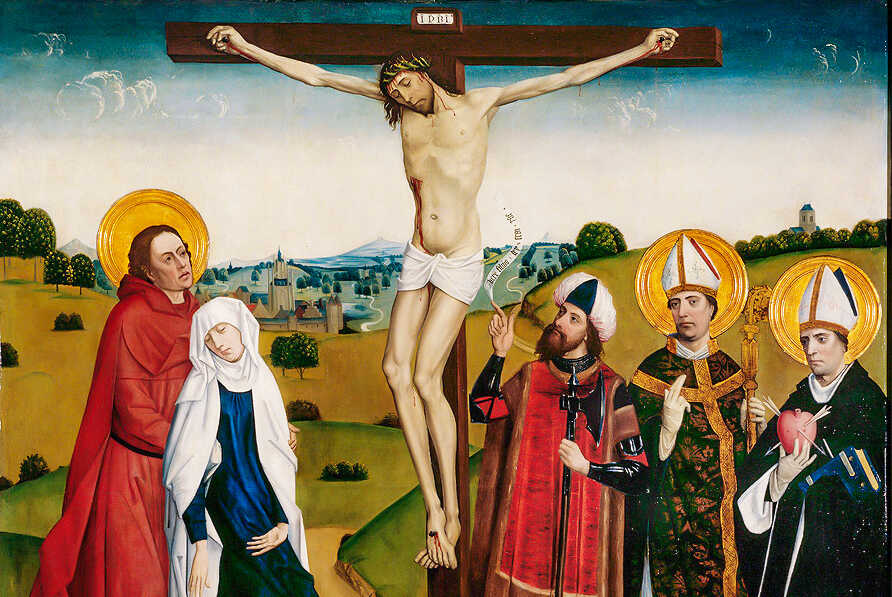
The Bible states that before his arrest, Jesus shared his final meal with his disciples. This meal is known as The Last Supper, and it took place just before the Jewish festival of Passover.
After the Last Supper, Jesus went to pray in the Garden of Gethsemane, where he was later arrested. The next day, he was put on trial, beaten, mocked, crucified, and finally buried. Good Friday is the day when all these events are remembered.
Good Friday is observed during Holy Week, which begins with Palm Sunday and ends with Easter Sunday.
Why Is It Called a “Moveable Feast”?
Good Friday is known as a moveable feast. This means that its date changes every year. Unlike fixed holidays like Christmas, which is always celebrated on December 25, Good Friday does not fall on the same date each year.
The date of Good Friday depends on the liturgical calendar, which is linked to the lunar cycle. Because of this, Good Friday can fall on any date between March 20 and April 23.
The date for observing Jesus’ death and resurrection was not always fixed. Up until the 4th century, Jesus’ Last Supper, death, and resurrection were all celebrated together on one single day.
Later, the Church separated these events:
- Maundy Thursday remembers the Last Supper
- Good Friday remembers the crucifixion
- Easter Sunday celebrates the resurrection
Since then, these observances have remained moveable.
The Meaning Behind Good Friday
Good Friday is not just a historical remembrance. It is also a day for deep thinking and self-reflection. People are encouraged to think about selflessness and how their actions affect others.
The sacrifice of Jesus teaches values such as:
- Love for others
- Forgiveness
- Humility
- Patience
- Compassion
Even for people who do not follow Christianity, Good Friday offers a chance to reflect on life’s deeper meanings. It encourages moments of stillness, silence, and personal growth.
The Story of Good Friday
The Arrest of Jesus
After the Last Supper, Jesus went with his disciples to the Garden of Gethsemane to pray. While he was praying, he was arrested by soldiers. One of his own disciples betrayed him, which led to his capture.
Jesus was then taken away to face trials.
The Trials of Jesus
Jesus faced several trials on the morning after his arrest. He was questioned by three Jewish religious leaders and three Roman authorities. Among the Roman leaders were Pontius Pilate and Herod.
Pontius Pilate did not believe that Jesus deserved death. He wanted to release him or give him a lighter punishment. However, the crowd and other leaders demanded a harsher punishment.
Due to pressure and fear of unrest, Jesus was sentenced to be crucified, which was one of the most painful and shameful punishments at that time.
Mockery and Humiliation
Before his crucifixion, Jesus was mocked by Roman soldiers. They dressed him in a purple robe, which symbolized royalty, to make fun of him. They placed a crown of thorns on his head, causing pain and bleeding.
A sign was placed on his cross that read:
“Jesus of Nazareth, King of the Jews.”
This was meant to insult him, but Christians believe it revealed a deeper truth.
The Crucifixion
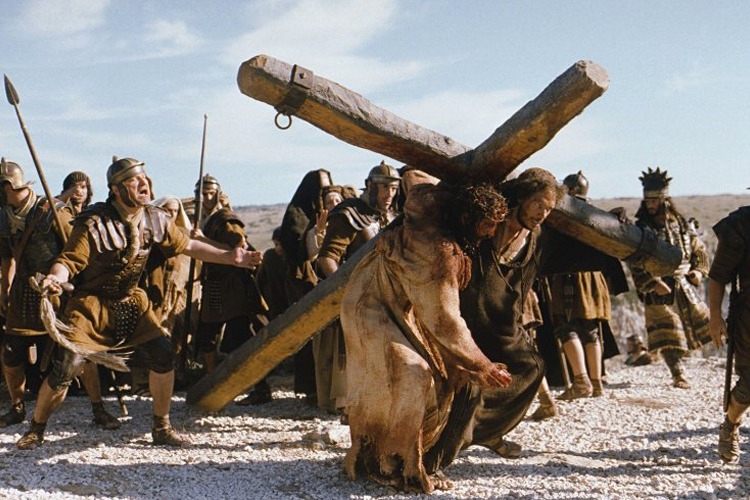
Jesus was forced to carry his own cross to the place where he would be crucified. This place is known as Golgotha, also called the “Place of the Skull.”
There, he was nailed to the cross and left to die. He suffered greatly but remained calm and forgiving. According to Christian belief, Jesus died to save humanity from sin.
After his death, his body was taken down from the cross and placed in a tomb.
Why Is It Called “Good” Friday?
Many people wonder why a day that marks death and suffering is called “Good Friday.”
Originally, Good Friday was a day of sorrow, fasting, and repentance. In some places, it was even known as “Sorrowful Friday.”
There is no single clear answer about the origin of the name “Good Friday,” but several explanations exist.
Possible Meanings of the Name
- Some believe that “Good” came from “God’s Friday”, which changed over time.
- Others believe it is “good” because it led to the resurrection of Jesus and hope for humanity.
- According to US Catholic School texts, Good Friday is called “good” because it shows the great love of Jesus, who was willing to die for mankind.
- The Oxford English Dictionary explains that the word “good” was often used by the Church to describe a holy or religious day.
The earliest recorded use of the term “Guode Friday” (Old English for Good Friday) appears in a book from 1290 called The South English Legendary.
How Good Friday Is Observed Around the World
Church Services
Many Christians attend church services on Good Friday. These services are usually very quiet and serious.
Unlike other church days, Good Friday services often:
- Do not include music or singing
- Have a bare altar
- Use black cloth on the cross to represent death
The service includes:
- Reading Bible passages about Jesus’ crucifixion
- The Gospel Passion narrative
- Adoration of the cross
- Holy Communion
In the United States, some services last up to three hours.
Processions and Reenactments
In some countries and regions, people take part in processions. An actor may play the role of Jesus and carry a wooden cross through the streets.
The Catholic Church calls this tradition the Way of the Cross procession. It represents Jesus’ journey to his crucifixion.
These processions help people visually understand the suffering Jesus went through.
Fasting and Silence
Many believers choose to fast on Good Friday. This means eating very little or avoiding certain foods. Some people eat only one simple meal during the day.
Silence and prayer are also important parts of the day. People avoid celebrations, parties, or loud activities.
Good Friday and Holy Week
Good Friday is part of Holy Week, which is the most sacred time in Christianity.
Holy Week includes:
- Palm Sunday – Jesus’ entry into Jerusalem
- Maundy Thursday – The Last Supper
- Good Friday – Crucifixion of Jesus
- Holy Saturday – Day of waiting
- Easter Sunday – Resurrection of Jesus
Each day has deep spiritual meaning.
Why Good Friday Still Matters Today

Even in modern times, Good Friday remains important. It reminds people of values that are needed in today’s world, such as:
- Sacrifice
- Kindness
- Forgiveness
- Standing for truth
It teaches that love can overcome hatred and that hope can rise from suffering.
Good Friday also encourages people to slow down in a busy world and think deeply about their actions and choices.
Good Friday Beyond Religion
Although Good Friday is a Christian observance, its message goes beyond religion. The ideas of selflessness, compassion, and forgiveness are universal.
Many people, regardless of faith, use this day to:
- Reflect on their behavior
- Improve relationships
- Practice kindness
- Find inner peace
Moments of stillness on Good Friday help people reconnect with their values.
Conclusion
Good Friday is a day of deep meaning, remembrance, and reflection. It marks the sacrifice of Jesus Christ, who Christians believe gave his life for humanity. In 2026, Good Friday will be observed on Friday, April 3.
Though it remembers suffering and death, Good Friday is also a day of hope. It teaches powerful lessons about love, sacrifice, and forgiveness. Through prayers, silence, fasting, and reflection, people remember not just a historical event, but a message that continues to inspire millions across the world.
Good Friday invites everyone to pause, reflect, and strive to live with kindness and compassion, making it a truly meaningful day for all.
Frequently Asked Questions (FAQs) on Good Friday
1. What is Good Friday?
Good Friday is a Christian holy day that remembers the crucifixion and death of Jesus Christ.
2. When is Good Friday in 2026?
Good Friday in 2026 will be observed on Friday, April 3, 2026.
3. Why is Good Friday celebrated?
Good Friday is celebrated to remember the sacrifice Jesus made by giving his life for humanity.
4. Why is it called “Good” Friday?
It is called “Good” Friday because Christians believe Jesus’ death showed great love and brought hope and salvation to mankind.
5. Is Good Friday a public holiday?
Good Friday is a holiday in many countries and in 11 states of the USA. Many schools, colleges, and offices remain closed.
6. What happened on Good Friday according to the Bible?
According to the Bible, Jesus was put on trial, crucified, and buried on this day.
7. How do people observe Good Friday?
People observe Good Friday by attending church services, praying, fasting, and maintaining silence.
8. Is Good Friday always on the same date?
No, Good Friday is a moveable feast, and its date changes every year.
9. What is the significance of Good Friday in Holy Week?
Good Friday is one of the most important days of Holy Week, marking the crucifixion of Jesus Christ.
10. Can non-Christians observe Good Friday?
Yes, anyone can observe Good Friday as a day of reflection, peace, and kindness.