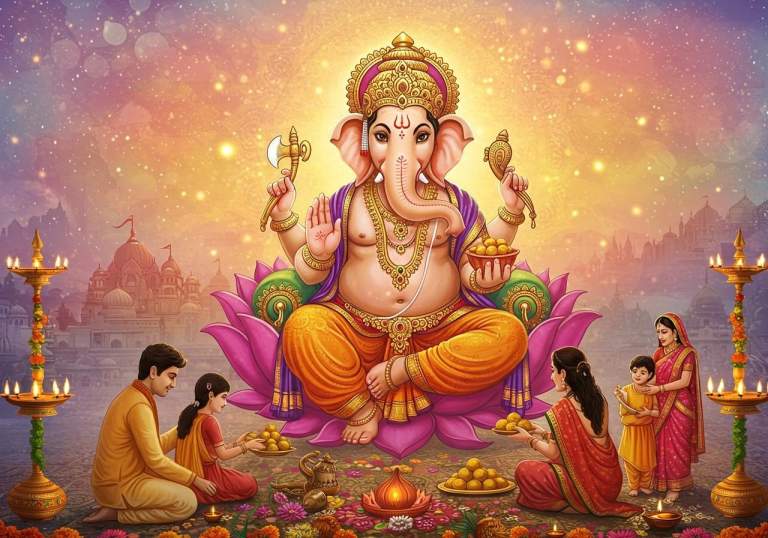
Human Rights Day: Meaning, History, Importance and Global Impact

Human Rights Day is a global reminder that all people no matter where they live, how they look, what they believe, or what language they speak deserve dignity, equality, and freedom. Every year, the world observes Human Rights Day on 10 December to honour the moment when the Universal Declaration of Human Rights (UDHR) was adopted in 1948. This day encourages people, governments, organisations, and communities to reflect on human values, discuss challenges, and take action for a fairer and more equal world.
Thank you for reading this post, don't forget to subscribe!Human Rights Day is not just another international event; it is a powerful symbol of hope. It speaks for the weak, protects the vulnerable, and reminds society that rights are not gifts from governments but are natural, universal, and non-negotiable. These rights belong to every human being simply because they are human.
Meaning and Purpose of Human Rights Day
Human Rights Day celebrates the idea that all people are born free and equal. It aims to spread awareness about the rights guaranteed to every person regardless of nationality, caste, religion, gender, social class, or economic background. These rights include the right to life, freedom of speech, freedom of expression, privacy, education, equality before law, and many more.
The purpose of the day is to remind everyone that human dignity must be protected at all times. It is a chance to educate people about their rights, encourage governments to respect the law, and inspire societies to become more kind, inclusive, and responsible. It is also a call for justice for people who face discrimination, violence, or unequal treatment.
Human Rights Day is not only about celebration; it is also about reflection. Many communities around the world still suffer from hunger, poverty, child labour, unpaid wages, human trafficking, domestic violence, and arbitrary arrests. This day inspires nations to improve their laws and systems so that every person can live with dignity and honour.
History of Human Rights Day and the UDHR
The global celebration of Human Rights Day began after the creation of the Universal Declaration of Human Rights (UDHR) on 10 December 1948 by the United Nations General Assembly. After the horrors of World War II, the world realised that peace cannot survive without ensuring the safety and dignity of individuals.
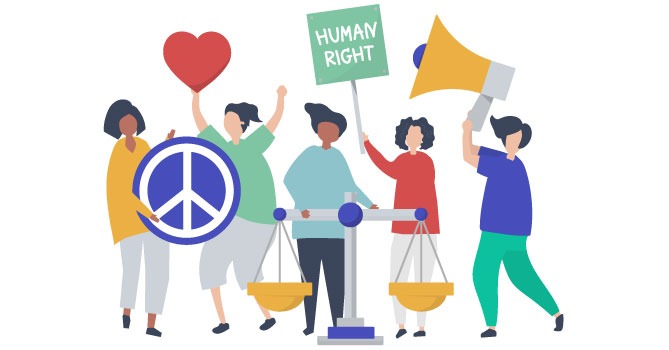
The UDHR listed 30 fundamental rights for all people. It was not a binding law, but it became a moral and guiding force for countries to change their laws in support of human dignity.
The UDHR was drafted by representatives from many cultures, religions, and political backgrounds. One of the key people in drafting the UDHR was Eleanor Roosevelt, who strongly believed that human rights begin in small places neighbourhoods, communities, schools, and workplaces. This vision still guides Human Rights Day celebrations.
Human Rights Day was officially declared by the United Nations in 1950, and since then, it has grown into a worldwide event. Governments, NGOs, activists, schools, universities, human rights defenders, and international agencies participate actively every year.
Why Human Rights Day Matters Today
Even though the world has made great progress in science, education, health, and technology, millions of people still face human rights violations. Many countries still struggle with inequality, conflict, hunger, corruption, violence, discrimination, and restrictions on freedom.
Human Rights Day matters because:
- It reminds people that rights cannot be taken for granted.
- It helps protect vulnerable groups like women, children, the elderly, tribal communities, refugees, persons with disabilities, and minorities.
- It encourages governments to make fair laws and end harmful practices.
- It spreads awareness among people about their rights and responsibilities.
- It promotes global cooperation to fight injustice, violence, and exploitation.
- It inspires young people to speak up against unfair treatment.
Human Rights Day acts as a moral mirror that forces society to look at its flaws. It gives courage to those who want change and warns those who violate rights.
Annual Themes and Their Importance
Every year, Human Rights Day has a special theme chosen by the United Nations. These themes highlight global challenges and guide events, campaigns, and discussions.
Themes from recent years include equality, dignity, justice, climate justice, women’s rights, freedom of expression, digital rights, and the 75th anniversary of the UDHR.
Themes help focus global attention on the most urgent issues. They motivate governments, media, schools, activists, and influencers to discuss solutions and take action. They also help people understand that human rights evolve with time, and new challenges such as cyberbullying, online hate speech, and surveillance also need protection.
Human Rights Guaranteed Under the UDHR
The Universal Declaration of Human Rights lists 30 rights. Some of the most important include:
- Right to life
- Right to freedom from torture and slavery
- Right to equality before law
- Right to education
- Right to freedom of speech and expression
- Right to freedom of religion
- Right to work and fair wages
- Right to health
- Right to nationality
- Right to peaceful assembly
- Right to fair trial
- Right to privacy
- Right to marry and form a family
- Right to social security
These rights form the backbone of Freedom, Justice, and Peace in the world. Even though the UDHR is not legally binding, it inspired more than 60 human rights treaties that protect people globally.
Human Rights Challenges in the Modern World
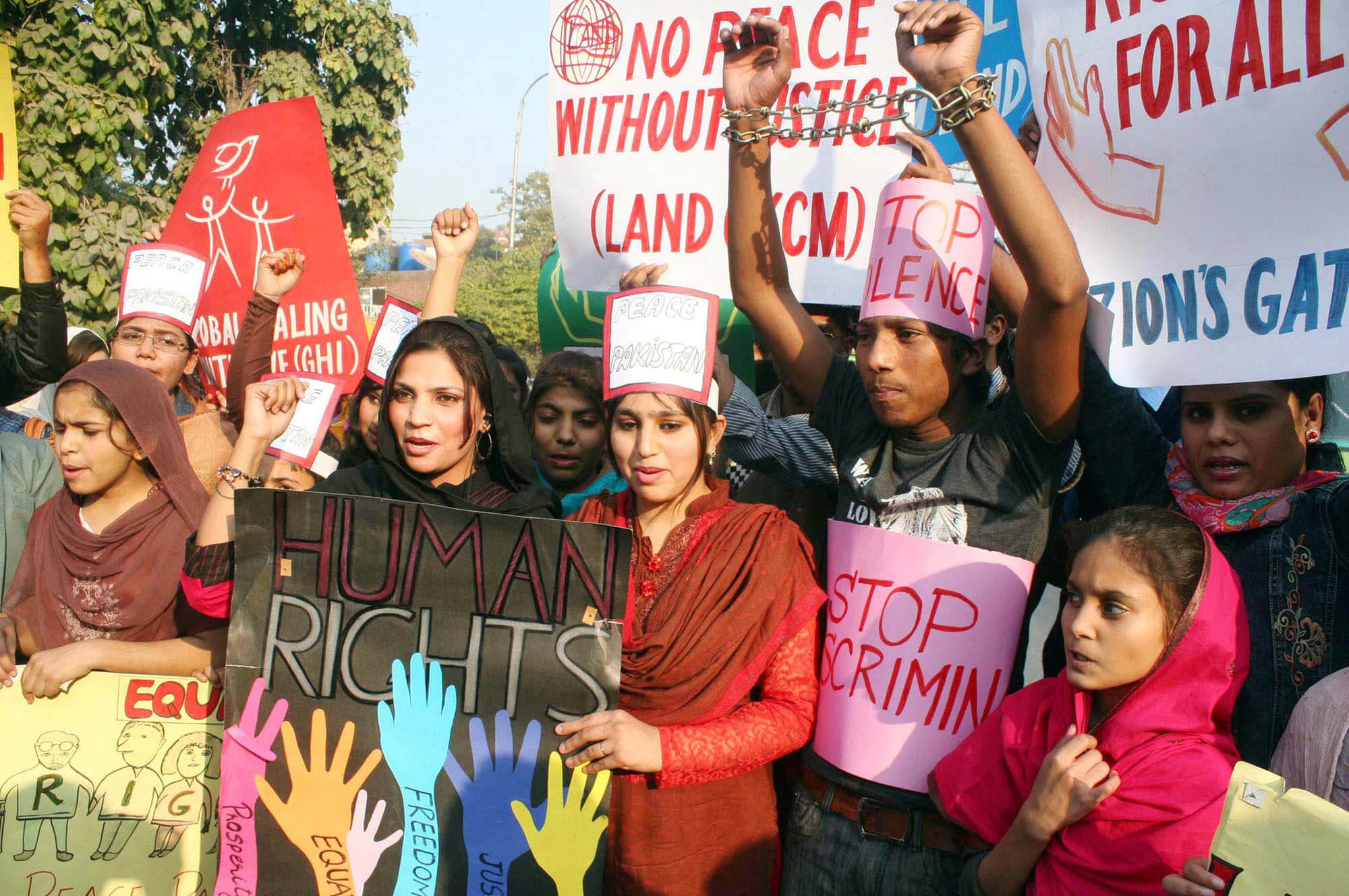
Human rights violations are still common across the world. Some of the biggest challenges include:
- Poverty and inequality
- Violence against women
- Child labour
- Human trafficking
- Discrimination based on caste, race, gender, ethnicity, religion, and disability
- Restrictions on freedom of the press
- Online surveillance and privacy breaches
- Refugee crisis
- Armed conflicts and war
- Climate change
- Forced evictions and land grabbing
- Police brutality
- Lack of healthcare and education
- Hate speech and bullying
These challenges affect millions of people daily. Human Rights Day encourages governments to solve these issues through better policies, stronger laws, awareness campaigns, social reforms, and community support.
Human Rights and Technology
Technology has improved communication, education, and healthcare, but it has also created new threats to human rights. Issues include:
- Misuse of personal data
- Online abuse and harassment
- Fake news
- Digital inequality
- Cybercrimes
- Artificial intelligence bias
- Social media manipulation
- Privacy invasion
- Surveillance without consent
Human Rights Day promotes digital responsibility. It encourages countries to protect online freedom while ensuring safety from cyber threats. It also stresses equal access to digital tools so that poor communities are not left behind.
Human Rights and Climate Justice
Climate change is becoming one of the biggest human rights issues. Rising temperatures, floods, droughts, storms, and pollution affect food, water, shelter, and health. Poor communities, women, indigenous tribes, and rural populations suffer the most.
Human Rights Day highlights that protecting the environment is also protecting human life. Clean air, safe water, food security, and a stable climate are human rights. The world must reduce pollution, support renewable energy, and protect indigenous lands.
Human Rights in India
India has a powerful human rights framework. The Constitution guarantees many fundamental rights such as equality, freedom, education, and protection from discrimination. India also has the National Human Rights Commission (NHRC) to investigate violations and recommend justice.
India celebrates Human Rights Day every year with public events, seminars, awareness drives, school activities, legal aid camps, and campaigns on women’s rights, child safety, tribal rights, and minority welfare.
However, India also faces challenges such as gender violence, caste discrimination, child labour, bonded labour, human trafficking, fake encounters, lack of sanitation, and economic inequality. Human Rights Day encourages India to strengthen its laws and ensure justice for all citizens.
Role of Education in Protecting Human Rights
Education is one of the strongest tools for protecting human rights. Schools and universities teach children about equality, freedom, respect, and cooperation. When young people understand their rights, they grow into responsible and conscious citizens.
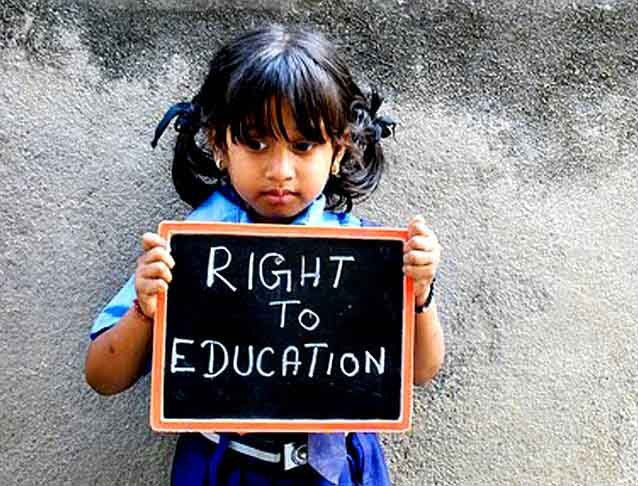
Human Rights Day promotes curriculum changes so that students learn about:
- Rights and responsibilities
- Equality and non-discrimination
- Gender sensitivity
- Environmental protection
- Peace building
- Tolerance and multicultural awareness
- The value of dialogue and understanding
Education helps fight stereotypes and prejudice. It empowers students to question injustice and speak up for themselves and others.
Role of Youth in Human Rights Protection
Young people are powerful forces of change. They use social media, creativity, innovation, and activism to challenge injustice. Youth groups across the world work on climate justice, gender rights, literacy campaigns, environmental protection, digital safety, and more.
Human Rights Day recognises the voices of young activists like Malala Yousafzai, Greta Thunberg, and many unnamed youth who fight for justice every day.
Role of NGOs, Governments, and International Bodies
Many organisations work around the clock to protect human rights. These include:
- United Nations and its agencies
- UNICEF
- Amnesty International
- Human Rights Watch
- National Human Rights Commissions
- Civil society groups
- Women’s organisations
- Child protection agencies
- Refugee support groups
- Legal aid organisations
These bodies document human rights violations, support victims, raise awareness, lobby for better laws, and train communities.
Governments also play a crucial role through law-making, police reforms, judicial systems, welfare schemes, education, and healthcare programmes.
Human Rights Success Stories Around the World
Even with challenges, the world has seen major progress:
- Ending apartheid in South Africa
- Increasing women’s education globally
- Legalising same-sex marriage in many countries
- Reducing extreme poverty
- Increasing access to clean water
- Spreading digital education
- Recognising tribal and indigenous rights
- Improving disability rights
- Ending child marriage in many regions
- Stronger laws against trafficking
These success stories prove that humanity can achieve great things when people unite for justice.
How People Celebrate Human Rights Day
People celebrate Human Rights Day in many ways:
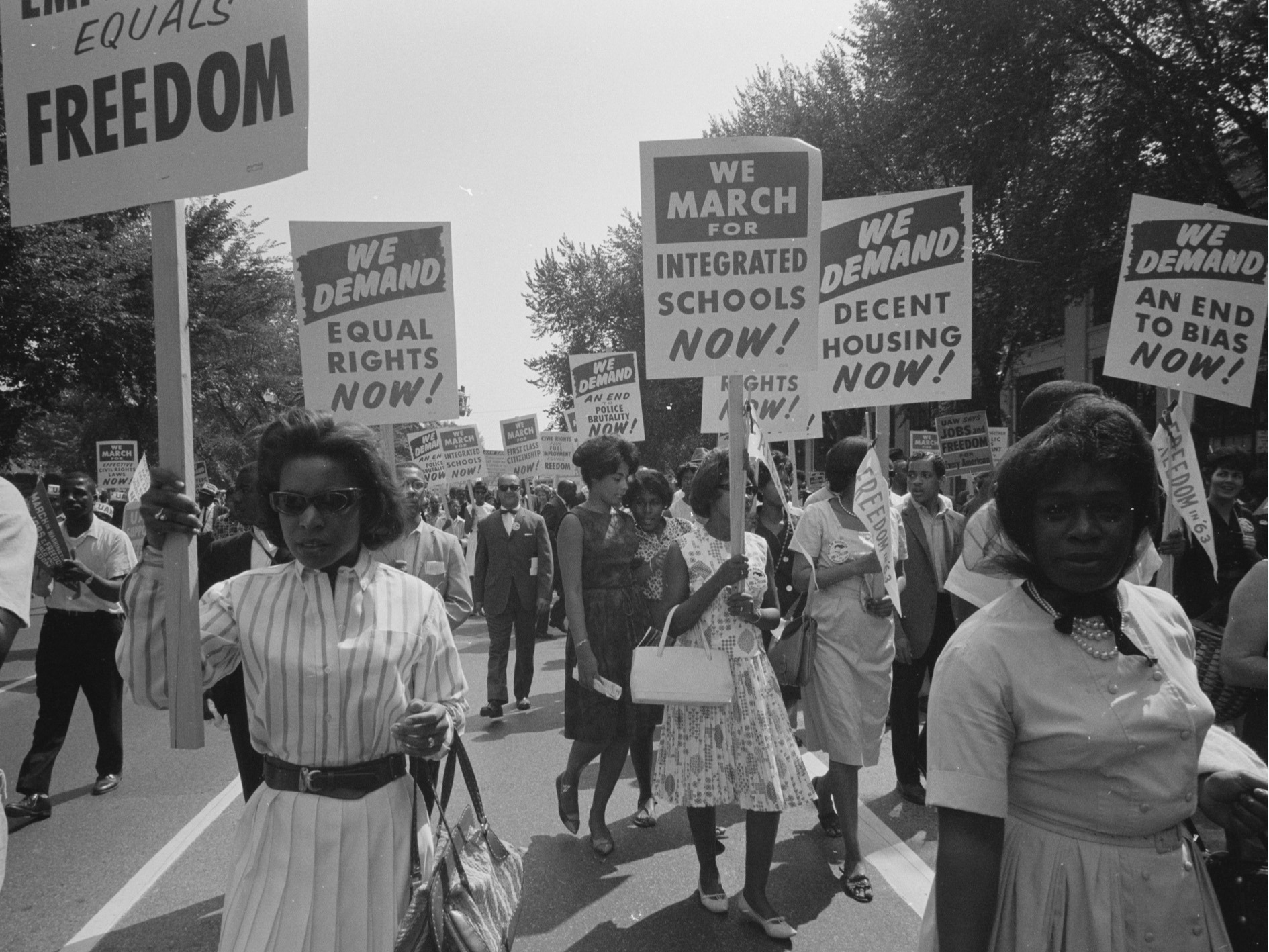
- Awareness marches
- Public talks and seminars
- School competitions
- Art exhibitions
- Street plays
- Legal aid camps
- Social media campaigns
- Candlelight gatherings
- Community meetings
- Workshops and training sessions
- Fundraising events
- Counselling and support programs
- Documentary screenings
- Cultural programmes
- Disability awareness events
The goal is to connect communities, educate people, and inspire action.
Global Human Rights Movements
Human Rights Day honours global movements such as:
- Civil Rights Movement in the USA
- Women’s Rights Movement
- LGBTQ+ Movement
- Anti-Apartheid Movement
- Indigenous Rights Movement
- Right to Information (RTI) movements
- Environmental Justice movements
- Peace movements
- Anti-war campaigns
- Workers’ Rights movements
These movements show how collective efforts can bring justice and equality.
The Future of Human Rights
The future of human rights depends on strong leadership, active citizens, responsible governments, and continuous education. The world must focus on:
- Ending discrimination
- Protecting digital rights
- Ensuring climate justice
- Promoting mental health
- Reducing poverty
- Ensuring food and water security
- Protecting children
- Empowering women
- Supporting refugees
- Strengthening democracy
- Promoting peace and dialogue
- Ending violence and hate speech
Technological innovation, international cooperation, and compassionate leadership will shape the future of human rights.
Conclusion
Human Rights Day is a day of hope, learning, action, and responsibility. It reminds us that every life matters, every voice matters, and every person deserves dignity. Human rights are not only legal concepts; they are the moral foundation of humanity.
A peaceful and fair world is possible when people respect each other, protect the weak, fight discrimination, and uphold justice. Human Rights Day teaches us that real change begins in our homes, schools, workplaces, and communities.
By supporting human rights, we are building a better world for future generations.
FAQs About Human Rights Day
1. What is Human Rights Day?
Human Rights Day is observed every year on 10 December to honour the Universal Declaration of Human Rights and promote equality and dignity for all.
2. Why is Human Rights Day celebrated?
It is celebrated to spread awareness about basic human rights, support victims of injustice, and encourage governments to protect human dignity.
3. When was the Universal Declaration of Human Rights adopted?
The UDHR was adopted on 10 December 1948 by the United Nations General Assembly.
4. What are some important human rights?
Important rights include the right to life, equality before law, freedom of expression, education, privacy, and freedom from discrimination.
5. Who protects human rights globally?
Organisations like the United Nations, Amnesty International, Human Rights Watch and national human rights commissions protect and promote human rights.
6. What are the biggest challenges to human rights today?
Poverty, discrimination, violence, child labour, trafficking, gender inequality, online abuse, and lack of freedom of speech are major challenges.
7. How do people celebrate Human Rights Day?
People celebrate through seminars, awareness marches, school events, art competitions, legal aid camps, campaigns, and community activities.
8. What is the importance of Human Rights Day for youth?
It encourages youth to understand their rights, speak against injustice, support equality, and create positive change in society.
9. How does Human Rights Day help vulnerable groups?
It raises awareness about their struggles, encourages protective laws, provides support systems, and promotes equal treatment for all.
10. What can individuals do to protect human rights?
People can speak up against injustice, treat others with respect, support victims, report violations, and promote kindness and equality.