

Digital Learning Tools & Free Resources for Students

Education today has transformed beyond traditional classrooms. The rise of digital learning has opened access to knowledge like never before, connecting students, teachers, and experts across the globe. With just a phone or laptop, students can learn new languages, explore science concepts, or even take online university courses.
The COVID-19 pandemic accelerated this shift, but digital learning is now here to stay. It empowers students to learn at their own pace, build skills relevant to the future, and access a variety of free or affordable learning resources. Whether you’re a school student, college learner, or self-educator, understanding the world of digital tools can make your learning smarter, faster, and more enjoyable.

This guide is your evergreen roadmap to explore digital education from top learning platforms and apps to free online resources that shape modern students’ success.
What is Digital Learning?
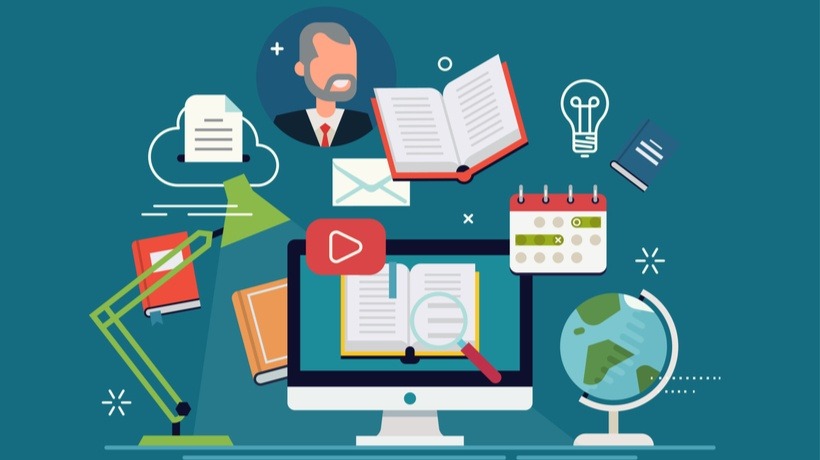
- Digital learning means using technology like smartphones, tablets, or computers to access educational content and interact with teachers or peers.
- It includes e-learning platforms, video lessons, gamified quizzes, podcasts, and even interactive simulations.
- Digital education bridges the gap between traditional and modern learning, promoting self-paced and lifelong education.
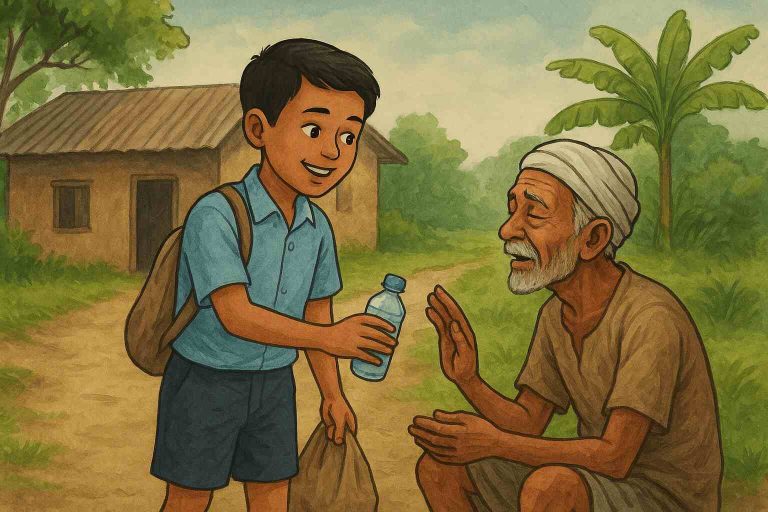
- It is not limited by place or time; a student from a small village can now study coding, medicine, or art from global experts.
- The main goal is to make education accessible, flexible, and skill-oriented for everyone.
Why Digital Learning Matters

- Accessibility for All: Digital tools break barriers of geography and cost, allowing students from any background to learn equally.
- Personalized Learning: Platforms adapt lessons based on your learning speed and understanding.
- Interactive and Fun: Games, animations, and simulations make complex topics easy to grasp.
- 24/7 Availability: Learning materials are accessible anytime, helping students manage their own schedules.
- Real-World Skills: Online tools focus on skills like coding, communication, and problem-solving that are essential in today’s job market.
- Eco-Friendly and Cost-Effective: Digital books and notes reduce paper usage and expenses.
Top Digital Learning Platforms for Students
Khan Academy
- Offers free courses on Math, Science, Economics, and Humanities.
- Ideal for school students who want conceptual clarity and personalized progress tracking.
- Completely ad-free and globally recognized for its quality.
Coursera
- Provides online courses from top universities like Yale, Stanford, and IITs.
- Students can audit most courses for free or earn certificates by paying a small fee.
- Excellent for skill-building in data science, marketing, and management.
edX
- A non-profit platform founded by MIT and Harvard offering free university-level courses.
- Great for college students and professionals aiming for advanced subjects.
- Free to access with optional certification.
BYJU’S and Unacademy
- Indian-based edtech giants offering interactive lessons for school and competitive exams.
- Offer live classes, quizzes, and video explanations designed for Indian syllabi.
- Paid programs come with structured learning paths, but many topics are available for free.
Google Classroom
- Used by schools worldwide for assignments, feedback, and collaboration.
- Completely free and integrated with Google Drive, Docs, and Meet.
- Excellent for teachers and students managing group learning.
Free Learning Resources for Students
National Digital Library of India (NDLI)
- A government initiative hosting millions of free books, journals, and study materials.
- Covers everything from school subjects to research-level content.
- A must-use resource for Indian students.
SWAYAM
- Developed by the Government of India for online courses across disciplines.
- Free access to video lectures, assignments, and discussion forums.
- Offers recognized certification for university and school-level learners.
NPTEL (National Programme on Technology Enhanced Learning)
- Jointly run by IITs and IISc, providing engineering and science courses.
- Perfect for B.Tech. and M.Tech students seeking deep subject understanding.
- Entirely free with optional certification at minimal cost.
YouTube Learning Channels
- Channels like Unacademy, StudyIQ, Magnet Brains, and CrashCourse offer quality video tutorials.
- Students can replay, pause, and learn difficult concepts visually.
- Free and diverse from academic content to life skills and career guidance.
MIT OpenCourseWare
- One of the world’s best free academic archives with lectures, notes, and assignments.
- Ideal for students pursuing advanced learning or research.
- No login or payment required.
Best Digital Tools for Productive Learning
Google Keep & Notion
- Organize notes, assignments, and deadlines easily.
- Notion allows creating personalized dashboards and study planners.
Grammarly
- A must-have writing tool that checks grammar, spelling, and clarity.
- Especially useful for essays, reports, and academic writing.
Canva
- Helps students create beautiful presentations, posters, and infographics.
- Offers a free education plan for verified students and teachers.
Quizlet
- Turns study materials into flashcards and games for quick revision.
- Great for memorizing vocabulary, formulas, and facts.
Google Scholar
- Search engine for academic papers and journals.
- Helps in research projects and understanding verified scholarly work.
Evernote
- A digital notebook that syncs across devices, allowing easy access to notes anytime.
Trello
- A task management tool that helps plan studies, projects, and group assignments visually.
Gamified Learning and Educational Apps
- Duolingo: Fun language learning through levels and streaks, ideal for global learners.
- Kahoot!: An Interactive quiz platform often used by schools to make learning engaging.
- Brainly: A peer-to-peer platform where students ask and answer academic questions.
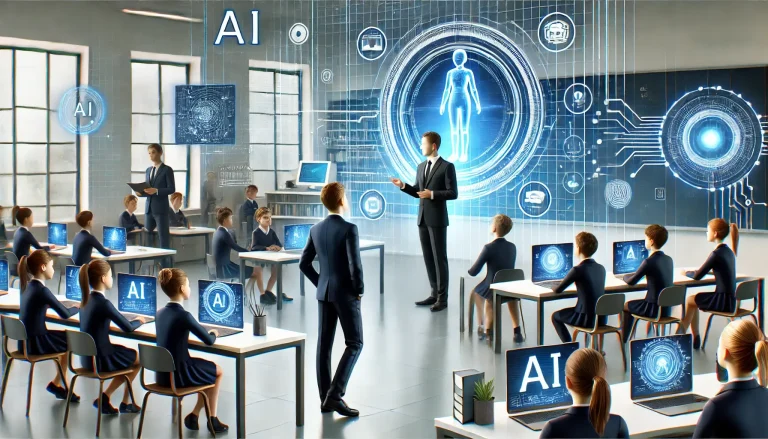
- Toppr: Offers AI-based learning paths for school students.
- Udemy: Affordable online platform for creative and professional skills like photography, coding, and design.
Gamified platforms keep motivation high, especially for younger students who learn best through play and interaction.
Digital Tools for Competitive Exam Preparation
- Adda247 and Testbook: Provide mock tests and live sessions for banking, SSC, and government exams.
- Oliveboard: Adaptive learning platform with analytics for UPSC and other tests.
- Gradeup (now BYJU’S Exam Prep): Offers exam-specific strategies and video solutions.
- Vision IAS and Drishti IAS: Known for comprehensive current affairs and test series.
These tools combine modern technology with expert coaching, making them ideal for self-learners.
Advantages of Free and Open Educational Resources (OERs)
- OERs promote inclusive learning by removing cost barriers.
- Students can explore different teaching methods and global perspectives.
- Many OERs allow reuse, translation, and adaptation for personalized learning.
- They support continuous education even beyond formal degrees.
- Teachers and students can collaborate globally using open-access materials.
Some popular OER repositories include OpenStax, OER Commons, and Curriki.
Challenges in Digital Learning
- Internet Connectivity Issues: Many rural students still struggle with stable access.
- Digital Divide: Not all learners can afford devices or data.
- Screen Fatigue: Long screen hours can impact concentration and health.
- Content Overload: With so many resources, students often find it hard to choose quality material.
- Lack of Discipline: Self-paced learning demands self-control and consistency.
The key is to strike a balance using digital tools wisely while maintaining traditional study habits.
Tips for Effective Digital Learning
- Set Study Goals: Decide what you want to learn each week and track progress.
- Create a Dedicated Space: Study in a distraction-free area for better focus.
- Use Time Management Apps: Tools like Forest or Pomodoro timers help stay consistent.
- Take Regular Breaks: Avoid burnout by resting your eyes and stretching.
- Review and Reflect: At the end of the week, review what you’ve learned to retain knowledge longer.
- Engage Actively: Participate in online discussions and forums to deepen understanding.
Conclusion: Empowering Education through Digital Learning
Digital learning is more than just online classes; it’s a revolution in education that empowers students to take control of their learning journey. By using free resources, e-learning tools, and innovative apps, students can go beyond textbooks and explore knowledge from every corner of the world.
Whether it’s mastering coding, improving language skills, or preparing for competitive exams, digital education bridges the gap between curiosity and opportunity. It teaches independence, creativity, and lifelong learning skills essential for the 21st century.
The future of education lies in the hands of digitally aware students who use technology not just for convenience, but for continuous growth and discovery.