World Television Day: Significance, Influence and Global Impact

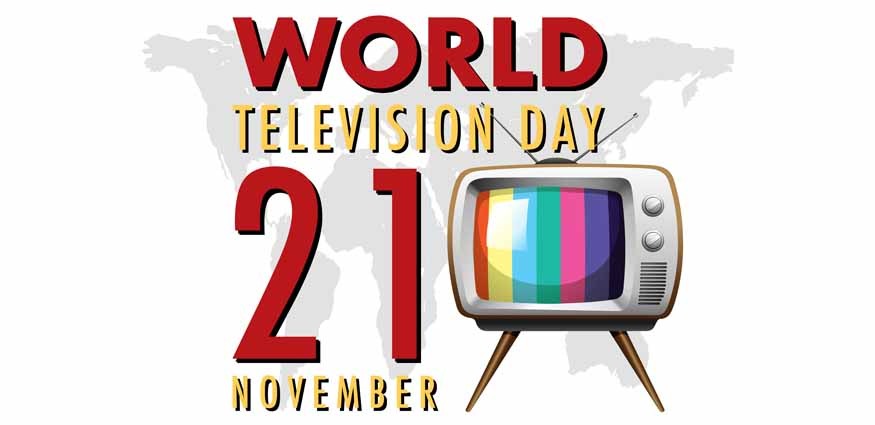
World Television Day is observed every year on November 21 to recognize the enduring impact of television as a medium of communication, information, education, and cultural exchange. Declared by the United Nations General Assembly in 1996, this global observance highlights the role of television in shaping modern society. It may appear to some that television has lost its relevance in the age of smartphones and digital streaming platforms, but in reality, television remains one of the most influential tools of public communication in the world. It has played a key role in global awareness, social development, emergency communication, business growth, educational reform, and cultural preservation.
Thank you for reading this post, don't forget to subscribe!Television has transformed from a purely entertainment-based home appliance to a powerful platform for societal transformation. From broadcasting historical events in real time to connecting global audiences during crises, television continues to serve as a trusted source of information for millions. World Television Day encourages us to appreciate this immense contribution and reflect on how television continues to evolve in an increasingly digital world.
The Origin and Purpose Behind World Television Day
The United Nations Proclaimed November 21 as World Television Day in 1996 during the UN General Assembly. This decision was taken following the First World Television Forum held earlier that year, where leading media experts, broadcasters, journalists, and policymakers gathered to discuss the growing influence of television on global affairs.
The UN recognized that television had become more than a medium of entertainment. It served as a platform that connected the world during international conflicts, humanitarian crises, socio-political movements, and major cultural moments. It enabled mass communication faster than ever before.
Television offered two key contributions that justified its global observance:
- It bridged the information gap across nations.
- It supported democratic dialogue and public awareness.
By establishing World Television Day, the UN emphasized that television plays a vital role in educating people, shaping opinions, and fostering global peace.
How Television Became a Global Communication Powerhouse
To understand why World Television Day holds immense significance, it is important to explore how this medium rose to global importance.
Early Innovations and the Birth of Television
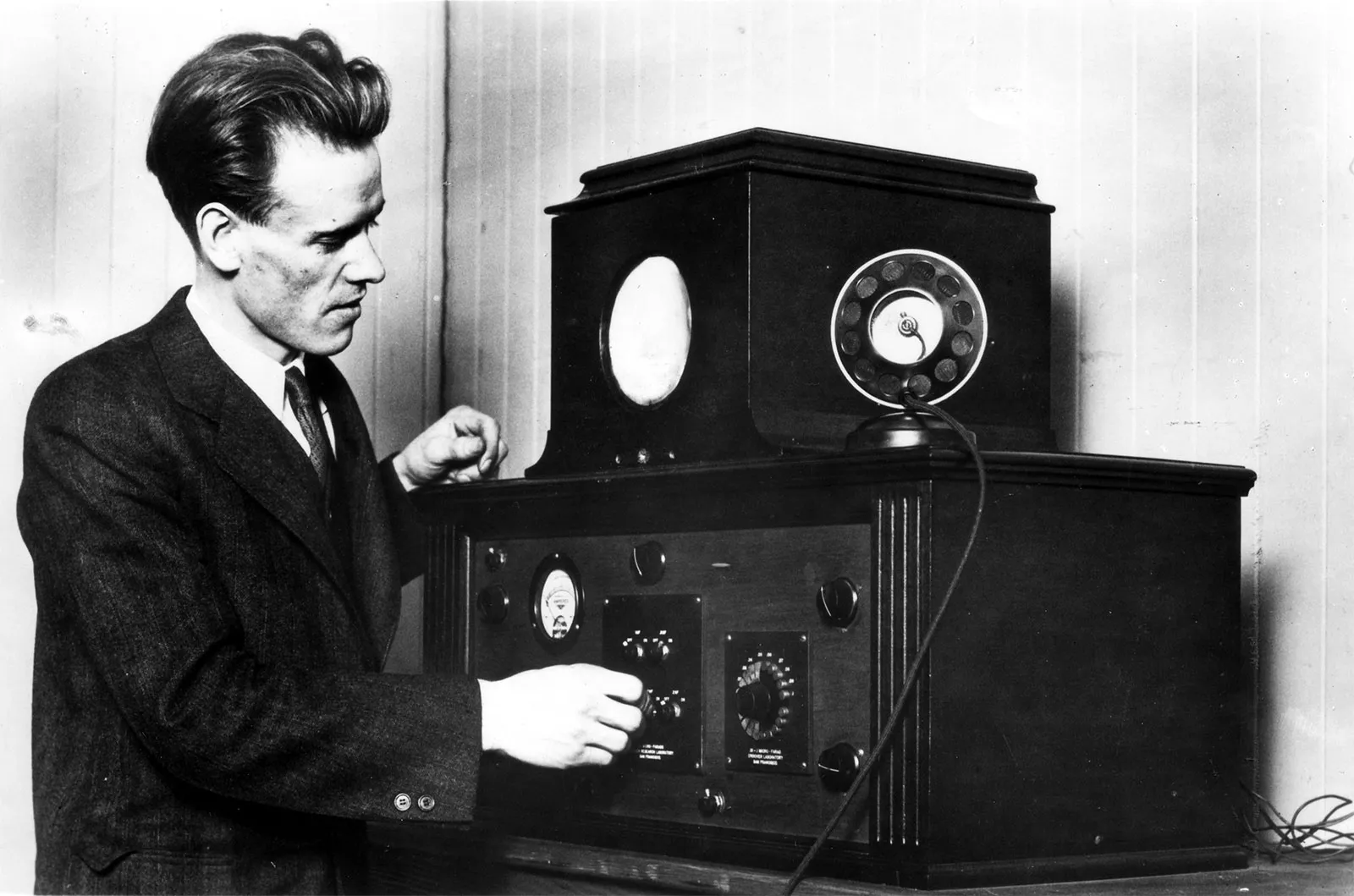
The earliest form of television technology began taking shape in the late 19th and early 20th centuries. Pioneering inventors such as Paul Nipkow, John Logie Baird, and Philo Farnsworth introduced mechanical and electronic systems that eventually developed into fully functioning television broadcasts.
With the first public demonstration of a working television system in the 1920s, and the first official broadcasts in the 1930s, television began transforming the way people consumed information.
Television in the Post-War Era
By the late 1940s and early 1950s, television became a household feature across the United States, Europe, and parts of Asia. The post-war economic boom enabled widespread adoption, making televisions available to average families.
This period witnessed:
- Growth of national news broadcasting
- Live coverage of political events
- Popularization of global entertainment and sports
- Expansion of educational programming
Television became a unifying tool, bringing families together to witness major global events simultaneously.
Television and the Information Revolution
The 1960s and 1970s brought technological advancements such as satellite broadcasting, colored television, and international signal transmission, allowing people worldwide to watch major global moments in real time.
Historic broadcasts like:
- The 1969 Apollo Moon Landing
- The Olympic Games
- International cultural festivals
- Global political summits
demonstrated the unprecedented power of television to connect millions.
The Rise of 24-Hour News Channels
The launch of channels like CNN in the 1980s marked a turning point in media consumption. This era saw:
- Live breaking news
- Round-the-clock reporting
- Global coverage of wars, natural disasters, and political crises
Television became the primary medium for accessing timely updates.
Why the World Still Celebrates World Television Day
Even in the digital age, television remains deeply relevant. World Television Day is celebrated because television continues to influence the world in multiple ways.
1. Television Promotes Public Awareness
Television is often the first source of information during natural disasters, national emergencies, elections, and global crises. It delivers updates in real time, helping people make informed decisions.
2. Television Connects Diverse Communities
Television bridges cultural and linguistic gaps. It broadcasts content that showcases local traditions, global cultures, sports, and entertainment, helping people experience the world from their living rooms.
3. Television Supports Education
Educational programs, documentaries, and children-oriented content help promote literacy, scientific thinking, history awareness, and moral values. Many schooling systems worldwide rely on educational TV channels.
4. Television Shapes Public Opinion
Through debates, investigative journalism, and expert discussions, television:
- Highlights social issues
- Encourages political participation
- Supports activism
- Promotes civic understanding
5. Television Contributes to Economic Growth
The television industry supports millions of jobs:
- Actors, directors, and writers
- Journalists and technicians
- Advertisers and marketers
- Production companies
- Broadcasting networks
It also drives tourism, music, film, and consumer markets through impactful advertising.
6. Television Preserves Culture
From traditional dances to national festivals, television showcases cultural diversity and preserves heritage. Regional channels highlight local languages and customs, helping sustain cultural identity.
World Television Day in the Digital Era: Is TV Still Relevant?
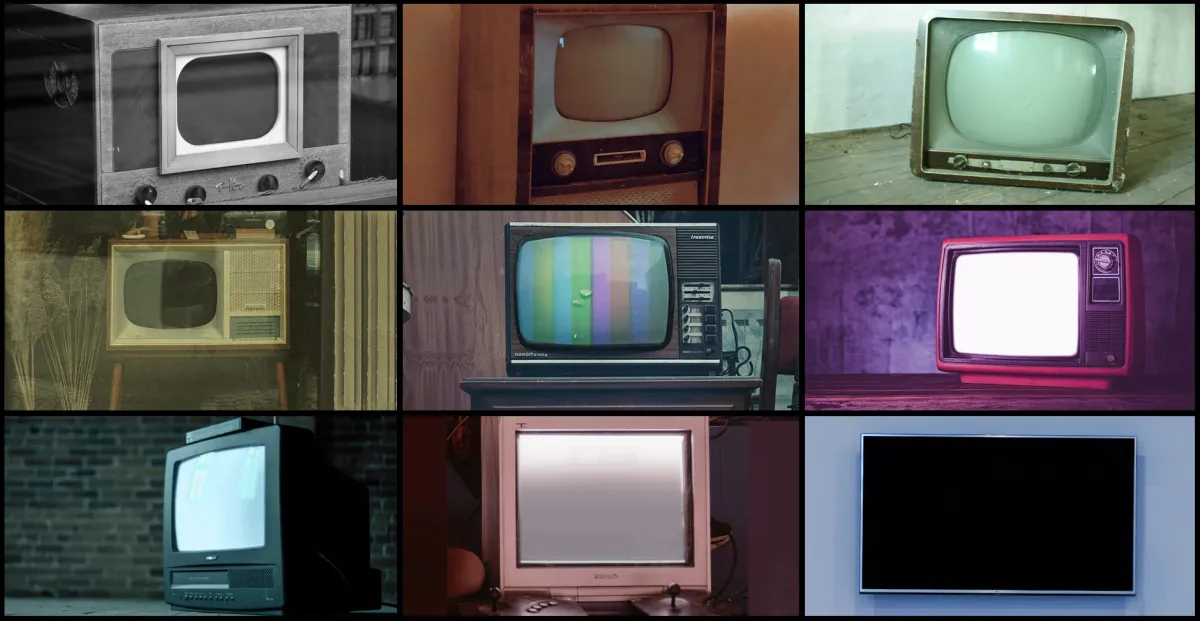
Some may argue that social media and streaming platforms have overtaken traditional television. However, television continues to evolve and remain significant due to several reasons:
Television Maintains High Credibility
Compared to digital platforms prone to misinformation, television still holds high credibility as a trusted news source.
Television Reaches Remote Areas
In many rural and remote regions, television is more accessible than smartphones or the internet.
Television and Live Broadcasting Remain Unmatched
Events such as:
- FIFA World Cup
- Cricket World Cup
- Olympics
- Global political debates
- Award shows
- National celebrations
continue to attract billions through live television broadcasts.
Television Adapts to New Media Trends
Smart TVs, internet-enabled channels, OTT integration, and hybrid broadcasting show that television continues to innovate and remain relevant.
How Television Has Influenced Society Over the Decades
Television is more than a screen. It has shaped human behavior, global culture, and social development.
Television and Political Awareness
Televised debates, press conferences, and election coverage enhance democratic engagement. Citizens gain direct access to political information, policies, and national issues.
Television and Social Change
Television has supported movements such as:
- Gender equality
- Environmental protection
- Human rights activism
- Anti-discrimination campaigns
- Public health awareness
Shows and news programs allow viewers to understand diverse perspectives.
Television and Globalization
Television created a shared global culture, making people aware of international trends, lifestyles, and global events. It helped unify people across borders.
Television and Lifestyle Transformation
Fashion, entertainment, consumer brands, sports culture, and pop music gained global recognition due to television’s widespread influence.
The Power of Educational Television
Educational television has played a transformative role in knowledge distribution. Worldwide, governments use television to deliver learning content to millions of students.
Types of Educational TV Content
- Academic programs for students
- Science and discovery shows
- Language learning
- Health awareness programs
- Documentary and historical series
- Agricultural guidance for farmers
In many countries, educational television became essential during the COVID-19 pandemic when schools were closed.
Television as a Tool During Global Crises
Television has consistently served the world during emergencies.
Disaster Response
During earthquakes, floods, cyclones, and wildfires, television provides evacuation guidelines, government instructions, and real-time updates.
Public Health Awareness
Television campaigns have played a crucial role in awareness regarding:
- Immunization
- Pandemic safety measures
- Sanitation
- Nutrition
- Mental health
Diplomacy and Peacebuilding
Television brings diplomatic meetings and peace negotiations to the public, increasing transparency and global cooperation.
The Cultural Legacy of Television
Television has created unforgettable cultural memories. It has introduced iconic shows, cartoon characters, legends of sports, and historical moments.
Television has shaped national identities through:
- Regional programs
- Folklore storytelling
- Language preservation
- Music and dance shows
- Cultural documentaries
For many families, television remains a bonding activity that connects generations.
Modern Television Technologies and Future Trends
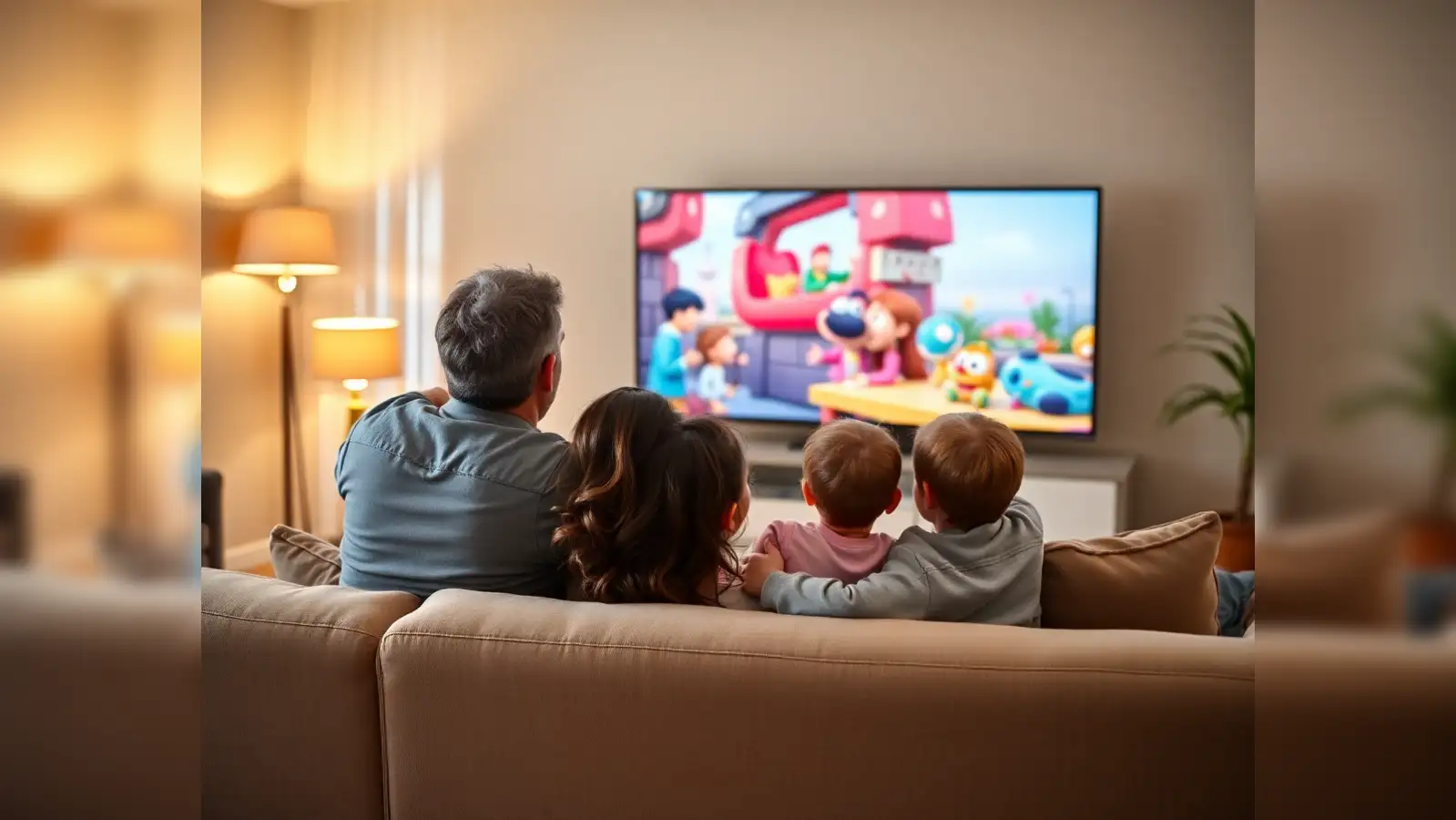
Television continues to evolve rapidly:
Smart TVs
Internet-enabled televisions allow access to apps, OTT platforms, gaming, and streaming services.
4K, 8K, and HDR Technology
High-definition broadcasting creates a cinematic viewing experience.
AI-Integrated Television
Artificial Intelligence enhances:
- Voice control
- Automatic content recommendations
- Advanced audio-visual settings
Hybrid TV Services
Combining internet content with traditional broadcast channels offers viewers more choices.
Virtual and Augmented Reality
Future television may incorporate immersive storytelling using VR and AR.
Why World Television Day Matters Today More Than Ever
Even in an era dominated by smartphones and digital media, World Television Day serves as a reminder that television continues to influence society positively.
It provides:
- Trusted information
- Global connectivity
- Cultural enrichment
- Educational support
- Entertainment and recreation
- A platform for democratic dialogue
Television holds a permanent place in human history as one of the most impactful inventions ever created.
Ways to Celebrate World Television Day
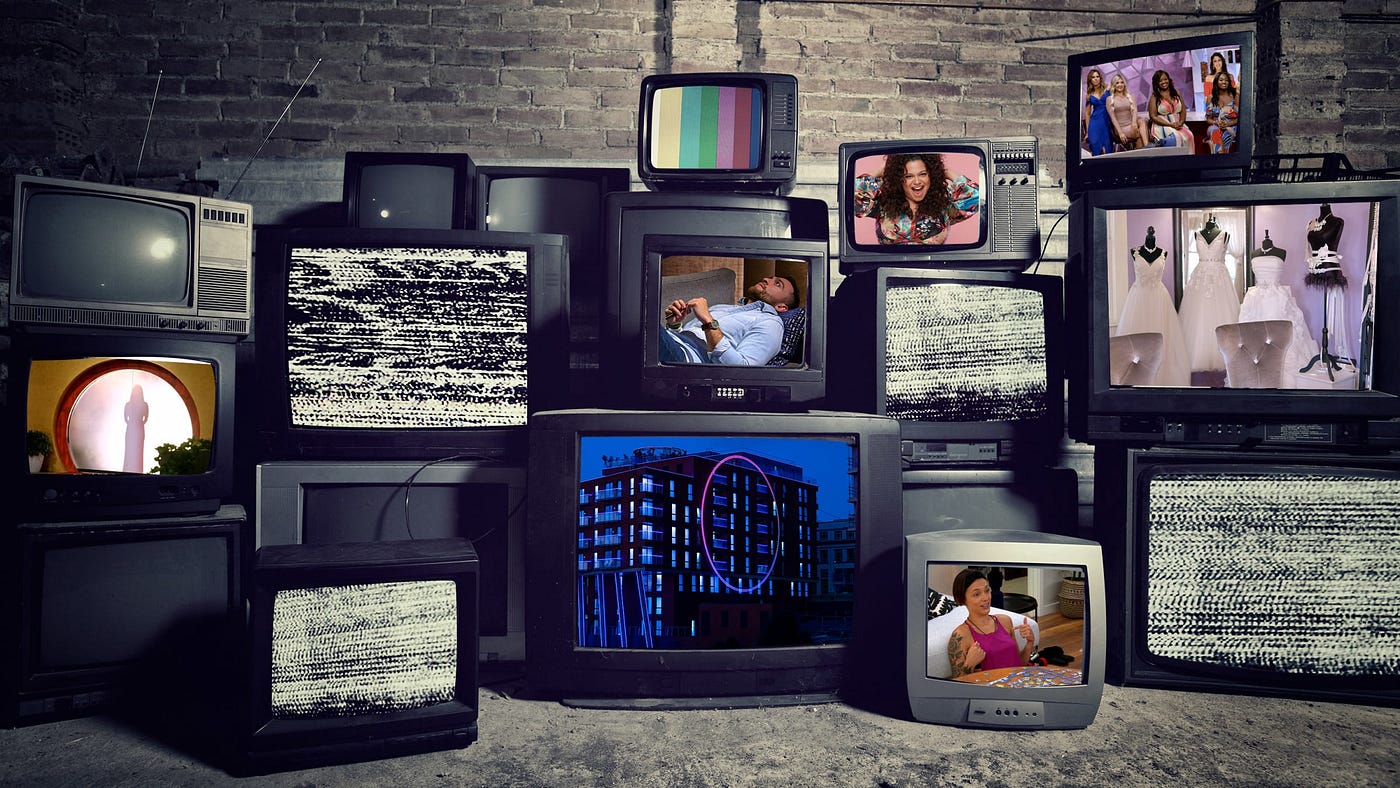
Different countries observe World Television Day in unique ways:
1. Broadcasting Special Programs
TV channels air documentaries, retrospectives, and debates related to the history and impact of television.
2. Media Literacy Campaigns
Organizations promote awareness about responsible media consumption.
3. Public Discussions and Seminars
Universities and media institutions host workshops on the role of television in society.
4. Cultural and Educational Shows
Special programming highlights cultural diversity, innovation, and the future of broadcasting.
5. Reflection on Media Ethics
World Television Day encourages viewers and professionals to reflect on accuracy, authenticity, and responsible reporting.
The Enduring Legacy of Television
Over nearly a century, television has evolved but never faded. It remains one of the most reliable and far-reaching mediums reaching millions of households worldwide.
World Television Day is not a celebration of the device itself but the values it represents:
- Information
- Education
- Culture
- Dialogue
- Unity
Television continues to adapt and grow, proving that its relevance extends far beyond entertainment. It stands as a symbol of shared human experience and collective understanding.
Frequently Asked Questions (FAQs)
1. What is World Television Day?
World Television Day is observed on November 21 every year to highlight the importance of television as a tool for communication, information sharing, cultural exchange, and global awareness.
2. Why is World Television Day celebrated?
It is celebrated to recognize the influence of television in shaping public opinion, promoting education, supporting democracy, and connecting people across the world.
3. Who declared World Television Day?
World Television Day was proclaimed by the United Nations General Assembly in 1996 after the first World Television Forum.
4. Is World Television Day a public holiday?
No, World Television Day is not a public holiday. It is an international observance aimed at acknowledging the global role of television.
5. How does television impact society?
Television influences society by sharing information, encouraging learning, spreading awareness, showcasing cultural diversity, and offering entertainment. It helps shape opinions and supports global dialogue.
6. How is World Television Day observed globally?
Media organizations broadcast special programs, discussions, documentaries, and retrospectives. Educational institutes and communication bodies host seminars, campaigns, and workshops on media literacy.
7. Is television still relevant in the digital age?
Yes, television remains relevant due to its credibility, wide reach, and ability to deliver real-time information. It continues to evolve through smart technology, digital broadcasting, and OTT integration.
8. What role did TV play during global crises like pandemics or natural disasters?
Television played a key role in spreading safety guidelines, emergency updates, health advisories, and educational content when schools and institutions were closed.
9. What is the main theme of World Television Day?
World Television Day does not assign a fixed theme every year. Instead, it focuses on the overall role of television in fostering communication, peace, and global understanding.
10. How has television evolved over the years?
Television has evolved from black-and-white broadcasts to digital TV, satellite networks, high-definition screens, smart TVs, and AI-integrated systems, adapting to modern media consumption trends.