World Pneumonia Day: A Global Call to Stop the Silent Killer

Every year on 12 November, the world marks World Pneumonia Day a day to bring attention to one of the most devastating, yet often under-recognized, infectious diseases: Pneumonia. The theme is simple, but its implications are enormous: pneumonia is preventable and treatable, yet it continues to claim millions of lives.
Thank you for reading this post, don't forget to subscribe!The significance of World Pneumonia Day
World Pneumonia Day was first observed in 2009, when a coalition of clinicians, advocates, academics, UN officials and business people came together to shine a light on pneumonia often called the “forgotten killer of children.”
Since then, every 12 November becomes an opportunity: to raise awareness, to galvanize action, to strengthen partnerships, and to compel governments and communities to act.
Why is a dedicated day needed? Because despite being preventable and treatable, pneumonia remains a major cause of death in children and adults worldwide. It is a problem of health equity, poverty, environment, access, and policy. World Pneumonia Day serves as a global forum for pushing the agenda forward.
Global burden of pneumonia
The scale of the problem
- In 2019, pneumonia claimed approximately 2.5 million lives globally.
- For children under 5 years, more than 700,000 deaths occur each year due to pneumonia.
- Among adults over 70 years of age, pneumonia remains a leading cause of death.
- In many low- and middle-income countries (LMICs), pneumonia death rates are far higher than in high-income countries.
Why does pneumonia kill so many?
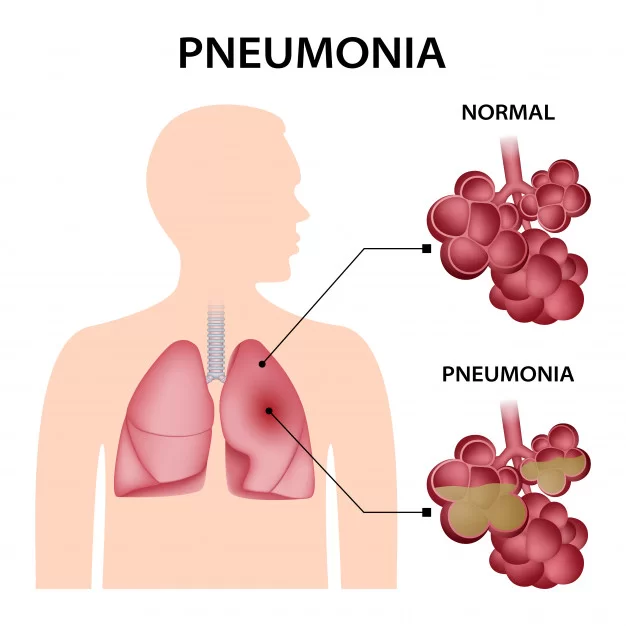
Several factors converge: malnutrition, indoor and outdoor air pollution, lack of vaccines, weak health systems, delayed diagnosis and treatment. For children especially, wasting and stunting increase risk.
Progress and the challenge ahead
There has been progress: for example, global childhood pneumonia deaths have declined substantially since 2000.
But even with decline, the absolute numbers remain unacceptably high, and progress is uneven especially in regions like South Asia and Sub-Saharan Africa.
Why the day matters for India and Assam
In India and thereby Assam these issues are especially relevant: many children under 5 are exposed to risk factors like under-nutrition, indoor air pollution (biomass cooking), low vaccination coverage in some communities, and limited access to quality healthcare in remote or rural areas.
Marking World Pneumonia Day locally helps to raise awareness in the community, mobilize state and local health resources, educate parents/guardians, and push for improved vaccination, nutrition, and environmental hygiene.
Key risk factors and vulnerable groups
Who is most at risk?
- Young children (under 5 years): Their immune systems are still developing, and they are more vulnerable to respiratory infections.
- Older adults (e.g., over 65 or 70 years): Immune decline, comorbidities, exposure to pollution, and weaker access to care increase risk.
- People with chronic conditions: Lung disease (asthma, COPD), heart disease, diabetes, malnutrition, HIV all increase susceptibility.
Major risk factors
- Undernutrition / wasting / stunting: Children who are malnourished are two to four times more likely to be admitted to hospital for pneumonia, and several times more likely to die from it.
- Indoor air pollution / outdoor air pollution: Especially in households using biomass fuels for cooking/heating; exposure doubles children’s risk.
- Low vaccine coverage: Without protective immunization against major pathogens (e.g., pneumococcus, Haemophilus influenzae type b), children are more vulnerable.
- Lack of access to timely care and antibiotics / oxygen / healthcare infrastructure: Many deaths occur because treatment is delayed or unavailable.
- Comorbid infections / weak immune system: For example measles, HIV, and other infections compound risk.
Prevention strategies
One of the key messages of World Pneumonia Day is: pneumonia can be prevented.
Vaccination
Vaccines play a major role in preventing pneumonia caused by common bacteria:
- The pneumococcal conjugate vaccine (PCV) is one of the most effective tools. In 2023, over 60% of children globally received one dose of PCV, according to some estimates.
- Vaccination against Haemophilus influenzae type b (Hib) and other pathogens also helps.
Improving nutrition
Ensuring children have good nutritional status (including exclusive breastfeeding in infancy, adequate complementary feeding, reduction of wasting/stunting) is foundational. Undernourished children have significantly higher risk of severe pneumonia.
Reducing pollution and environmental risk
- Reducing indoor air pollution: promoting clean cooking fuel and ventilation.
- Controlling outdoor air pollution, smoking cessation, reducing second-hand smoke exposure.
Good hygiene and infection control
Hand-washing, reducing overcrowding, ensuring robust primary health care, early identification of respiratory symptoms.
Strengthening health systems
Ensuring that children and adults with suspected pneumonia have access to timely diagnosis, antibiotics, oxygen therapy (where needed), and referral for complicated cases. The availability of medical oxygen has been a highlighted topic recently.
Treatment and management
Even with prevention in place, pneumonia will still occur. Therefore, timely and effective treatment is critical.
Early recognition
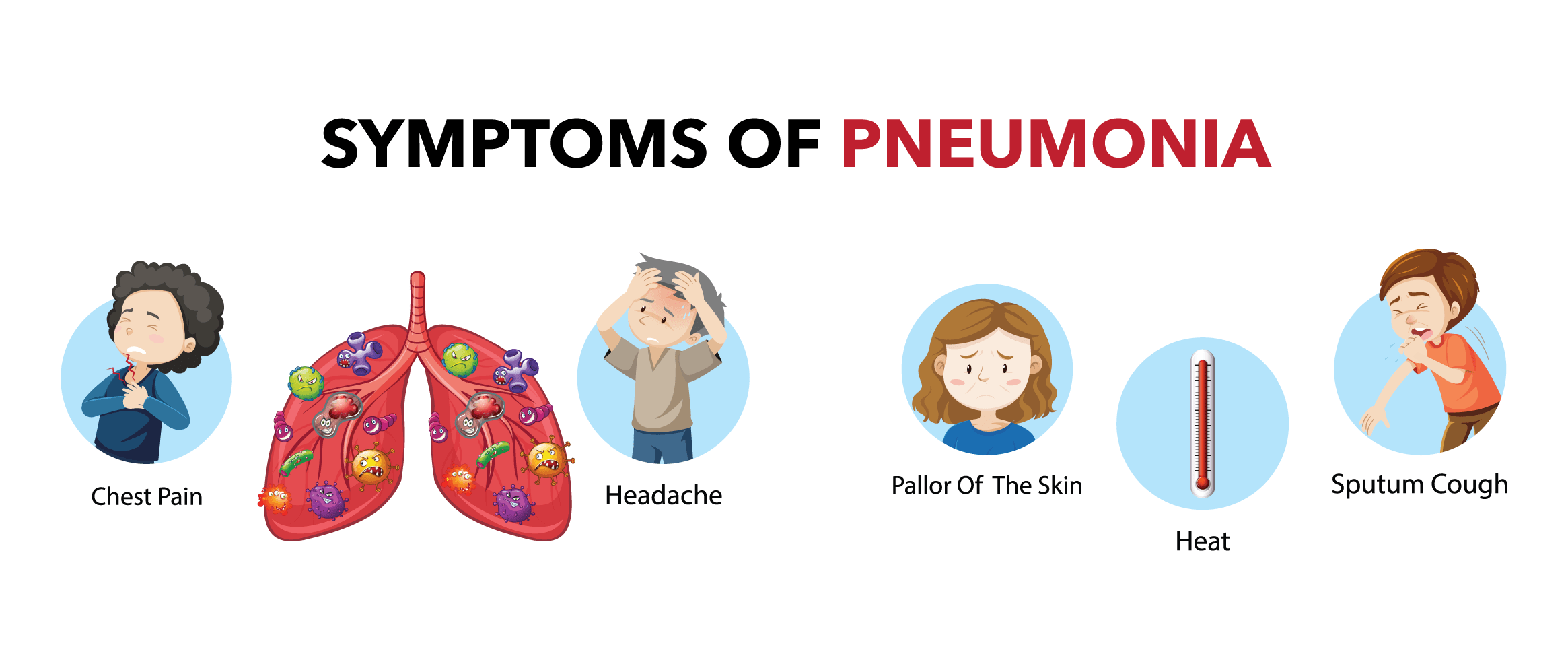
Symptoms may include cough, difficulty breathing, fast breathing (in children), chest pain, fever, chills, shortness of breath. American Lung Association Recognizing pneumonia early and seeking medical care is vital.
Antibiotics and supportive care
For bacterial pneumonia, appropriate antibiotics reduce morbidity and mortality. For severe cases, oxygen therapy, hospitalisation, and advanced care may be needed.
Oxygen therapy and severe disease
Medical oxygen has increasingly been recognised as a lifesaving intervention for severe pneumonia and insufficient access in many LMICs remains a major barrier.
Addressing antimicrobial resistance (AMR)
AMR complicates pneumonia treatment; for example, one analysis found that Streptococcus pneumoniae was the most frequent pathogen associated with deaths attributable to AMR. PMC Hence, correct antibiotic use, stewardship and diagnostics matter.
Thematic priorities of recent World Pneumonia Day campaigns
Each year, World Pneumonia Day often has a theme to focus momentum. For example:
- In 2024, the theme emphasised “urgent action to expand access to prevention and treatment worldwide” especially for high-risk groups.
- In earlier years, themes included lifting community voices, integrating pneumonia within universal health coverage, the role of oxygen, etc.
These thematic priorities serve to align stakeholders from governments to NGOs to communities to key strategic interventions.
Challenges and barriers
Despite the tools and knowledge, many barriers remain in the fight against pneumonia:
Access and equity
In many regions particularly remote/rural areas, conflict zones, or poorest countries vaccines, antibiotics, oxygen, skilled staff, diagnostics are lacking. This leaves the most vulnerable children and older adults unprotected.
Environmental and socioeconomic determinants
Poverty, malnutrition, poor housing, indoor air pollution, lack of clean water and sanitation all drive pneumonia risk. Tackling these determinants requires multisectoral action, not just health sector.
Slow progress in some regions
Although overall childhood pneumonia deaths have declined, progress has slowed recently, and in some pockets, high rates persist.
Emerging threats
The global respiratory pandemic (e.g., COVID-19) exposed vulnerabilities in systems to handle pneumonia and respiratory infections. AMR is another rising threat.
Awareness and stigma
Many people do not recognize pneumonia as a serious condition; vaccination or early care may be missed. For instance, in the US only 22% of adults were concerned about pneumonia, despite substantial risk.
The role of India and regional focus (Assam)
For India including Assam the fight against pneumonia must be localised, culturally sensitive and integrated within existing health systems.
India’s context
India bears a substantial proportion of the global pneumonia burden, given its large child population, pockets of under-nutrition, variable immunisation coverage, and environmental risk factors. Integrating pneumonia prevention into India’s child-health programmes is essential.
Assam and local relevance
In Assam, like other northeastern states, factors such as rural remote communities, indoor biomass fuel use, limited access to tertiary care, and nutrition issues in tribal and marginalised communities may intensify pneumonia risk. Therefore, on World Pneumonia Day, local campaigns, awareness drives in Assamese (or local languages) and community engagement are especially important.
What can be done locally
- Health worker training in pneumonia detection and referral.
- Community awareness in Assamese and other local dialects: signs of pneumonia, when to seek care.
- Promote clean cook-stove programmes, reduce indoor smoke exposure.
- Ensure local vaccination drives include PCV and Hib.
- Strengthen primary health centres (PHCs) for early antibiotic treatment and referral pathways.
- Collaboration with NGOs and tribal health programmes to reach remote communities.
What individuals and communities can do
On World Pneumonia Day and beyond, each person has a role. Here are actions at individual, community and policy levels:
Individual & family level
- Ensure children receive all recommended vaccinations (including PCV) and older adults discuss with their doctor whether pneumococcal vaccination is appropriate.
- Promote and practise exclusive breastfeeding for the first 6 months, maintain good nutrition for children.
- Improve household air quality if using biomass fuels, ensure good ventilation; avoid indoor smoking.
- Learn the signs of pneumonia (persistent cough, fast breathing in children, chest pain, breathlessness) and seek care promptly.
- Advocate for healthy living: hand-washing, reduce overcrowding, maintain clean surroundings.
Community & local health level
- Facilitate awareness sessions on pneumonia in local languages, in schools, community halls, health centres.
- Encourage local health workers to use clear referral pathways and ensure oxygen/antibiotic availability.
- Support programmes to reduce indoor air pollution (clean cook-stove, improved ventilation).
- Mobilise local civil societies, tribal organisations and NGOs to raise pneumonia prevention in remote regions.
- On 12 November (World Pneumonia Day) organise events walks, talks, social-media campaigns to highlight the issue locally.
Policy & advocacy level
- Encourage governments and health ministries to prioritise pneumonia prevention—vaccination roll-out, oxygen access, antibiotic stewardship. For example, the World Health Organization and other bodies call for such expansions.
- Advocate for funding to strengthen health systems in rural/remote areas: diagnostics, oxygen, trained staff.
- Address broader determinants: indoor/outdoor air pollution regulation, nutrition programmes, clean energy access, smoking cessation policies.
- Monitor and publicise data on pneumonia incidence and deaths to ensure accountability and progress tracking.
- Partner across sectors (health, environment, energy, civil society) to reduce pneumonia burden.
Case studies & success stories

Global examples
- Countries such as Bangladesh, Nigeria, Kenya, Somalia have committed to specific programmes on pneumonia: e.g., procurement of oxygen, training of health workers, community case management.
- The global introduction of PCV vaccines and the increase in coverage in recent years has helped reduce childhood pneumonia deaths.
Learning from practice
These success stories underline several factors: political commitment, sustained financing, integration of pneumonia within child health and primary care, and community engagement. They also show that the “tools” exist but access and equity determine impact.
The path ahead: goals and targets
Global targets
- Achieve high coverage of pneumonia vaccines e.g., PCV: the global target of 90% coverage by 2030 has been set.
- Reduce under-five pneumonia deaths sharply; continue the downward trend and close gaps between countries.
- Ensure oxygen therapy and essential antibiotics are accessible in every primary health facility, especially in LMICs.
- Address AMR: monitor antibiotic use, strengthen diagnostics, implement stewardship programmes.
- Tackle environmental risks: reduce indoor biomass use, control outdoor pollution, reduce second-hand smoke exposure.
For India and Assam
- Integrate pneumonia metrics into state health monitoring systems, ensure state-level vaccine roll-out monitors.
- Strengthen PHCs and district hospitals for pneumonia case management, including oxygen delivery.
- Use World Pneumonia Day to review progress, mobilise resources, engage local media and communities in Assamese and tribal languages.
- Build partnerships with local NGOs, tribal health boards, social workers to ensure remote populations are included.
Measuring progress
The importance of reliable data cannot be underestimated: tracking incidence, mortality, vaccine coverage, access to oxygen, antibiotic availability will enable targeted interventions. The organisation Every Breath Counts emphasises this.
The environmental and climate connection
An emergent area that recent World Pneumonia Day campaigns emphasise is the connection between pneumonia, air pollution and climate change. For instance:
- Household use of solid fuels generates indoor air pollution which increases pneumonia risk in children.
- Outdoor air pollution and climate-related factors (e.g., extreme weather, changes in seasonal patterns of respiratory pathogens) may influence pneumonia incidence.
- As climate change drives more pollution and extremes, respiratory disease burden may increase thus pneumonia prevention is part of broader climate and health resilience.
In this way, pneumonia prevention links to Sustainable Development Goals (SDGs), clean energy access, air quality management and broader public-health and environmental policy.
Why this matters for us
Every breath matters. Pneumonia does not respect borders though the burden is heavier in poorer regions, anyone can be affected. Recognising pneumonia’s impact is vital for several reasons:
- Human cost: Each death is a loss a child lost, a parent bereaved, a family impacted.
- Equity issue: Pneumonia disproportionately affects the poorest, the most vulnerable, remote communities, making it a marker of social injustice.
- Preventable tragedy: Many pneumonia deaths happen because the tools exist (vaccines, antibiotics, oxygen, nutrition, clean air) but are not delivered equitably.
- Call to action: World Pneumonia Day is not just symbolic it serves as a rallying date for advocacy, funding, programme launches, awareness campaigns and community engagement.
- Local relevance: For Assam and India, this is an opportunity to highlight local gaps, mobilise community action, strengthen health systems and reduce avoidable deaths.
How to mark World Pneumonia Day (12 November)
Here are practical suggestions for individuals, communities, institutions:
- At home: Discuss with family about pneumonia, its risks, the importance of vaccination and clean air.
- In schools/colleges: Organise awareness sessions, poster campaigns, debates about pneumonia and respiratory health.
- In communities: Use the day to host health camps focusing on pneumonia screening, clean-fuel awareness, nutritional counselling.
- For health workers: Conduct refresher trainings, check stocks of oxygen, antibiotics, ensure early referral mechanisms are in place.
- For media: Publish stories, human-interest pieces, data visualisations about pneumonia burden locally and globally.
- For policy-makers: Use the day to review progress, launch or recommit to pneumonia prevention programmes, allocate resources.
- On social media: Use hashtags, share facts (e.g., “Did you know pneumonia kills over 700,000 children under 5 each year?”), encourage public to ask about pneumonia prevention.
Conclusion
World Pneumonia Day reminds us that pneumonia is not just a “childhood illness” of the past, nor an obscure health problem it remains one of the leading infectious killers worldwide. But the bright side is clear: many pneumonia deaths are preventable with existing tools and knowledge.
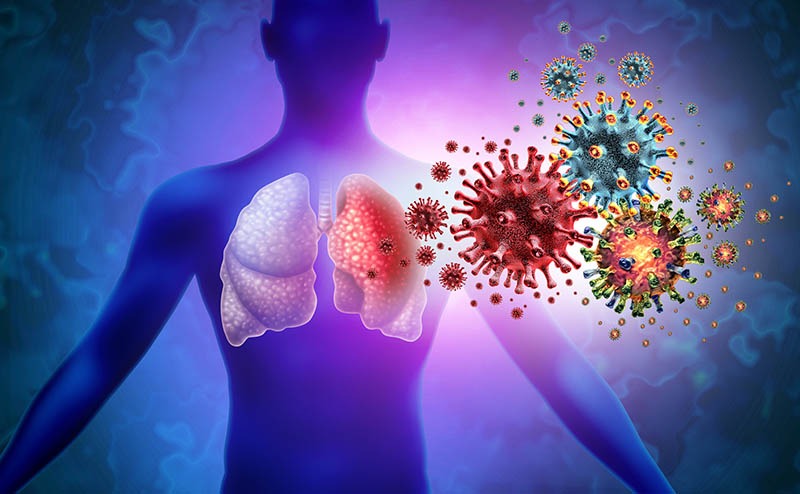
By recognising the burden, understanding the risk factors, strengthening prevention and treatment, mobilising communities and policy action, we can turn the tide.
So this World Pneumonia Day, let us commit: to protect our children, our elders, our communities; to push for clean air, nutrition, vaccination, strong health systems; and to ensure that no one loses their life to pneumonia simply because they were born in the wrong place or lacked access.
Together we can ensure that every breath counts and that pneumonia becomes a disease of the past rather than a continuing burden.
Let us mark World Pneumonia Day as a day of awareness, action, and hope.
Frequently Asked Questions (FAQs) on World Pneumonia Day
1. What is World Pneumonia Day?
World Pneumonia Day is observed every year on November 12 to raise global awareness about pneumonia a preventable and treatable disease that remains one of the leading causes of death in children and older adults worldwide. The day calls for collective action to prevent and control pneumonia through vaccination, improved healthcare, nutrition, and cleaner air.
2. Why is World Pneumonia Day important?
It highlights the ongoing global burden of pneumonia and urges governments, health agencies, and communities to strengthen prevention and treatment efforts. Pneumonia kills nearly 2.5 million people each year, many of whom could have been saved with timely medical care, vaccination, and oxygen support.
3. When is World Pneumonia Day celebrated?
World Pneumonia Day is celebrated every 12 November. It has been observed globally since 2009, when the Global Coalition Against Child Pneumonia launched the initiative to draw attention to the world’s “forgotten killer of children.”
4. What causes pneumonia?
Pneumonia is caused by bacteria, viruses, or fungi that infect the lungs. The most common bacterial cause is Streptococcus pneumoniae, while viral causes include influenza viruses, respiratory syncytial virus (RSV), and SARS-CoV-2 (the virus that causes COVID-19).
5. What are the symptoms of pneumonia?
Common symptoms include:
- Cough with phlegm or pus
- Chest pain or difficulty breathing
- Fever, sweating, and chills
- Fatigue or weakness
- Rapid breathing (especially in children)
If untreated, pneumonia can lead to severe respiratory distress and death, especially among infants, elderly people, and those with weak immune systems.
6. How can pneumonia be prevented?
Prevention includes:
- Vaccination (against pneumococcus, Hib, influenza, COVID-19, etc.)
- Exclusive breastfeeding for the first six months of life
- Adequate nutrition
- Avoiding exposure to tobacco smoke and air pollution
- Practising good hygiene (handwashing, covering mouth when coughing)
- Seeking prompt medical care for respiratory symptoms
7. Who is most at risk of pneumonia?
The highest risk groups are:
- Children under 5 years, especially those who are malnourished
- Older adults (65 years and above)
- People with chronic diseases (asthma, diabetes, COPD, heart disease)
- Immunocompromised individuals, such as those with HIV/AIDS
- People exposed to high levels of pollution or living in overcrowded conditions
8. How is pneumonia treated?
Treatment depends on the cause:
- Bacterial pneumonia – antibiotics are effective when started early.
- Viral pneumonia – treated with rest, hydration, and sometimes antiviral medication.
- Severe cases – may require hospitalisation, oxygen therapy, or mechanical ventilation.