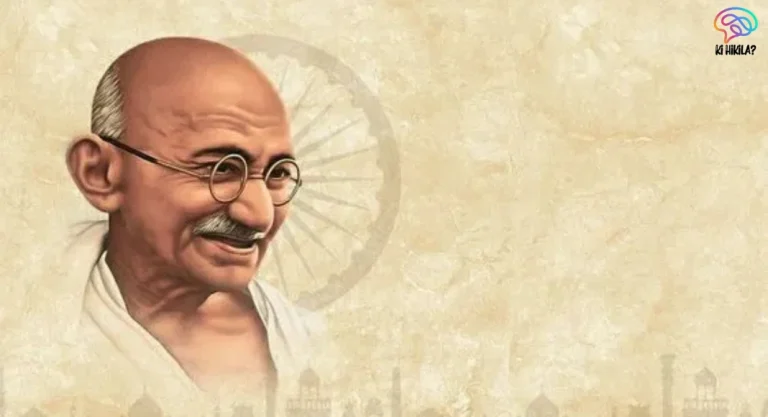
International Mother Language Day: Celebrating Our Languages

International Mother Language Day is celebrated every year on February 21 across the world. This special day reminds us of the importance of our mother language the first language we learn from our parents and family. It also celebrates the linguistic diversity of different cultures and communities around the globe.
Thank you for reading this post, don't forget to subscribe!Language is not just a way of speaking or writing. It is a way to express feelings, ideas, traditions, and history. Every language carries stories of the past, values of the present, and hopes for the future. Through language, people share their culture, beliefs, songs, poems, and everyday life experiences.
International Mother Language Day encourages people to respect all languages, especially those that are slowly disappearing. It teaches us that every language is important, whether it is spoken by millions of people or only by a small community.
What Is a Mother Language?
A mother language (also called mother tongue) is the first language a person learns from birth. It is usually the language spoken at home by parents, grandparents, and family members.
For most people, their mother language is:
- The language they feel most comfortable speaking
- The language in which they think and dream
- The language that connects them to their culture and roots
A mother language shapes how we understand the world. It helps us express emotions clearly and build strong relationships with others in our community.
Why Is Language Important in Our Lives?
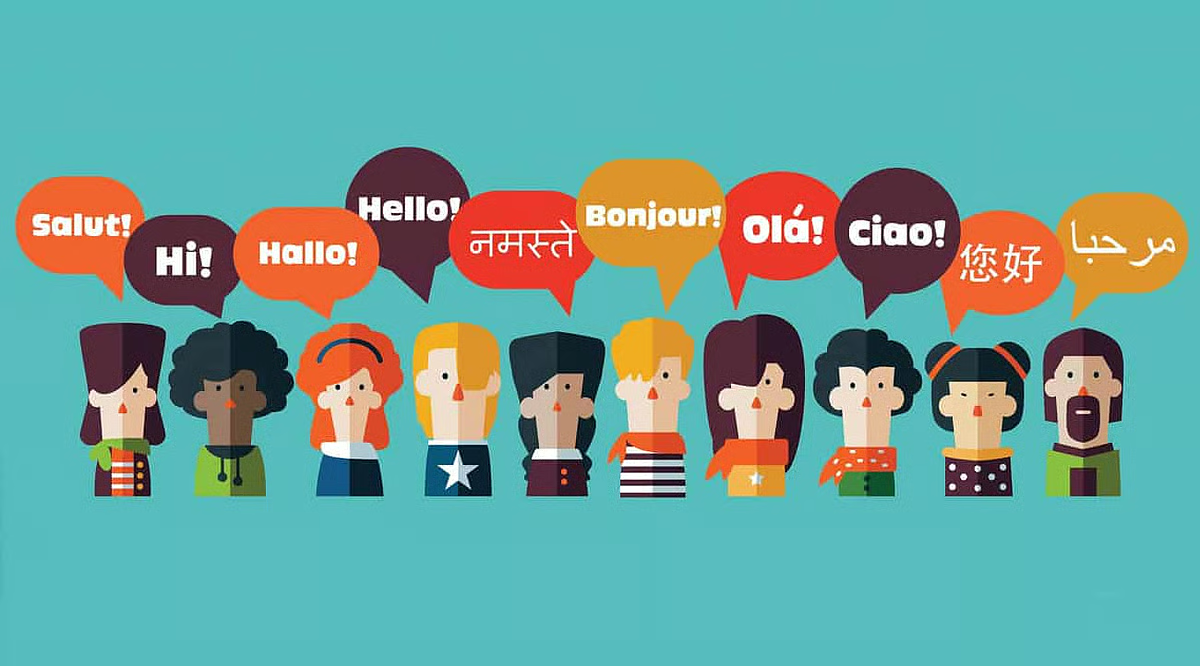
Language plays a very important role in human life. It is not only used for communication but also for building identity and understanding society.
1. Language Builds Identity
Language gives us a sense of who we are. When we speak our mother language, we feel connected to our family, ancestors, and homeland.
2. Language Preserves Culture
Culture includes traditions, festivals, stories, songs, and customs. All these are passed down through language. If a language disappears, a part of that culture also disappears forever.
3. Language Helps in Learning
Children learn best when they are taught in their mother language, especially in early education. It helps them understand concepts easily and improves confidence.
4. Language Connects People
Language allows people to share ideas, solve problems together, and live peacefully in society. It helps in building unity and understanding among communities.
The Problem of Disappearing Languages
Sadly, many languages around the world are in danger of disappearing. Due to globalization, people often choose to speak only major languages like English, Hindi, Mandarin, or Spanish.
According to the United Nations, one language disappears every two weeks. When a language dies:
- Stories and oral traditions are lost
- Cultural knowledge disappears
- Unique ways of thinking vanish
Today, there are about 6,000 languages spoken in the world. Out of these, nearly 43% are endangered. This means they may not survive in the next generation.
Only a few hundred languages are:
- Taught in schools
- Used in government offices
- Commonly used on the internet
Because of this, many parents stop teaching their mother language to their children. Slowly, the language fades away.
Globalization and Language Loss
Globalization has helped people connect worldwide, but it has also caused problems for small languages.
Effects of Globalization on Language
- People prefer global languages for jobs and education
- Local languages are seen as less useful
- Media and technology mostly use major languages
For example, in countries like the United States, many native languages once spoken by indigenous communities are now nearly extinct. English has replaced many mother tongues over generations.
The Inspiration Behind International Mother Language Day
The history of International Mother Language Day is deeply connected to the Language Movement of Bangladesh.
The Partition of India (1947)
In 1947, British India was divided into two countries:
- India
- Pakistan
Pakistan was divided into two parts:
- West Pakistan (present-day Pakistan)
- East Pakistan (present-day Bangladesh)
Although these two parts were one country, they were separated by a large distance and had different cultures and languages.
The Language Conflict in Pakistan
Most people in East Pakistan spoke Bengali (Bangla) as their mother language. However, in 1948, the government of Pakistan declared Urdu as the only national language.
This decision caused great anger in East Pakistan because:
- The majority of people did not speak Urdu
- Bengali was ignored and disrespected
Language is deeply connected to identity, and people felt their culture was under threat.
The Language Movement of 1952
The people of East Pakistan began peaceful protests demanding that Bengali be recognized as a national language.
When the government banned public protests, students from the University of Dhaka came forward. They organized rallies and protests to protect their right to speak their mother tongue.
February 21, 1952 – A Tragic Day
On February 21, 1952, police opened fire on peaceful protesters.
- Five people were killed
- Hundreds were injured
These brave people sacrificed their lives for the right to speak their mother language.
Since then, February 21 has been remembered in Bangladesh as a day of mourning and respect for the language martyrs.
From Tragedy to Global Recognition
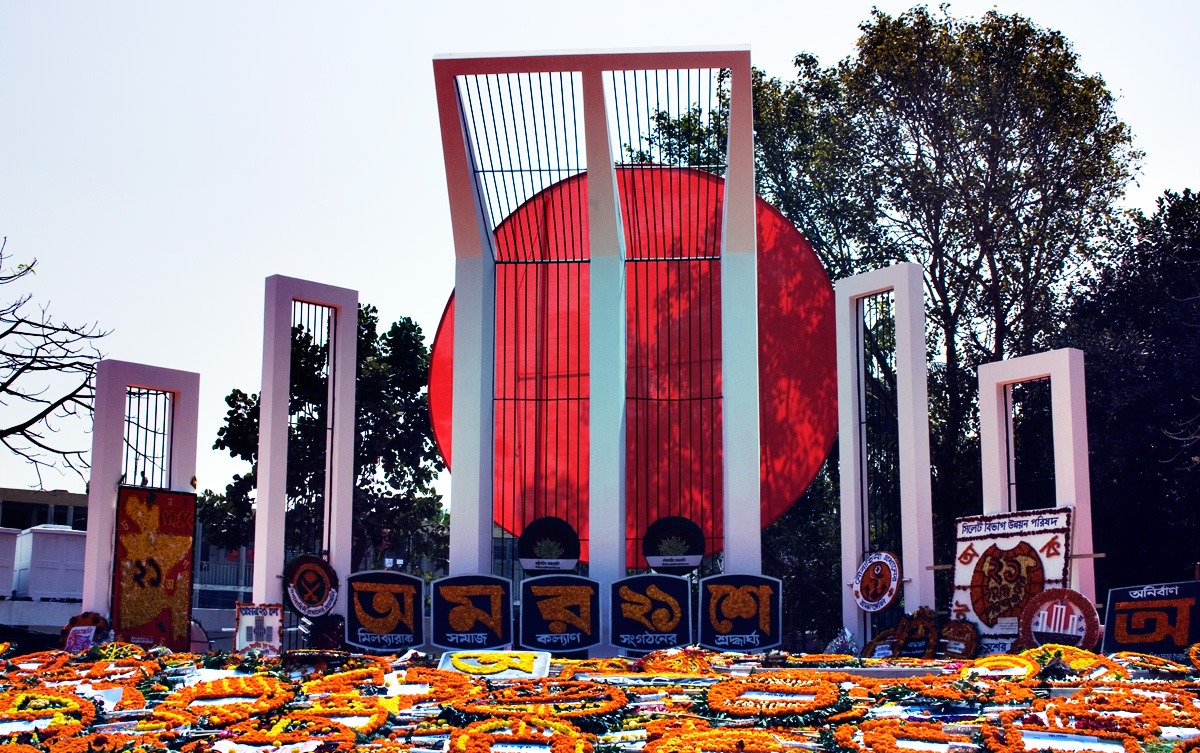
In 1998, two Bengali activists wrote a letter to Kofi Annan, the then Secretary-General of the United Nations. They requested the UN to declare International Mother Language Day to save languages from extinction.
The Government of Bangladesh supported this idea and submitted a proposal to UNESCO.
Official Recognition
On November 17, 1999, during the 30th General Conference of UNESCO, International Mother Language Day was officially declared.
Since then, February 21 has been observed worldwide as International Mother Language Day.
Aims of International Mother Language Day
International Mother Language Day has several important goals:
- Promote linguistic diversity
- Encourage multilingual education
- Protect endangered languages
- Respect all cultures and traditions
- Support the use of mother languages in daily life
This day reminds governments, schools, and individuals to take action to protect languages.
Importance of Mother Language in Education
Education becomes more effective when children are taught in their mother language, especially in early years.
Benefits of Mother Tongue Education
- Better understanding of subjects
- Higher confidence in students
- Strong foundation for learning other languages
- Reduced dropout rates
UNESCO supports mother tongue-based education because it helps children succeed academically and socially.
International Mother Language Day in the Digital Age
The internet is a powerful tool, but it mainly supports a few major languages.
Challenges
- Most websites are in English or a few other languages
- Small languages have little digital content
Opportunities
- Social media allows people to share content in their mother language
- Online dictionaries and apps help preserve languages
Using mother languages online can help keep them alive for future generations.
How Is International Mother Language Day Celebrated?
People around the world celebrate this day in different ways.
1. Learn a New Language
Learning a new language helps you:
- Understand a new culture
- Improve thinking skills
- Become more open-minded
It also shows respect for other cultures.
2. Celebrate Your Heritage
People organize:
- Language-themed events
- Cultural programs
- Storytelling sessions
These activities help others learn about different languages and traditions.
3. Use Social Media to Spread Awareness
You can post:
- Common phrases from your mother language
- Fun facts about languages
- Short poems or songs
Using hashtags like #MotherLanguageDay helps spread the message worldwide.
4. Explore Etymology
Etymology means studying the origin of words.
By exploring word roots, we learn how languages are connected and influenced by each other.
5. Attend Cultural Events and Film Festivals
For example, the Mother Tongue Film Festival is held every year in Washington D.C. on International Mother Language Day.
It showcases films in different languages and promotes cultural understanding.
Role of Students in Protecting Mother Languages
Students play a very important role in preserving languages.
What Students Can Do
- Speak their mother language at home
- Learn to read and write it
- Share stories and songs
- Respect other languages
Even small efforts can make a big difference.
Language and Tolerance
Learning about different languages helps us become:
- More tolerant
- More understanding
- More respectful
When we understand others’ languages, we understand their feelings and viewpoints better. This helps build peace and unity in the world.
International Mother Language Day in India
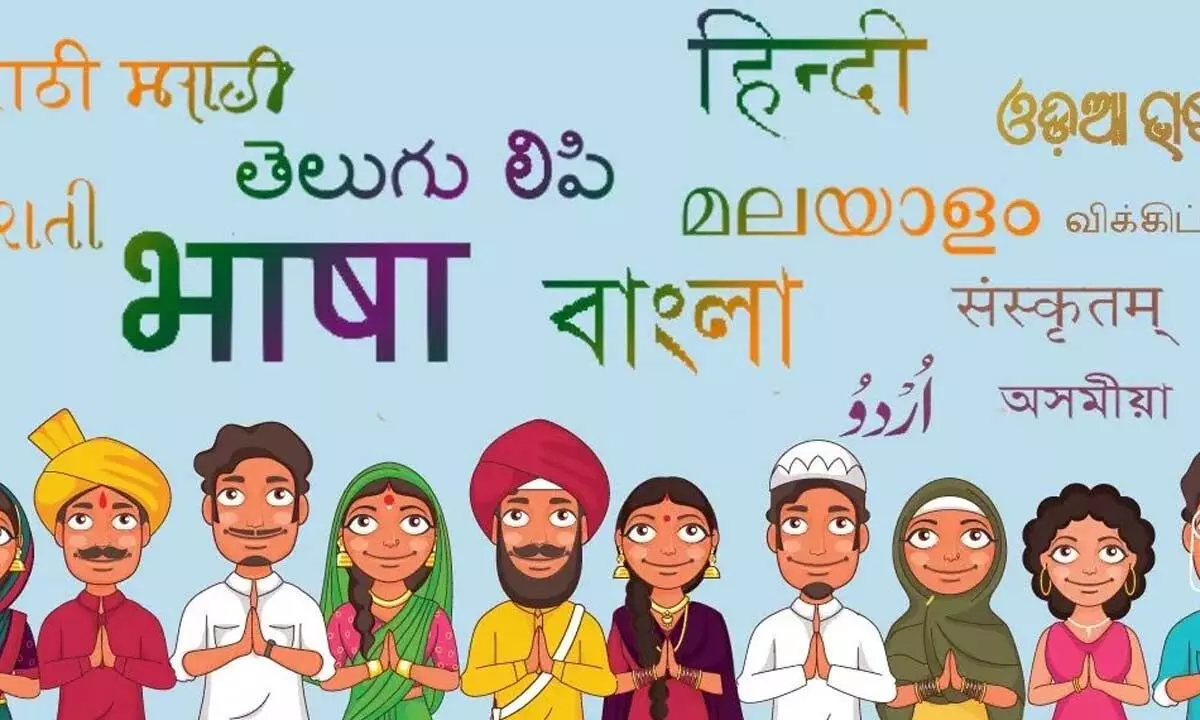
India is one of the most linguistically diverse countries in the world.
- India has 22 official languages
- Hundreds of regional and tribal languages are spoken
International Mother Language Day is very important in India because it reminds people to respect and protect all languages, big or small.
Challenges in Preserving Languages
Despite awareness, many challenges remain:
- Lack of written records
- No formal education in some languages
- Migration and urbanization
- Preference for global languages
Solving these problems requires effort from governments, communities, and individuals.
What Can Governments Do?
Governments can help by:
- Supporting mother tongue education
- Creating language preservation programs
- Encouraging multilingual policies
- Funding research on endangered languages
Strong policies can help languages survive and grow.
Why International Mother Language Day Matters Today
In today’s fast-changing world, protecting languages is more important than ever.
Languages are not just tools for communication. They are living symbols of human history and diversity.
International Mother Language Day reminds us that:
- Every language matters
- Every culture deserves respect
- Diversity makes the world richer
Conclusion
International Mother Language Day, celebrated on February 21, is a powerful reminder of the importance of language in our lives. It honors the brave people who sacrificed their lives for their mother tongue and encourages us to protect linguistic diversity worldwide.
In a world where many languages are disappearing, this day teaches us to value our mother language and respect others. By speaking, learning, and sharing our languages, we help preserve culture, history, and identity for future generations.
Language is our voice, our memory, and our heritage. Protecting it is our responsibility.
FAQs – International Mother Language Day
1. When is International Mother Language Day celebrated?
International Mother Language Day is celebrated every year on February 21.
2. Why is International Mother Language Day important?
This day is important because it promotes linguistic diversity, protects endangered languages, and encourages people to respect their mother tongue.
3. Who started International Mother Language Day?
International Mother Language Day was established by UNESCO in 1999 after a proposal from the Government of Bangladesh.
4. What is a mother language?
A mother language is the first language a person learns at home from their parents and family members.
5. What inspired International Mother Language Day?
The Language Movement of Bangladesh in 1952, where people sacrificed their lives for the right to speak Bengali, inspired this day.
6. How many languages are endangered today?
Out of about 6,000 languages spoken worldwide, nearly 43% are endangered.
7. How can students help protect mother languages?
Students can help by speaking their mother language, learning to read and write it, and respecting other languages.
8. What role does UNESCO play on this day?
UNESCO promotes multilingual education, cultural diversity, and the protection of endangered languages.