
SBI Rupee Trade Boosts India–Israel Economic Ties

SBI Rupee Trade is set to become a key pillar in strengthening business relations between India and Israel. India’s largest public sector bank, the State Bank of India (SBI), is preparing to support trade between the two nations by allowing payments to be settled directly in Indian rupees. This step comes at a time when both governments are actively pushing forward talks on a Free Trade Agreement (FTA), aiming to make trade smoother, faster, and more cost-effective.
Thank you for reading this post, don't forget to subscribe!The move reflects a growing effort by India to promote the use of its own currency in global trade. For India and Israel, it also signals deeper trust, stronger financial cooperation, and a shared vision for long-term economic growth.
How SBI Plans to Handle Rupee-Based Trade
SBI Rupee Trade will allow exporters and importers in India and Israel to settle their business payments in Indian rupees instead of relying on foreign currencies. SBI is the only Indian bank with a physical branch in Israel, located in Tel Aviv, which gives it a unique position to manage this system smoothly.
Under this arrangement, trade payments will be routed through a special rupee account maintained by SBI. Israeli businesses selling goods or services to India can receive payments in rupees, while Indian companies importing from Israel can pay in the same currency. This approach simplifies transactions and reduces delays linked to currency conversion.
Official Clearances and Business Outreach
SBI has already received all necessary approvals to roll out this rupee settlement system. The Tel Aviv branch has been working closely with business groups and trade bodies to spread awareness about how the process works and how companies can benefit from it.
To ensure wide participation, SBI has partnered with the Israel-India Chamber of Commerce to host meetings and online sessions. These events have attracted interest from several Israeli companies, including those in the defence and technology sectors, which already have strong trade links with India. The goal is to make rupee trade a practical and trusted option for everyday business.
Helping Indian Workers and Families in Israel
SBI Rupee Trade is not limited to large companies. The bank is also expanding services for Indian workers living in Israel. In recent times, tens of thousands of Indians have moved to Israel for jobs in construction, farming, and other sectors.
SBI is making it easier for these workers to send money back home by offering account services through its Tel Aviv branch. Indian workers can open special accounts that help them manage savings and transfers more easily. The bank is also exploring tie-ups with fintech firms and local banks to make remittances faster and more affordable, helping families in India receive money without hassle.
Why SBI Rupee Trade Matters for Both Countries
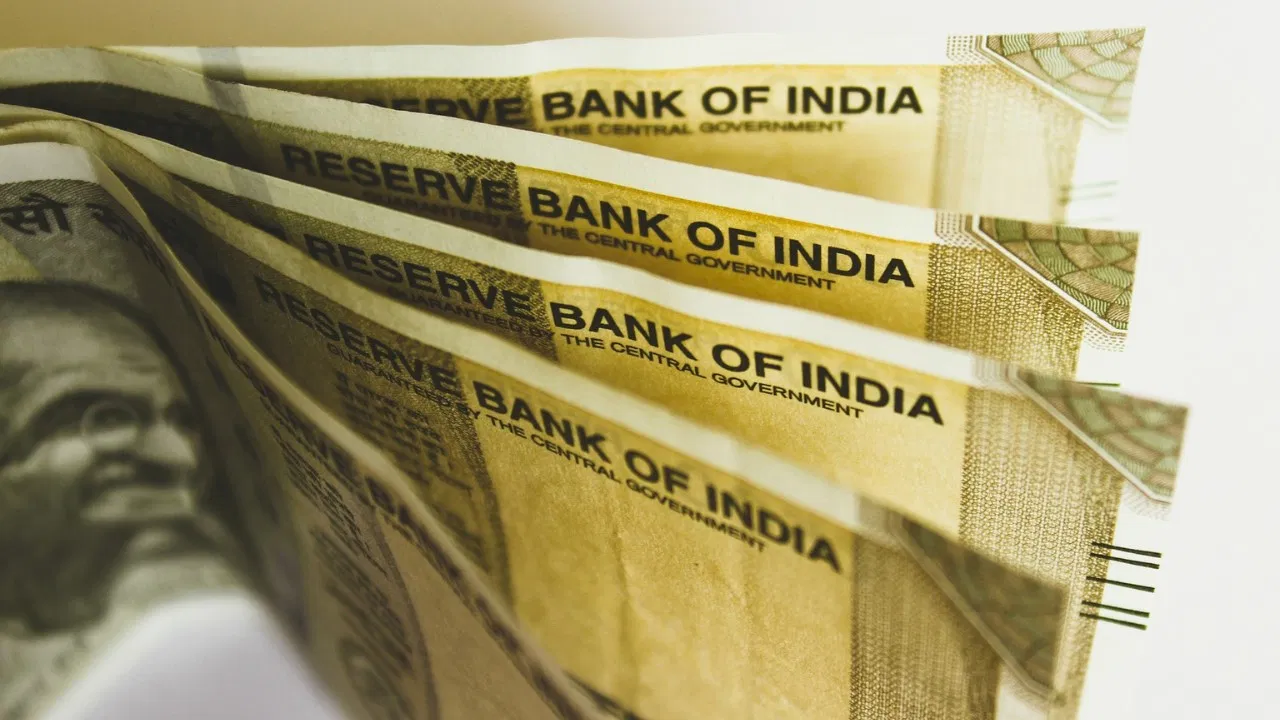
Using the rupee for trade offers several clear advantages. It lowers dependence on foreign currencies, reduces exchange costs, and protects businesses from sudden currency swings. For Indian companies, it means better control over payments. For Israeli firms, it opens direct access to the Indian market without complex currency steps.
SBI Rupee Trade also supports India’s broader goal of giving the rupee a stronger role in global commerce. For Israel, it adds another reliable channel to deepen economic engagement with one of the world’s fastest-growing major economies.
Trade Talks Add Fresh Momentum
The timing of this banking move is closely linked to renewed energy around India–Israel trade talks. Leaders from both countries have held high-level discussions in recent months, showing strong interest in finalising a Free Trade Agreement. Such a deal would cover goods, services, and investments, creating more opportunities for businesses on both sides.
With investment agreements already in place and trade discussions moving ahead, SBI’s role as a financial connector becomes even more important. By enabling rupee-based trade, the bank is laying practical groundwork for the next stage of India–Israel economic cooperation.
A New Chapter in Financial Partnership
SBI Rupee Trade marks more than just a banking change. It represents a shift towards closer financial ties, easier business flows, and stronger people-to-people connections between India and Israel. As trade talks progress and rupee settlements gain acceptance, this initiative could set an example for future partnerships with other countries, placing India’s currency and financial institutions at the centre of global trade conversations.