Jain Chadar Mahotsav In Jaisalmer

Jain Chadar Mahotsav will be organised for the first time in the historic desert city of Jaisalmer from 6 to 8 March 2026. The three-day spiritual gathering is expected to draw more than 30,000 devotees from across India along with prominent religious figures and public leaders.
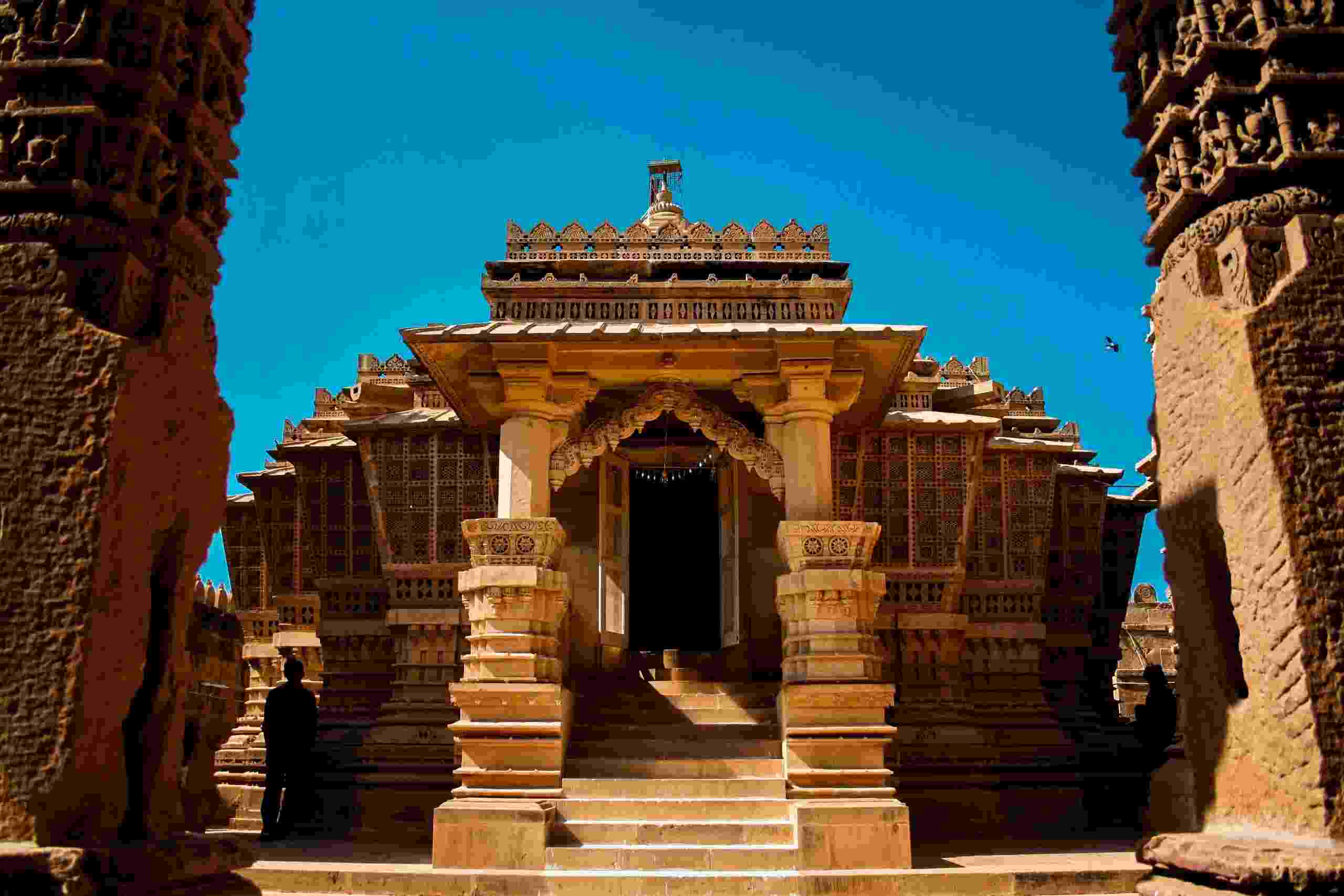
Thank you for reading this post, don't forget to subscribe!The festival will focus on the worship and public display of sacred garments believed to belong to Dada Shri Jindatt Suri Maharaj, a highly revered Jain spiritual teacher. These relics are preserved inside the Gyan Bhandar manuscript library located within a Jain temple in the city.
Organisers say the event will combine devotion, heritage, and cultural celebration, making it one of the most significant Jain gatherings in recent years.
Jain Chadar Mahotsav: Sacred Relics With Centuries Of History
The garments associated with Dada Gurudev are believed to be around 872 years old. According to local Jain trusts, they date back to Vikram Samvat 1211, when the saint attained samadhi in Ajmer.
Tradition holds that although his physical remains were cremated, the garments remained untouched and intact. These items including a chadar (shawl), cholpatta (upper cloth), and muhpatti (mouth covering used by Jain monks) -are considered deeply sacred by followers.
About 145 years ago, during a severe epidemic in Vikram Samvat 1945, the ruler of Jaisalmer reportedly requested that the relics be brought from Patan to the desert city. Since then, they have been carefully preserved in the temple’s manuscript repository, known as a Gyan Bhandar.
Such repositories traditionally store ancient texts, scriptures, and important religious objects.
Importance Within Jain Tradition
Dada Shri Jindatt Suri Maharaj is especially revered within the Khartar Gachchh sect of Jainism, which belongs to the Shvetambara tradition. Followers consider him one of the prominent spiritual leaders who strengthened religious teachings and community life.
For devotees, the chance to view and worship these relics is believed to bring spiritual merit and blessings. Public display of such ancient sacred items is rare, which adds to the importance of the Mahotsav.
The event also highlights the rich spiritual heritage of Jainism, one of India’s oldest religions known for its principles of non-violence, truth, and self-discipline.
Guidance Of Jain Spiritual Leaders
The festival will take place under the guidance of Acharya Jin Maniprabh Surishwar Maharaj, a leading figure of the Khartargachchh tradition. Several other respected Jain saints are also expected to participate, including Jin Manoj Surishwar Maharaj and Punanand Surishwar Maharaj.
Religious discourses, rituals, and blessings from spiritual leaders will form an important part of the program. These gatherings often serve as opportunities for followers to reconnect with their faith and community values.
Participation Of Public Figures
The Mahotsav is expected to attract not only religious followers but also prominent national leaders.
Among those likely to attend are Mohan Bhagwat, Amit Shah, Gajendra Singh Shekhawat, Bhajan Lal Sharma, and Gulab Chand Kataria.
Their presence reflects the cultural importance of the event and the strong connection between religious traditions and public life in India.
Three Days Of Rituals And Celebrations
The Jain Chadar Mahotsav will feature a detailed program spread across three days.
Day One: Ceremonial Opening
The event will begin with the ceremonial arrival of Guru Bhagwants, followed by inauguration rituals and prayers. Devotees will gather for an evening aarti, marking the spiritual start of the Mahotsav.
The atmosphere is expected to be filled with devotional chants, traditional music, and rituals performed according to Jain customs.
Day Two: Grand Varghoda Procession
One of the main highlights will be a grand Varghoda procession through the streets of Jaisalmer. During this procession, the sacred 872-year-old chadar will be carried for public darshan.
The procession is planned to include:
- Decorated elephants and horses
- Palanquins carrying religious symbols
- Colorful tableaux
- Hundreds of monks and devotees
- Traditional bands and performers
Such processions are not only religious events but also major cultural spectacles that draw visitors from many regions.
A theatrical presentation depicting the life of Dada Gurudev will also be staged, allowing younger generations to learn about his teachings through storytelling.
Day Three: Religious Ceremonies
On the final day, important religious honors such as Acharya and Ganini titles will be conferred. Sacred materials blessed during the rituals will be distributed among devotees.
A diksha ceremony for a Mumukshu a person preparing to adopt monastic life will be held before the festival, symbolizing dedication to spiritual discipline.
Jain Chadar Mahotsav Preparations Across The City
Authorities and organisers have begun large-scale preparations to manage the expected crowd. Accommodation arrangements, transport planning, security measures, and medical facilities are being coordinated.
Online registration systems have also been introduced to help visitors plan their participation smoothly.
Local businesses, hotels, and tourism operators are anticipating a surge in visitors, which could provide a boost to the city’s economy.
Jain Chadar Mahotsav And Religious Tourism
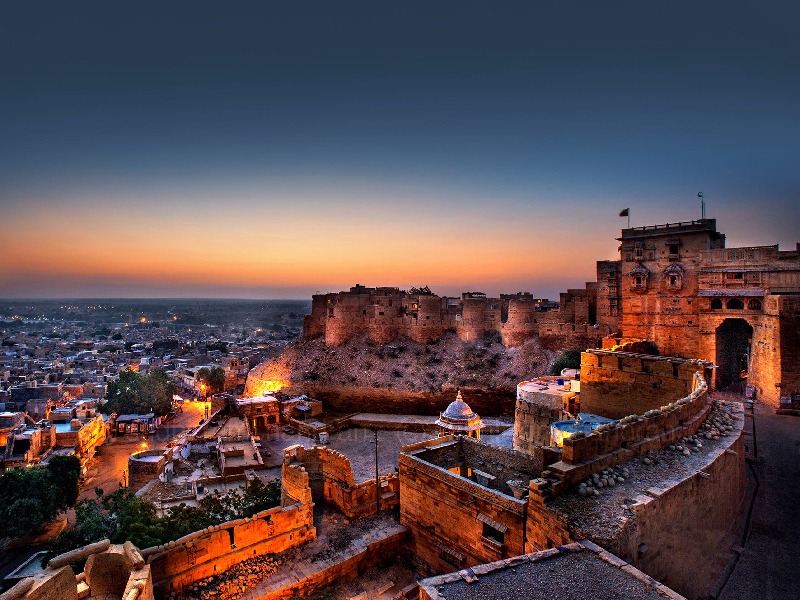
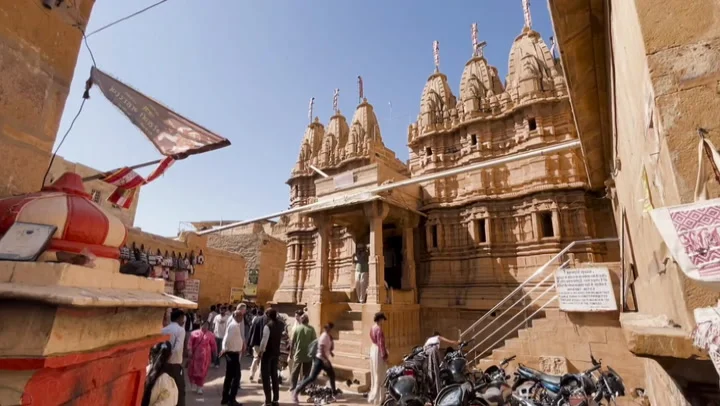
Jain Chadar Mahotsav is likely to strengthen Rajasthan’s position as a major destination for spiritual tourism. Jaisalmer is already famous for its forts, desert landscapes, and medieval Jain temples built from golden sandstone.
Events of this scale attract pilgrims, cultural enthusiasts, and travelers interested in India’s diverse religious traditions. They also help preserve ancient customs by bringing them into public awareness.
Religious tourism has been growing rapidly across India, supported by improved infrastructure, digital promotion, and interest in heritage experiences.
Cultural And Community Significance
Beyond rituals, the Mahotsav represents unity within the Jain community. Large gatherings allow people from different regions to come together, exchange ideas, and strengthen social bonds.
Community kitchens, charity activities, and volunteer services often accompany such events, reflecting Jain values of compassion and service.
For the host city, the festival offers an opportunity to showcase local culture, crafts, and traditions to a wider audience.
Preserving Ancient Traditions In Modern Times
While modern technology shapes daily life, events like the Jain Chadar Mahotsav show the continued importance of spiritual heritage. Ancient relics preserved for centuries are being honored in a contemporary setting with large-scale organization and national attention.
The combination of history, faith, and community participation makes this Mahotsav a unique event in India’s cultural calendar.
As thousands of devotees gather in the desert city, the festival will celebrate not only sacred relics but also the enduring legacy of Jain teachings that continue to inspire followers across generations.