


Menstrual Health Right Recognised by Supreme Court

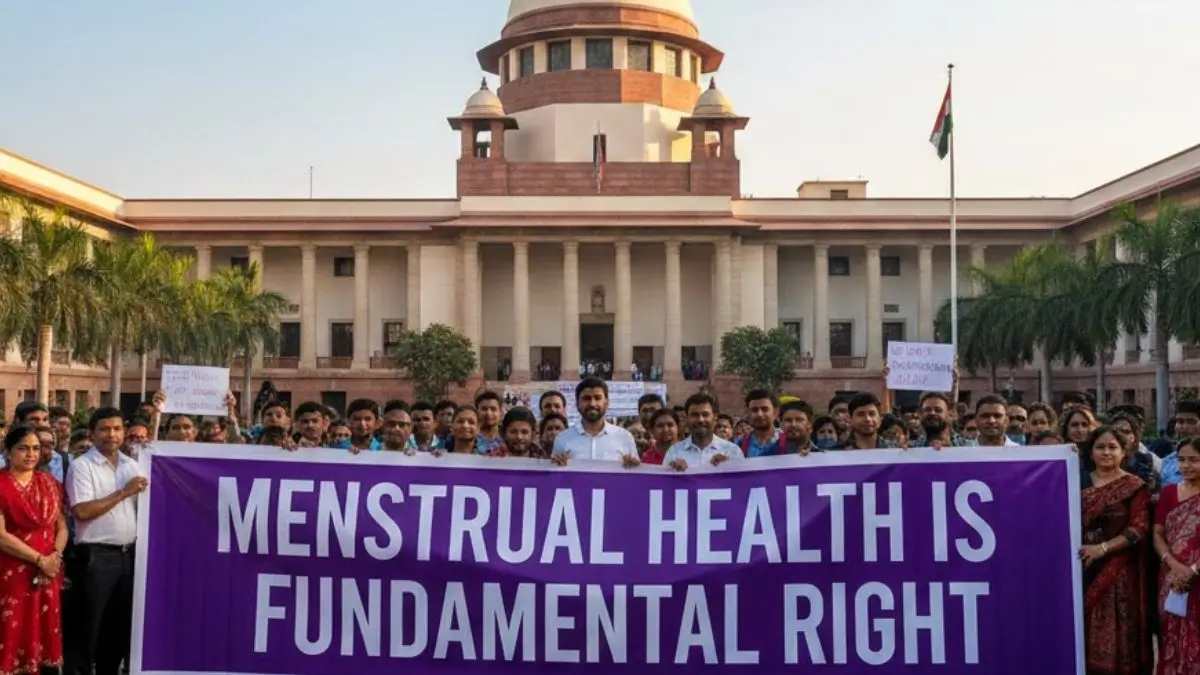
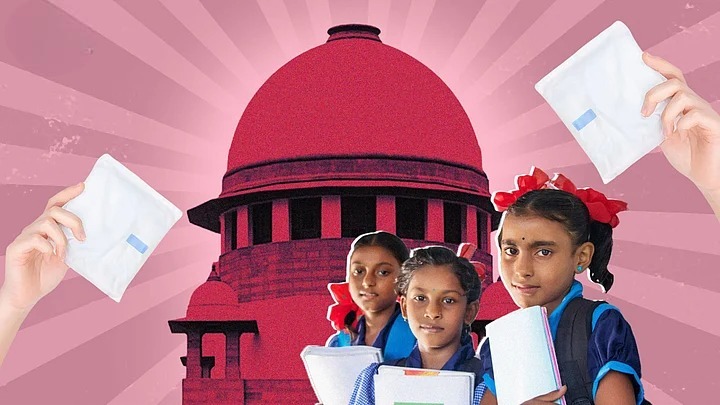
Menstrual Health Right has been officially recognised by the Supreme Court of India in a landmark judgement that places menstrual dignity under constitutional protection. The court clearly stated that menstrual health is part of the right to live with dignity. This important decision shifts the conversation around periods from being a private or welfare issue to a matter of equality, public health, and basic human rights.
Thank you for reading this post, don't forget to subscribe!For many years, menstrual health in India has been surrounded by silence and stigma. Even though policies and schemes have been introduced, many girls and women still struggle with limited access to safe toilets, clean water, and affordable menstrual products. The court’s ruling highlights that dignity during menstruation is not a privilege but a fundamental right.
Menstrual Health Right and the Right to Dignity
The court linked menstrual health directly to Article 21 of the Constitution, which guarantees the right to life and personal dignity. According to the judgement, dignity includes the ability to manage one’s period safely, privately, and without shame.
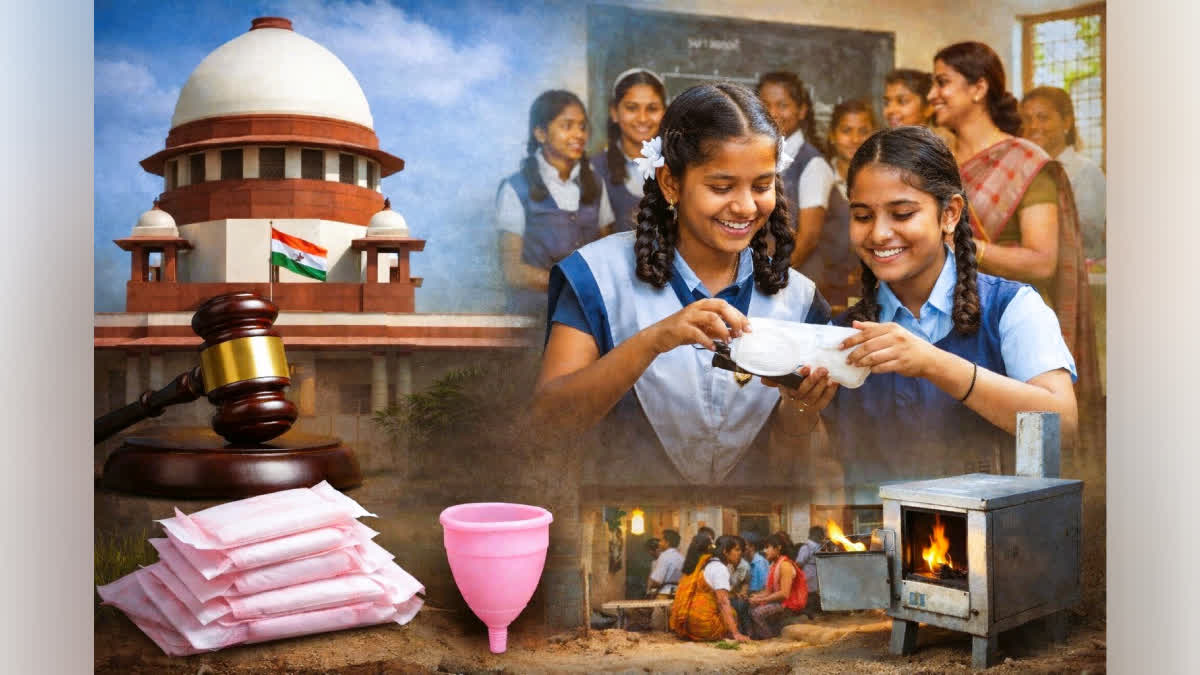
Over the past decade, India has made progress in sanitation through large-scale toilet construction and tap water connections. However, the court observed that these improvements have not fully solved menstrual challenges. In many places, toilets lack water supply, proper doors, disposal systems, or regular maintenance. As a result, many girls avoid using them, especially during menstruation.
Period poverty remains a serious issue, especially in rural and low-income communities. Some individuals cannot afford sanitary pads regularly. Others do not have access to proper information about menstrual hygiene. This affects health, school attendance, and daily life.
Menstrual Health Right and Gaps in Implementation
The judgement also pointed out serious gaps in implementation. The court noted that ten states and eight Union Territories did not respond to earlier directions regarding menstrual hygiene management policies. These directions were issued three years ago to ministries responsible for drinking water, sanitation, education, and women and child development.
This lack of response shows that menstrual health has not received enough administrative attention. Policies may be announced, but without follow-up action and monitoring, their impact remains limited.
The court made it clear that menstrual health requires consistent planning and accountability. It cannot be treated as a one-time scheme. Proper facilities must be functional, safe, and accessible in schools, workplaces, and public spaces.
Health Challenges and Underdiagnosed Conditions
Poor menstrual management can lead to health problems. Many conditions related to menstruation remain underdiagnosed in India. Premenstrual syndrome (PMS) and premenstrual dysphoric disorder (PMDD) can cause emotional and physical distress. Endometriosis, a painful condition affecting the reproductive system, is often ignored or misdiagnosed.
Because of stigma and lack of awareness, many individuals hesitate to seek medical help. They may consider severe pain or irregular cycles as normal. This can delay treatment and affect fertility and mental well-being.
The court stressed the need for a stronger health-system approach. Menstrual awareness should be normalised so that people can identify healthy cycles and understand when medical attention is required. Open conversations can reduce fear and misinformation.
Today, discussions around mental health and women’s health are becoming more visible in India. Social media campaigns and online communities are encouraging open dialogue. This judgement supports that positive shift.
Menstrual Health Right in Education and Awareness
Education plays a key role in improving menstrual health. The court emphasised the importance of gender-inclusive education. Menstrual awareness should not be limited to girls alone. Boys and men must also be educated so that myths, teasing, and discrimination can be reduced.
Many girls miss school during their periods because of embarrassment or lack of facilities. Without proper toilets and disposal systems, managing menstruation becomes difficult in schools.
Students should also receive accurate information about different menstrual products. Disposable pads, reusable cloth pads, menstrual cups, and period underwear each have benefits and limitations. Awareness helps individuals make informed choices.
In recent years, gender equality has become a central topic in India. Conversations about equal pay, workplace safety, and representation are increasing. Recognising menstrual health as a constitutional right strengthens these broader efforts.
Environmental Concerns and Sustainable Options
Menstrual waste is an emerging environmental challenge. Disposable sanitary pads contain plastic components that take years to decompose. With millions of users across the country, the amount of waste generated every month is significant.
Reusable options such as cloth pads and menstrual cups are gaining popularity. They are cost-effective and environmentally friendly in the long term. However, they require access to clean water and private washing facilities.
The Bureau of Indian Standards has introduced quality standards for reusable menstrual products. These standards ensure safety and durability, giving users more confidence in sustainable options.
As India focuses on reducing plastic waste and promoting eco-friendly practices, sustainable menstruation solutions are becoming part of larger environmental discussions.
Linking Public Health and Equality
The court’s decision connects menstrual health with larger goals of equality and public health. It reminds authorities that menstrual dignity is essential for social participation, education, and employment.
Government initiatives like the Rashtriya Kishor Swasthya Karyakram already address adolescent health issues, including menstrual hygiene. However, the ruling suggests that stronger coordination between departments is needed to ensure real impact.
Menstrual health also aligns with global commitments on health, gender equality, and sanitation. By recognising it as a constitutional right, India signals a stronger commitment to inclusive development.
Menstrual Health Right and Civil Society Collaboration
Civil society organisations have played a major role in spreading menstrual awareness across India. Many non-profit groups conduct workshops, distribute sanitary products, and promote sustainable alternatives in rural areas.
The court acknowledged these efforts and highlighted the need for structured collaboration between governments and non-profits. Clear policies, proper funding, and regular monitoring can ensure that menstrual dignity becomes a reality for all.
Public conversations around workplace policies, menstrual leave, and women’s well-being are becoming more common in 2026. Some organisations are adopting supportive measures for employees during menstruation, reflecting changing attitudes.
The recognition of Menstrual Health Right strengthens these ongoing efforts. It ensures that menstrual dignity is treated not as charity or welfare, but as a guaranteed constitutional protection for millions across the country.