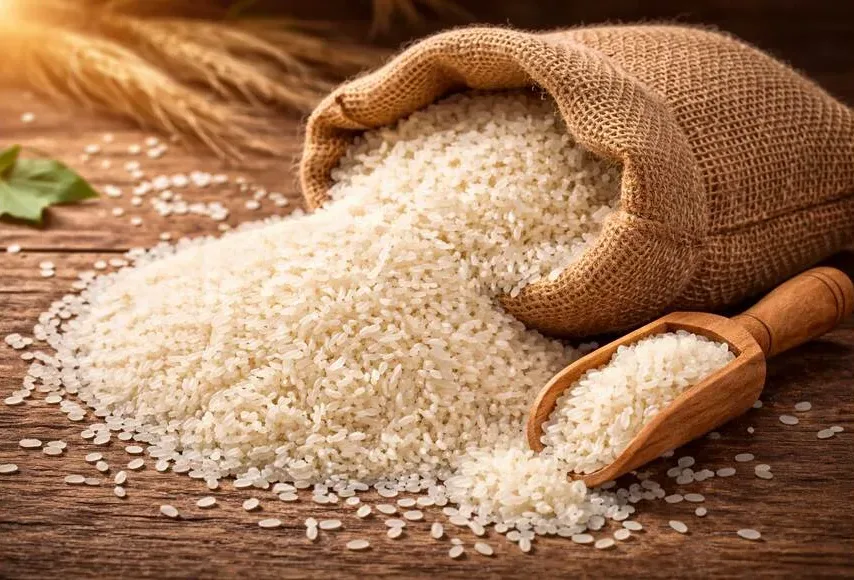
China Broken Rice Imports Resume Amid Price Advantage

China Broken Rice Imports Resume as China restarts buying broken rice from India, even after earlier rejecting shipments over GMO concerns. This move shows changing trade priorities and strong demand for affordable rice.
Thank you for reading this post, don't forget to subscribe!Competitive Pricing Supports China Broken Rice Imports Resume
India’s broken rice is priced at around $300–310 per tonne, making it one of the cheapest options in the global market. In comparison, rice from Thailand, Vietnam, and Pakistan costs more due to lower supply. This price advantage is a key reason behind the trend where China Broken Rice Imports Resume despite earlier trade issues.
Freight Costs Rise Due to Global Tensions
Shipping costs have increased sharply due to geopolitical tensions, especially linked to the Iran conflict. Bunker fuel prices have gone up by nearly 50%, raising freight charges to $75–80 per tonne for a 20-foot container. Even with higher costs, demand from China and West Africa remains steady.
Policy Changes and Trade Developments
China had earlier rejected Indian rice shipments citing GMO traces, even after approvals from its own agencies. At the same time, India had banned broken rice exports in 2022 due to domestic shortages caused by bad weather. Now, the decision where China Broken Rice Imports Resume signals a shift in both supply conditions and trade strategy.
Uses and Global Importance of Broken Rice
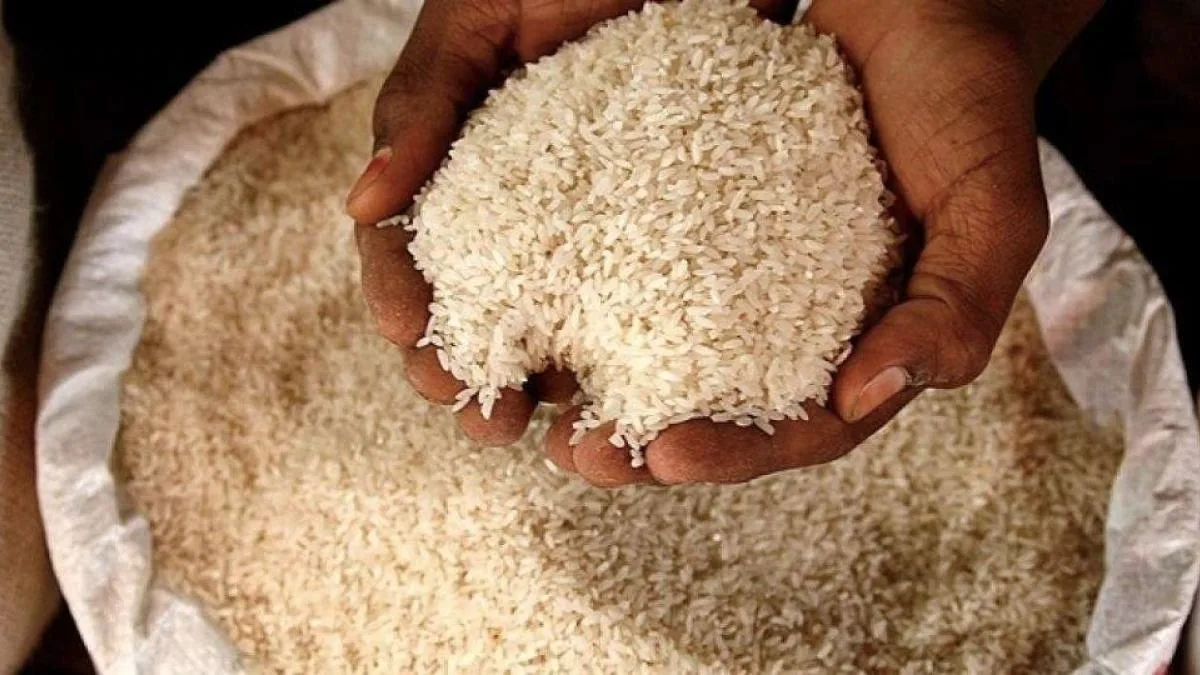
Broken rice is a by-product of rice milling and is widely used for animal feed and industrial purposes. It plays an important role in global food supply chains due to its low cost. India continues to be one of the largest producers and exporters of rice, making it a key player in meeting global demand.
Climate Risks and Production Outlook
India’s rice production is expected to exceed 150 million tonnes in 2025–26. However, climate risks like El Niño could impact production across Asia. Currency fluctuations and global uncertainties also affect pricing. Still, a strong rabi harvest is likely to support exports and keep supply stable in the near future.