India Andaman Coral Centre to Boost Marine Research

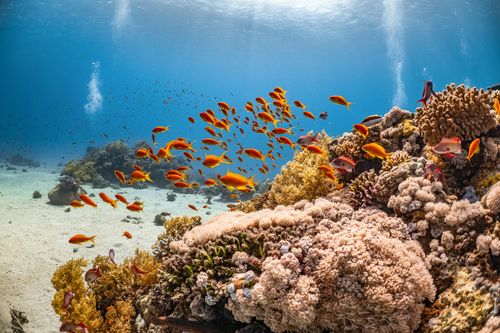
India Andaman Coral Centre has become a major national highlight as India prepares to inaugurate the National Coral Reef Research Institute (NCRRI) in the Andaman and Nicobar Islands. This new centre represents one of the country’s most important steps in strengthening marine conservation, improving climate resilience and expanding scientific knowledge about coral ecosystems. With coral reefs facing increasing risks due to warming oceans and rising sea levels, this institute is expected to play a vital role in shaping India’s long-term environmental strategy.
Thank you for reading this post, don't forget to subscribe!India Andaman Coral Centre and the Goal of National-Level Marine Protection
The upcoming NCRRI will be set up at Chidiyatapu in South Andaman with an investment of ₹120 crore, making it the first national-level institute fully dedicated to coral reef research. It is designed to act as India’s main hub for coral monitoring, scientific studies and ecosystem restoration programmes. All major activities will be overseen by the Ministry of Environment, Forest and Climate Change, ensuring coordinated research efforts across different coastal and island regions.
Officials believe the India Andaman Coral Centre will strengthen India’s ability to protect sensitive coastal belts, especially areas vulnerable to storms, tidal waves and climate disruptions. With India’s coastline stretching across nine states and two major island territories, the institute is expected to support nationwide conservation planning and improved environmental policymaking.
India Andaman Coral Centre and Its Advanced Research Mission
Scientists working in marine and climate fields have welcomed the creation of the NCRRI, noting that the institute will house state-of-the-art laboratories, field research units and modern technology for long-term studies. The centre will focus on:
- Marine biodiversity surveys
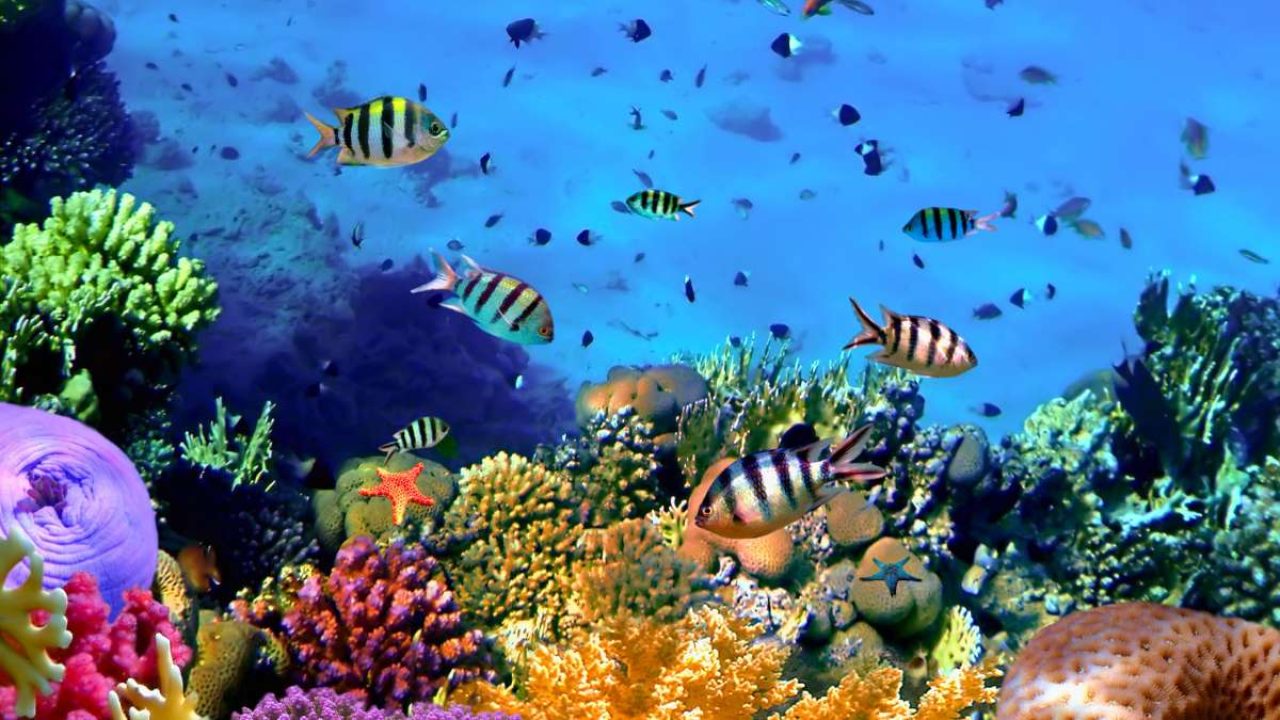
- Coral reef mapping and health assessment
- Reef restoration techniques such as transplantation
- Climate impact research, especially bleaching events
- Protection of endangered marine species
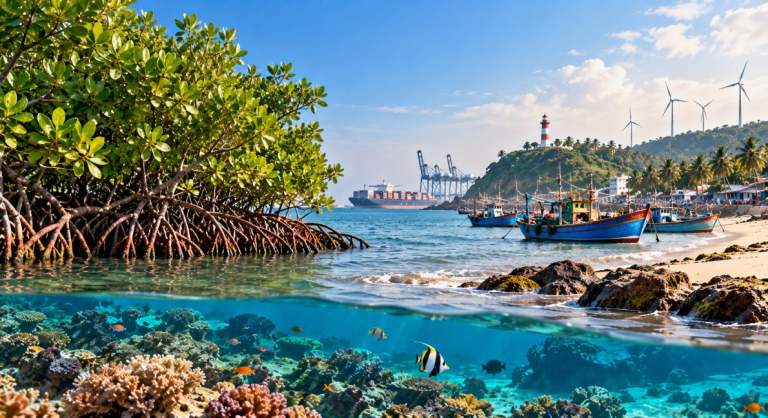
These research activities are essential because coral reefs act as strong natural shields. They absorb wave energy and reduce the impact of cyclones and rough seas on nearby villages and towns. Strong reef systems help preserve coastlines and keep local communities safe, especially in regions like the Andaman and Nicobar Islands where natural barriers are crucial.
Experts have warned that rising ocean temperatures are increasing coral bleaching worldwide. By improving national capacity through the India Andaman Coral Centre, India aims to respond faster to climate-related disruptions and develop scientific solutions for reef recovery.
India Andaman Coral Centre and Public Engagement in Biodiversity
Besides scientific research, the government is also focusing on raising awareness among citizens. At the Sri Vijay Puram museum, the Zoological Survey of India is preparing to launch a QR-code based information system. This digital feature will allow visitors to scan codes placed near specimens and instantly access detailed species information on their mobile devices.
This step reflects India’s push to make biodiversity knowledge more accessible. Visitors of all ages will be able to learn about marine creatures, coral species and ecological relationships in a simple and interactive manner. According to experts, the Andaman and Nicobar Islands are one of India’s four major biodiversity hotspots, home to rare indigenous species as well as migratory marine life. Public involvement is increasingly seen as a key part of protecting these unique ecosystems.
There is also growing interest in allowing citizens to participate in naming newly discovered species under guided expert supervision. Initiatives like this aim to strengthen emotional connection between the public and conservation efforts.
India Andaman Coral Centre and Strengthening Field-Level Capacity
To ensure that marine conservation work is not limited to laboratories alone, the islands recently hosted a three-day workshop on coastal and marine biodiversity. Personnel from the Indian Coast Guard, Navy units, Army and local police participated in the training. The workshop focused on improving skills related to shoreline protection, species monitoring, rescue operations and environmental documentation.
This collaboration shows the importance of multi-agency partnerships in safeguarding fragile ecosystems. The India Andaman Coral Centre is expected to become the main coordinator for such capacity-building programmes, offering training modules for field officers, researchers, forest staff and local communities. With more trained personnel on the ground, conservation projects across the archipelago will be smoother and more effective.
India Andaman Coral Centre and Its Role in Safeguarding Coastal India
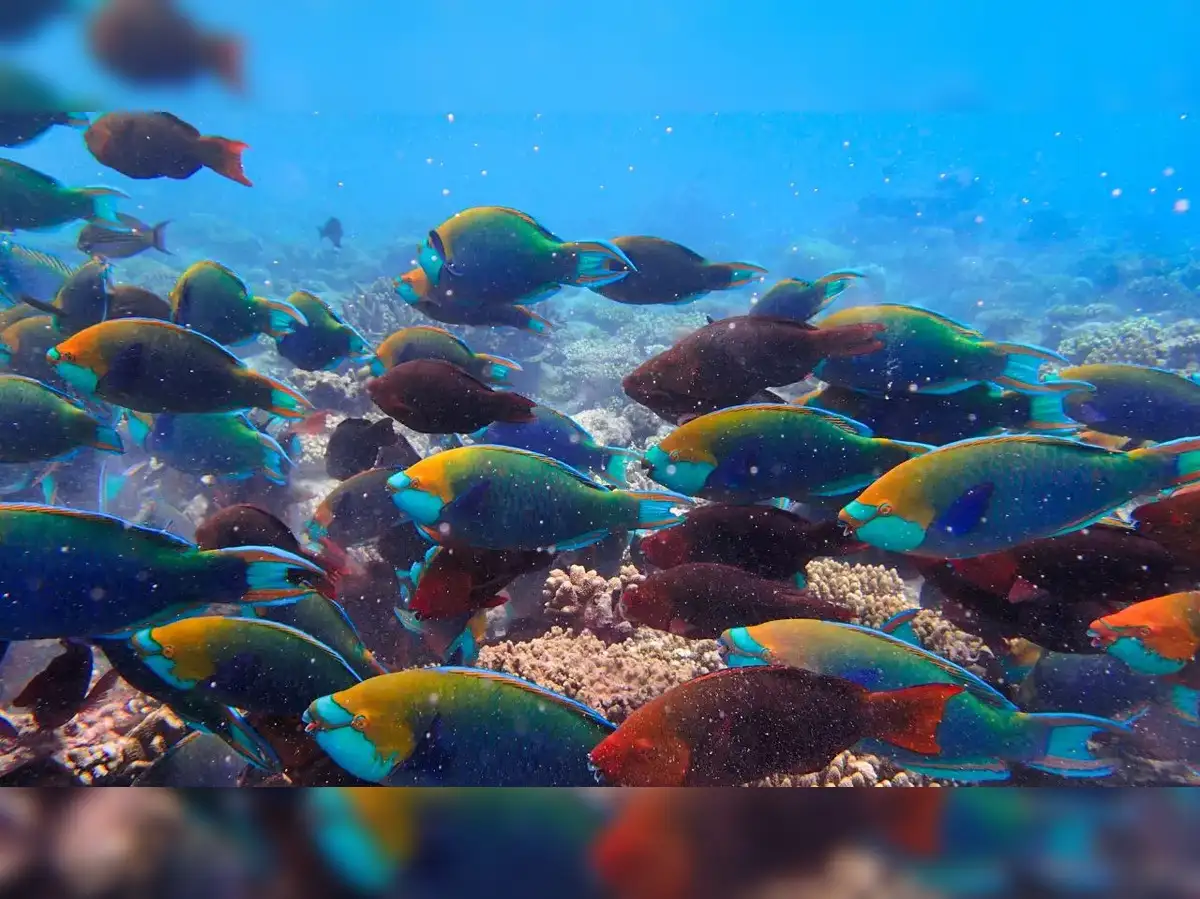
India’s coastline is home to millions of people who depend on fishing, tourism and marine resources for their livelihood. Coral reefs support these communities by maintaining ecological balance, protecting shores and sustaining fish populations. As climate threats grow, the need for a strong national research institution has become urgent.
The NCRRI will work closely with universities, research institutes, environmental organisations and international experts to strengthen India’s coral research network. This will help create stronger policies, better restoration techniques and more reliable conservation models.
Another important purpose of the India Andaman Coral Centre is to generate data for long-term environmental planning. Continuous documentation of reef health, water quality and marine species will allow scientists and policymakers to understand patterns, detect early warnings and take timely action. This will help reduce damage during climate crises and preserve India’s marine wealth for future generations.
India Andaman Coral Centre as a Step Toward a Sustainable Future
The establishment of the National Coral Reef Research Institute in the Andaman and Nicobar Islands is more than an infrastructure project it represents India’s growing commitment to environmental protection, scientific progress and sustainable coastal development. Through its research efforts, public awareness activities and nationwide coordination, the institute is set to become a cornerstone of India’s marine conservation journey.