Dongar Cultivation Odisha Faces Severe Threat from Eucalyptus Monoculture

Dongar Cultivation Odisha has long been a symbol of sustainable farming and food sovereignty for the Kondh tribal community in Rayagada district. This traditional upland farming system, rooted in mixed cropping practices, is now under serious threat due to the rapid spread of eucalyptus monoculture promoted by commercial interests, particularly paper mills. The transformation of diverse food systems into monoculture plantations is resulting in soil degradation, water scarcity, and ecological imbalance, raising concerns about the future of tribal livelihoods and cultural heritage.
Thank you for reading this post, don't forget to subscribe!The Traditional Practice of Dongar
Dongar cultivation is a centuries-old farming practice unique to the hilly terrain of Rayagada. It is based on mixed cropping, where millets, pulses, and oilseeds are sown together on upland slopes. This method not only produces a diverse range of food crops but also enhances ecological balance. Its strength lies in its ability to withstand harsh climatic conditions, making it a climate-resilient system that meets both food and nutritional needs of the Kondh tribal groups.
Communities such as the Talia Kondhs and Kutia Kondhs have nurtured this farming system for generations. Beyond providing food, dongar represents a way of life, connecting the community to ancestral knowledge, biodiversity conservation, and sustainable use of natural resources.
Expansion of Eucalyptus Plantations
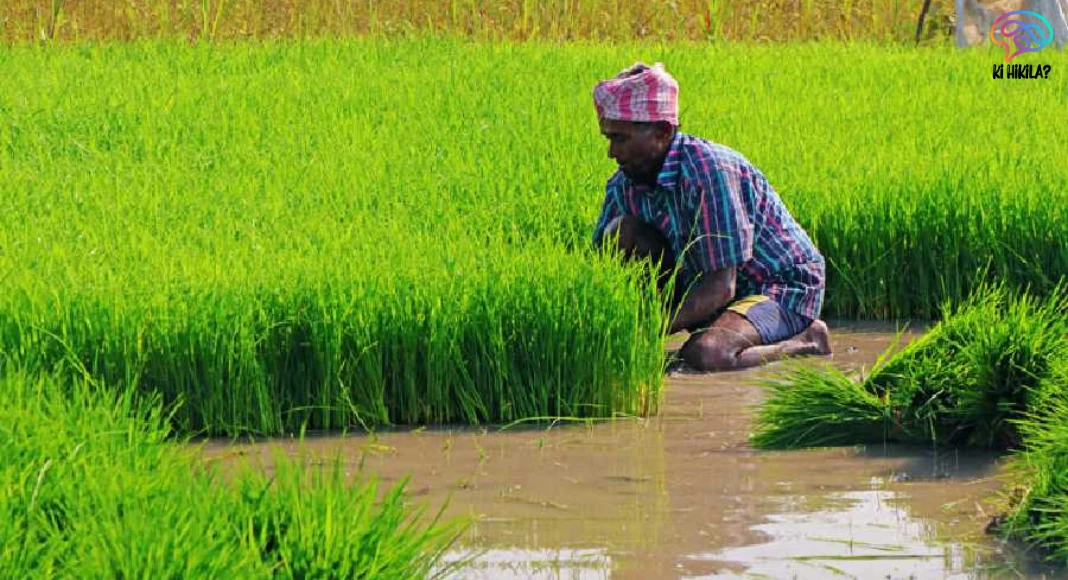
In recent years, eucalyptus plantations have expanded from lowlands into uplands and midlands of Rayagada. These plantations are primarily driven by paper mill demands, which require fast-growing raw material. Farmers are often encouraged to lease their land for eucalyptus cultivation, with promises of quick returns. Typically, farmers receive between Rs 1,500 and Rs 3,000 per acre for leasing, but this short-term income comes at the cost of long-term sustainability.
Unlike dongar cultivation, which yields a variety of food crops each season, eucalyptus is a monoculture crop that takes about five years to mature. Once established, it dominates the land, crowding out other crops and depleting natural resources. For many tribal families, this transition threatens their traditional food systems and undermines their food security.
Ecological and Social Impacts
The dominance of eucalyptus has far-reaching ecological and social consequences. Eucalyptus is notorious for its high water absorption, which leads to reduced groundwater levels and water scarcity in surrounding areas. Its leaves decompose slowly and release chemicals that reduce soil fertility, making it difficult for other plants to grow.
Local biodiversity also suffers. Birds and other species that once thrived in mixed-crop dongar fields avoid eucalyptus plantations, leading to a loss of ecological diversity. For tribal farmers, the disappearance of uncultivated food sources such as tubers and leafy greens reduces dietary diversity. Traditional knowledge of seed conservation, organic inputs, and crop rotation is also being lost, as younger generations shift away from ancestral practices.
The shift to eucalyptus monoculture thus represents not just an environmental problem but also a cultural and social one. Tribal communities are losing access to diverse food crops, traditional farming knowledge, and natural resources that sustained them for centuries.
Efforts to Preserve Dongar Cultivation Odisha
Despite the challenges, several non-profit organisations are working with local communities to revive and protect dongar cultivation in Odisha. Groups like Living Farms are leading awareness campaigns to highlight the ecological and nutritional benefits of mixed cropping systems. They collaborate with tribal elders who share traditional knowledge about seed exchange, organic farming practices, and soil management.
Community-led seed banks and training programs are being promoted to reintroduce diverse crops, particularly millets, into dongar fields. These initiatives aim to reduce dependency on monoculture systems and restore the balance between farming and ecology in upland areas. The involvement of women and youth in these initiatives is especially important, as they play a central role in seed conservation and food preparation.
Millets and Climate Resilience in Dongar Cultivation Odisha
Millets once formed the backbone of dongar cultivation in Odisha. They are hardy, drought-resistant crops that thrive in upland soils with minimal water. They are also rich in nutrients, making them essential for food and nutrition security. The International Year of Millets in 2023 drew global attention to their importance, but in practice, millet fields in Rayagada are being replaced by eucalyptus and genetically modified cotton.
Reviving millet cultivation is crucial for building climate resilience and ensuring sustainable agriculture in the region. Experts argue that millets can provide long-term stability for food systems, unlike monoculture plantations that offer only short-term financial gains. Supporting millet farming through government incentives, fair market access, and community initiatives could reverse the decline of dongar cultivation.
Challenges to Revival
While preservation efforts are underway, significant challenges remain. The expansion of eucalyptus is fueled by powerful commercial interests, including paper mills that depend on steady supplies of raw material. Tribal farmers often face pressure to lease their land due to immediate financial needs, making it difficult to resist the lure of monoculture.
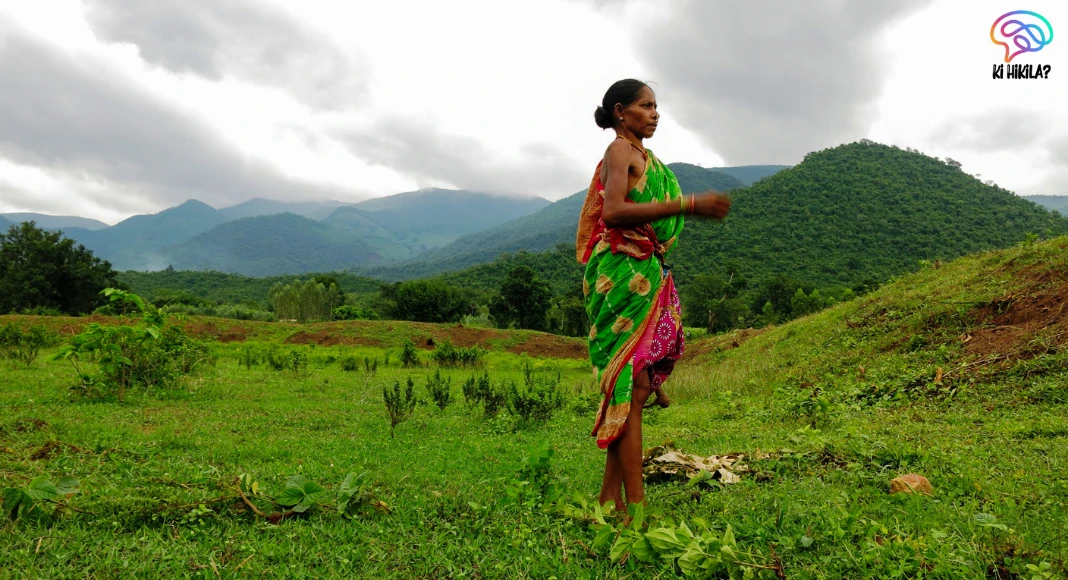
Government policies have so far not provided enough support for traditional systems like dongar cultivation, leaving communities vulnerable to exploitation. Unless there is sustained backing from state authorities, civil society organisations, and markets, the Kondh community risks losing not only a vital agricultural system but also an integral part of their cultural identity.
Future of Dongar Cultivation Odisha
The future of Dongar Cultivation Odisha depends on collective efforts to balance economic development with ecological sustainability. Protecting this traditional practice requires a long-term vision that values biodiversity, food sovereignty, and indigenous knowledge. By strengthening millet farming, promoting mixed cropping, and resisting monoculture expansion, communities in Rayagada can preserve their heritage while adapting to modern challenges.