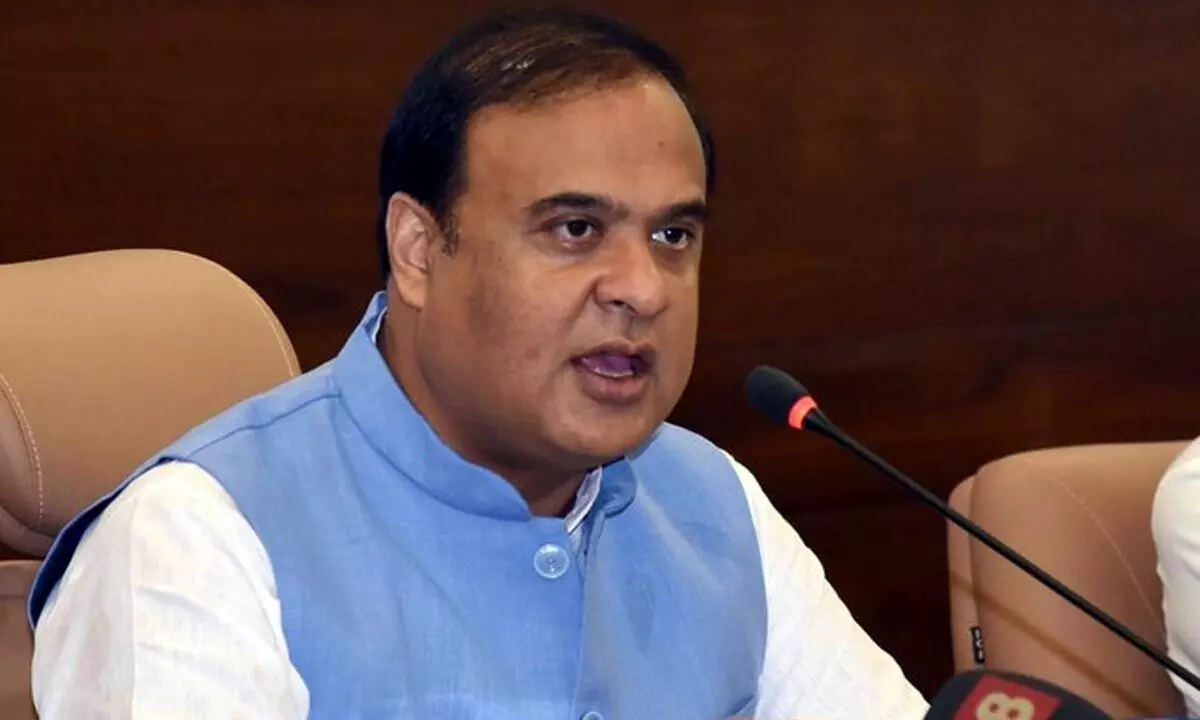
Assam PMS Portal Launch Brings Transparency to Teacher Provincialisation Process

The Assam PMS Portal Launch marks an important step in reforming the way the state handles the long-pending issue of provincialisation of venture educational institutions and their staff. With the introduction of this digital platform, the Assam government aims to make the entire process more transparent, accountable, and efficient, while addressing concerns that have troubled teachers and institutions for decades.
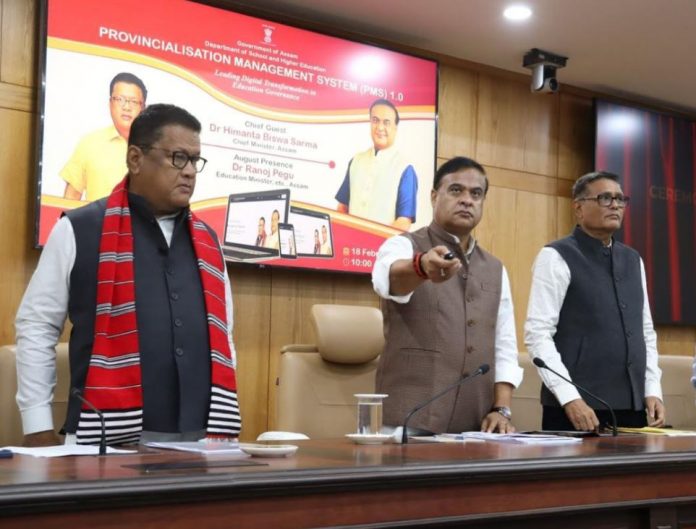
Thank you for reading this post, don't forget to subscribe!The portal was officially launched by Himanta Biswa Sarma, the Chief Minister of Assam, at Lok Sewa Bhawan. The event was attended by Education Minister Ranoj Pegu and senior government officials, highlighting the importance the state government has attached to this reform.
What the Assam PMS Portal Is All About
The Provincialisation Management System, commonly known as the PMS portal, is a digital platform created to manage applications related to the provincialisation of educational institutions and their employees. Provincialisation refers to the process through which privately managed venture schools and colleges are brought under full state control, making teachers and staff government employees.
For many years, the provincialisation process in Assam faced criticism due to delays, lack of clarity, and allegations of irregularities. The Assam PMS Portal Launch is designed to address these issues by shifting the entire system online and reducing manual intervention.
Through this portal, eligible institutions and staff can submit their applications digitally. The system also allows authorities to verify documents, track progress, and process cases in a time-bound manner.
A Centralised Database for Venture Institutions
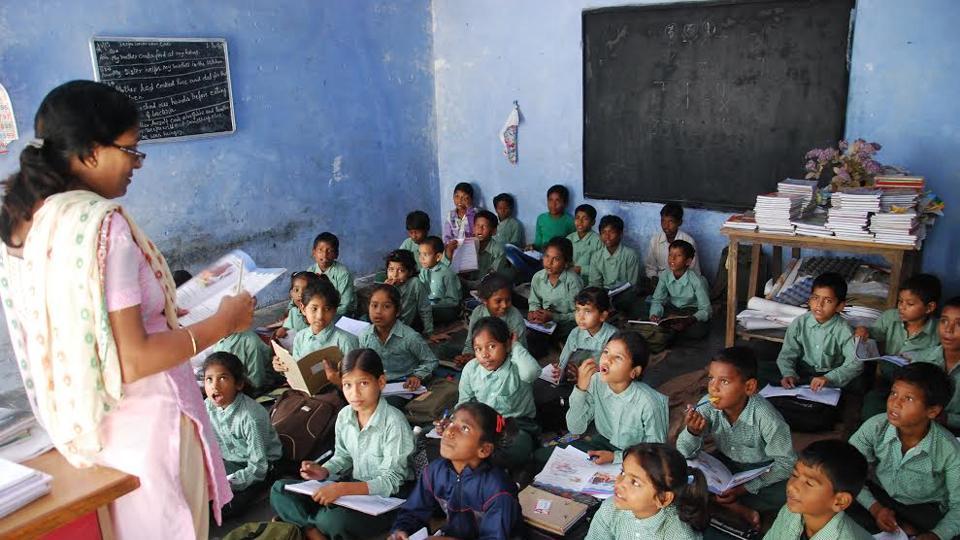
One of the key features of the PMS portal is the creation of a centralised database. This database will include detailed information about non-provincialised venture institutions such as lower primary schools, upper primary or middle schools, high schools, higher secondary schools, and degree colleges.
Along with institutional details, data related to teaching and non-teaching staff will also be stored. This structured approach ensures that information is uniform and easily accessible, reducing confusion and duplication. According to the government, this digital record will help eliminate ambiguity and bring consistency to decision-making.
Ensuring Transparency and Accountability
Transparency has been a major concern in the provincialisation process in the past. Many teachers claimed that despite meeting eligibility criteria, their applications were delayed or rejected without clear reasons. With the Assam PMS Portal Launch, every step of the application process is recorded digitally.
Applicants can monitor the status of their submissions, while officials are required to follow defined procedures within the system. This reduces the scope for arbitrary decisions and builds trust among stakeholders. The government believes that this transparent framework will restore confidence among teachers who have been waiting for years.
Third Phase of Provincialisation
During the launch, the Chief Minister noted that Assam has already provincialised more than 50,000 teachers across primary, secondary, and collegiate levels since 2011. These efforts were carried out in phases, and the current initiative is considered the third and most comprehensive phase so far.
However, eligibility conditions remain clearly defined. Only institutions established before January 1, 2006, are eligible under the current phase. Applicants must submit valid recognition certificates, land-related documents, academic performance records, and staff credentials as required under the Assam Education Act of 2017, which was amended in 2025.
The PMS portal ensures that these documents are uploaded and verified systematically, reducing paperwork and speeding up scrutiny.
Support for Those Who May Not Qualify
While the government has expanded the scope of provincialisation, it has also acknowledged that not all applicants may meet the eligibility criteria. To address this, a welfare-focused initiative called the Gurudakshina scheme has been introduced.
Announced in the Vote-on-Account Budget presented on February 17, the scheme provides a financial package to teachers and staff whose services cannot be provincialised. This move is seen as an effort to offer dignity and support to individuals who have contributed to the education sector but fall outside the legal framework for provincialisation.
In addition, the government plans to introduce a preferential marking system to help such individuals secure other government employment opportunities. This approach balances legal requirements with social responsibility.
Digital Governance in Education
The Assam PMS Portal Launch reflects a broader push towards digital governance in the education sector. By using technology to manage complex administrative processes, the government aims to improve efficiency while ensuring fairness.
Digital platforms like PMS reduce dependence on physical files and personal follow-ups, which often slow down procedures. They also allow senior authorities to monitor progress in real time and identify bottlenecks early.
For teachers and institutions, the portal offers clarity. Clear guidelines, online tracking, and defined timelines help reduce uncertainty and anxiety associated with provincialisation.
Political and Administrative Impact
Beyond administration, the PMS portal also carries political significance. Teachers and educational staff form a large and influential community in Assam. By addressing their long-standing demands through a structured and transparent system, the government signals its commitment to inclusive governance.
The initiative also strengthens the state’s education framework by ensuring that only eligible and properly documented institutions are brought under government control. This helps maintain academic standards while expanding public education services.
As the portal becomes fully operational, it is expected to play a key role in resolving pending cases and shaping the future of provincialisation in Assam.