


Kerala Tidal Flooding Disaster: A New Coastal Crisis Recognised as State Disaster

The Kerala Tidal Flooding Disaster has emerged as a serious and recurring challenge for the coastal State, forcing authorities to take an unprecedented step. Kerala has officially declared tidal flooding along its coastline as a State-specific disaster, making it the first State in India to recognise this slow-onset coastal hazard under disaster management norms. This decision allows affected families to receive financial assistance from the State Disaster Response Fund and brings national attention to a problem that has long been underestimated.
Thank you for reading this post, don't forget to subscribe!Understanding the Kerala Tidal Flooding Disaster
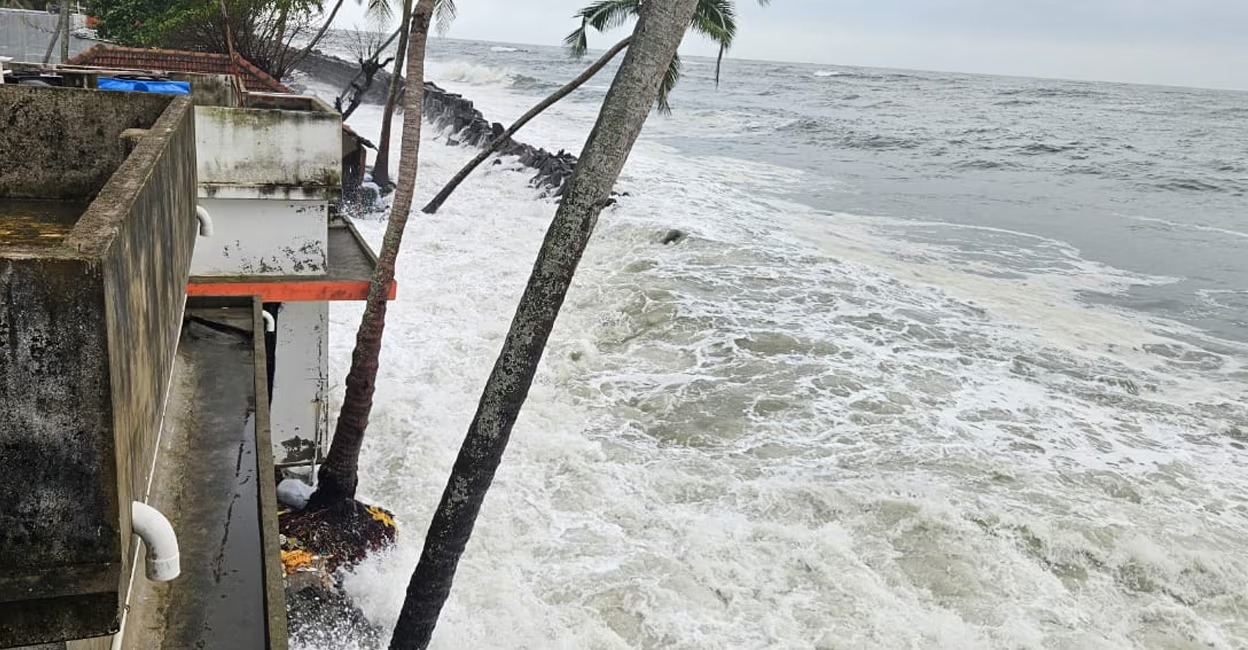
The Kerala Tidal Flooding Disaster refers to repeated flooding caused by unusually high sea tides along the coast. These floods occur when seawater from the Arabian Sea crosses the normal high tide limits and enters nearby land areas. Unlike cyclones or heavy rainfall events, tidal flooding is not sudden. It happens regularly, often twice a day, and becomes more severe during full moon and new moon phases.
What makes this disaster different is its predictability combined with its destructive impact. While people know tides will rise, the increasing height of tides and the extent of seawater intrusion have turned a natural process into a dangerous event. Homes, roads, drinking water sources, and farmlands are repeatedly damaged, making daily life uncertain for thousands of coastal residents.
How Tidal Flooding Impacts Coastal Life
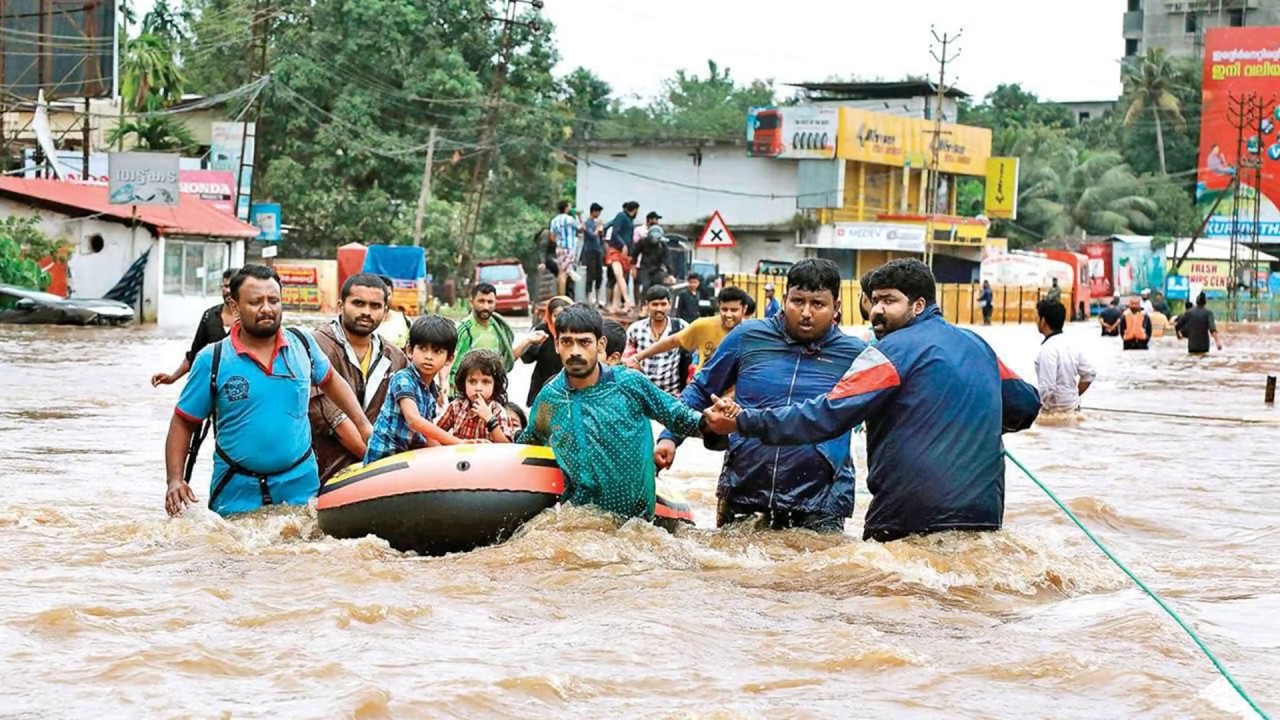
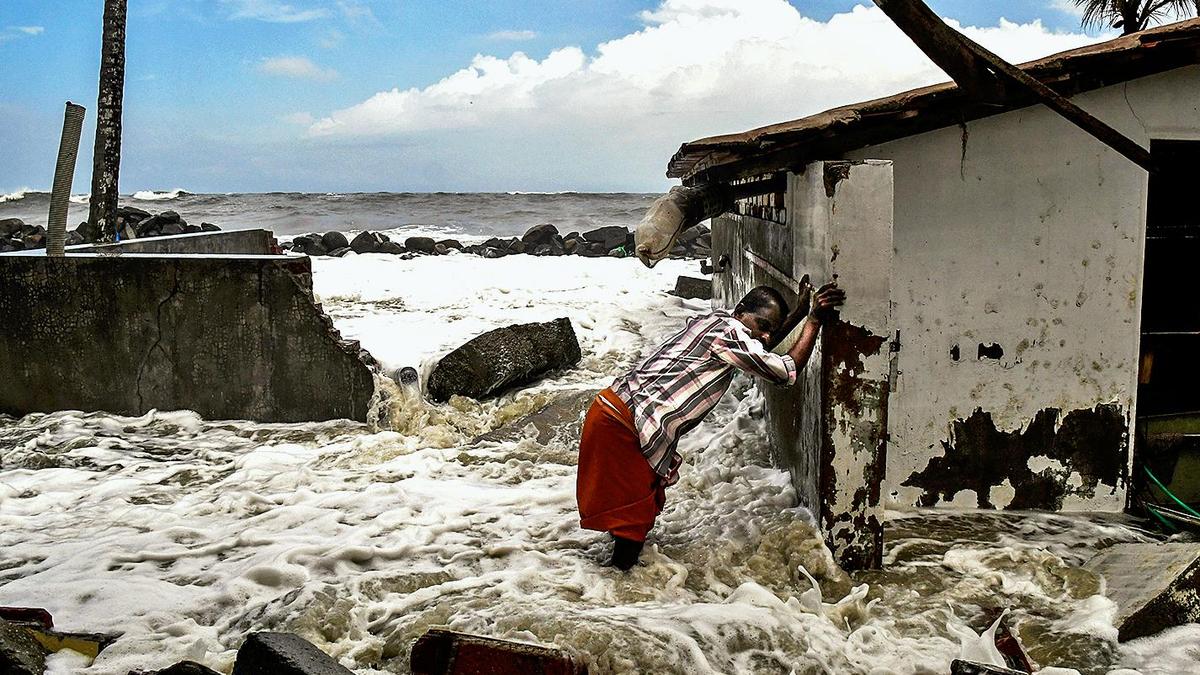
In many coastal villages, seawater enters homes through canals, rivers, and backwaters. Once inside, it damages furniture, electrical systems, and stored food. Wells and ponds become salty, leaving families without safe drinking water. Fishing communities face losses as boats and nets are damaged, while small traders and daily wage workers lose income when roads and markets are flooded.
The Kerala Tidal Flooding Disaster also affects health and sanitation. Stagnant seawater mixed with sewage increases the risk of waterborne diseases. Children and elderly people are especially vulnerable during these repeated flood events, which can happen at any time of the year.
Legal Recognition Under Disaster Law
One of the most significant aspects of the Kerala Tidal Flooding Disaster is its legal recognition. Kerala used provisions under the Disaster Management Act to declare tidal flooding a State-specific disaster. Although tides are a natural and regular phenomenon, the State argued that the current scale of damage goes beyond normal conditions.
This recognition allows the government to provide compensation for damaged houses, loss of livelihoods, and emergency relief. It places tidal flooding on the same level as floods and cyclones in terms of response and support, offering long-awaited relief to affected communities.
Why Kerala Faces Higher Risk Than Other States
Kerala’s geography plays a major role in worsening the Kerala Tidal Flooding Disaster. Large parts of the coastline are low-lying and densely populated. Districts such as Alappuzha are especially vulnerable because sections of land lie below sea level. The famous Kuttanad region is one of the most affected areas.
Urban centres are also at risk. Kochi is barely above sea level, making it highly sensitive to rising tides. Coastal areas like Vypin, Chellanam, Edakochi, Perumbadappu, and Kumbalanghi frequently experience seawater entering homes and public spaces.
Human activities have increased the problem. Silted rivers reduce water flow, while construction in floodplains blocks natural drainage. These factors trap seawater inland for longer periods, increasing damage.
Year-Round Threat to Communities
Unlike monsoon floods that occur seasonally, the Kerala Tidal Flooding Disaster can strike at any time of the year. This constant threat makes it harder for families to recover fully. Repairs done after one event are often undone by the next high tide. Over time, repeated losses push families into debt and force some to consider migration.
Climate change is expected to worsen the situation. Rising sea levels and stronger coastal storms mean that high tides will likely become even more destructive in the coming years.
Past State-Specific Disaster Declarations
Kerala has a history of recognising unique local hazards. The State has earlier declared coastal erosion, lightning, strong winds, heatwaves, sunstroke, and human-wildlife conflict as State-specific disasters. These decisions were based on the understanding that local conditions require local solutions.
Recently, even a major shipwreck incident off the Kerala coast was declared a State-specific disaster due to environmental and economic risks. Adding tidal flooding to this list shows the State’s growing focus on coastal safety and climate resilience.
What This Decision Means for the Future
The declaration of the Kerala Tidal Flooding Disaster sets an important example for other coastal States in India. It acknowledges that slow and recurring natural processes can be just as damaging as sudden disasters. With official recognition, better planning, improved coastal infrastructure, and long-term adaptation measures can now be pursued more effectively.
For thousands of families living along Kerala’s coast, this step brings hope of support, safety, and a more secure future in the face of rising seas.