Pistol Shrimp Found in Kochi Backwaters Reveals a New Side of Estuarine Life

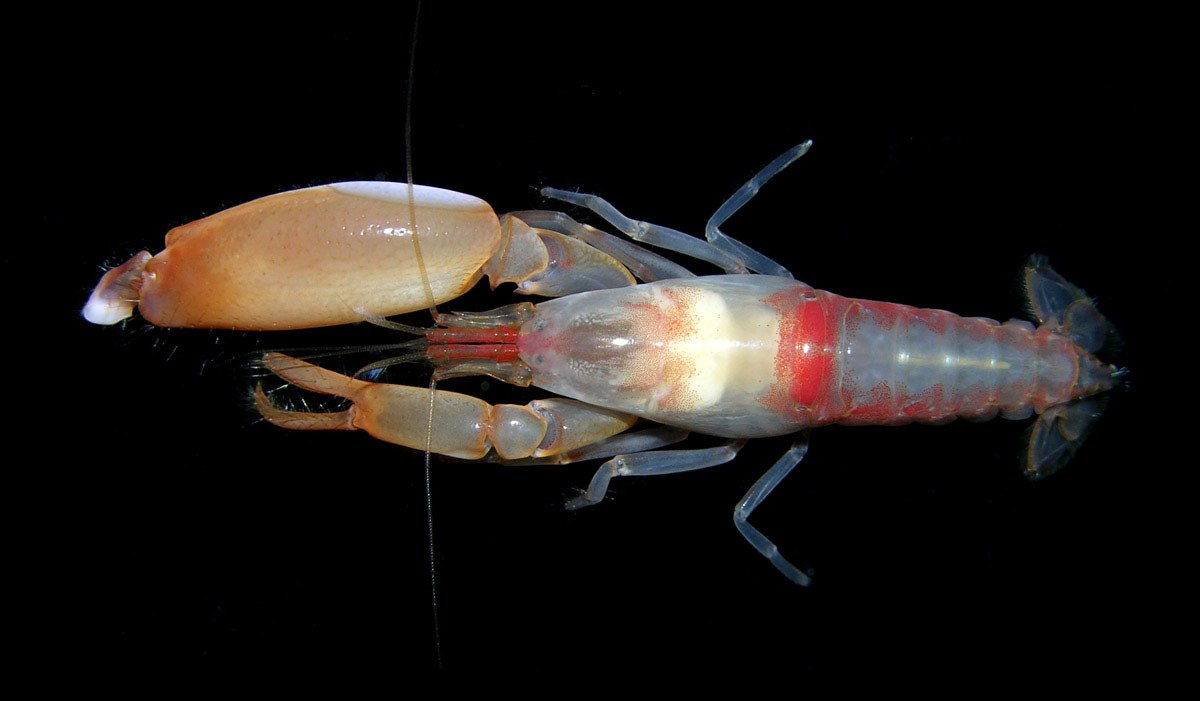
The Pistol Shrimp Found in Kochi Backwaters has drawn fresh attention to the hidden biodiversity of Kerala coastal ecosystems. In a significant scientific discovery, researchers have identified a new species of pistol shrimp from the backwaters of Kochi, an area long known for its rich fisheries and mangrove cover. This finding highlights how much remains unexplored beneath the surface of Indian estuaries and why sustained research in these regions is so important.
Thank you for reading this post, don't forget to subscribe!The discovery was made by scientists from the School of Industrial Fisheries at Cochin University of Science and Technology. Their research confirms that the Kochi backwaters are not just economically valuable but also biologically unique. The species belongs to the pistol shrimp group, often called snapping shrimps, which are known for their unusual claw that produces a loud snapping sound underwater.
Discovery in the Kochi backwaters
The Pistol Shrimp Found in Kochi Backwaters marks the first time an alpheid shrimp has been recorded from an estuary in this region. Until now, most known species of this family in India were reported from marine or reef associated environments. The Kochi backwaters, with their mix of freshwater and seawater, create a special habitat that supports diverse life forms.
The research team collected samples from estuarine areas with dense mangrove vegetation. After careful examination, they confirmed that the shrimp showed clear differences from known species. To ensure accuracy, the scientists used both traditional physical examination and modern genetic analysis. This combination helped them prove that the shrimp was indeed a new species and not a variation of an already known one.
The findings were published in the Journal of the Marine Biological Association of the United Kingdom, an international journal that focuses on marine life and ecosystems. Publication in such a journal underlines the global scientific value of the discovery.
Honouring a fisheries pioneer
An important part of the story behind the Pistol Shrimp Found in Kochi Backwaters is the name given to the species. The shrimp has been named in honour of B Madhusoodana Kurup, a respected fisheries scientist and the first Vice Chancellor of Kerala University of Fisheries and Ocean Studies.
This naming is a tribute to his long standing contribution to fisheries education and marine research in India. By dedicating the species to him, the researchers have linked the discovery to the history of fisheries science in Kerala, a state that depends heavily on coastal and marine resources.
The research was led by M Harikrishnan, along with a team of young scholars who worked on field collection, laboratory analysis, and data comparison. Their work reflects the growing role of Indian institutions in global marine biodiversity research.
Why pistol shrimps are special
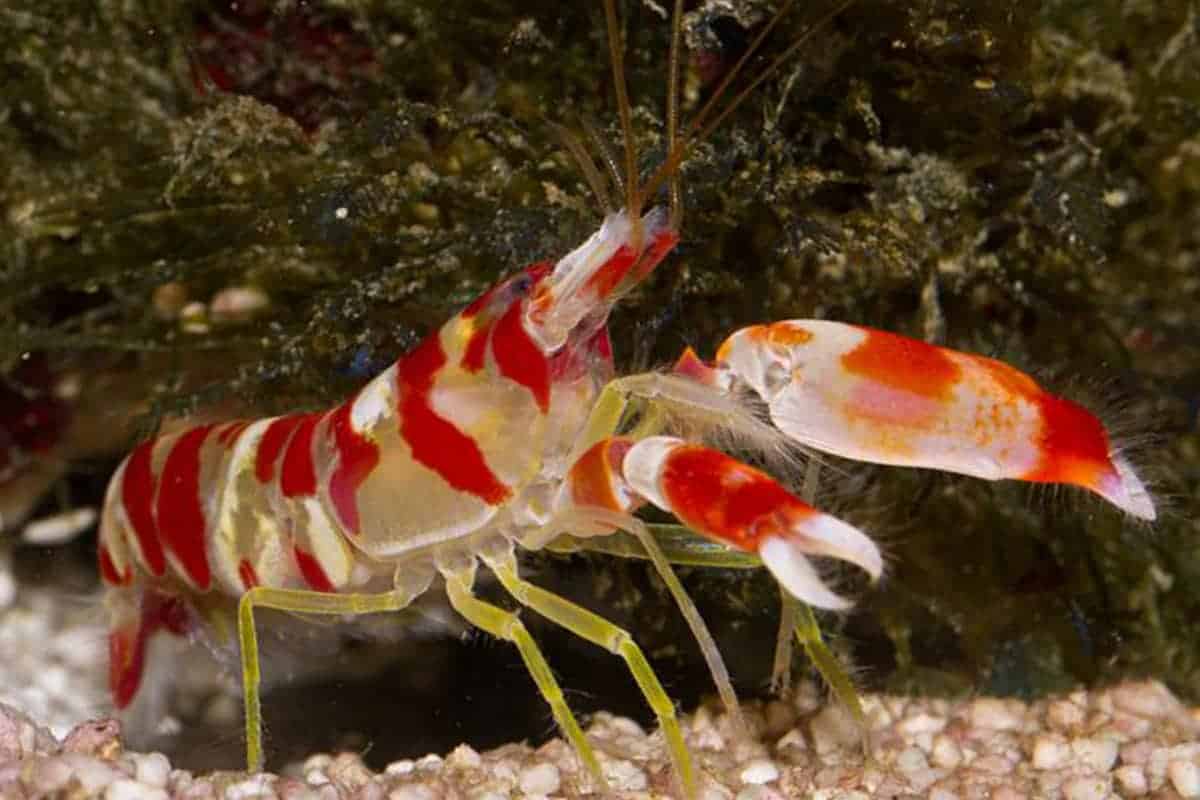
Pistol shrimps are small but fascinating creatures. They are best known for their snapping claw, which can shut so fast that it creates a bubble in the water. When this bubble collapses, it produces a sharp sound and a brief flash of heat. This ability helps the shrimp defend itself and hunt small prey.
Beyond this dramatic feature, pistol shrimps play a quiet but important role in their environment. The Pistol Shrimp Found in Kochi Backwaters shows burrowing behaviour, meaning it digs tunnels in soft sediment. This activity helps release harmful gases trapped in muddy soils and improves oxygen flow. As a result, the surrounding sediment becomes healthier for other organisms.
Role in mangrove and estuarine ecosystems
The Kochi backwaters are closely linked with mangrove ecosystems. Mangroves act as natural shields against storms and erosion and also support fish nurseries. The newly discovered pistol shrimp lives in areas with mangrove cover and sometimes near coral rich zones.
By burrowing and moving sediment, the shrimp contributes to nutrient cycling and soil balance. This makes it an important part of the food web even though it has no major commercial value. Its presence is a sign of a healthy estuarine system, since such species are sensitive to pollution and habitat damage.
Gaps in research and need for surveys
Scientists involved in the study pointed out that research on the Alpheidae family in Indian waters is still limited. Many estuaries and backwaters have not been surveyed in detail. The Pistol Shrimp Found in Kochi Backwaters serves as a reminder that new species can still be discovered even in well known regions.
Systematic surveys using modern tools can reveal more about hidden biodiversity. Such information is essential for planning conservation strategies and managing coastal development in a sustainable way.
Scientific and broader importance
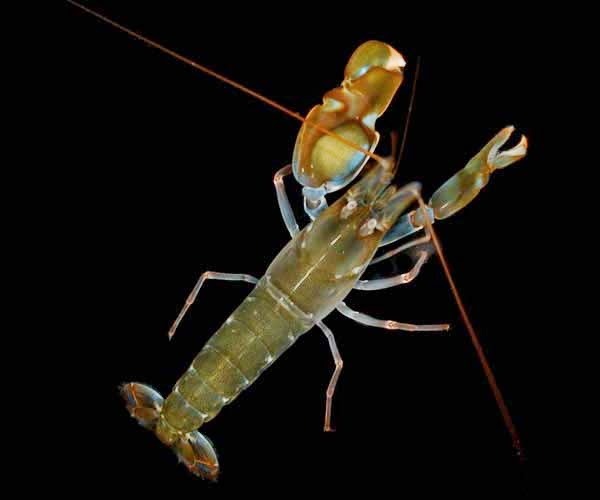
Although the shrimp does not have direct economic value and is only occasionally caught in fishing nets, its scientific importance is high. Around the world, snapping shrimps are studied for their sound producing ability, which has even inspired research in underwater acoustics.
The discovery in Kochi adds to India growing record of marine biodiversity and strengthens the case for protecting estuarine habitats. It also shows how universities and local researchers play a key role in documenting natural heritage.
Looking ahead for coastal biodiversity
The Pistol Shrimp Found in Kochi Backwaters is more than just a new name in a scientific journal. It represents the richness of life hidden in India coastal waters and the importance of careful observation and research. As pressures from pollution and climate change increase, such discoveries remind us why protecting mangroves and backwaters matters for both nature and people.