


Kovind Autobiography

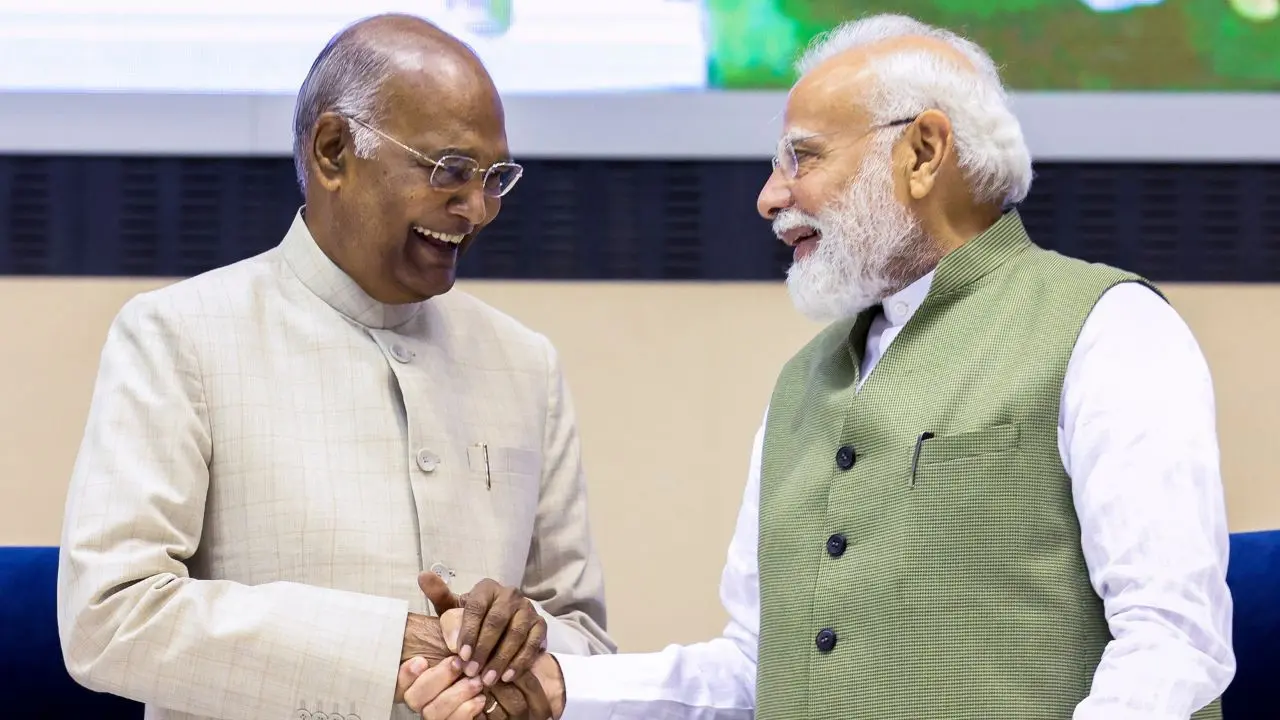
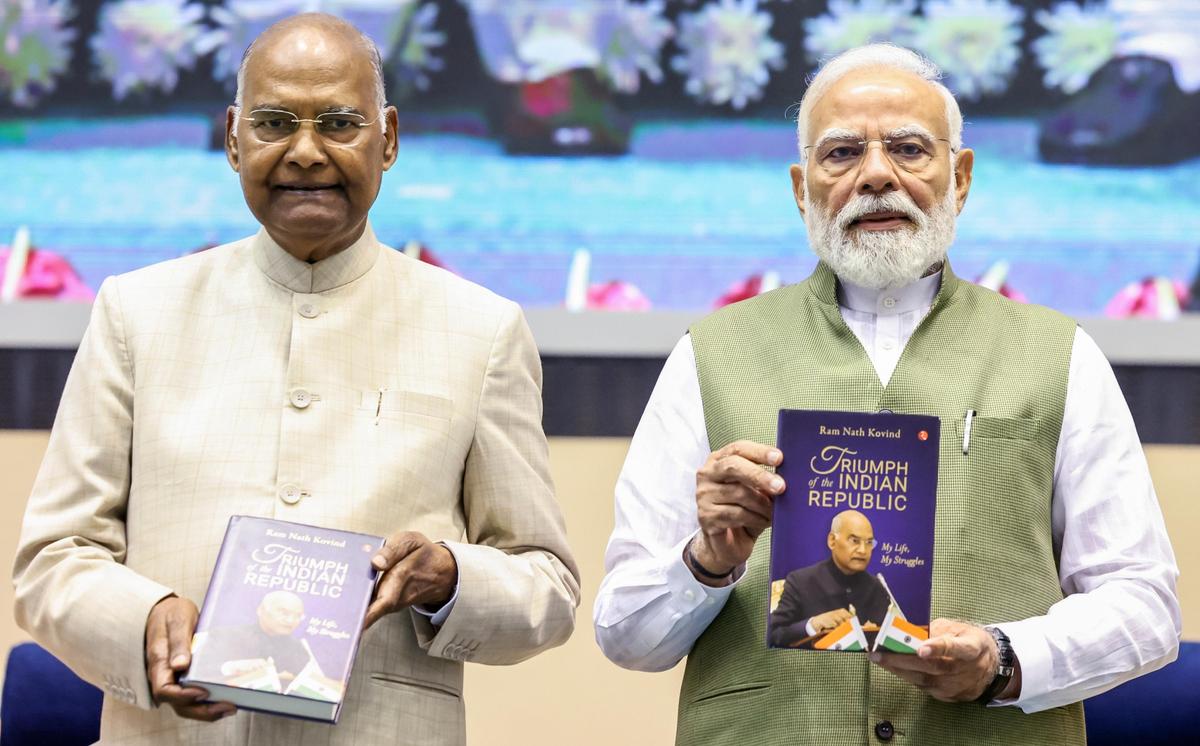
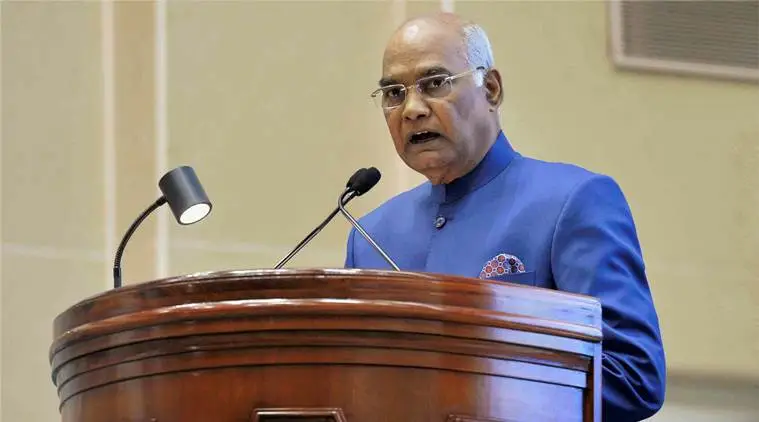
Kovind Autobiography was released by Prime Minister Narendra Modi at Vigyan Bhavan in New Delhi on 12 August 2026. The book presents the life journey, personal experiences, struggles and public service of Ram Nath Kovind, who served as the 14th President of India. The release brought attention to the former President’s journey from his early life to his years in public service and the highest constitutional office of the country.
Thank you for reading this post, don't forget to subscribe!The book launch was held at Vigyan Bhavan, a prominent venue for important government events, conferences and national programmes. The event was part of the latest public activities involving former President Kovind and highlighted his contribution to Indian public life.
Ram Nath Kovind’s Public Journey Kovind Autobiography
Ram Nath Kovind served as the 14th President of India from 25 July 2017 to 25 July 2022. Before becoming President, he served as the Governor of Bihar from 2015 to 2017. His political and public career included work in Parliament, legal service and social activities.
Kovind was born on 1 October 1945 in Paraunkh village in Kanpur district of Uttar Pradesh. He studied commerce and law and later worked as a lawyer. He practised in the Delhi High Court and the Supreme Court of India before entering active public life.
His journey to the Rashtrapati Bhavan was seen as significant because of his long experience in public service and constitutional institutions. As President, he performed several constitutional responsibilities, including appointing governments, giving assent to legislation and representing India at important national and international events.
Book Highlights Life and Struggles
The autobiography focuses on the experiences that shaped Kovind’s life. An autobiography is generally a first-person account in which a person describes important events, challenges, achievements and lessons from their own life.
The book is expected to provide readers with a personal view of Kovind’s childhood, education, professional career and public service. It also covers important stages of his journey before and during his time as President.
The story of his rise from a modest background to one of India’s highest constitutional positions is an important part of the book’s narrative. His experiences also reflect the role of education, public service and constitutional values in his career.
Title of the Autobiography
The autobiography has been referred to in major references as “Triumph of the Indian Republic: My Life, My Struggles.” Some references have also used a slightly different title form, “The Times of the Indian Republic: My Life, My Struggles.” The title is connected with the broader themes of Kovind’s personal journey and his experience of serving the Indian Republic.
The release of the book provides an opportunity to look at the personal side of a former President. Political leaders often publish autobiographies or memoirs to record their experiences and explain the events that influenced their public careers.
PM Modi and the Book Release
Prime Minister Narendra Modi released the book during the event at Vigyan Bhavan. The presence of the Prime Minister added importance to the occasion, as Kovind served as President during a major period of India’s recent political and social development.
Book launches involving former constitutional authorities also serve as a way of preserving important memories of public life. Such publications can provide information about political institutions, public administration and the experiences of people who have held important constitutional positions.
Vigyan Bhavan in New Delhi
Vigyan Bhavan, where the book was released, is one of New Delhi’s well-known venues for official functions. It is located on Maulana Azad Road in central New Delhi and regularly hosts conferences, government programmes, national ceremonies and policy-related events.
The venue has been used for several important public and governmental gatherings over the years. Holding the autobiography launch there gave the event a formal national setting.
Kovind’s Presidency and Constitutional Role
Ram Nath Kovind occupied the office of President of India from July 2017 to July 2022. The President is the constitutional head of the Union and performs duties defined by the Constitution of India.
During his term, Kovind travelled across different parts of India and visited several countries as part of India’s diplomatic engagements. He also addressed Parliament on important occasions and gave assent to legislation passed by Parliament.
His tenure included several major developments in Indian public life, including changes in laws, economic reforms, social programmes and discussions on constitutional and institutional matters.
From Bihar Governor to President
Before becoming President, Kovind served as the Governor of Bihar. He took charge as Governor in August 2015 and remained in the position until July 2017, when he was nominated as the presidential candidate.
His appointment as Governor provided him with experience in constitutional administration at the state level. Two years later, he moved to the Rashtrapati Bhavan after winning the presidential election in 2017.
The journey from Bihar Raj Bhavan to Rashtrapati Bhavan became one of the most important stages of his public career. His autobiography offers an opportunity to understand this journey through his own experiences and reflections.
A Record of Public Service
The release of the Kovind Autobiography also adds to the growing collection of books written by or about Indian Presidents and other constitutional leaders. Such books can help preserve personal accounts of important periods in India’s modern history.
Kovind’s life story includes several different phases, from education and legal practice to parliamentary work, constitutional responsibilities and the presidency. The book brings these stages together in a single personal account.
The publication comes at a time when books, biographies and digital archives are increasingly being used to record the experiences of public figures. For readers interested in Indian political history, constitutional institutions and leadership journeys, the autobiography provides a personal perspective on the life of a former President.