



Horned Dragon Lizard: New Species Found in Thailand

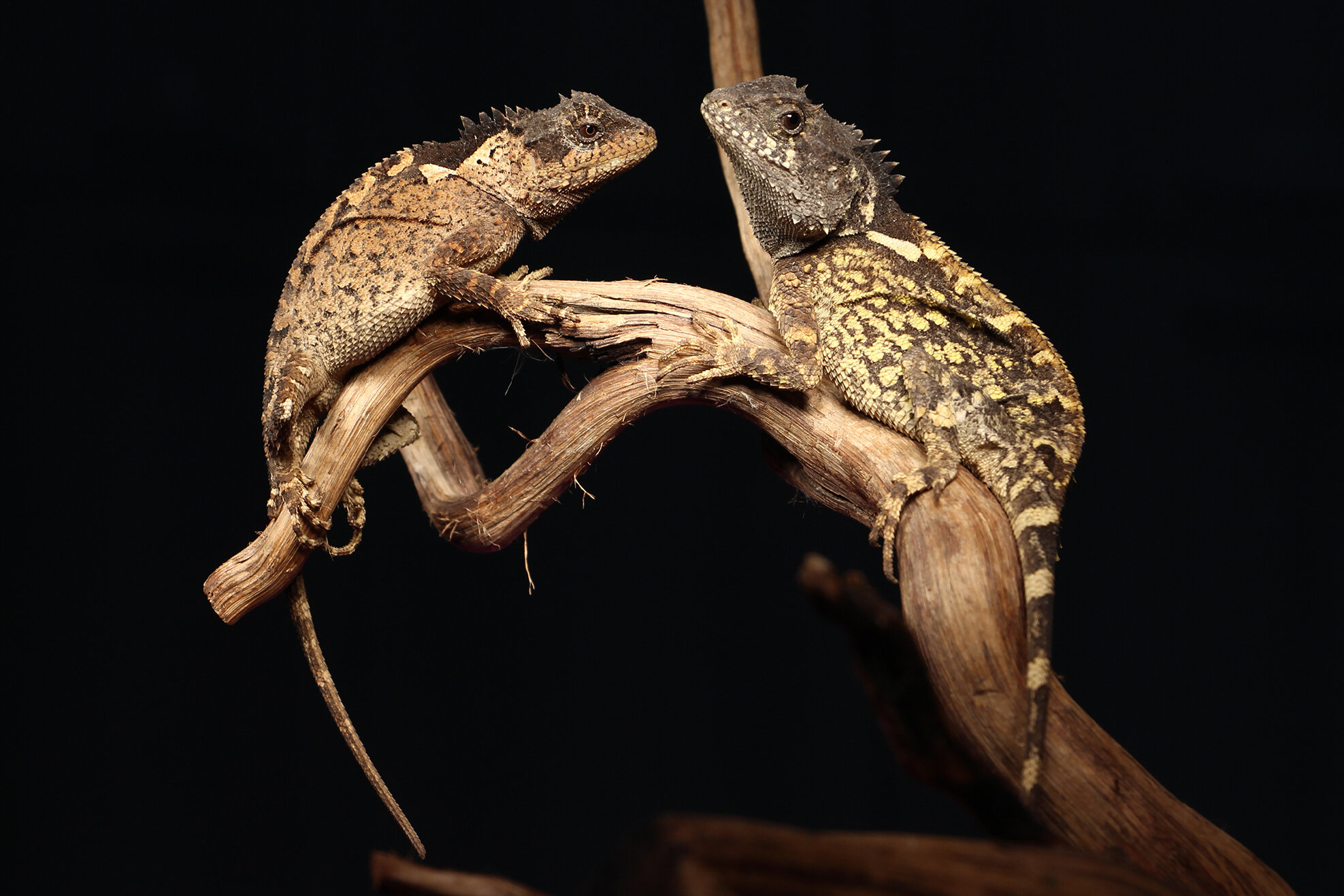
Horned Dragon Lizard is the name being used for a newly described mountain lizard species discovered in Thailand. Scientists have identified the species as Acanthosaura syrax, also known as the Syrax mountain horned dragon. The new species was found in Mae Wong National Park, a forested protected area in northern Thailand. Its formal scientific description was published in the journal ZooKeys on 2 August 2026.
Thank you for reading this post, don't forget to subscribe!The discovery adds another member to the Acanthosaura genus, a group of reptiles commonly known as mountain horned dragons. These lizards are mainly found across parts of South and Southeast Asia and are known for their distinctive body shapes, spiny scales and ability to live in forest environments.
Scientists Studied Multiple Specimens
The research team collected the first three specimens of Acanthosaura syrax on 23 April 2025 from a high-altitude forest area inside Mae Wong National Park. Five additional specimens were collected during May 2025. Scientists therefore had eight specimens to study while preparing the description of the new species.
The researchers examined both physical characteristics and genetic information to determine whether the lizard was different from other known species. This combination of traditional field observations and modern DNA analysis is increasingly important in wildlife research because closely related species can sometimes look very similar.
DNA Helped Confirm the New Species
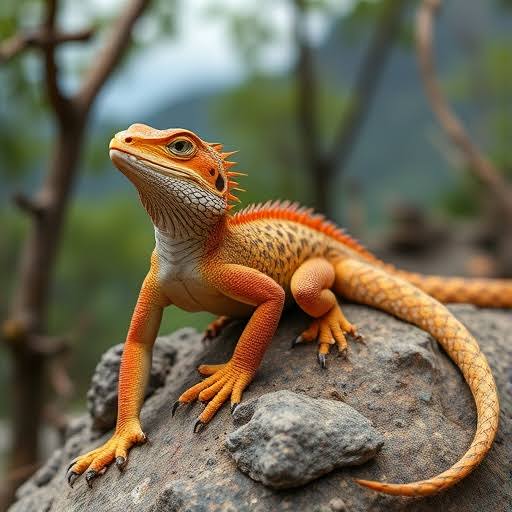
Scientists used DNA sequences from the mitochondrial ND2 and COI genes to study the evolutionary relationship of the lizard. The genetic analysis showed that Acanthosaura syrax was a distinct lineage from its closest relatives.
The researchers also recorded several physical features that helped separate the new species from other mountain horned dragons. These included very small crest scales along the neck and back and the absence of a black patch around the eye.
The lizard has a yellowish-green body, which was another feature considered during its identification. Researchers also noted its relatively large egg clutches.
A High-Altitude Forest Home
The newly described Horned Dragon Lizard has been found in a limited mountainous forest area of northern Thailand. The research places the species at elevations of more than 1,300 metres in parts of its known habitat.
Living in a restricted high-altitude environment can make a species particularly interesting to wildlife scientists. Mountain ecosystems can contain plants and animals that are found only in specific locations. Changes in forest cover, climate and human activity can also affect species that depend on narrow habitats.
Mae Wong National Park provides an important forest environment for wildlife in Thailand. Discoveries such as this highlight how protected forests can still contain species that have not been formally recognised by science.
Why the Name Syrax Was Chosen
The scientific name Acanthosaura syrax has an unusual connection to popular culture. The species name syrax was inspired by Syrax, a yellow dragon featured in the television series House of the Dragon.
Researchers linked the name to the lizard’s yellowish colour, relatively small size and reproductive characteristics. Such names are sometimes used by scientists to connect newly described species with cultural references or distinctive features.
Growing Knowledge of Mountain Reptiles
Acanthosaura syrax is now recognised as the 23rd species in the genus Acanthosaura, according to the supplied research details. The genus belongs to the family Agamidae, which includes a wide range of lizards found across Asia, Africa and Australia.
The discovery also shows that Southeast Asia continues to be an important region for biodiversity research. Forested mountains, remote valleys and protected areas can support wildlife that remains poorly studied.
For researchers, identifying a new species is only the beginning. Further field studies can help scientists understand its population size, distribution, behaviour, breeding patterns and habitat needs. This information can later support decisions about monitoring and conservation of the species and its mountain forest habitat.