


NETRA-2026 opened in Bengaluru

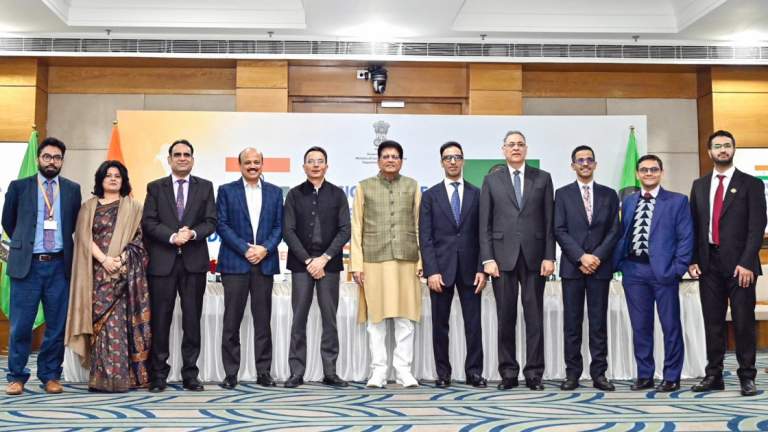
NETRA-2026 began in Bengaluru on 11 August 2026 as a two-day national seminar focused on electronic warfare, digital twin technology and mission-critical system design. The event was organised by the Defence Research and Development Organisation (DRDO) to bring defence researchers, armed forces personnel, technology experts, industry representatives and academics together to discuss developments in modern defence technology.
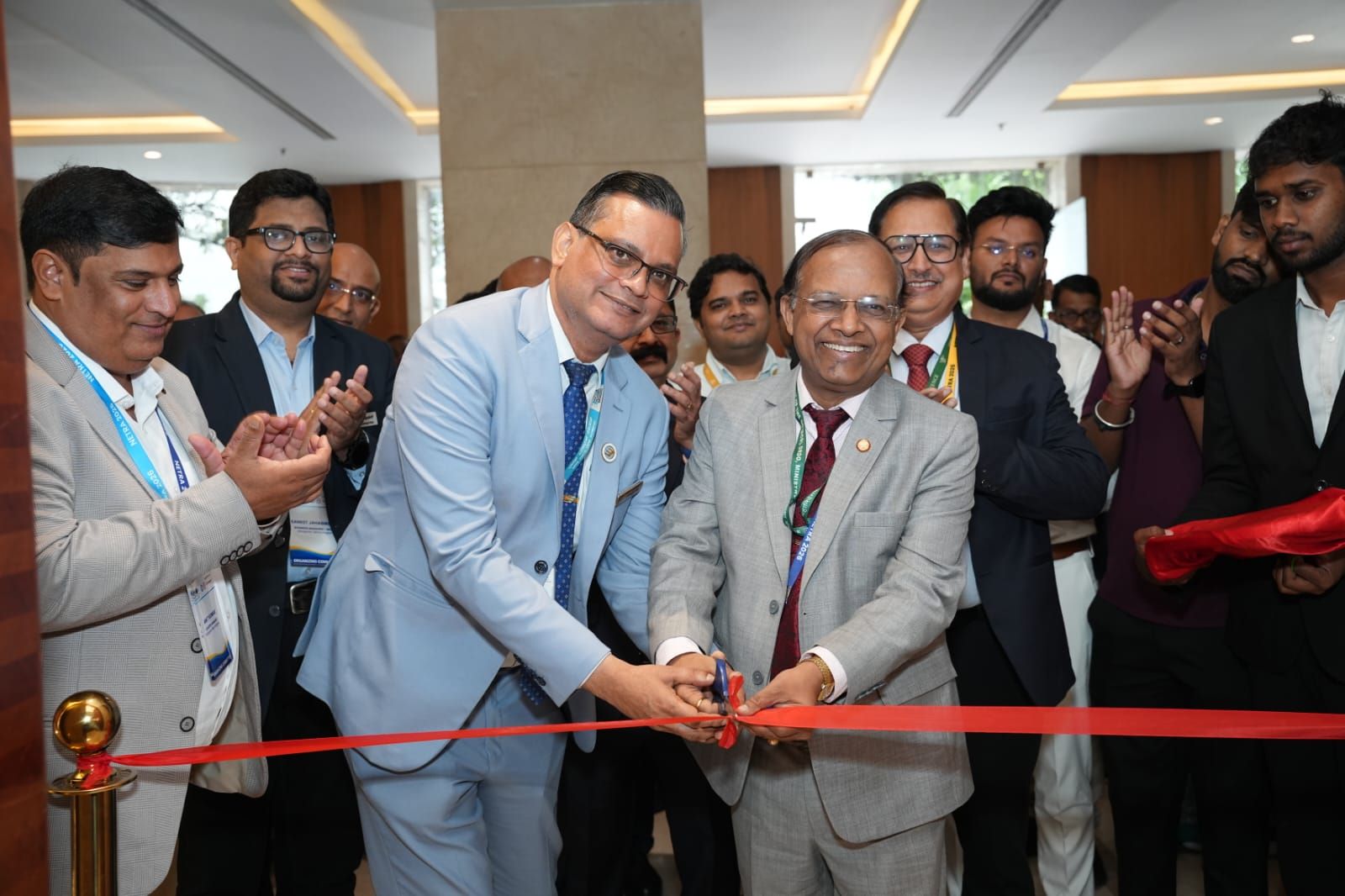
Thank you for reading this post, don't forget to subscribe!Dr. B.K. Das, Director General of Electronics and Communication Systems at DRDO, inaugurated the seminar as the chief guest. The event focused on technologies that are becoming increasingly important for modern military systems, including the use of the electromagnetic spectrum, advanced simulation tools and highly reliable electronic systems.
Electronic Warfare Takes Centre Stage
Electronic warfare is an important part of modern defence operations. It involves the use of the electromagnetic spectrum to detect signals, protect friendly systems, disrupt opposing systems and support military operations.
Modern military forces depend heavily on radar, satellite communications, radio systems, navigation equipment and sensors. Because these systems use electromagnetic signals, controlling and protecting the electromagnetic environment has become an important part of defence planning.
Electronic warfare is generally divided into three broad areas: electronic support, electronic attack and electronic protection. Electronic support helps identify and understand electromagnetic signals. Electronic attack focuses on disrupting or affecting an opponent’s electronic systems, while electronic protection helps friendly systems continue working in a contested electromagnetic environment.
Digital Twin Technology in Defence
One of the other major themes of NETRA-2026 is digital twin technology. A digital twin is a virtual representation of a physical object, system or process. It can be used to simulate how a real system may behave under different conditions.
In defence, digital twins can support system testing, monitoring and maintenance. Engineers can use virtual models to study equipment before carrying out changes on physical systems. This can help identify possible problems at an early stage and reduce the time needed for testing.
Digital twin technology is also becoming relevant in areas such as aviation, manufacturing, transportation and energy. Its growing use reflects the wider movement towards digital engineering and data-based decision-making.
Focus on Mission-Critical Systems
The seminar also addresses mission-critical system design. These are systems where a failure can seriously affect an operation or create major safety and performance problems.
Defence equipment often has to work in difficult environments and under demanding conditions. Communication systems, radar networks, aircraft electronics and other strategic systems require high levels of reliability.
Designing such systems involves careful testing, monitoring and planning for possible failures. Engineers also need to consider cybersecurity, communications reliability, electromagnetic interference and the ability of systems to continue functioning during unexpected situations.
More Than 200 Participants Attend
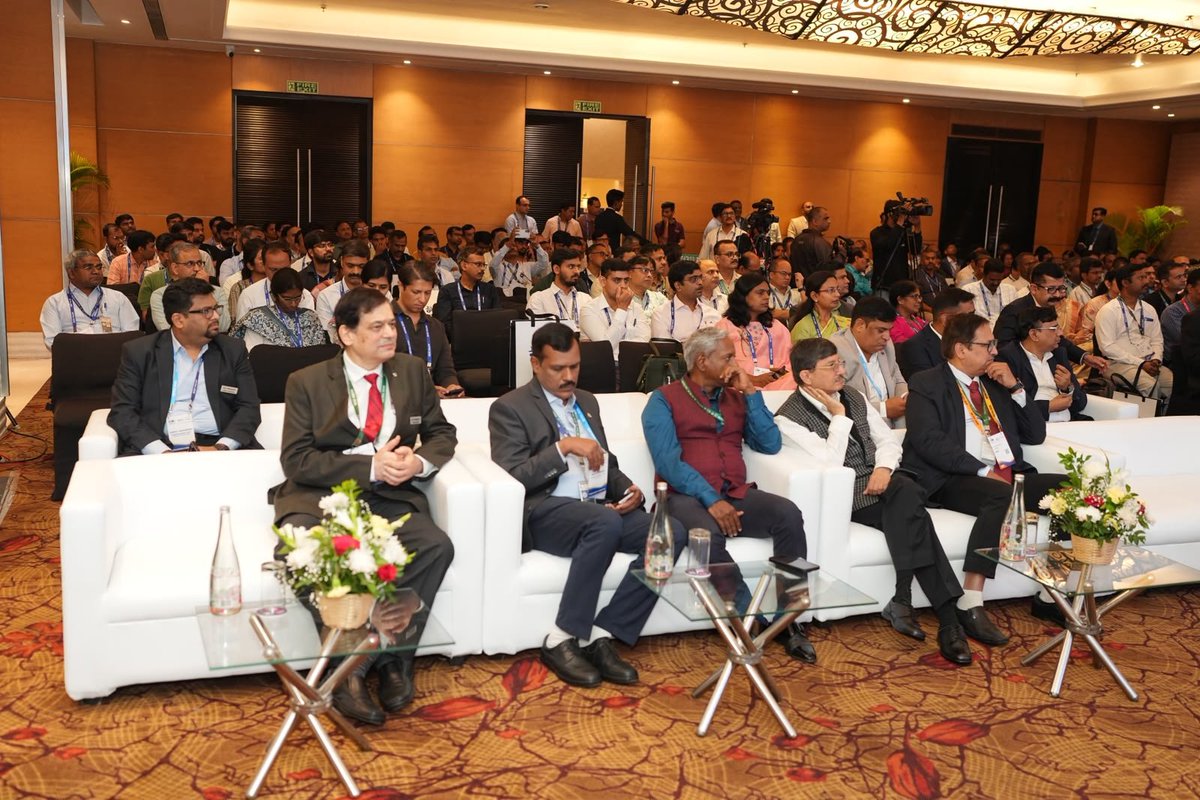
More than 200 participants attended NETRA-2026 from different parts of India’s defence and technology ecosystem. Participants included representatives of the Indian Armed Forces, DRDO, the Indian Space Research Organisation (ISRO), defence public sector organisations, academic institutions and the private defence industry.
The wide participation reflects the increasing need for cooperation between government research organisations, universities and technology companies. Defence technologies often require expertise from several fields, including electronics, software, communications, artificial intelligence, data analysis and engineering.
The seminar was organised with the Association of Old Crows India Chapter and technology partners including Infinipoint, MathWorks, Ansys, Keysight and Synopsys.
Growing Importance of Defence Electronics
India’s defence sector is increasingly focusing on domestic development of advanced electronic systems. Radar technology, secure communications, sensors, electronic warfare equipment and unmanned systems are becoming important areas of research and production.
The development of these technologies is also connected with India’s wider push for self-reliance in defence manufacturing. Indigenous technology can help reduce dependence on imported systems while creating opportunities for Indian researchers, startups and manufacturers.
The defence industry is also seeing greater use of artificial intelligence, machine learning, advanced computing and autonomous systems. These technologies are changing how military equipment is designed, tested and operated.
Electronic Warfare and Modern Defence
Modern defence systems are becoming more connected. Aircraft, missiles, radars, satellites, unmanned aerial systems and command networks can operate as part of larger systems.
This makes electronic warfare increasingly important because disruption of communications, navigation or sensors can affect several connected systems. As a result, defence planners are looking at layered and resilient architectures that can continue operating even when individual components face disruption.
The development of advanced electronic warfare systems is therefore closely connected with radar technology, communications, signals intelligence and countermeasure systems.
DRDO and Defence Technology Research
The Defence Research and Development Organisation is India’s major defence research organisation under the Ministry of Defence. It works on a wide range of technologies for the country’s armed forces.
Electronics and communication systems are an important part of modern defence research. Developments in these areas support platforms and equipment used by the Army, Navy and Air Force.
Events such as NETRA-2026 provide a platform for researchers and industry professionals to discuss new technologies, challenges and possible areas of cooperation.
Technical Sessions Continue
The main seminar sessions were scheduled to continue on 12 August 2026. A hands-on technical workshop was planned for 13 August, allowing participants to explore practical aspects of the technologies discussed during the seminar.
Technical workshops are useful for moving discussions beyond theory and towards real-world applications. They can also help researchers, engineers and industry professionals understand how different technologies can work together within larger systems.
The focus on electronic warfare, digital twins and mission-critical systems shows how modern defence technology is moving towards more connected, software-driven and highly reliable platforms. NETRA-2026 brings these areas together at a time when India is expanding its capabilities in advanced defence electronics and indigenous technology development.