Ancient Ice Bacterium Resistance: A 5,000-Year-Old Microbe Challenges Modern Medicine

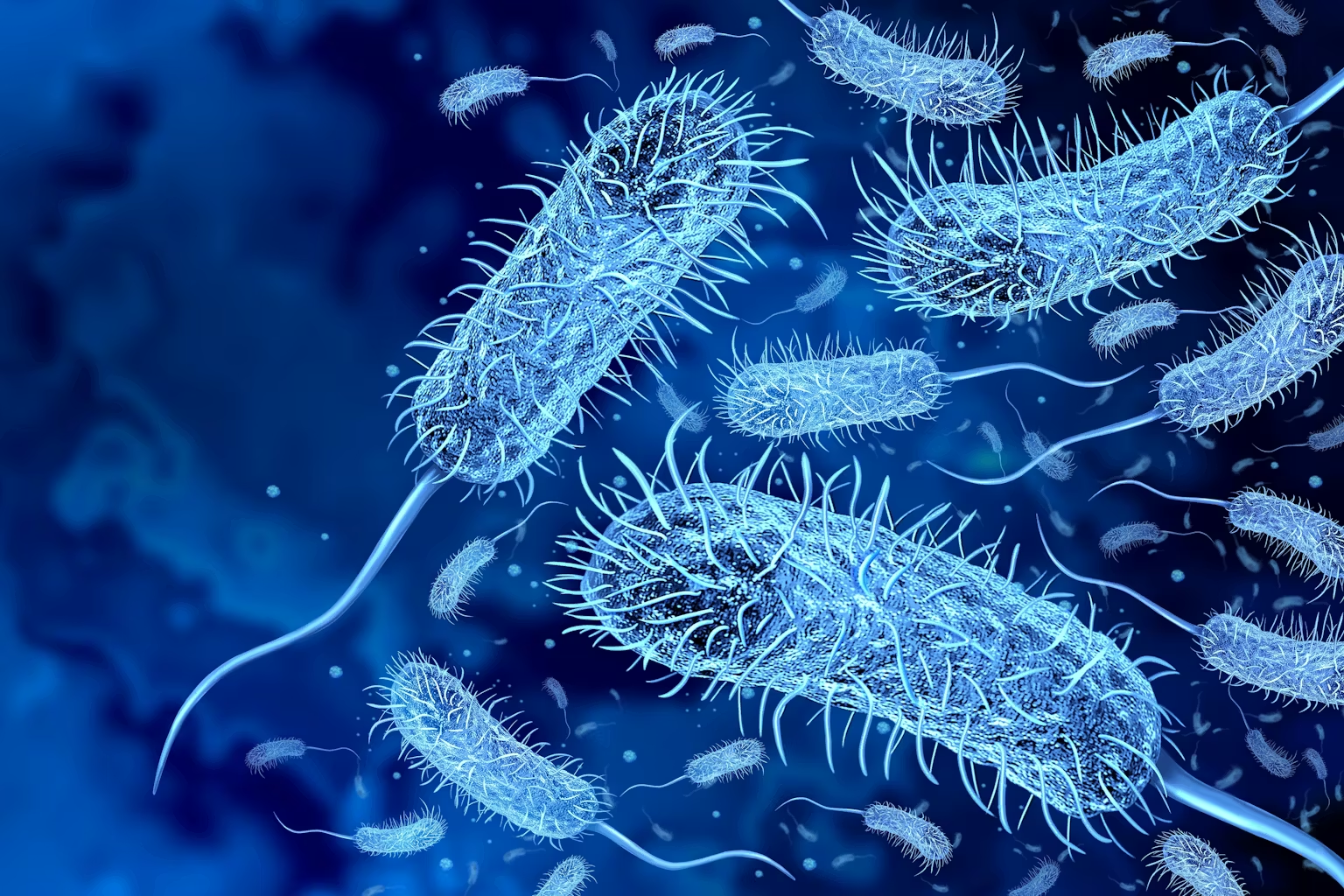
Ancient Ice Bacterium Resistance has come into sharp focus after scientists uncovered a microorganism that survived for nearly 5,000 years trapped deep inside ancient ice. Preserved in frozen layers beneath the Scărișoara Ice Cave in Romania, this bacterium is not only remarkable for its age but also for its ability to resist several antibiotics that are still widely used in modern medicine. The finding has surprised researchers and raised fresh concerns about hidden biological threats emerging as Earth’s ice continues to melt.
Thank you for reading this post, don't forget to subscribe!Drilling deep into ancient ice
To make the discovery, researchers drilled a 25-metre-long ice core from the “Great Hall” of the cave. Each layer of ice represents a different period in history, stretching back nearly 13,000 years. Extreme care was taken to prevent contamination. The ice samples were collected using sterile tools and kept frozen while being transported to laboratories for testing.
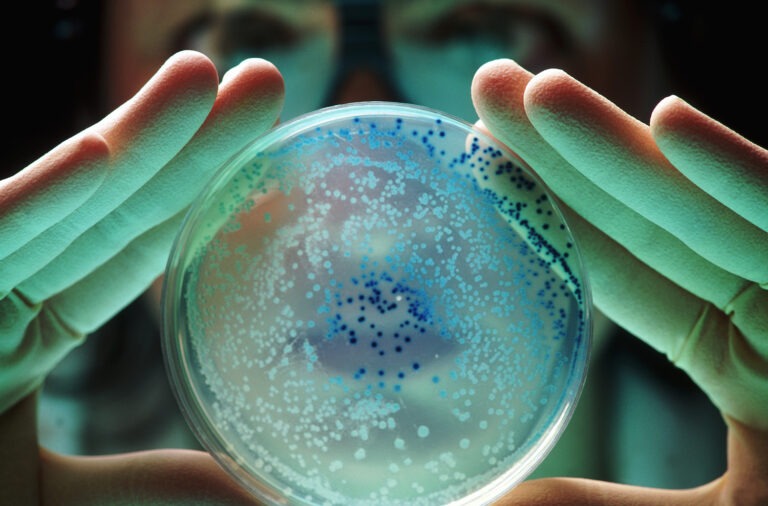
Once in the lab, scientists carefully melted parts of the ice under controlled conditions. Several bacterial strains were recovered and studied using genetic sequencing. Among them, one stood out for its strength and unusual properties. This strain had survived thousands of years in complete isolation, without contact with humans, animals, or modern medicine.
A cold-loving survivor with modern strength
The bacterium identified by researchers belongs to the genus Psychrobacter, which is known for thriving in extremely cold environments. The specific strain, named Psychrobacter SC65A.3, is adapted to icy conditions and low nutrient levels. Despite its ancient origin, it showed a strong ability to survive exposure to modern antibiotics.
Laboratory tests revealed that this bacterium could resist 10 out of 28 antibiotics tested. These antibiotics come from 10 different drug classes that doctors still rely on today. Some of the medicines the bacterium resisted are commonly used to treat infections of the lungs, skin, blood, urinary tract, and reproductive system.
What antibiotic resistance really means
Antibiotic resistance is often blamed on the overuse or misuse of medicines in hospitals, livestock farming, and everyday healthcare. While this is a major cause, the ancient bacterium tells a deeper story. Genetic analysis showed that the strain carries more than 100 genes linked to resistance.
This means that antibiotic resistance did not begin with modern humans. Some resistance traits developed naturally in the environment long before antibiotics were invented. Bacteria have always competed with each other, producing natural chemicals to survive. Over time, they also evolved ways to protect themselves from these substances.
Why melting ice is a growing concern
The discovery has increased concern about what might happen as glaciers, ice sheets, and permafrost continue to melt due to rising global temperatures. Ice acts like a natural freezer, safely storing microbes for thousands of years. When this ice melts, ancient bacteria and viruses may be released into soil, water, and ecosystems.
Scientists stress that this does not mean a new disease outbreak is certain. However, ancient microbes act as genetic reservoirs. Even if they do not cause illness directly, they may pass resistance genes to modern bacteria through natural processes. This could make existing infections harder to treat.
Lessons from past thawing events
There is already evidence that thawing ice can release harmful organisms. In 2016, an unusually warm summer in Siberia thawed permafrost and exposed the frozen remains of a reindeer infected with anthrax. The bacteria became active again, leading to an outbreak that affected people and animals after decades of dormancy.
This event shows that ancient microbes can remain dangerous even after long periods of freezing. It also highlights how climate change is not only an environmental issue, but also a biological and medical one.

Scientific value beyond the risks
While the risks are real, scientists also see promise in studying ancient bacteria. The genome of Psychrobacter SC65A.3 revealed 11 genes that may help fight bacteria, fungi, and even viruses. In addition, nearly 600 genes found in the bacterium have unknown functions.
Cold-adapted microbes are of special interest in biotechnology. They can produce enzymes that work at low temperatures, which may be useful in medicine, industry, and environmental cleanup. Studying these organisms could lead to new drugs or treatments, especially at a time when antibiotic resistance is rising worldwide.
Handling Ancient Ice Bacterium Resistance with Care
Researchers emphasize the importance of strict safety rules when working with ancient microbes. All experiments are carried out in controlled laboratories to prevent accidental release. The goal is to understand these organisms, not to alarm the public.
The discovery of a 5,000-year-old bacterium with modern antibiotic resistance reminds us that nature still holds many surprises. As the planet warms, scientists must stay alert, balancing curiosity with caution. Ancient ice may seem silent and harmless, but it carries stories and organisms that can still shape the future of human health.