Zapad Military Exercise 2025: India Strengthens Strategic Defence Cooperation with Russia and Global Partners

The Zapad Military Exercise 2025 marks another chapter in India’s growing participation in multinational defence collaborations. The Indian Armed Forces have deployed a contingent of 65 personnel to Russia to take part in this large-scale exercise, scheduled from 10 to 16 September 2025 at the Mulino Training Ground. This engagement underscores India’s continued commitment to enhancing its strategic and operational partnerships with Russia and other participating nations amid evolving global security dynamics, particularly in Eastern Europe.
Thank you for reading this post, don't forget to subscribe!Zapad Military Exercise 2025 and the Indian Contingent
The Indian contingent participating in the Zapad Military Exercise 2025 consists of 65 personnel representing all three branches of the Armed Forces. Of these, 57 are from the Indian Army, seven from the Indian Air Force, and one from the Indian Navy. The Army unit is primarily drawn from the renowned Kumaon Regiment, supported by soldiers from various arms and services. This joint representation highlights India’s integrated military approach and reflects its emphasis on joint operations capability in a multinational setting.
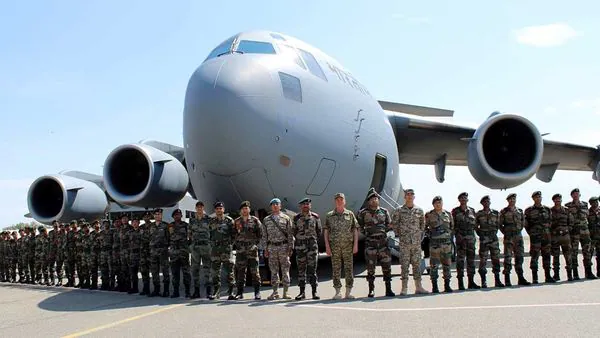
Participation in such exercises allows the Indian Armed Forces to engage directly with modern warfare doctrines and test interoperability standards with foreign troops. The inclusion of air and naval personnel ensures coordination across land, air, and sea operations, which is critical for large-scale joint exercises involving multiple nations.
Zapad Military Exercise 2025 Objectives
The Zapad Military Exercise 2025 aims to strengthen cooperation and interoperability among more than 20 participating countries, including India, Russia, Iran, and China. The exercise is designed to focus on both conventional and asymmetric warfare tactics. The core objectives include enhancing readiness for joint counter-terrorism operations, conducting tactical planning drills, and simulating real-world combat conditions in open terrain.
Through these activities, participating forces work together to develop a unified response mechanism for potential global security challenges. India’s involvement not only provides valuable operational exposure but also allows it to contribute to shaping a shared understanding of modern warfare strategies.
Operational Activities
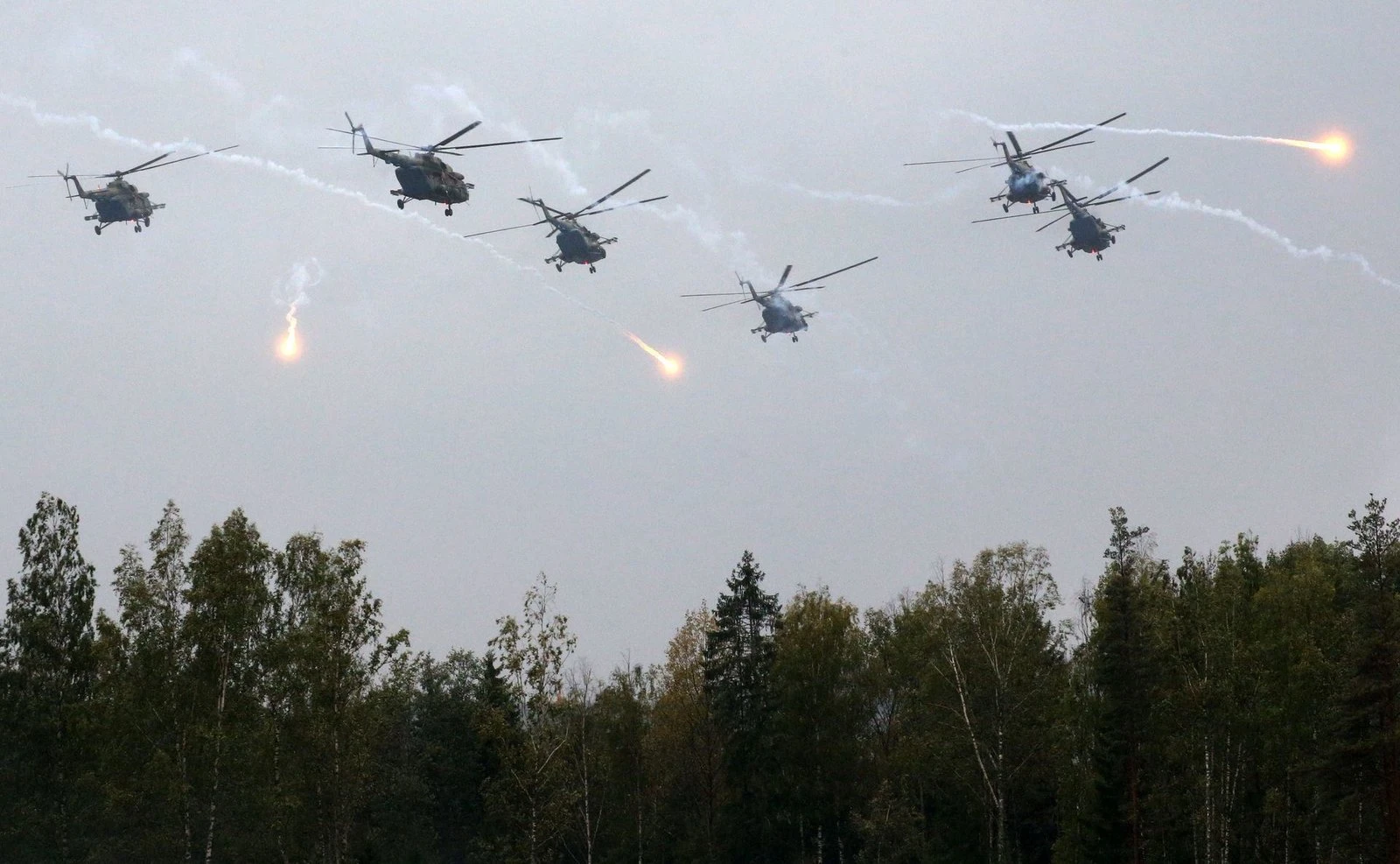
Operational drills during the Zapad Military Exercise 2025 include a combination of live-fire missions, company-level joint operations, and technology-driven simulations. Emerging defence technologies such as unmanned systems, communication networks, and precision-guided weaponry are integrated into the exercise.
Participants practice combined-arms operations involving infantry, armour, artillery, and aviation units to build coordination under complex battlefield conditions. The exercise further serves as a testing ground for evaluating command-and-control frameworks and decision-making under stress.
By exchanging tactics, techniques, and procedures, India and other participating nations enhance their collective operational efficiency, ensuring that joint responses to emerging security threats remain swift and effective.
Zapad Military Exercise 2025 in Geopolitical Context
The Zapad Military Exercise 2025 holds immense geopolitical significance as it takes place near NATO’s eastern borders, a region that has become a focal point of international attention following the Russia-Ukraine conflict. The proximity of the drills to NATO territory has led to heightened security alerts across Europe.
Poland has closed its border with Belarus, citing concerns over potential spillover effects and national security risks. Similarly, Lithuania and NATO have strengthened their border surveillance and military readiness. Western analysts have expressed concerns that the scale and secrecy of the exercise may mask underlying strategic manoeuvres by Russia to project power and test NATO’s response capabilities.
For India, participating in such a high-profile exercise highlights its diplomatic balancing act. While maintaining strategic ties with Russia, India also engages with Western defence frameworks like the Quad and Indo-Pacific partnerships, reflecting its multi-alignment policy in global security affairs.
Diplomatic and Security Fallout
The Zapad Military Exercise 2025 has triggered a wave of diplomatic reactions across Europe. The Belarusian government condemned Poland’s decision to close its border, terming it an “abuse of geography and sovereignty.” Relations between Poland and Belarus remain strained, worsened by espionage allegations and mutual expulsions of diplomats.
In the wake of these tensions, Poland has detained a suspected Belarusian spy, while countries like the Czech Republic and Romania have taken similar measures against suspected Russian intelligence operatives. This surge in counter-intelligence activity underscores the volatile security atmosphere surrounding the exercise and its broader geopolitical implications.
Zapad Military Exercise 2025 and Military Significance
The Zapad Military Exercise 2025 incorporates advanced operational elements, including nuclear-related simulations and the testing of Russia’s latest hypersonic missile system, the Oreshnik. These drills demonstrate Russia’s determination to project strategic deterrence and reinforce its military readiness amid growing NATO pressure.
For participating nations, these scenarios provide valuable insight into Russia’s evolving military doctrines and emerging technologies. The exercise also allows observers to analyze the integration of electronic warfare systems, air defence networks, and rapid-response units critical components of modern hybrid warfare.
India’s involvement, while primarily focused on interoperability and tactical learning, also ensures that its forces remain updated on advanced warfare technologies and doctrines. This experience contributes to India’s preparedness for future joint operations and enhances its global defence engagement credentials.
Zapad Military Exercise 2025 and India’s Strategic Outlook
The Zapad Military Exercise 2025 comes at a time when India is expanding its defence diplomacy footprint. Participation in multilateral exercises like Zapad complements India’s involvement in other international drills such as Vostok, Indra, Malabar, and Yudh Abhyas.
These engagements serve India’s long-term strategic goals of maintaining readiness, promoting interoperability with key partners, and balancing relations between traditional allies and emerging global powers. The exercise also reinforces India’s role as a responsible military participant committed to global stability and peacekeeping.
By engaging in the Zapad Military Exercise 2025, India strengthens its understanding of modern warfare, enhances its operational competence, and showcases its commitment to international defence collaboration. As global security challenges evolve, such exercises will continue to shape the strategic landscape and India’s position within it.