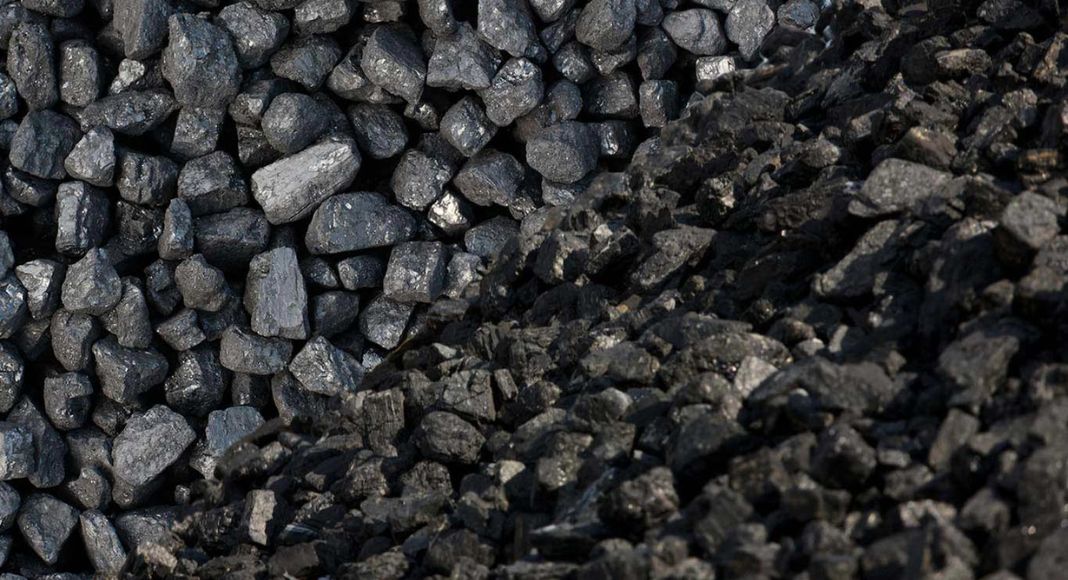
Low Ash Metallurgical Coke Imports Opened to Support Steel Production

Low Ash Metallurgical Coke has become the focus of a major policy move as the government has lifted import curbs on this crucial steel-making raw material. The decision is expected to bring relief to steel producers who have been facing pressure due to limited supply options and rising costs. The change was officially announced by the Directorate General of Foreign Trade, marking a clear shift from the earlier restrictive approach.
Thank you for reading this post, don't forget to subscribe!Government Opens Door for Easier Imports
Low Ash Metallurgical Coke imports will now be allowed freely, according to the latest notification issued by the trade authority. This means steel companies can bring in this material from global markets without facing quantity limits or special approvals. The move reverses a previous decision that had placed restrictions on these imports until mid-2026.
By removing these curbs, the government aims to ensure smooth availability of raw materials for the steel sector, which plays a vital role in infrastructure, construction, and manufacturing activities across the country.
What the New Trade Notice Clearly States
The notification explains that metallurgical coke with ash content below 18 percent can now be imported without restrictions. This relaxation is not limited to one product alone. It also covers coke fines, coke breeze, and ultra-low phosphorous metallurgical coke. All these materials are widely used in steel plants and are considered essential for maintaining quality and efficiency in production.
This clear and simple policy direction removes uncertainty for steel manufacturers who depend on consistent supplies to keep their furnaces running.
A Change from the Earlier Stand
Just a few days before this announcement, the trade authority had extended restrictions on low ash metallurgical coke imports. That earlier decision was meant to protect domestic producers by limiting foreign competition. However, it also triggered concerns within the steel industry.
Steelmakers pointed out that domestic supply was not enough to meet demand, especially when it came to quality grades. The restrictions also led to fears of higher costs, which could have affected steel prices and slowed down production.
The latest decision shows that these concerns were taken into account.
Why This Material Matters for Steelmakers
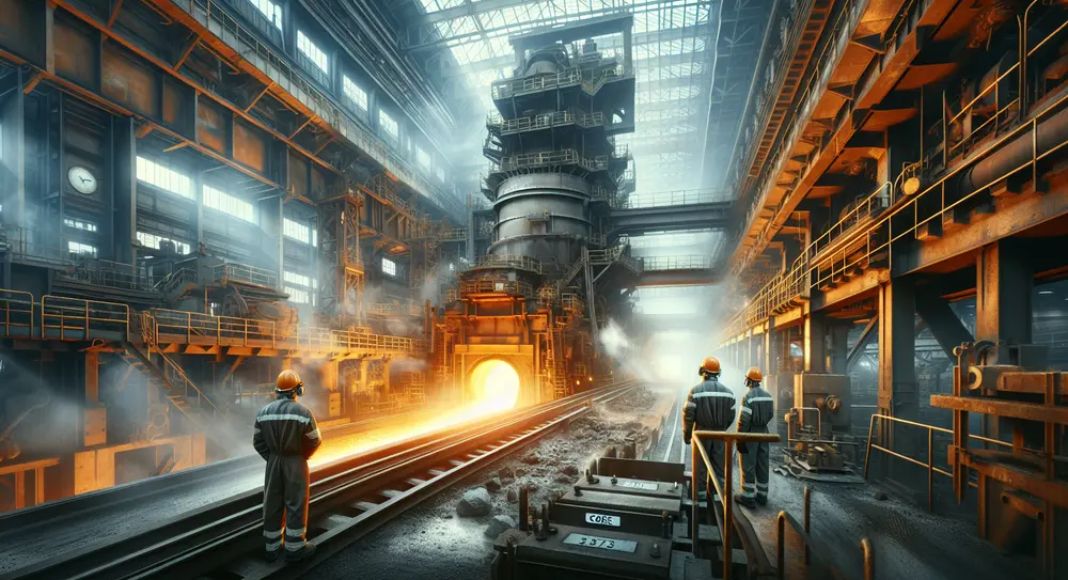
Metallurgical coke is produced from coal and is used in blast furnaces to make steel. It acts both as a fuel and as a material that helps remove oxygen from iron ore. Low ash metallurgical coke is especially valuable because it improves furnace efficiency and reduces waste.
Steel companies prefer low ash variants because they help produce stronger and cleaner steel. When ash levels are low, the production process becomes smoother, and energy use is more efficient. Since local production cannot fully meet these standards at scale, imports play a key role.
Relief for an Industry Under Pressure
The steel industry has been experiencing steady demand, driven by infrastructure projects, housing, and industrial growth. At such a time, any disruption in raw material supply can create serious challenges.
By allowing free imports, the government has helped reduce the risk of shortages. This is also expected to control input costs, which could otherwise rise sharply if supply remains tight. Stable raw material prices are important not only for steel companies but also for sectors that depend on steel.
A Balanced Policy Signal
This move sends a strong signal that the government is willing to adjust trade policies when needed. While supporting domestic producers remains important, ensuring the smooth functioning of downstream industries is equally critical.
Allowing free import of Low Ash Metallurgical Coke shows a practical approach where industry needs and market realities are given due importance. It reflects flexibility rather than a rigid policy stance.
What Lies Ahead
With the curbs lifted, steelmakers are likely to plan imports more confidently. This can help them manage production schedules better and meet market demand without fear of sudden supply gaps.
Overall, the decision is expected to support stable steel production, keep costs under control, and strengthen the supply chain at a time when economic activity remains strong.