Inland Rainbow Trout Farm Opens a New Chapter in Indian Aquaculture

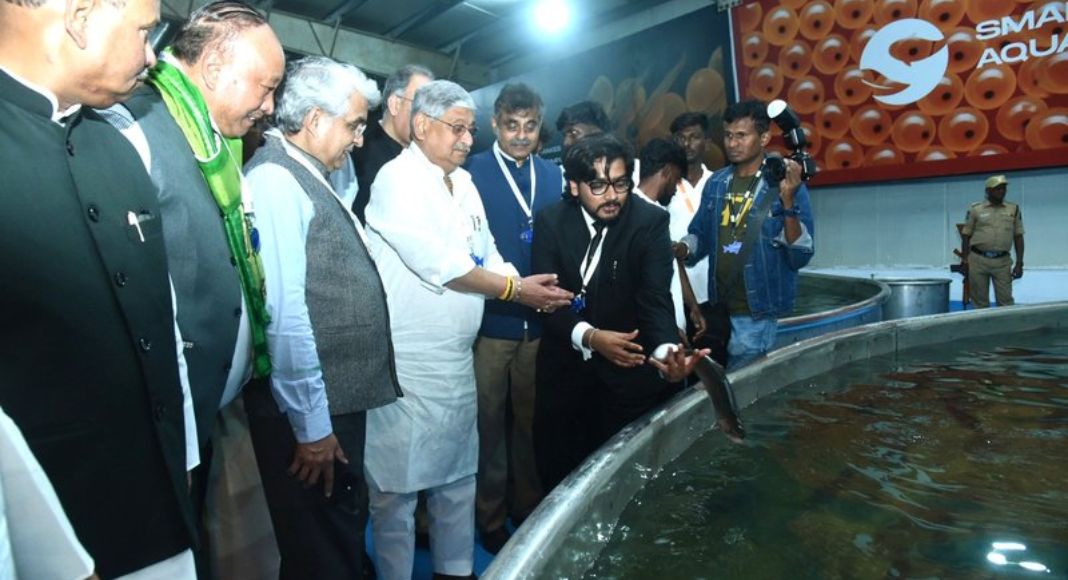
India has reached an important milestone in fish farming with the launch of the country’s largest inland Rainbow Trout farm in Telangana. Located in the Ranga Reddy district, this modern facility marks a bold step toward expanding aquaculture beyond its traditional boundaries. The farm was officially inaugurated by Union Minister for Fisheries, Animal Husbandry and Dairying Rajiv Ranjan Singh, along with Union Coal and Mines Minister G Kishan Reddy. Their presence highlighted the national importance of this project and its role in shaping the future of inland fisheries.
Thank you for reading this post, don't forget to subscribe!This development is being seen as a turning point because Rainbow Trout is usually linked with cold, mountainous regions. Setting up such a farm in the warmer climate of Telangana shows how technology and planning can open new doors for Indian agriculture and fisheries.
An Inland Rainbow Trout Farm Like No Other in India
The Inland Rainbow Trout Farm in Telangana is the first of its kind on the Deccan Plateau. The project has been developed by startup SmartGreen Aquaculture with an investment of around ₹50 crore. What makes it special is its ability to raise a cold-water fish species in an inland and warm region.
To achieve this, the farm uses advanced systems that carefully manage water temperature, oxygen levels, and water flow. These controlled conditions allow Rainbow Trout to grow in an environment that would normally be unsuitable for them. This approach proves that fish farming is no longer limited by geography alone.
Moving Beyond the Himalayan Belt
Until now, Rainbow Trout farming in India was mainly restricted to Himalayan states such as Himachal Pradesh, Uttarakhand, and Jammu and Kashmir. These regions naturally offer cold water, which is ideal for trout. The Telangana project breaks this long-standing pattern.
By successfully farming trout far away from the hills, the Inland Rainbow Trout Farm sends a strong message: modern methods can overcome climate challenges. Experts believe this model can be adopted in other non-traditional areas as well, helping many states explore high-value fish farming without depending on natural cold-water sources.
Support for Innovation and Private Participation
During the inauguration, Union Minister Rajiv Ranjan Singh praised the project as a strong example of innovation led by private players. He said such efforts match the government’s goal of modernising the fisheries sector and encouraging startups to bring new ideas into the field.
The minister also assured support for exporting Rainbow Trout through the National Fisheries Development Board. With growing global demand for premium fish varieties, this facility could help India strengthen its position in international seafood markets.
Integrated Model Brings Efficiency and Jobs
One of the key strengths of the Inland Rainbow Trout Farm is its integrated setup. The facility handles breeding, rearing, and processing at a single location. This reduces transport costs, improves quality control, and increases overall efficiency.
Officials noted that the project is expected to create local jobs and promote skill development in modern aquaculture practices. It also encourages the use of technology-driven farming methods, which can inspire young entrepreneurs to enter the fisheries sector.
A Promising Future for Inland Fish Farming
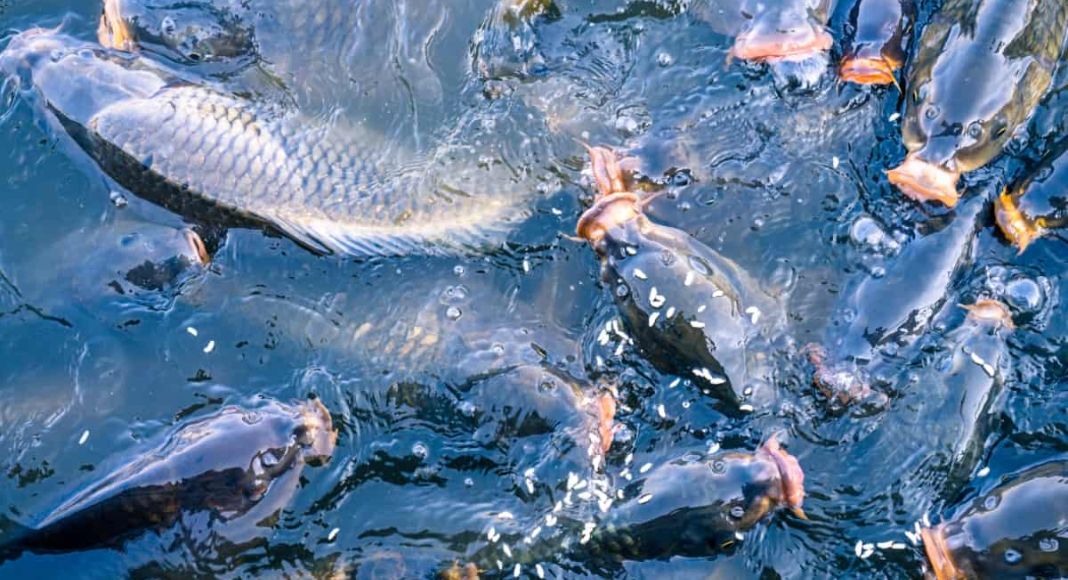
The success of this trout farm could have wide-reaching effects. By diversifying fish production, India can reduce pressure on traditional farming regions and improve food availability. Farmers may benefit from higher incomes, while consumers gain access to quality fish produced within the country.
If similar Inland Rainbow Trout Farm models are set up across India, the country could emerge as a key producer and exporter of premium inland fish. The Telangana project is more than just a farm—it is a sign of how innovation can reshape Indian aquaculture and unlock new opportunities for growth.