Children’s Day: Celebrating the Spirit of Childhood and the Future of Humanity

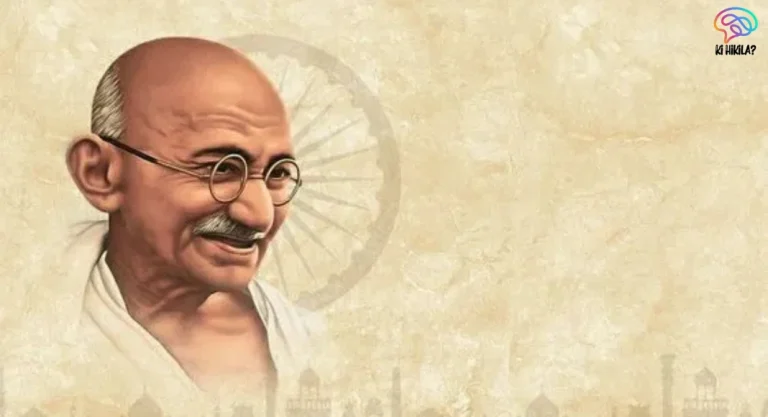
Every year, Children’s Day is celebrated with joy, laughter, and love across the world to honor the innocence, purity, and limitless potential of children. In India, Children’s Day holds a special place in our hearts as it commemorates the birth anniversary of Pandit Jawaharlal Nehru, the first Prime Minister of India, who was affectionately known as Chacha Nehru. For him, children represented the nation’s true strength and the very foundation of its future. He firmly believed that a society’s progress could be measured by how well it nurtures and educates its children.
Thank you for reading this post, don't forget to subscribe!But beyond the parades, school programs, and candies distributed on this day, Children’s Day carries a deeper meaning it’s a reminder to protect the rights of children, provide them with education, ensure their well-being, and give them the freedom to dream and grow in a safe, nurturing world.
The Origin and History of Children’s Day
The idea of dedicating a day to children began in the early 20th century, inspired by a growing global awareness of children’s rights. The concept first took root in 1925 during the World Conference on Child Welfare held in Geneva. Many countries began observing this day to emphasize children’s health, education, and happiness.
The official recognition of Universal Children’s Day came later in 1954, when the United Nations recommended November 20 as the date to promote global solidarity and awareness among children worldwide. The same date also marks two major milestones the adoption of the Declaration of the Rights of the Child in 1959 and the Convention on the Rights of the Child in 1989.
However, in India, Children’s Day is celebrated on November 14, which marks the birth anniversary of Pandit Jawaharlal Nehru (1889–1964). Nehru’s affection for children and his firm belief in the importance of nurturing young minds led to this date being chosen after his death in 1964.
Before that, India observed Children’s Day on November 20 along with the rest of the world. But the shift to November 14 gave the celebration a uniquely Indian identity and connected it with the country’s post-independence vision of progress and nation-building through education and youth development.
Pandit Jawaharlal Nehru and His Love for Children
Pandit Nehru was more than just a political leader; he was a visionary who believed that the key to a nation’s success lay in the hands of its young citizens. His fondness for children was well known. Children affectionately called him Chacha Nehru, a title that reflected the warmth and approachability he extended towards them.
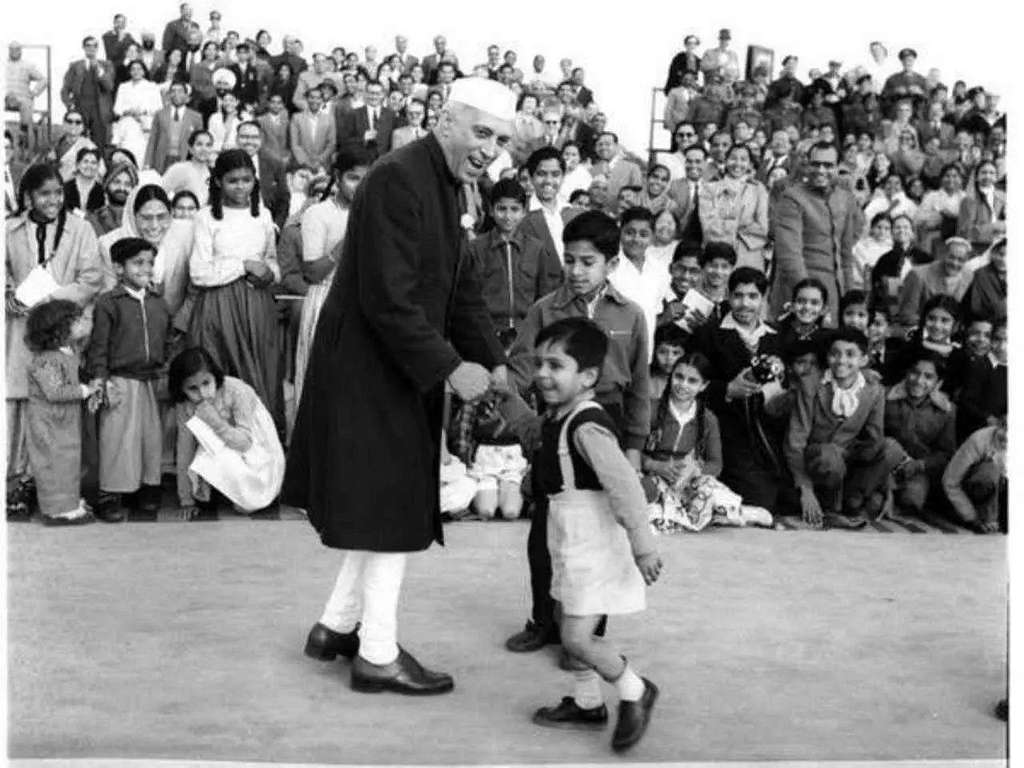
Nehru believed that children should be allowed to grow freely, develop curiosity, and explore the world around them. He emphasized that education was not merely a means to earn a livelihood but a process of building character, values, and a sense of responsibility.
To fulfill this vision, Nehru laid the foundation for many educational and scientific institutions in India, including the Indian Institutes of Technology (IITs), Indian Institutes of Management (IIMs), All India Institute of Medical Sciences (AIIMS), and the Indian Space Research Organization (ISRO). His vision helped shape modern India’s intellectual and scientific growth.
Nehru once said, “The children of today will make the India of tomorrow. The way we bring them up will determine the future of the country.” This timeless message continues to inspire India’s education and child welfare initiatives even today.
How Children’s Day is Celebrated in India
Across India, Children’s Day is one of the most joyous and colorful occasions celebrated in schools, institutions, and communities. The day is filled with fun activities, performances, and cultural programs designed to entertain children and allow them to express themselves freely.
Schools organize special assemblies, fancy dress competitions, music and dance performances, and sports events. Teachers often put on skits or shows to make children laugh and feel special. The atmosphere is light-hearted and filled with laughter a day when learning takes a backseat and joy takes the front row.
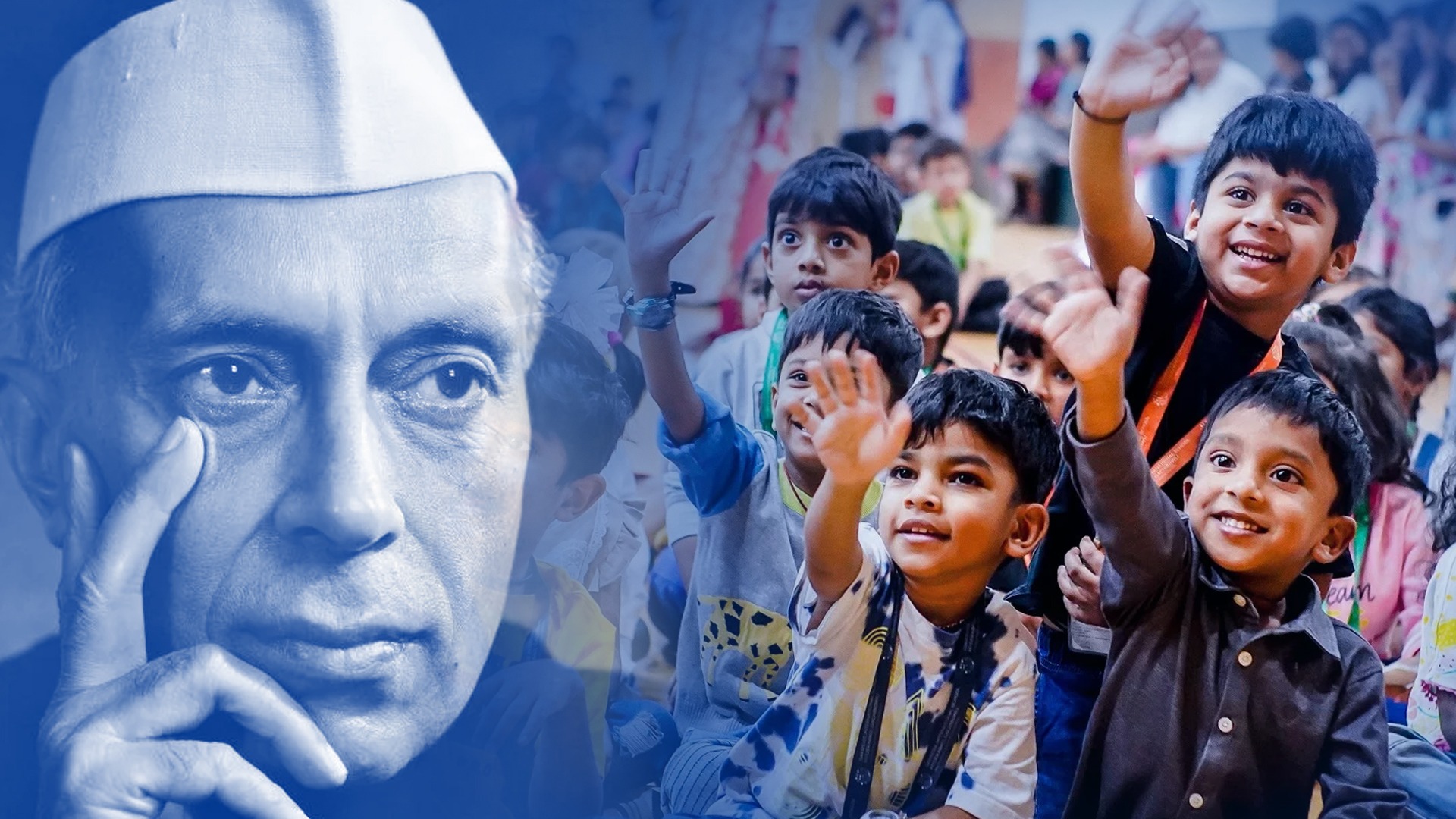
Government organizations and NGOs also take this opportunity to raise awareness about children’s rights, education, and health. Many events focus on issues such as child labor, malnutrition, and access to education, reminding society of its duty to safeguard every child’s future.
In recent years, the celebration of Children’s Day has expanded beyond schools. Social media campaigns, public welfare programs, and celebrity messages help amplify the importance of this day. Politicians, educators, and social workers share inspirational messages highlighting the need to build a better environment for children.
Children’s Rights and Their Importance
One of the key purposes of Children’s Day is to remind society that children are not just small adults they have unique rights, needs, and potential that must be protected and nurtured. The United Nations Convention on the Rights of the Child (UNCRC) recognizes that every child is entitled to:
- The right to survival and development
- The right to education
- The right to protection from exploitation and abuse
- The right to express their opinions freely
- The right to play, recreation, and cultural activities
In India, these principles are enshrined in the Constitution and supported by laws such as the Right to Education Act (RTE), Juvenile Justice Act, and Child Labour (Prohibition and Regulation) Act. However, despite progress, millions of children still face challenges like poverty, child labor, lack of education, and health issues.
Children’s Day serves as a yearly reminder to policymakers and citizens alike that our responsibility doesn’t end with celebration. It calls for action to create a world where every child can live with dignity, safety, and hope.
Children’s Day Around the World
While India celebrates Children’s Day on November 14, different countries observe the day on various dates, each with unique customs and meanings.
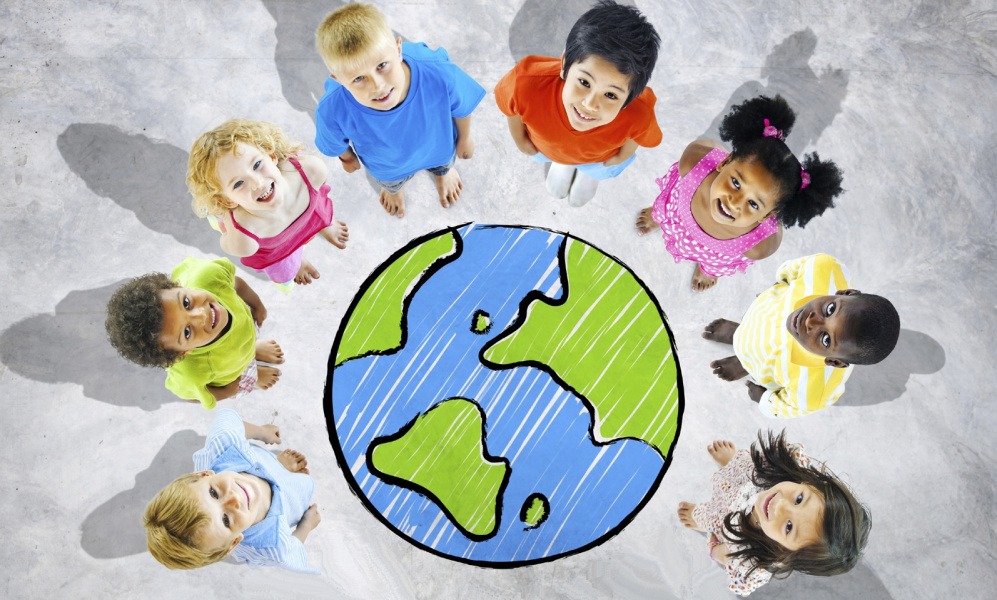
- Japan: Celebrates Kodomo no Hi on May 5, focusing on the happiness and health of children, symbolized by colorful carp streamers and samurai dolls.
- China: Observes Liuyi Ertong Jie (June 1), where schools organize games and cultural activities, and children receive gifts.
- United States: Celebrates National Children’s Day on the second Sunday of June, focusing on family bonding and child welfare.
- Turkey: Has one of the earliest celebrations National Sovereignty and Children’s Day on April 23, established by Mustafa Kemal Atatürk in 1920.
- Brazil: Marks Dia das Crianças on October 12, often celebrated with toys, sweets, and family gatherings.
- Universal Children’s Day (UN): Celebrated globally on November 20, emphasizing international cooperation for child rights and well-being.
Though the dates and traditions differ, the essence remains the same honoring the purity of childhood and ensuring children have a safe and joyful world.
The Role of Education in Empowering Children
Education is at the heart of Children’s Day celebrations. Pandit Nehru envisioned education as the most powerful weapon to transform society. A good education not only imparts knowledge but also instills confidence, creativity, and compassion.
In India, despite enormous progress, millions of children still remain outside the school system, especially in rural and marginalized communities. The introduction of free and compulsory education under the Right to Education Act (2009) has brought hope, but challenges such as school dropouts, gender inequality, and lack of infrastructure persist.
On Children’s Day, educators and policymakers reaffirm their commitment to strengthening the education system, making learning joyful, inclusive, and meaningful. Innovative teaching methods, digital classrooms, and child-centered curricula are becoming part of this vision to ensure that no child is left behind.
Children’s Day and Social Awareness
Beyond fun and festivities, Children’s Day is a powerful tool for raising awareness about the realities many children face today issues like child labor, abuse, malnutrition, and poverty. According to UNICEF, millions of children worldwide are deprived of basic necessities like food, education, and healthcare.
In India, government schemes such as Mid-Day Meal Programme, Beti Bachao Beti Padhao, Anganwadi Services, and National Child Labour Project aim to tackle these challenges. NGOs and social organizations also play a crucial role in rescuing and rehabilitating underprivileged children, ensuring they receive education and emotional care.
On this day, campaigns are organized to promote child safety, vaccination, nutrition, and the importance of mental well-being. It’s also a day for communities to reflect are we truly providing our children the happy, healthy, and creative environment they deserve?
The Psychological and Emotional Significance of Celebrating Children
Celebrating Children’s Day goes beyond entertainment. It’s psychologically enriching for children because it makes them feel valued and loved. When society celebrates them, it builds their self-esteem and motivates them to dream big.
For parents and teachers, it serves as a reminder to listen to children their ideas, emotions, and struggles. Childhood is a delicate period of formation, and positive reinforcement at this stage can shape a lifetime of confidence and empathy.
Today, as digital distractions and academic pressures rise, Children’s Day provides a much-needed break from routine. It encourages creativity, teamwork, and joy essential ingredients of a happy childhood.
Children’s Day in the Modern Era: Adapting to Change
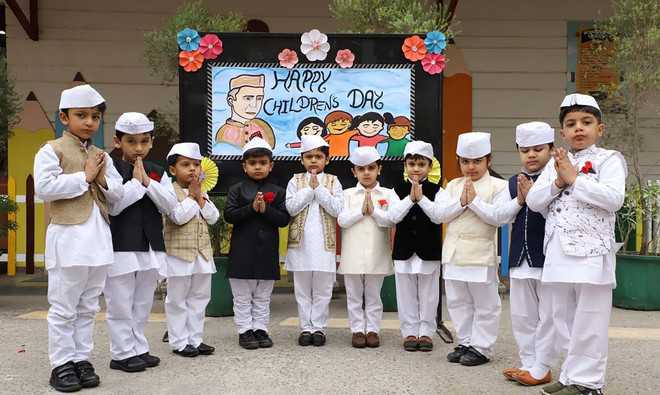
In the modern world, Children’s Day is taking on new dimensions. The 21st-century child faces challenges that are vastly different from the past from screen addiction and cyberbullying to climate anxiety and social pressure.
While technology has opened doors to learning and global connectivity, it has also exposed children to risks. Therefore, discussions on digital safety, responsible online behavior, and balanced lifestyles are increasingly becoming part of Children’s Day programs.
Moreover, children today are more aware and vocal about global issues climate change, gender equality, and peace. Their voices are being heard through youth movements, social media campaigns, and leadership platforms. In many ways, they are no longer just the future they are the present change-makers.
Famous Quotes on Children and Their Importance
Many great thinkers, educators, and leaders have emphasized the significance of children in shaping humanity’s future. Here are a few timeless quotes often associated with Children’s Day:
- “There can be no keener revelation of a society’s soul than the way in which it treats its children.” – Nelson Mandela
- “Children are not things to be molded, but people to be unfolded.” – Jess Lair
- “The soul is healed by being with children.” – Fyodor Dostoevsky
- “Children are the world’s most valuable resource and its best hope for the future.” – John F. Kennedy
- “The child is the father of the man.” – William Wordsworth
These words remind us that childhood is not just a stage of life it is the foundation of all human growth.
How Parents and Teachers Can Make Children’s Day Meaningful
While celebrations are important, the best way to honor Children’s Day is to make it meaningful for children. Parents and teachers can do this by:
- Spending quality time with children, listening to their ideas and dreams
- Organizing creative workshops, storytelling sessions, or outdoor games
- Teaching them about empathy, kindness, and gratitude
- Encouraging participation in community service and environmental care
- Creating a safe and nurturing environment where they can express themselves freely
These simple acts go a long way in shaping confident, responsible, and compassionate individuals.
Conclusion: The True Spirit of Children’s Day
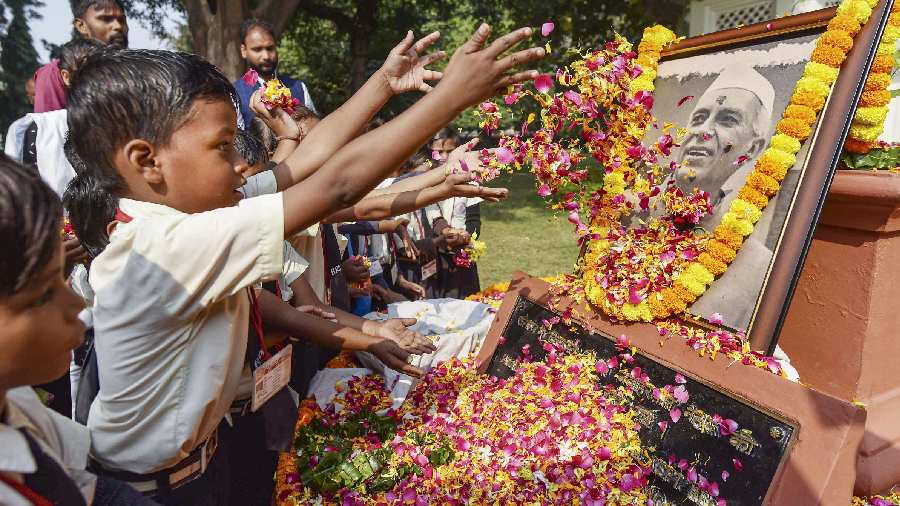
Children’s Day is not just another date on the calendar it is a celebration of life, hope, and the future. It reminds us of our collective responsibility to protect and nurture the world’s most precious resource its children.
As we celebrate November 14 with laughter, sweets, and joy, let us also pledge to create a world where every child, regardless of background, can access education, live free from fear, and chase their dreams.
Pandit Jawaharlal Nehru’s vision continues to guide us that every child deserves love, learning, and opportunities. In his words, “Only through the right education can a better order of society be built up.”
This Children’s Day, let’s celebrate not just the innocence of childhood but the promise it holds for a brighter, more compassionate tomorrow.
FAQs on Children’s Day
Q1. When is Children’s Day celebrated in India?
A: Children’s Day is celebrated on November 14 every year in India.
Q2. Why is Children’s Day celebrated on November 14 in India?
A: It marks the birth anniversary of Pandit Jawaharlal Nehru, who loved children deeply.
Q3. What was Pandit Jawaharlal Nehru fondly called by children?
A: He was affectionately called “Chacha Nehru.”
Q4. When is Universal Children’s Day celebrated globally?
A: It is celebrated on November 20, as declared by the United Nations.
Q5. What was the main message of Pandit Nehru about children?
A: He believed that children are the future of the nation and should be nurtured with love and education.
Q6. What is the importance of celebrating Children’s Day?
A: It spreads awareness about children’s rights, education, and welfare.
Q7. When did India start celebrating Children’s Day on November 14?
A: Since 1964, after the death of Pandit Nehru.
Q8. Who declared November 20 as Universal Children’s Day?
A: The United Nations General Assembly in 1954.
Q9. What is the theme of Children’s Day usually focused on?
A: It focuses on child welfare, education, and rights.
Q10. What are common activities held on Children’s Day in schools?
A: Cultural programs, games, fancy dress competitions, and special assemblies.
Q11. Which famous quote of Nehru relates to children?
A: “The children of today will make the India of tomorrow.”
Q12. What is the full form of RTE related to child education?
A: Right to Education.
Q13. What is the symbol of childhood celebrated on this day?
A: Innocence, joy, and hope for the future.
Q14. What year was the UN Convention on the Rights of the Child adopted?
A: In 1989.
Q15. What is the main goal of celebrating Children’s Day?
A: To promote child welfare, education, and awareness of their rights.