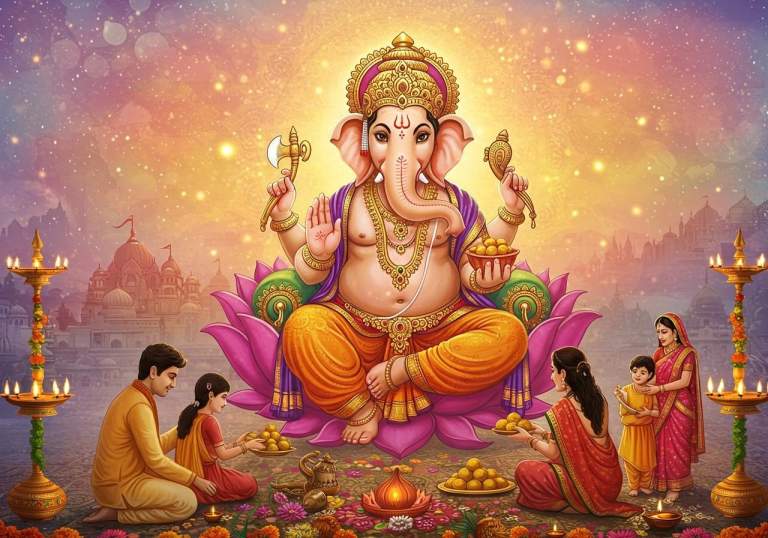
Makar Sankranti: Festival of Harvest and New Beginnings

Makar Sankranti is one of the most important and widely celebrated festivals in India. It marks a special day in the Hindu calendar when the Sun begins its northward journey, known as Uttarayan. Unlike many Indian festivals that follow the lunar calendar, Makar Sankranti is based on the solar calendar and is usually celebrated on 14 January every year (sometimes 15 January).
Thank you for reading this post, don't forget to subscribe!Makar Sankranti is not just a religious festival; it is deeply connected with nature, agriculture, science, culture, and social harmony. Across India, people celebrate this festival in different ways, with different names, food habits, and customs, but the spirit of joy, gratitude, and new beginnings remains the same everywhere.
What is Makar Sankranti?
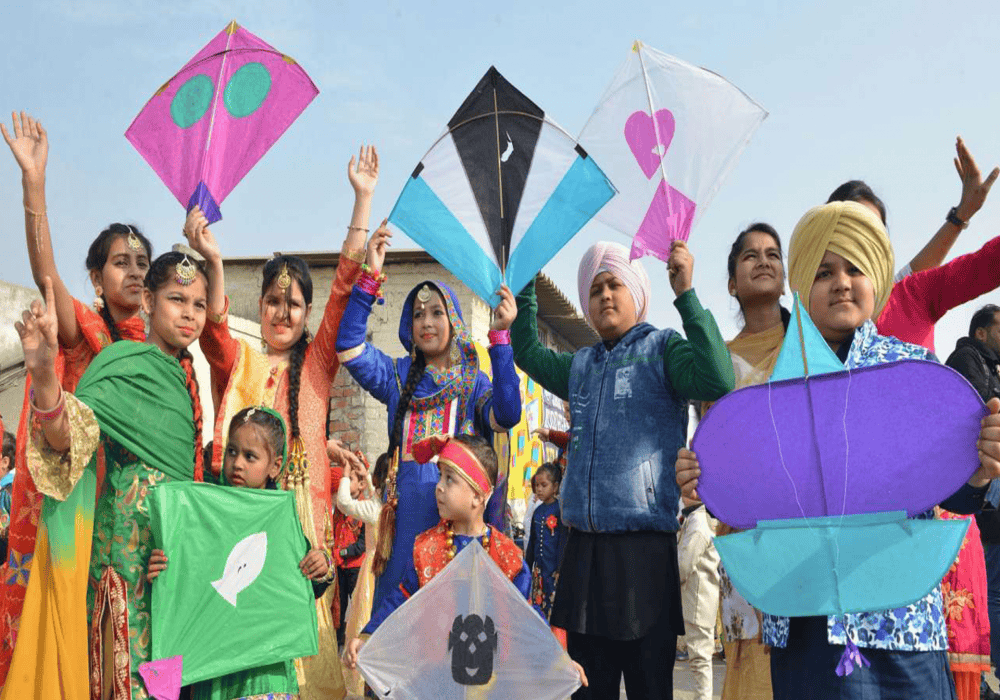
Makar Sankranti is a Hindu festival that marks the transition of the Sun into the zodiac sign Capricorn (Makara). The word Sankranti means movement or transition, and Makara refers to Capricorn.
On this day:
- The Sun moves from Sagittarius to Capricorn
- Days start becoming longer
- Nights become shorter
- The cold winter slowly begins to reduce
This change is considered auspicious and is associated with positive energy, growth, and prosperity.
Why is Makar Sankranti Celebrated?
Makar Sankranti is celebrated for several important reasons:
1. Astronomical Reason
It marks the Sun’s northward journey (Uttarayan), which is considered favorable for humans and nature.
2. Agricultural Importance
It is closely related to the harvest season, especially in northern India. Farmers thank nature and God for a good harvest and pray for prosperity.
3. Spiritual Importance
According to Hindu belief, taking a holy bath, donating food, clothes, and money on Makar Sankranti washes away sins and brings spiritual growth.
4. Seasonal Change
It indicates the end of harsh winter and the beginning of warmer days, symbolizing hope and renewal.
History and Mythological Significance of Makar Sankranti
Makar Sankranti has deep roots in Hindu scriptures and mythology.
Bhishma Pitamah and the Mahabharata
According to the Mahabharata, Bhishma Pitamah chose to leave his body on Makar Sankranti because dying during Uttarayan was believed to bring moksha (salvation).
Surya Dev and Shani Dev
Another story says that on this day, Surya Dev (Sun God) visits his son Shani Dev, symbolizing harmony and the importance of family bonds.
Lord Vishnu
It is believed that Lord Vishnu ended the terror of demons on this day and buried them under the Mandara mountain, marking the victory of good over evil.
Scientific Importance of Makar Sankranti
Makar Sankranti is one of the few Indian festivals based on scientific and astronomical calculations.
- The Sun enters Capricorn at a fixed time each year
- Longer daylight helps improve physical and mental health
- Seasonal change supports digestion and immunity
The traditional food eaten during Makar Sankranti like sesame and jaggery is scientifically beneficial because it provides warmth and energy during winter.
How is Makar Sankranti Celebrated in Different Parts of India?
India’s diversity is beautifully reflected in the way Makar Sankranti is celebrated across states.
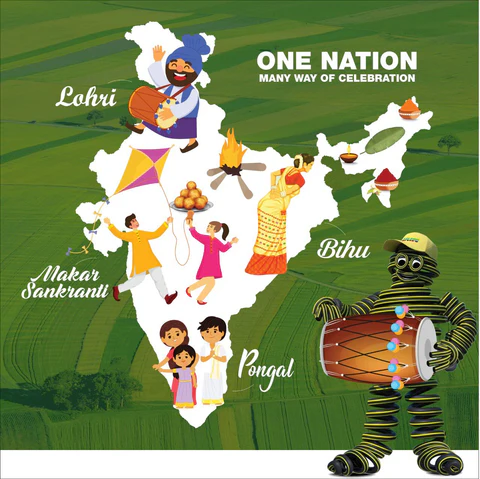
1. Assam – Magh Bihu
In Assam, Makar Sankranti is celebrated as Magh Bihu or Bhogali Bihu.
- Community feasts are organized
- People build temporary huts called Bhelaghar
- Traditional foods like pitha, laru, and rice dishes are prepared
2. Tamil Nadu – Pongal
In Tamil Nadu, it is celebrated as Pongal, a four-day harvest festival.
- Fresh rice is cooked with milk and jaggery
- Cattle are worshipped
- Homes are decorated with kolam
3. Gujarat – Uttarayan
Gujarat celebrates Makar Sankranti as Uttarayan.
- Kite flying fills the sky
- People enjoy undhiyu and sweets
- Music, dance, and celebrations continue all day
4. Maharashtra – Tilgul
In Maharashtra, people exchange tilgul (sesame and jaggery sweets) and say:
“Tilgul ghya, god god bola”
This means “Accept this sweet and speak sweet words.”
5. Punjab – Lohri
In Punjab, Makar Sankranti is closely linked with Lohri.
- Bonfires are lit
- People sing and dance
- Peanuts, popcorn, and sweets are shared
6. West Bengal – Poush Sankranti
People take holy dips in rivers and prepare traditional sweets like pithe and payesh.
7. Karnataka and Andhra Pradesh
Decorated cows, sugarcane, and sesame sweets are important parts of the celebration.
Traditional Foods of Makar Sankranti
Food plays a major role in Makar Sankranti celebrations.

Common foods include:
- Til (sesame seeds)
- Gur (jaggery)
- Khichdi
- Pongal
- Pitha
- Ladoo
- Chikki
- Sugarcane
Why sesame and jaggery?
- Keep the body warm
- Improve digestion
- Boost immunity
These foods show how ancient traditions were closely connected to health and science.
Rituals and Customs of Makar Sankranti
Some common rituals followed on Makar Sankranti are:
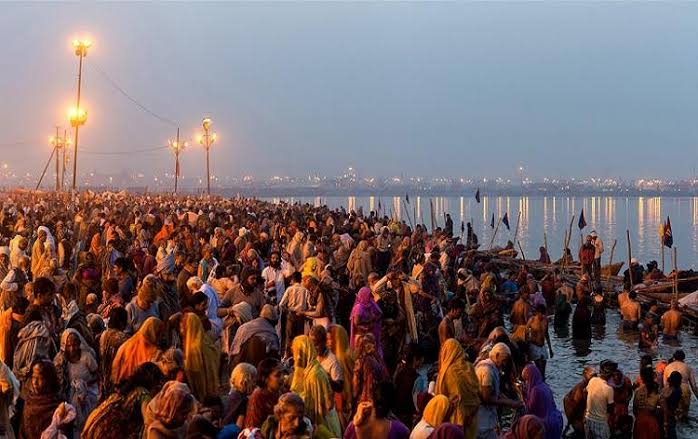
- Taking a holy bath in rivers like Ganga, Yamuna, and Godavari
- Donating food, clothes, grains, and money
- Worshipping Surya Dev
- Preparing festive meals
- Flying kites
These practices promote purity, charity, gratitude, and unity.
Spiritual Importance of Makar Sankranti
Makar Sankranti teaches important life values:
- Let go of negativity like winter cold
- Embrace positivity like increasing sunlight
- Share happiness through charity and kindness
- Live in harmony with nature
It reminds people that change is natural and every ending brings a new beginning.
Makar Sankranti in Modern Times
Even in today’s fast-moving world, Makar Sankranti remains relevant:
- Promotes eco-friendly celebrations
- Encourages healthy eating
- Strengthens family and community bonds
- Keeps cultural traditions alive
Many schools, offices, and organizations celebrate Makar Sankranti to teach children about Indian culture and values.
Why Makar Sankranti is Important for Farmers
For farmers, Makar Sankranti is a festival of gratitude and hope.
- Marks the end of harvesting
- Celebrates hard work
- Brings prayers for good future crops
It highlights India’s deep connection with agriculture and rural life.
Environmental Message of Makar Sankranti
Makar Sankranti teaches us to:
- Respect nature
- Celebrate seasons
- Use natural and local foods
- Live sustainably
Eco-friendly kite flying and avoiding plastic help protect the environment.
Conclusion
Makar Sankranti is more than just a festival. It is a celebration of life, light, harvest, knowledge, and positivity. It brings people together across religions, regions, and cultures.
Through its rituals, food, stories, and celebrations, Makar Sankranti reminds us to be thankful, stay healthy, help others, and welcome positive changes in life.
As the Sun begins its northward journey, Makar Sankranti inspires everyone to move towards hope, harmony, and happiness.
FAQs on Makar Sankranti
Q1. When is Makar Sankranti celebrated?
Makar Sankranti is celebrated on 14 January every year, sometimes on 15 January.
Q2. Why is Makar Sankranti important?
It marks the Sun’s movement into Capricorn and the beginning of Uttarayan, considered auspicious.
Q3. Is Makar Sankranti a harvest festival?
Yes, it is closely linked to harvest celebrations across India.
Q4. Why are sesame and jaggery eaten on Makar Sankranti?
They keep the body warm and are good for health during winter.
Q5. What is Uttarayan?
Uttarayan is the northward movement of the Sun, starting from Makar Sankranti.