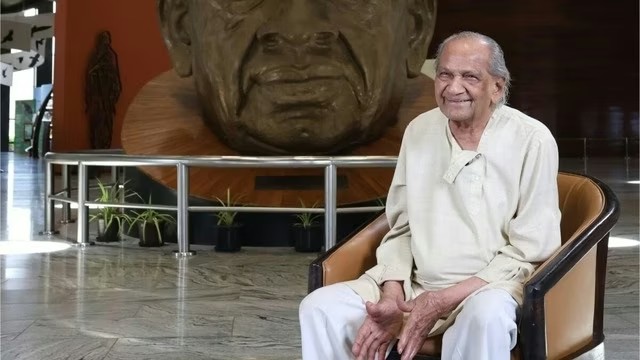
Ram Sutar Dies at 100: Nation Mourns the Master Sculptor Who Shaped India’s Monumental Identity

Ram Sutar Dies at 100, marking the end of a remarkable chapter in India’s artistic and cultural history. The renowned Indian sculptor, celebrated across the world for designing the Statue of Unity, passed away at his residence in Noida due to age-related ailments. At 100 years old, his life stood as a testimony to dedication, creativity, and an unwavering commitment to art that transformed India’s public spaces.
Thank you for reading this post, don't forget to subscribe!A Life Rooted in Humble Beginnings
Ram Vanji Sutar was born on 19 February 1925 in Gondur village, located in Maharashtra’s Dhule district. Raised in a modest family, he grew up close to nature, which played a quiet yet powerful role in shaping his artistic vision. From an early age, he showed a natural interest in shaping clay and stone, often drawing inspiration from everyday life and the people around him.
Despite limited resources, his passion for art never faded. Recognising his talent, he pursued formal education at the prestigious Sir JJ School of Art and Architecture in Mumbai. His years at the institution were marked by discipline, hard work, and artistic excellence. He graduated as a gold medallist, an achievement that opened doors to a professional journey that would last for more than seven decades.
Building a Career in Public Sculpture
After completing his studies, Ram Sutar stepped into the challenging world of public sculpture, a field that demands both artistic vision and technical precision. At a time when large-scale sculptures were rare in India, he dared to imagine monuments that could speak to millions.
His early works reflected a deep understanding of form, proportion, and emotion. Over time, he developed a unique style that blended traditional Indian aesthetics with modern techniques. This balance allowed his sculptures to feel timeless while also meeting the demands of contemporary engineering and urban planning.
Sculpting India’s Leaders and Legacy
Ram Sutar’s name became closely associated with statues of national leaders and historical figures. Among his most iconic creations is the seated statue of Mahatma Gandhi installed in the Parliament complex, a work that captures calm strength and moral authority. Another notable contribution is the equestrian statue of Chhatrapati Shivaji Maharaj, also located within the Parliament premises, reflecting courage, leadership, and pride.
These sculptures are not just artistic installations; they are symbols that shape how generations perceive India’s history. Through stone and metal, Ram Sutar gave physical form to values such as freedom, unity, and resilience.
The Statue of Unity: A Historic Achievement
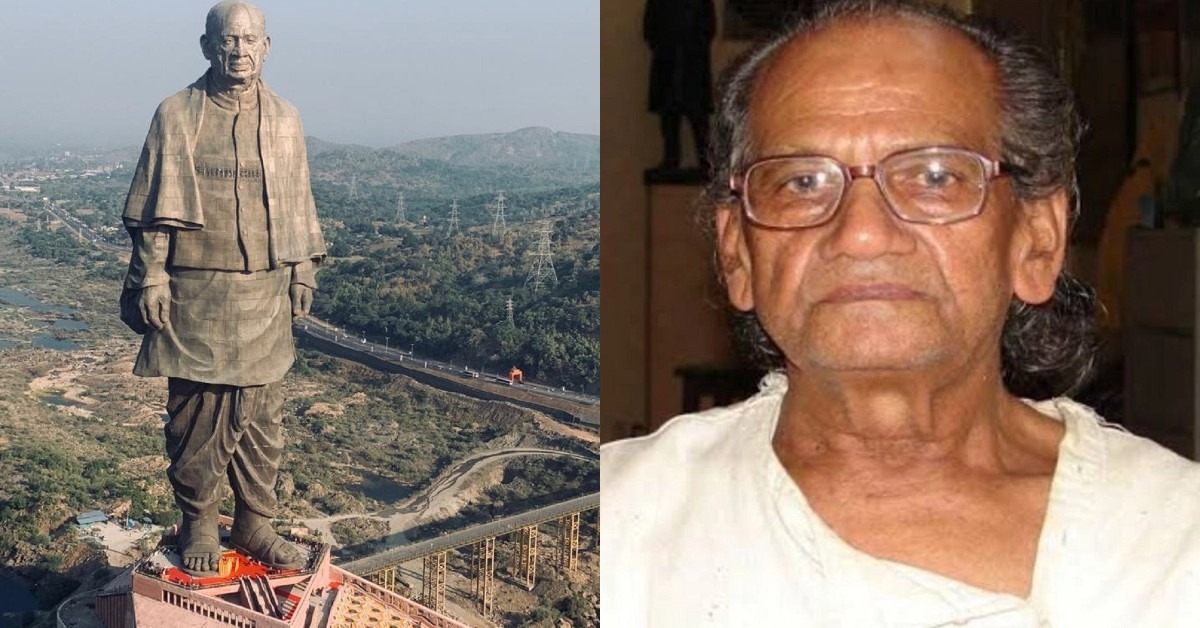
The crowning achievement of his career remains the Statue of Unity in Gujarat, dedicated to Sardar Vallabhbhai Patel. Standing as the world’s tallest statue, it is a marvel of both art and engineering. The project required immense planning, precision, and collaboration, pushing the boundaries of what was thought possible in Indian sculpture.
For Ram Sutar, this project was not just about size. It was about honouring a leader who played a crucial role in unifying the nation. The statue has since become a global landmark, attracting visitors from across the world and placing India firmly on the global map of monumental art.
Recognition Earned Through a Lifetime of Work as Ram Sutar Dies at 100
Over the years, Ram Sutar received widespread recognition for his contribution to Indian art and culture. In 1999, he was awarded the Padma Shri, acknowledging his growing influence in the field of sculpture. Later, in 2016, he received the Padma Bhushan, one of India’s highest civilian honours, celebrating his lifelong dedication and impact.
More recently, the Maharashtra government conferred upon him the Maharashtra Bhushan Puraskar, the state’s highest civilian award. This honour reflected not only his artistic excellence but also his role as a cultural ambassador who brought pride to his home state and the nation.
Influence Beyond Stone and Metal After Ram Sutar Dies at 100
Ram Sutar’s influence extended far beyond the statues he created. He inspired generations of artists, sculptors, and architects to think big and dream boldly. His approach showed that public art could be both meaningful and technically advanced, rooted in tradition yet open to innovation.
He often emphasised discipline, patience, and respect for materials, values that shaped his own career. Many young artists looked up to him not only for his success but also for his humility and lifelong learning.
Remembering a Century-Long Creative Journey as Ram Sutar Dies at 100
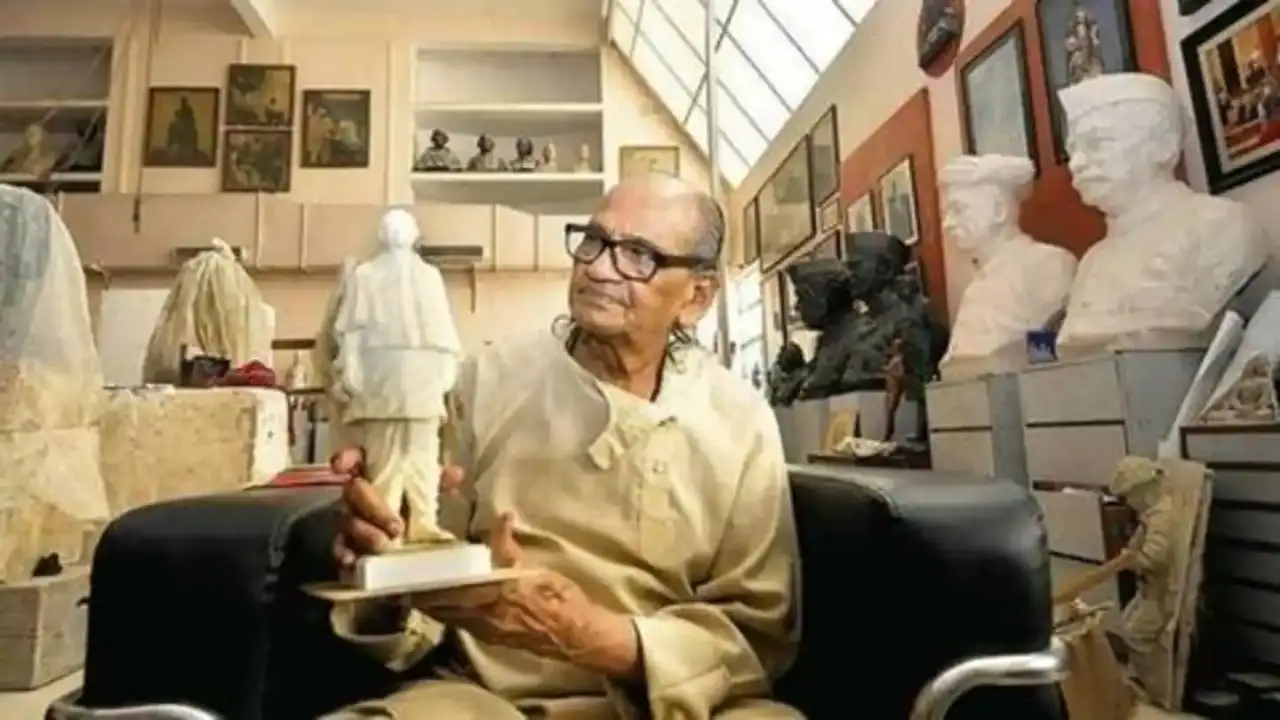
As news of his passing spread, tributes poured in from across the country. Artists, leaders, and citizens remembered him as a visionary who gave India some of its most recognisable symbols. His century-long life witnessed immense change, yet his commitment to art remained constant.
Though Ram Sutar Dies at 100, his presence will continue to be felt through the monuments that stand tall across India. These sculptures are more than structures; they are storytellers, reminding people of history, values, and shared identity.
His passing marks a quiet moment of reflection for the nation. While the man may be gone, his work ensures that his legacy remains firmly carved into India’s cultural landscape, inspiring awe, pride, and remembrance for generations to come.