Universal Children’s Day: Celebrating the Rights, Dreams, and Future of Every Child Worldwide

Universal Children’s Day is an occasion of global importance a dedicated day to highlight the rights, needs, and welfare of children everywhere. Observed annually on 20 November, it marks a moment for the world to come together and reaffirm its commitment to children’s well-being and future. It is also known as World Children’s Day, and the day’s theme centres on the notion that children are not merely passive beneficiaries of adult efforts, but active participants and rights-bearers in society.
Thank you for reading this post, don't forget to subscribe!What is Universal Children’s Day?
Universal Children’s Day (also referred to as World Children’s Day) is observed on 20 November each year under the auspices of the United Nations (UN). It commemorates important milestones in children’s rights: the adoption of the Declaration of the Rights of the Child (1959) and the later adoption of the Convention on the Rights of the Child (1989). The day serves both as a celebration of childhood and as a call to action to raise awareness of issues affecting children and to promote children’s welfare worldwide.
Children have distinct needs and rights that differ from those of adults. Universal Children’s Day reminds us that investing in children’s education, health, protection and development is crucial not only for the children themselves, but for the future of societies around the world.
History of Universal Children’s Day
To understand where we are, let us trace back the history of this day and children’s rights.
Early background
The idea of devoting a day to children’s welfare can be traced back many decades. For example, the 1925 World Conference on Child Welfare in Geneva passed a recommendation for an International Children’s Day.
UN formal adoption
In 1954, the UN General Assembly recommended that all countries establish a Universal Children’s Day to promote understanding and well-being of children around the world.
Then, on 20 November 1959, the UN adopted the Declaration of the Rights of the Child identifying key rights such as the right to education, health, protection from exploitation, and to grow in a family and community environment.
Thirty years later, on 20 November 1989, the UN General Assembly adopted the Convention on the Rights of the Child a legally binding international treaty specifying 54 articles on the rights of children across health, education, civil, social, political and economic spheres.
Consequently, 20 November became the focal date for Universal Children’s Day celebrated globally.
Why 20 November?
The date was selected because of the convergence of the Declaration in 1959 and the Convention in 1989. It marked the day on which the UN reaffirmed and expanded its commitments to children, thereby giving this day symbolic and legal weight.
Why Universal Children’s Day Matters
This observance is far more than a symbolic date. It matters for several inter-linked reasons:
Children’s rights are unique
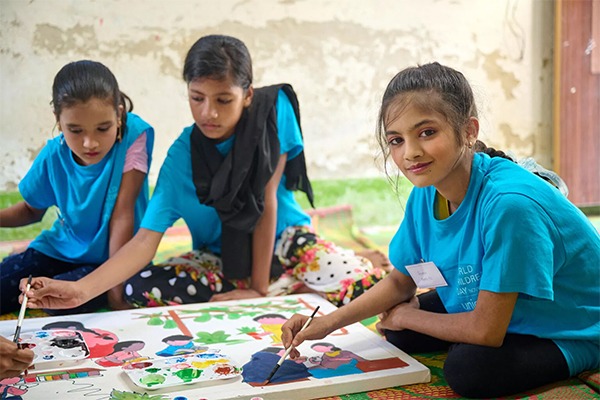
Children are not small adults. Their bodies, minds, social dependencies and vulnerabilities differ. They require special protection, nurturing, and education. They have rights to play, health, schooling, family life and protection from exploitation and harm. Universal Children’s Day underscores the idea that society must account for these special considerations.
Future of society
Children are the future citizens of the world. Investing in children’s development intellectually, socially, ethically means investing in the future of humanity. Their health, education, and capacity to participate meaningfully affect future economic, social and cultural outcomes.
Awareness and advocacy
Many children around the world face serious challenges: poverty, lack of schooling, violence, discrimination, forced labour, exploitation, environmental hazards, lack of voice. A day of observance gives a platform for raising awareness of these issues, mobilising policy responses, galvanising communities, and reminding governments and organisations of their responsibilities. For example, the UN’s website notes that children and youth today make up about one-quarter of the world’s population and have enormous potential to drive change but they must be heard.
Global solidarity
Universal Children’s Day fosters a sense of global fraternity. Children in one country may face different challenges than those in another, but the underlying principle stands: every child deserves dignity, protection and opportunity. The observance encourages cross-border collaboration, exchange of best practices, and global norms.
Key Principles and Rights Highlighted
On this day we reaffirm key rights and values enshrined in the Declaration and the Convention. Some of the core rights are:
- The right to life, survival and development.
- The right to education enabling children to learn and develop their abilities.
- The right to health and adequate standard of living.
- The right to protection from all forms of discrimination, exploitation, abuse and neglect.
- The right to be heard, to participate in matters affecting them.
- The right to a family and community life, to play, to leisure.
These rights form a holistic view of children’s needs not just survival but thriving, well-rounded development, and agency.
Global Status and Contemporary Challenges
Despite progress, children worldwide still face many obstacles. Some of the current realities include:
Progress so far
- Child mortality (under 5) has dropped significantly across many regions, thanks to better health interventions.
- More children are enrolled in schools than ever before in many countries.
- Many countries have ratified the Convention on the Rights of the Child (almost all UN member states).
Persistent and emerging issues
- Quality of education: Although children may be enrolled, the quality and relevance of schooling remain uneven.
- Child labour and exploitation: In some regions children are forced into work or deprived of childhood and education.
- Violence, abuse, trafficking: Children remain vulnerable to physical, emotional, sexual abuse and neglect.
- Discrimination: On the basis of gender, disability, ethnicity, refugee status, children may be excluded.
- Health and nutrition: Undernutrition, lack of access to healthcare, mental health issues persist.
- Conflict and crisis: Children in conflict zones or humanitarian emergencies suffer disproportionately disrupted education, displacement, trauma.
- Digital challenges: In the digital age, children’s rights include safety online, access to information but also protection from harms in digital spaces.
- Climate change and environment: Children are vulnerable to environmental degradation, climate disasters, and their rights to a safe environment are increasingly relevant.
Why the day is urgent
Universal Children’s Day is not just retrospective it is a call to address these ongoing issues. It reminds us that rights are not automatically guaranteed, and constant vigilance, advocacy, policy, funding and community action are needed.
How Universal Children’s Day is Celebrated Around the World
Observances vary widely across countries, but the spirit remains consistent: celebrating children, raising awareness of their rights, engaging children themselves as actors, and mobilising stakeholders.
Some examples:
- Events, seminars and panel discussions involving children and youth to talk about issues that matter to them. For instance, the UN and its agencies invite children and young people to express their views.
- School programmes: debates, essay competitions, art and sport activities that focus on children’s rights, inclusion, health, environment.
- Media campaigns: Social media hashtags, public service announcements, fundraising drives for children-welfare organisations.
- Community events: Fun fairs, cultural performances, playground activities emphasising play and development, gift giving in some contexts.
- Government and NGO initiatives: launching policy measures, new programs for child health or education timed to near the day.
- Specific themes: Each year, organisations might select a theme (e.g., building back better for children, digital inclusion, child participation) to focus attention on a particular challenge.
Because children’s experiences vary by region, local adaptation is common. For example, in some post-conflict societies the day might focus on child trauma and rehabilitation; in others on schooling and digital inclusion; elsewhere on climate rights and young voices.
How We Can Celebrate and Contribute
Universal Children’s Day offers opportunities for individuals, families, schools, communities and organisations to engage meaningfully. Here are suggestions:
At the individual or family level
- Spend time with children: listen to them, ask about their dreams, fears, ideas. Make them feel valued and heard.
- Teach children about their rights: simple conversations about what they are entitled to—education, play, protection, voice.
- Participate in or organise a meaningful activity: reading a book about children’s lives elsewhere, watching a documentary, hosting a discussion.
- Volunteer: help at a children’s shelter, library, community centre, mentoring a child, reading to kids.
- Support or donate: even small contributions to organisations working for children’s welfare make a difference.
- Promote a child-friendly environment at home: safe spaces, opportunities to learn, express, explore, make mistakes and grow.
At the school or community level
- Organise programmes: children’s rights exhibitions, theatre or art by children, debates, sports with inclusion.
- Invite children to craft their own messages: what do they want for their future, what challenges do they see?
- Engage parents, teachers and community members in training/awareness-raising about child protection, mental health, digital safety.
- Partner with local NGOs for campaigns on nutrition, vaccination, schooling, safe play spaces.
- Use the day to launch or renew an initiative: reading corners, after-school clubs, inclusive playgrounds.
At the policy or organisational level
- Governments and agencies can announce new policies or programmes for children (health, education, protection).
- Businesses can adopt child-friendly corporate social responsibility (CSR) projects: scholarships, child-safe spaces, awareness campaigns.
- Media organisations can produce child-led content: children’s debates, videos, blogs, social media take-overs by youth voices.
- Research institutions can publish and disseminate data on children’s rights and welfare to inform policy.
Thematic Focuses for Universal Children’s Day
Each year may bring a thematic focus or frame for the day. Here are some pressing themes that have been, or could be, emphasised:

Child participation and voice
Children are not just beneficiaries they are rights-holders and should have a say in matters that affect them. Ensuring children can express their views, be heard and participate meaningfully is a key theme.
Equity and inclusion
Ensuring that every child, regardless of gender, disability, ethnicity, refugee status or circumstance, has access to education, healthcare and opportunity.
Digital world and children
As the world becomes more connected, children’s rights in the digital age (online safety, access to digital learning, freedom of expression) are crucial.
Child protection in hostile environments
In conflict zones, humanitarian crises, natural disasters children are among the most vulnerable. The day can bring attention to their needs and responses required.
Health, nutrition and early childhood development
The earliest years matter hugely from nutrition, early learning, safe environments to mental health. Investing early pays long-term dividends.
Climate change, environment and children
Children will live longest into the future and will bear the impact of environmental degradation and climate change. Ensuring their rights to a safe, healthy environment is increasingly important.
Quality education
Beyond mere access, ensuring education is of good quality, relevant, for all children, with creativity, critical thinking, digital literacy, life skills.
Mental health and well-being
Children face stress, trauma, bullying, mental health issues just like adults, often with fewer resources. Promoting children’s mental health is vital.
Universal Children’s Day in the Context of Development Goals
The observance links directly with broader global agendas, such as the Sustainable Development Goals (SDGs). Many SDG targets concern children: education (SDG 4), health (SDG 3), inequality (SDG 10), decent work (SDG 8, which also addresses child labour), peace/justice (SDG 16) etc.
By celebrating Universal Children’s Day, stakeholders reaffirm that if children’s rights are upheld, many development goals are advanced. Investments in children’s early years, education, health, protection of rights yield social and economic dividends decades later.
Success Stories and Positive Impacts
It is worth noting that the focus on children and children’s rights has yielded positive outcomes:
- Many countries have strengthened legislation to protect children from exploitation, trafficking, child labour.
- Some countries have introduced compulsory schooling, improved early childhood development programmes, created inclusive education for children with disabilities.
- Global child mortality rates have dropped significantly, illustrating successes in health, immunisation, nutrition.
- Many NGOs and community initiatives have launched children’s clubs, youth parliaments, empowerment programmes that give children voice and agency.
- Innovative programmes in digital learning, child-friendly courts, psychosocial support in emergencies show how children’s rights enter mainstream policy.
These successes demonstrate that progress is possible what Universal Children’s Day emphasises is that the work is not done, and many children still wait for their rights to be realised.
Challenges That Remain
While the progress is encouraging, significant challenges persist and in some cases increase:
- Quality of schooling remains uneven, especially in low-income countries and refugee settings.
- The COVID-19 pandemic, climate transitions and conflict have caused disruptions to children’s lives: schooling interrupted, mental health impacts, increased poverty risk.
- A digital divide: many children lack access to devices or reliable internet, which limits their engagement with the modern world.
- Child labour, early marriage, exploitation remain widespread in many regions.
- Disability inclusion: children with disabilities are often left behind in education and social inclusion.
- Protection from violence: domestic violence, child abuse, trafficking remain serious threats.
- Environmental hazards: children are often the first victims of pollution, disasters, climate change.
- Participation of children: in many places children are still not consulted in matters that affect them, limiting their agency.
- Funding and policy commitment: children’s programmes are often underfunded or lack sustained policy attention.
Universal Children’s Day gives an annual moment to highlight these gaps and advocate for renewed attention and action.
The Role of Education, Play and Family in Children’s Lives
Beyond policy and advocacy, the everyday elements of children’s lives matter greatly: family, play, education, environment.
- Education is more than schooling: it should also develop life skills, critical thinking, creativity, empathy, digital literacy.
- Play is a fundamental right of children through play children learn, socialise, experiment, imagine. The day reminds us that children need safe spaces and opportunities for play.
- Family and community: a child’s environment family care, community support, safe home, nurturing relationships makes a big difference to their well-being.
- Health and nutrition: physical, mental, emotional health matter and early investment in well-being sets lifelong trajectories.
- Environment: safe, clean, supportive surroundings, free from pollution or hazards, and opportunities to connect with nature support children’s holistic development.
By celebrating Universal Children’s Day, society draws attention to these everyday foundations as much as to high-level policy.
Engaging Youth and Children as Partners
An important dimension of Universal Children’s Day is recognising that children and youth are not just passive recipients they are active agents and their participation matters.
Children and adolescents have fresh perspectives, unique experiences, and the future they will inherit. The day therefore emphasises giving young people platforms for expression, leadership, creativity and change. As noted by the UN’s description: children and young people are drivers of change.
Examples of youth engagement include: youth advisory councils, child-led campaigns, social media activism by young people, peer-education programmes, art and storytelling by children themselves about their lives.
Promoting youth voices ensures that programmes are not just about children, but with children.
Looking Ahead: Why Every Day Should Be Children’s Day
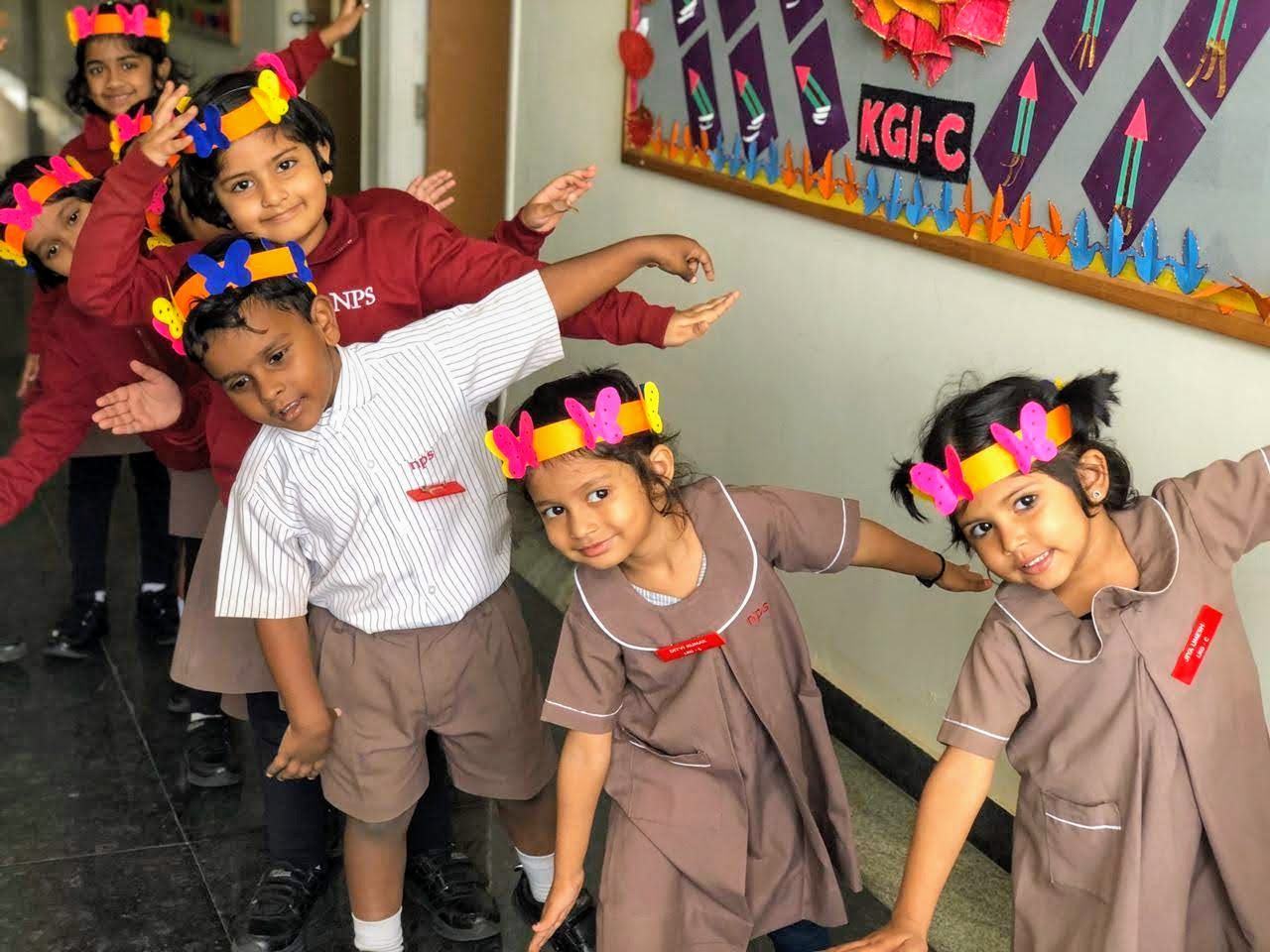
While we mark Universal Children’s Day on 20 November, the truth is the values it stands for should inform daily life. The date serves as a reminder, but protection of children’s rights, investment in their futures, and ensuring their participation should be continuous.
When children grow up in secure, nurturing environments, with access to education and opportunity, societies flourish. When children are left behind, the cost is borne by everyone socially, economically, culturally.
Therefore, Universal Children’s Day catalyses us to:
- Look beyond this one day embed children’s rights into policies, budgets, communities and everyday practice.
- Ensure that children everywhere regardless of geography, gender, ability, socio-economic status have the chance to reach their full potential.
- Recognise that investing in children now pays compounding dividends: healthier societies, stronger economies, more cohesive communities.
- Appreciate childhood itself not merely as preparation for adulthood, but as a time of joy, growth, exploration, creativity and possibility.
Practical Ideas for Individuals, Schools and Organisations
Here are some actionable ideas:
- Organise or participate in a “children’s rights fair” in your locality or institution, where children themselves design posters, exhibitions, games about rights and futures.
- Host a storytelling session: children share their dreams for the future, then link these to rights (education, health, play).
- In schools conduct a “child voice forum” where students speak on what changes they want to see, and teachers/administrators commit to acting.
- Launch a book donation drive or digital-device sharing scheme for children who may lack access.
- Volunteer time at local children’s charity or community centre; sponsor a child’s education or extra-curricular needs.
- Use social media on 20 November to amplify children’s voices highlight young change-makers, share a fact sheet, invite pledges to support children’s rights.
- For business/corporate: create CSR initiatives around children’s futures in education, health, environment, digital inclusion; partner with children’s organisations.
- Advocate at policy level: write to local representatives about child-friendly budgeting, early childhood investment, inclusive schooling, digital literacy programmes.
- At home: dedicate time on this day to play with children, ask them what they want to become, what they need, what they feel. Encourage their ideas, listen, validate.
- Reflect on children’s rights in local context: are there children in your community missing out? What small steps can you or your network take?
Universal Children’s Day — A Call to Action
It is one thing to celebrate; it is another to act. Universal Children’s Day serves as a clarion call: will we honour our commitments? Will we make real progress so that every child is safe, educated, included, empowered?
Each stakeholder governments, NGOs, communities, families, businesses has a role. Children’s futures are too important to leave to chance.
On 20 November each year we pause, reflect, celebrate, but also recommit ourselves. Because when we invest in children, we invest in humanity’s collective future.
Concluding Thoughts
To close, Universal Children’s Day is more than a date. It is a symbol of hope, a reminder of responsibilities, a celebration of potential, and a challenge to every one of us. It reminds us that children everywhere carry dreams, deserve rights, and hold the key to tomorrow.
Whether through local action or global advocacy, each of us can help ensure that children’s rights are not merely words on paper but lived realities. On this day and every day, let us recognise children not just as the future, but as the present active, vibrant, curious, capable, deserving of respect, protection and opportunity.
FAQs about Universal Children’s Day
1. What is Universal Children’s Day?
Universal Children’s Day, also known as World Children’s Day, is celebrated on November 20 each year to promote and protect the rights and welfare of children across the globe.
2. Why is Universal Children’s Day celebrated on November 20?
The date marks two key milestones: the adoption of the Declaration of the Rights of the Child in 1959 and the Convention on the Rights of the Child in 1989 by the United Nations.
3. What is the main purpose of Universal Children’s Day?
The day aims to raise awareness about children’s rights, promote their well-being, and encourage governments and communities to invest in children’s health, education, and safety.
4. Who started Universal Children’s Day?
The United Nations General Assembly established the day in 1954, encouraging all nations to dedicate one day each year to promote children’s welfare and unity.
5. What is the difference between Universal Children’s Day and International Children’s Day?
While both celebrate children, Universal Children’s Day (Nov 20) is a UN-designated observance, whereas International Children’s Day is celebrated on different dates in various countries.
6. How do countries celebrate Universal Children’s Day?
Celebrations include school events, awareness campaigns, art and cultural programs, children’s rights workshops, and UNICEF-led global activities highlighting children’s voices.
7. What are the key rights promoted on this day?
Children’s rights to education, health, protection from exploitation, equality, family life, and freedom of expression are the central focus.