World Water Day: Importance of Saving Water

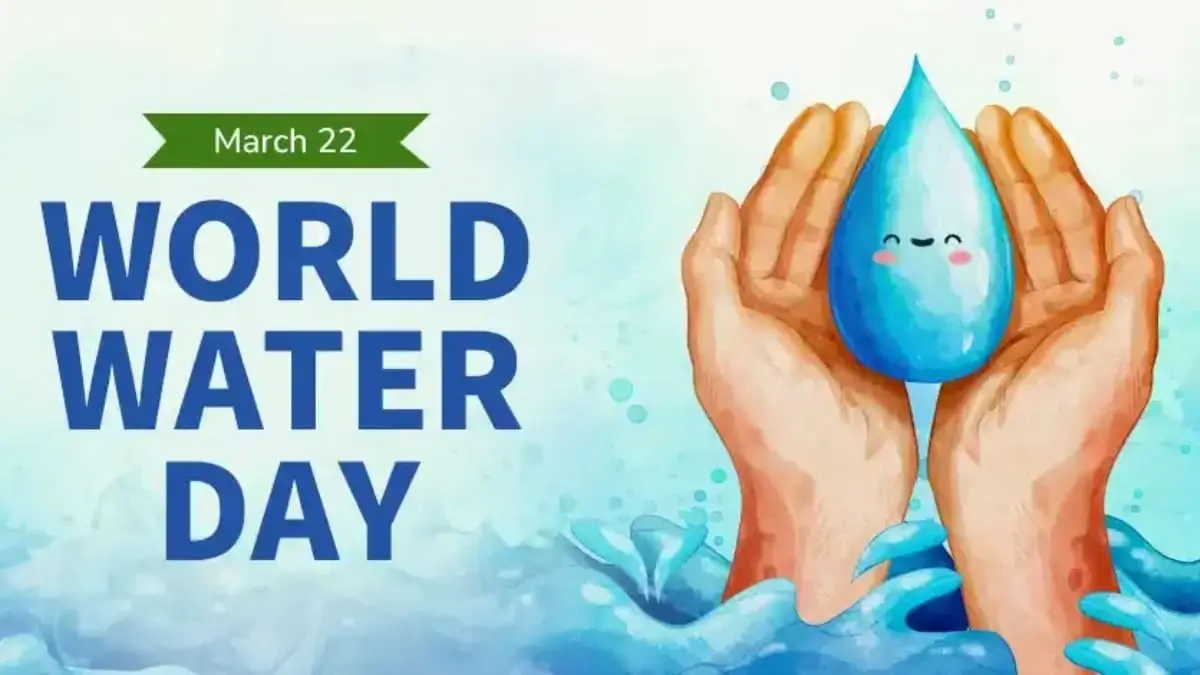
World Water Day is observed every year on March 22 to remind people across the world about the importance of water and the serious problems related to water scarcity, pollution, and unequal access to clean and safe freshwater. Water is one of the most basic needs of life. Every human being, animal, and plant depends on water to survive. Still, millions of people around the world do not have enough clean water for drinking, cooking, washing, and sanitation. World Water Day helps us understand this global water crisis and encourages everyone to take action to protect and save water.
Thank you for reading this post, don't forget to subscribe!World Water Day is an international observance led by the United Nations (UN). It focuses on raising awareness about freshwater issues and supporting the goal of clean water and sanitation for all, also known as Sustainable Development Goal 6 (SDG 6). This day reminds us that water should not be wasted, polluted, or taken for granted. Instead, it should be valued, protected, and shared fairly.
Understanding the Global Water Crisis
Water covers about 70 percent of the Earth’s surface, but only a very small part of it is fresh water that humans can use. Most of the water on Earth is salty seawater. Out of the limited freshwater available, much of it is locked in glaciers, ice caps, or underground. This means that the water we can easily use is very limited.
According to global reports, around 2.2 billion people in the world do not have access to clean and safe drinking water. Many people have to walk long distances every day just to collect water. In some places, the water available is dirty and unsafe, which leads to serious diseases. This situation affects health, education, and overall quality of life.
Water scarcity is not only a problem of poor or developing countries. Even in developed nations, including some parts of the United States, people face water shortages, polluted water sources, or poor water management. Climate change, population growth, pollution, and overuse of water resources have made the situation worse.
History of World Water Day
The idea of World Water Day started in 1992 during the United Nations Conference on Environment and Development (UNCED) held in Rio de Janeiro, Brazil. This conference is also known as the Earth Summit. During this conference, water was recognized as a critical issue that needed global attention.
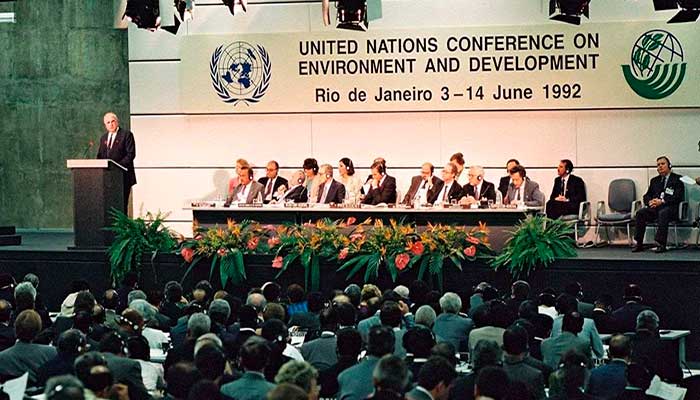
A proposal to observe World Water Day was included in Agenda 21, which was a detailed plan of action for sustainable development. Later that year, in December 1992, the United Nations General Assembly officially adopted a resolution declaring March 22 as World Water Day.
The first World Water Day was celebrated on March 22, 1993. Since then, it has been observed every year by UN member countries, international organizations, governments, schools, non-governmental organizations (NGOs), and individuals who care about water issues.
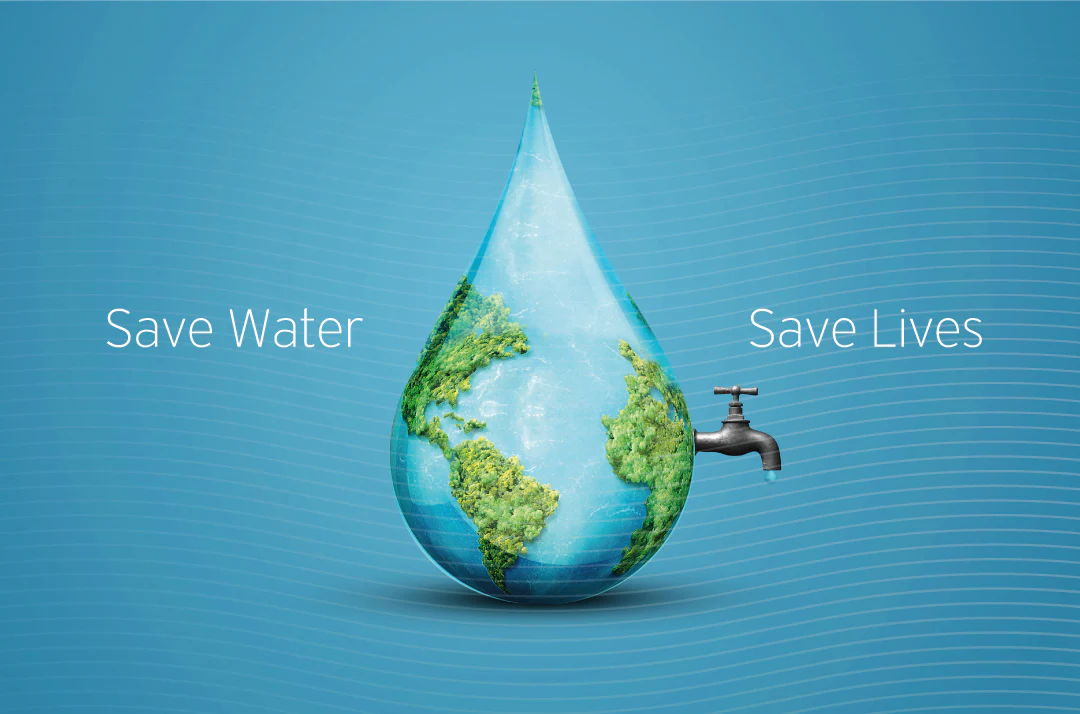
The official symbol of World Water Day is a water drop, usually shown in the blue color of the United Nations, representing peace, trust, and life.
Importance of World Water Day
World Water Day is important because many people do not realize how serious the water crisis is. For those who have clean water available at home, it is easy to forget that water is a limited resource. We often waste water without thinking about the consequences.
This day helps to:
- Raise awareness about the lack of clean drinking water
- Highlight problems related to sanitation and hygiene
- Educate people about water pollution and water scarcity
- Encourage governments and communities to manage water sustainably
- Promote equal access to water for everyone
Water is essential for drinking, cooking, farming, industries, and maintaining ecosystems. Without clean water, life cannot exist. World Water Day reminds us that access to water is not a privilege but a basic human right.
World Water Day and Sustainable Development Goal 6
The United Nations has set 17 Sustainable Development Goals (SDGs) to make the world a better place by 2030. SDG 6 focuses on clean water and sanitation for all.
SDG 6 aims to:
- Ensure safe and affordable drinking water for everyone
- Provide adequate sanitation and hygiene
- Improve water quality by reducing pollution
- Increase water-use efficiency
- Protect water-related ecosystems such as rivers, lakes, and wetlands
World Water Day plays an important role in supporting SDG 6 by spreading awareness and inspiring action at all levels, from individuals to governments.
World Water Day Themes
Since 2002, World Water Day has had a different theme each year. These themes focus on specific water-related issues and help guide global discussions and actions.
Some important past themes include:
- 2002 – Water for Development
This theme highlighted the role of water in social and economic development. - 2010 – Clean Water for a Healthy World
It focused on how clean water improves health and prevents diseases. - 2012 – Water and Food Security: The World is Thirsty Because We Are Hungry
This theme explained the connection between water, agriculture, and food production. - 2020 – Water and Climate Change
It showed how climate change affects water availability and increases floods and droughts. - 2021 – Valuing Water
This theme emphasized that water has social, cultural, and environmental value, not just economic value. - 2024 – Water for Peace
This theme highlighted how water can be a source of cooperation instead of conflict. Shared water resources can bring countries and communities together. - 2025 – Glacier Preservation
This theme focuses on protecting glaciers, which are important sources of freshwater for millions of people. - 2026 – Water and Gender Equality
This theme highlights how women and girls are often most affected by water scarcity and how equal access to water can improve their lives.
Each theme helps people understand water issues from different perspectives and encourages global cooperation.
Why Clean and Safe Water Matters
Clean and safe water is necessary for good health. Drinking contaminated water can cause serious diseases such as cholera, diarrhea, typhoid, and dysentery. Many children die every year because of water-related illnesses.
Water is also important for sanitation and hygiene. Without proper toilets and clean water for washing hands, diseases can spread easily. Schools without clean water and toilets often see lower attendance, especially among girls.
In agriculture, water is essential for growing crops and feeding animals. Farmers depend on rainfall, rivers, and groundwater. Water shortages can lead to crop failure, food scarcity, and higher food prices.
Industries also need water for production, cooling, and cleaning. Poor water management can harm economies and lead to conflicts over water resources.
Water Scarcity and Its Causes
Water scarcity happens when there is not enough water to meet the needs of people. Some major causes of water scarcity include:
Population Growth
As the population increases, the demand for water also increases. More people need water for drinking, food, and daily use.
Climate Change
Climate change affects rainfall patterns. Some areas experience droughts, while others face floods. Melting glaciers and rising temperatures reduce freshwater availability.
Pollution
Industries, agriculture, and households pollute rivers, lakes, and groundwater. Polluted water cannot be used without treatment.
Poor Water Management
In many places, water is wasted due to leaks, inefficient irrigation, and lack of planning.
Overuse of Groundwater
Excessive pumping of groundwater lowers water tables and dries up wells.
Water Pollution and Its Effects
Water pollution occurs when harmful substances enter water bodies. These substances include chemicals, plastics, sewage, and industrial waste.

Polluted water affects:
- Human health
- Aquatic life such as fish and plants
- Drinking water sources
- Agriculture and food safety
Reducing pollution is essential to protect water resources and ensure safe water for future generations.
World Water Day Activities and Events
On World Water Day, many activities and events are organized around the world. These activities aim to educate people and encourage action.
Role of NGOs and Organizations
Organizations like UNICEF, WaterAid, and End Water Poverty organize campaigns, workshops, and awareness programs. They work in communities to provide clean water and improve sanitation.
School Activities
Schools play an important role in spreading awareness. Activities include:
- Essay and poster competitions
- Classroom discussions on water conservation
- Educational programs on saving water
Community Events
Communities organize rallies, clean-up drives, and awareness programs near rivers, lakes, and beaches.
Media and Social Campaigns
Television, radio, newspapers, and online platforms share information about water issues and solutions.
How Individuals Can Contribute
Everyone can help save water and protect water resources. Small actions can make a big difference.
Save Water at Home
- Turn off taps when not in use
- Fix leaking pipes
- Use water efficiently while bathing and washing
Reduce Water Waste
- Do not waste drinking water
- Use buckets instead of hoses where possible
Prevent Pollution
- Do not throw waste into rivers or lakes
- Use eco-friendly products
Raise Awareness
- Talk to family and friends about water conservation
- Participate in World Water Day activities
Support Water Organizations
- Donate or volunteer for organizations working on water issues
Role of Governments and Communities
Governments play a key role in managing water resources. They are responsible for building water infrastructure, treating wastewater, and ensuring fair distribution.
Communities can manage local water resources by protecting wells, ponds, and rivers. Community participation ensures sustainable water use.
Water and Peace
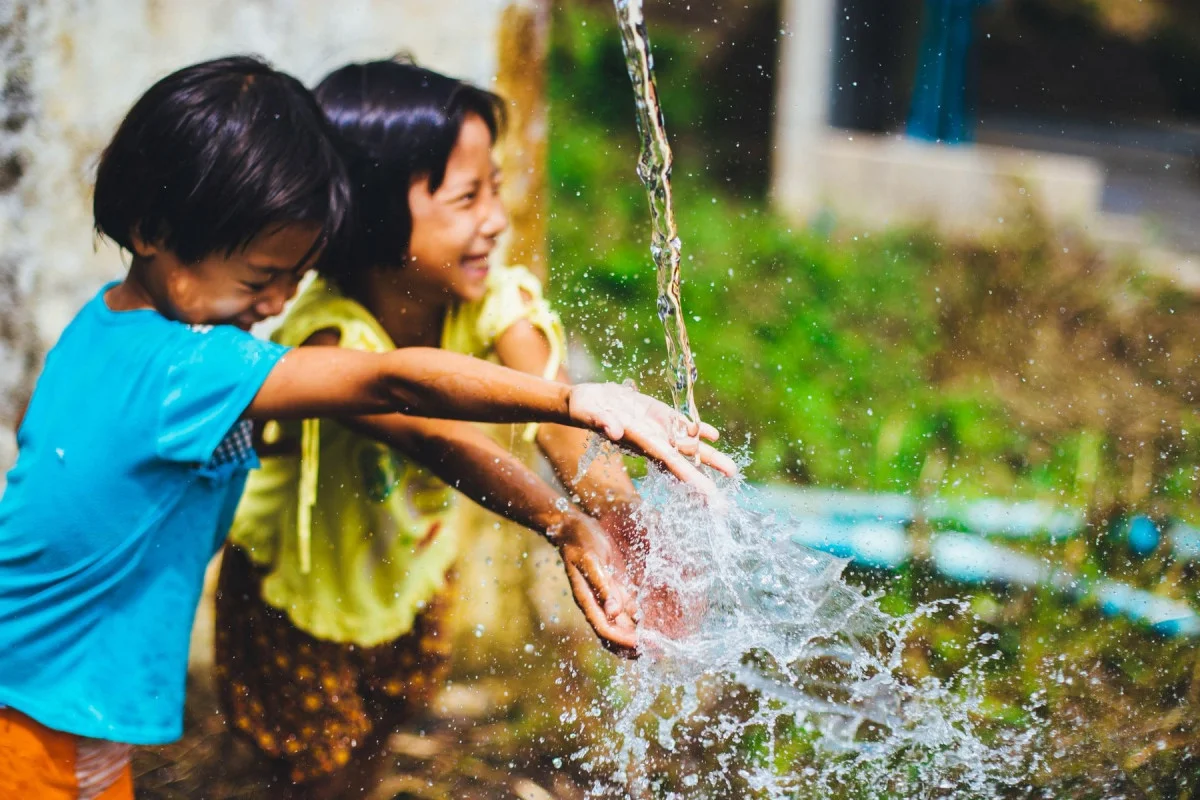
Water is a shared resource. Many rivers and lakes cross national borders. If managed well, water can promote cooperation and peace. If mismanaged, it can lead to conflicts.
The theme Water for Peace reminds us that cooperation over water can help build trust and stability between countries and communities.
The Future of Water
The future of water depends on our actions today. Protecting water sources, reducing pollution, and using water wisely are necessary steps. Education and awareness are key to creating a water-secure world.
World Water Day encourages everyone to think about how they use water and what they can do to protect it. Clean water should be available to everyone, everywhere.
Conclusion
World Water Day is a reminder that water is life. It highlights the serious challenges related to water scarcity, pollution, and unequal access. By understanding these issues and taking action, individuals, communities, and governments can help ensure clean and safe water for present and future generations. Observing World Water Day is not just about one day, but about making water conservation a daily habit and responsibility.
FAQs
1. When is World Water Day observed?
World Water Day is observed every year on March 22.
2. Who started World Water Day?
World Water Day was started by the United Nations to highlight global water issues.
3. Why is World Water Day important?
It is important because many people do not have access to clean and safe drinking water, and this day spreads awareness about saving water.
4. What is the main aim of World Water Day?
The main aim is to promote the importance of freshwater and ensure clean water and sanitation for everyone.
5. How can students help on World Water Day?
Students can save water, spread awareness, take part in school activities, and educate others about water conservation.
6. What is SDG 6?
SDG 6 is a Sustainable Development Goal that focuses on clean water and sanitation for all.