

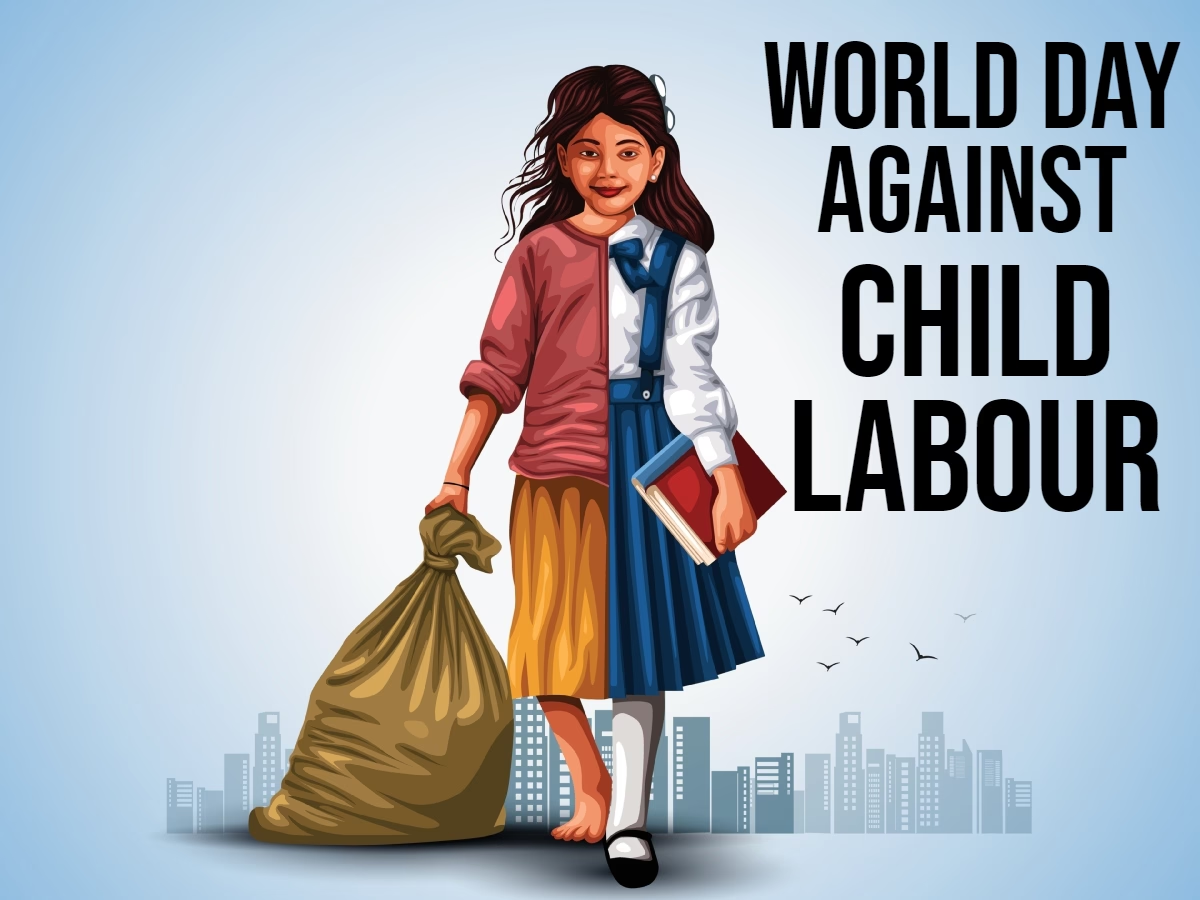
World Day Against Child Labour: Protecting Every Child’s Future

World Day Against Child Labour is observed every year on 12 June across the world to spread awareness about the harmful effects of child labour and to protect children’s rights. This important day reminds governments, organizations, parents, and society that every child deserves education, safety, health, and a happy childhood. Children should spend their time learning, playing, and developing their skills instead of working in dangerous conditions.
Thank you for reading this post, don't forget to subscribe!Child labour is still a major problem in many countries, especially in developing nations. Poverty, lack of education, unemployment, social inequality, and weak law enforcement force millions of children into labour. Many children work in factories, farms, homes, shops, mines, and construction sites where they face exploitation and danger.
The World Day Against Child Labour encourages people around the globe to work together to end child labour completely. It also highlights the importance of education, social protection, and decent work opportunities for adults so that children do not have to work for survival.
Theme of World Day Against Child Labour 2025
The official theme of World Day Against Child Labour 2025 is:
“Progress is clear, but there’s more to do: let’s speed up efforts!”
This theme shows that although the world has made progress in reducing child labour, millions of children are still trapped in harmful work. Governments and societies must increase their efforts to completely eliminate child labour and ensure a better future for all children.
Theme and Campaign of World Day Against Child Labour 2026
The 2026 campaign uses the slogan:
“Red Card to Child Labour: Fair play for children, decent work for adults”
This slogan compares child labour to a foul in sports. Just as players receive a red card for breaking rules, society must reject child labour completely. The campaign focuses on:
- Quality education for all children
- Universal social protection
- Better jobs and income for adults
- Strong laws against child labour
- Responsible business practices
- Better monitoring systems
The campaign also highlights that families need proper livelihoods so that children are not forced to work.
History of World Day Against Child Labour
The International Labour Organization (ILO) started World Day Against Child Labour in 2002. The main goal was to bring worldwide attention to the growing problem of child labour and encourage global action to stop it.
Before this, the ILO adopted the Worst Forms of Child Labour Convention (No. 182) in 1999. This convention became one of the most widely accepted international labour agreements. It called for immediate action against dangerous forms of child labour such as slavery, trafficking, forced labour, and hazardous work.
Since then, every year on 12 June, countries and organizations organize campaigns, seminars, rallies, awareness programs, and educational activities to fight child labour.
What is Child Labour?
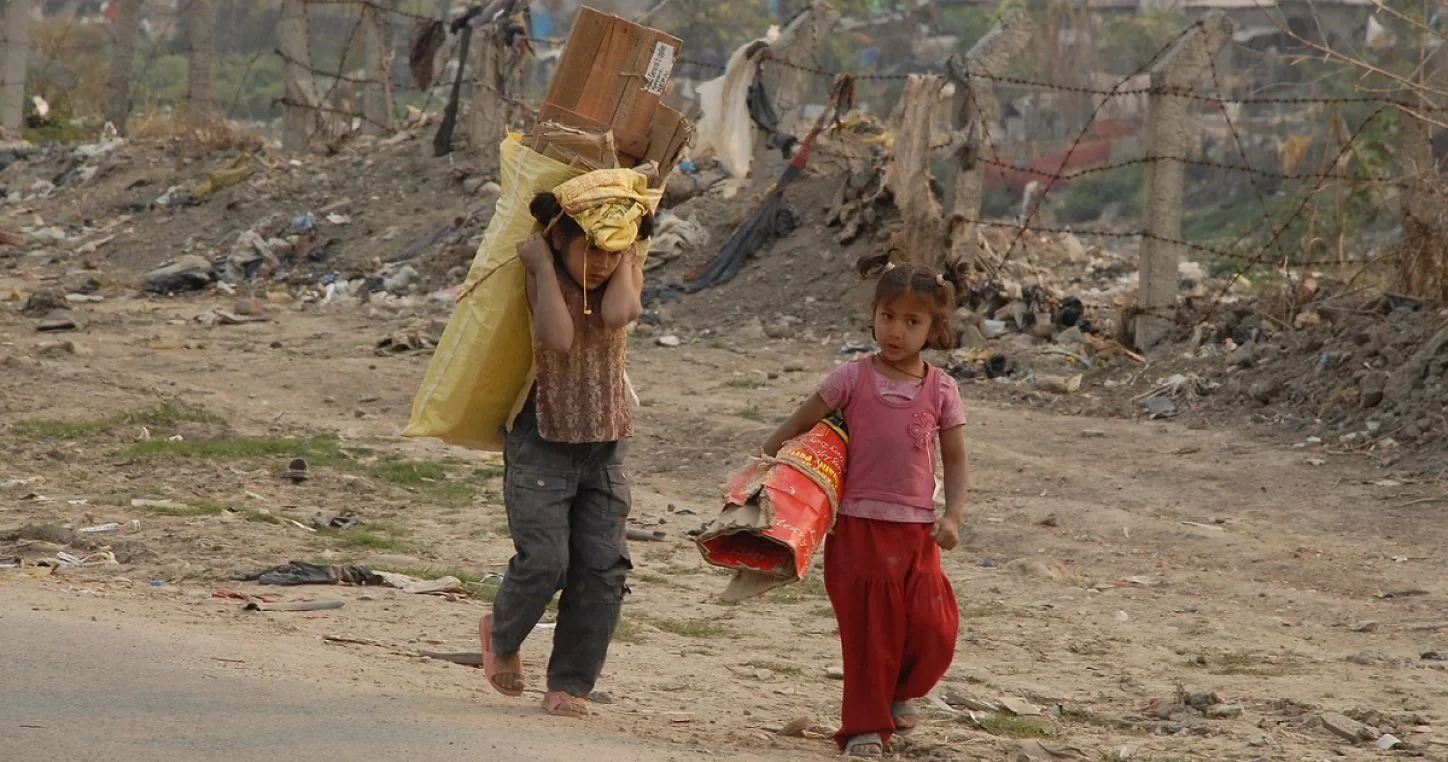
Child labour means work that harms children physically, mentally, socially, or morally. It also includes work that stops children from going to school or completing their education.
According to the International Labour Organization:
Child labour refers to work done by children aged 5 to 17 years that harms their education, health, or development.
Not every type of work done by children is child labour. Simple household tasks or helping parents for a short time may not be harmful. However, dangerous, exploitative, or excessive work that affects childhood and education is considered child labour.
Characteristics of Child Labour
Child labour usually includes work that:
- Forces children to leave school
- Damages physical or mental health
- Involves dangerous conditions
- Includes long working hours
- Exploits children financially
- Prevents normal childhood development
Children working in factories, mines, farms, hotels, garages, and domestic service often face these harmful conditions.
Major Causes of Child Labour
1. Poverty
Poverty is the biggest reason behind child labour. Poor families often depend on their children’s income for survival. When parents cannot earn enough money, children are forced to work.
2. Lack of Education
Many children do not have access to proper schools or quality education. Without education, children enter the workforce at a very young age.
3. Unemployment
When adults cannot find decent jobs, families send children to work to support household expenses.
4. Social Inequality
Discrimination based on caste, class, gender, and social background also increases child labour in many communities.
5. Lack of Awareness
Some parents and employers do not fully understand the harmful effects of child labour. They may consider it normal or necessary.
6. Weak Enforcement of Laws
Even when laws exist, poor implementation allows employers to continue using child labour illegally.
Types of Child Labour
1. Agricultural Labour
Many children work in farms, plantations, and cattle care. They often carry heavy loads and use harmful chemicals.
2. Domestic Work
Children working in homes as servants face exploitation, abuse, and lack of education.
3. Factory Work
Some children work in factories producing fireworks, garments, carpets, and other products under unsafe conditions.
4. Street Work
Children selling goods, cleaning vehicles, or begging on streets are highly vulnerable to crime and abuse.
5. Mining and Construction
These are among the most dangerous forms of child labour. Children risk injury, illness, and even death.
Global Situation of Child Labour
Child labour remains a serious global issue. According to international reports:
- Around 138 million children are still involved in child labour worldwide.
- Nearly 54 million children are engaged in hazardous work.
- Millions of children are deprived of education and healthcare.
Many child labourers work in agriculture, manufacturing, mining, and domestic service. Developing countries face the highest burden due to poverty and weak economic conditions.
Despite global progress, the problem continues in many regions of Asia, Africa, and Latin America.
Status of Child Labour in India
India has made progress in reducing child labour, but the problem still exists.
According to the Census 2011:
- India had around 1.01 crore child labourers in the 5–14 years age group.
- Most child labourers worked in:
- Agriculture
- Domestic work
- Small shops
- Construction
- Sand and gravel transportation
- Unorganized industries
Children from poor and rural families are more likely to become labourers. Many migrant children also work due to financial pressure.
Harmful Effects of Child Labour
1. Loss of Education
Child labour keeps children away from school. Without education, they remain trapped in poverty for life.
2. Health Problems
Children working in dangerous conditions suffer from injuries, breathing problems, malnutrition, and mental stress.
3. Mental Trauma
Many child labourers face abuse, exploitation, fear, and emotional suffering.
4. Loss of Childhood
Child labour steals children’s happiness, freedom, and opportunities to play and learn.
5. Economic Impact
A country cannot progress properly when millions of children remain uneducated and unskilled.
Legal Initiatives in India Against Child Labour
India has introduced several laws and schemes to protect children.
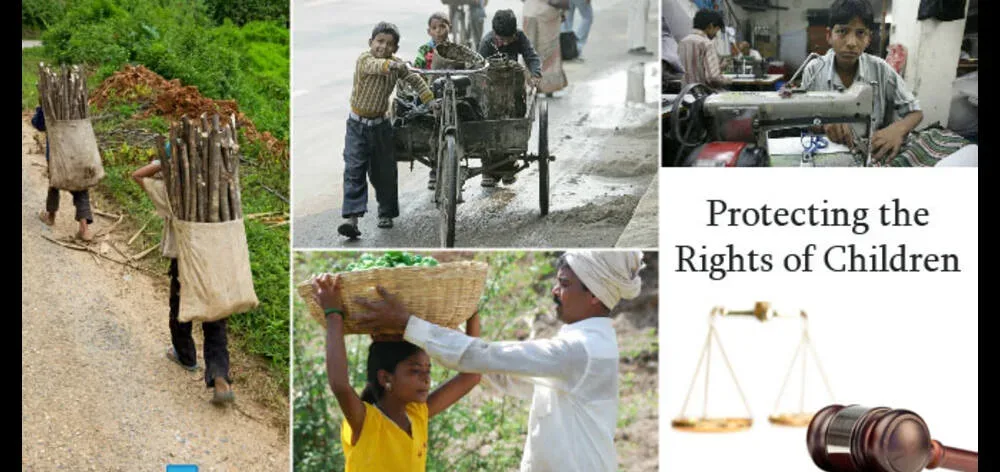
Child Labour (Prohibition and Regulation) Act, 1986
This law prohibits employment of children below 14 years in hazardous industries and regulates working conditions.
Right to Education Act, 2009
This Act provides free and compulsory education to children aged 6 to 14 years.
POCSO Act, 2012
The Protection of Children from Sexual Offences (POCSO) Act protects children from abuse and exploitation.
National Child Labour Project (NCLP)
Under this project, special schools are established for rescued child labourers to provide education, vocational training, nutrition, and healthcare.
International Efforts to End Child Labour
International Labour Organization (ILO)
The ILO plays a major role in fighting child labour worldwide through conventions, policies, and awareness campaigns.
United Nations (UN)
The United Nations supports child rights through global programs and Sustainable Development Goals (SDGs).
UNICEF
UNICEF works for child protection, education, and welfare in many countries.
Sustainable Development Goal (SDG) 8.7
This global target aims to eliminate child labour in all forms by promoting decent work and economic growth.
Marrakech Global Framework for Action
The Sixth Global Conference on the Elimination of Child Labour held in Marrakech emphasized urgent action against child labour.
The Marrakech Global Framework for Action provides a roadmap for countries and organizations to:
- Address root causes of child labour
- Strengthen education systems
- Improve social protection
- Support poor families
- Enforce labour laws strictly
- Protect children’s rights
This framework encourages coordinated global action to achieve faster progress.
Importance of Education in Ending Child Labour
Education is one of the strongest weapons against child labour. When children attend school regularly:
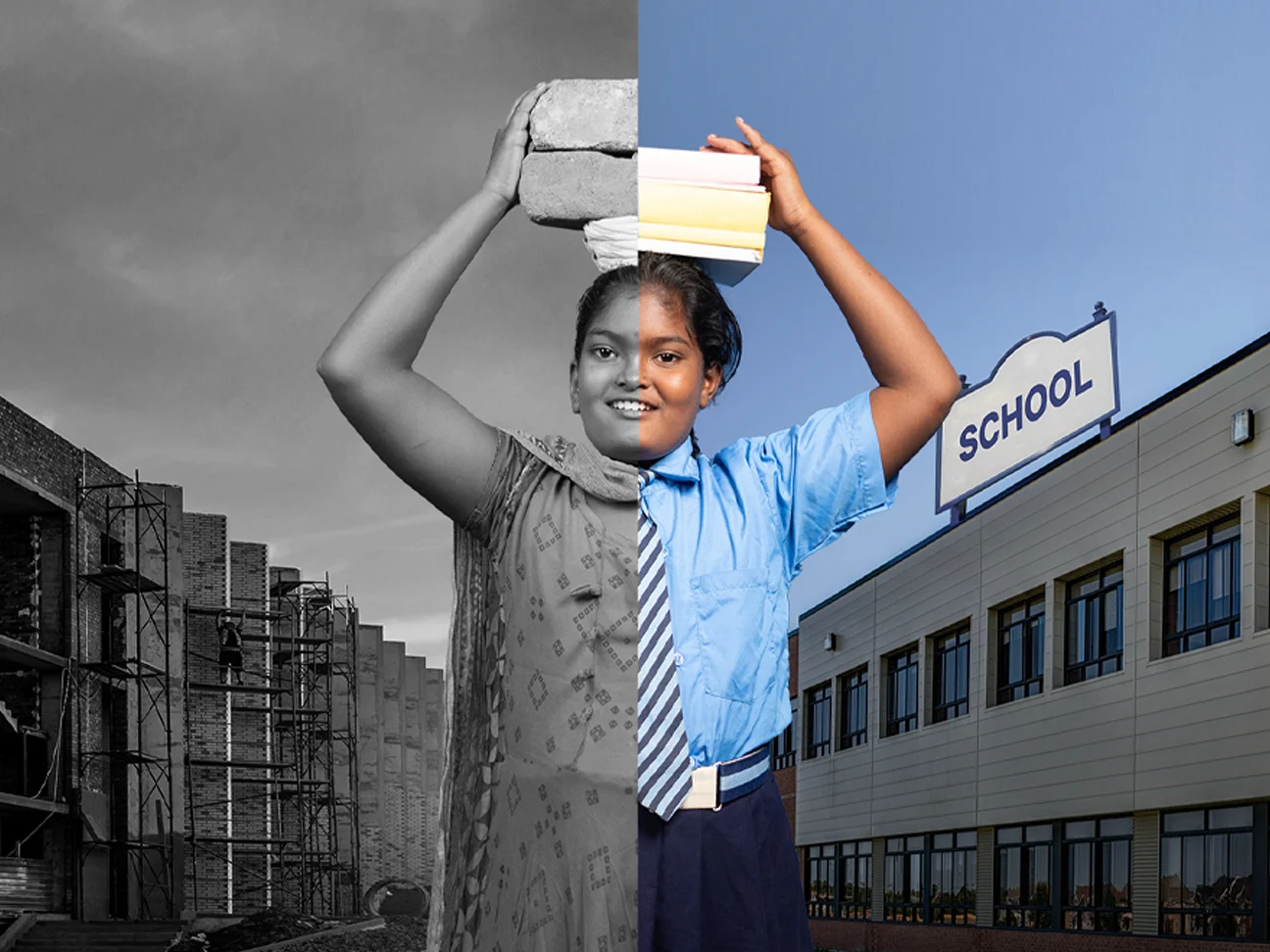
- They gain knowledge and skills
- They build confidence
- They get better job opportunities in the future
- Poverty levels reduce gradually
Governments must improve school infrastructure, teacher quality, and financial support for poor students.
Parents should also understand that education creates a brighter future than child labour.
Role of Society in Eliminating Child Labour
Everyone has a role in ending child labour.
Parents
Parents should prioritize their children’s education and safety.
Teachers
Teachers can identify children at risk and encourage school attendance.
Employers
Businesses must avoid employing children and follow labour laws.
NGOs
Non-governmental organizations help rescue child labourers and provide rehabilitation.
Citizens
People should report cases of child labour and spread awareness in society.
Suggestions to Eliminate Child Labour
Encourage Quality Education
Every child should have access to free and quality education.
Reduce Poverty
Governments should provide employment opportunities and financial support to poor families.
Spread Awareness
Awareness campaigns can educate people about the dangers of child labour.
Strict Law Enforcement
Authorities must punish employers who use child labour illegally.
Support Rehabilitation Programs
Rescued child labourers need education, counseling, healthcare, and vocational training.
Strengthen Social Protection
Families need food security, healthcare, and income support to avoid sending children to work.
Why Ending Child Labour is Important
Ending child labour is necessary for building a fair and developed society. Children are the future of every nation. If children remain trapped in labour instead of education, the country loses future doctors, teachers, scientists, and leaders.
A society free from child labour ensures:
- Better literacy rates
- Economic growth
- Reduced poverty
- Improved health
- Social equality
- Human dignity
Protecting children today creates a stronger future for tomorrow.
Conclusion
World Day Against Child Labour is an important reminder that millions of children around the world still suffer from exploitation and hardship. Every child deserves education, protection, healthcare, and the freedom to enjoy childhood.
Although many countries have made progress, child labour continues because of poverty, lack of awareness, unemployment, and social inequality. Governments, organizations, businesses, and individuals must work together to eliminate this problem completely.
The themes and campaigns of 2025 and 2026 highlight the urgent need for faster action. Strong laws, better education, social protection, and responsible employment practices are necessary to end child labour permanently.
When society says “Red Card to Child Labour,” it means choosing a future where every child can dream, learn, and grow safely. Ending child labour is not only a legal responsibility but also a moral duty for humanity.
FAQs on World Day Against Child Labour
1. When is World Day Against Child Labour observed?
World Day Against Child Labour is observed every year on 12 June across the world.
2. Who started World Day Against Child Labour?
The International Labour Organization (ILO) started this day in 2002 to spread awareness about child labour.
3. What is the theme of World Day Against Child Labour 2025?
The theme for 2025 is “Progress is clear, but there’s more to do: let’s speed up efforts!”
4. What is child labour?
Child labour refers to work that harms a child’s education, health, safety, or development.
5. What are the main causes of child labour?
Poverty, illiteracy, unemployment, social inequality, and lack of awareness are the major causes of child labour.
6. What is the slogan for World Day Against Child Labour 2026?
The slogan for 2026 is “Red Card to Child Labour: Fair play for children, decent work for adults.”
7. Which law protects children from child labour in India?
The Child Labour (Prohibition and Regulation) Act, 1986 helps prevent child labour in India.
8. How can child labour be stopped?
Child labour can be reduced through education, poverty reduction, awareness campaigns, and strict law enforcement.