World Polio Day: Celebrating Progress and Raising Awareness

World Polio Day is observed every year on October 24th to commemorate the birth of Jonas Salk, the scientist who developed the first effective polio vaccine. This day serves as a global platform to raise awareness about polio eradication efforts, celebrate the milestones achieved, and encourage communities, governments, and health organizations to intensify their fight against this debilitating disease. Polio, or poliomyelitis, once posed a severe threat worldwide, particularly to children, leaving thousands paralyzed every year. The observance of World Polio Day highlights the global commitment to a polio-free world and reinforces the importance of immunization, surveillance, and public health initiatives.
Thank you for reading this post, don't forget to subscribe!History of World Polio Day
The concept of World Polio Day was introduced by Rotary International in 1985, an organization that has been a driving force in the fight against polio. The day honors Jonas Salk, who led the development of the first polio vaccine in 1955, and Albert Sabin, who later developed the oral polio vaccine (OPV). Both vaccines revolutionized public health and paved the way for mass immunization campaigns worldwide.
The establishment of World Polio Day helped create awareness about the crippling effects of polio and inspired governments, organizations, and individuals to actively participate in vaccination drives. Over the years, this day has grown to involve global events, fundraisers, conferences, and advocacy campaigns that aim to eliminate polio once and for all.
Understanding Polio: A Threat to Children Worldwide
Polio, short for poliomyelitis, is a highly contagious viral disease caused by the poliovirus. It primarily affects children under the age of five. The virus spreads through contaminated food and water or direct contact with an infected person. Although most infections are asymptomatic, polio can sometimes cause severe health complications, including:
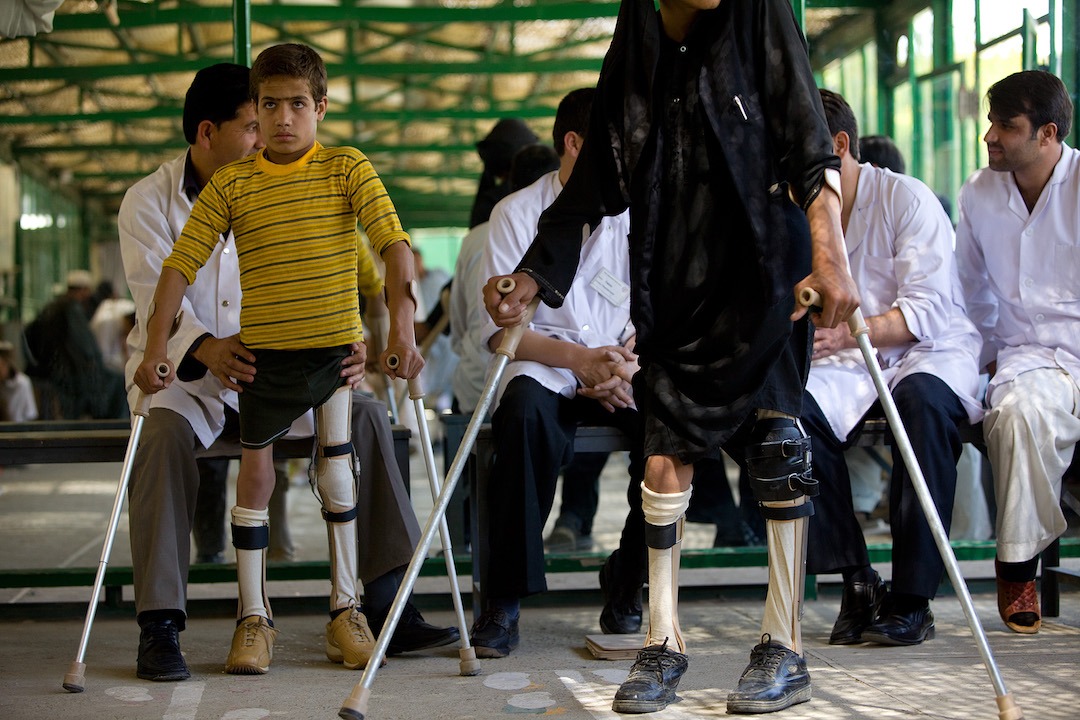
- Paralysis: The most severe consequence of polio is permanent paralysis, usually in the legs.
- Muscle Weakness: Infected individuals may experience extreme muscle weakness and atrophy.
- Respiratory Problems: In rare cases, polio can paralyze the muscles required for breathing, which can be life-threatening.
- Death: Although uncommon, polio-related complications can lead to death, especially in untreated cases.
Before the advent of vaccines, polio epidemics caused widespread panic in communities, with thousands of children affected every year. Public places like schools and swimming pools were often closed during outbreaks, demonstrating the social and economic impact of this disease.
Vaccination: The Key to Polio Eradication
The development of the polio vaccine marked a turning point in the fight against the disease. There are two main types of vaccines:
- Inactivated Polio Vaccine (IPV): Developed by Jonas Salk, IPV is administered through injection and contains a killed virus, providing strong immunity without causing the disease.
- Oral Polio Vaccine (OPV): Developed by Albert Sabin, OPV is administered orally and contains a weakened form of the virus, which stimulates immunity in the intestines, preventing virus spread.
Vaccination campaigns, particularly mass immunization drives and routine childhood vaccinations, have been instrumental in reducing polio cases globally. Organizations like the World Health Organization (WHO), UNICEF, and Rotary International have collaborated with governments to deliver vaccines to remote areas, often reaching children in conflict zones, rural communities, and underserved populations.
Global Efforts to Eradicate Polio
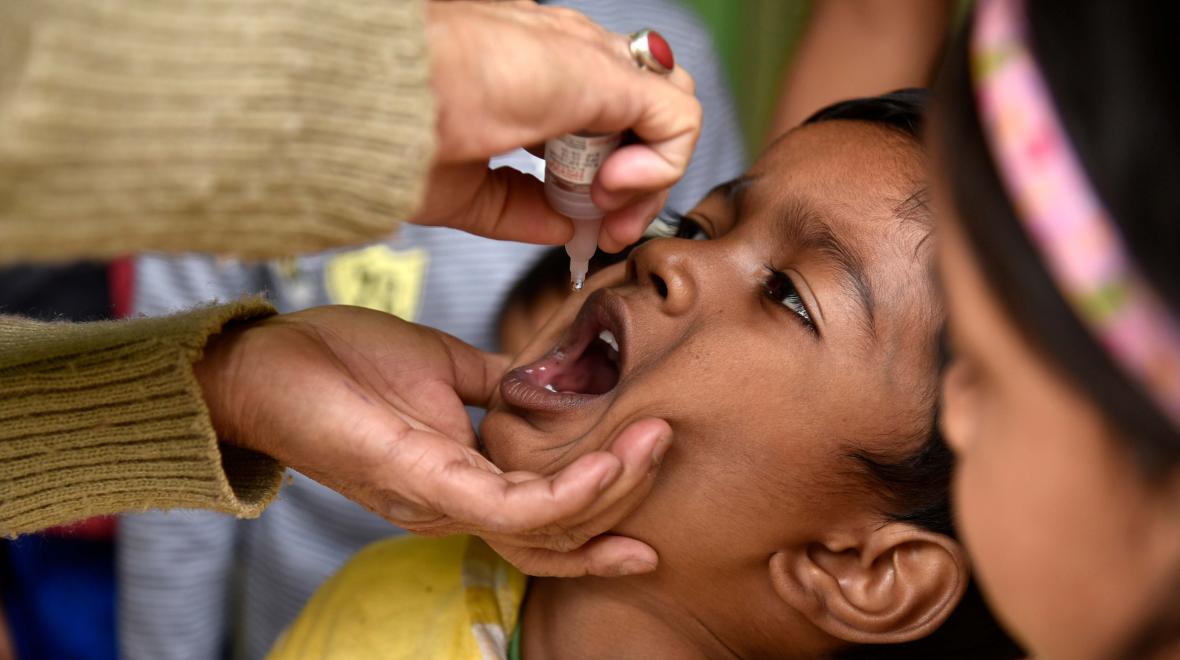
World Polio Day emphasizes the importance of global eradication efforts. The Global Polio Eradication Initiative (GPEI), launched in 1988, has been at the forefront of these efforts. Since then, polio cases have decreased by more than 99%. Key strategies employed by GPEI include:
- Routine Immunization: Ensuring children receive polio vaccines as part of regular health check-ups.
- National Immunization Days (NIDs): Special campaigns targeting millions of children in endemic regions.
- Surveillance: Detecting and responding to polio outbreaks quickly through monitoring stool samples and acute flaccid paralysis cases.
- Community Engagement: Educating families about the importance of vaccination and combating misinformation.
Countries like India, which was once considered a polio-endemic region, were declared polio-free in 2014, showcasing the success of coordinated global efforts.
Challenges in Polio Eradication
Despite tremendous progress, several challenges remain in the fight against polio:
- Conflict and Instability: In war-torn areas or regions with political instability, vaccination campaigns are often disrupted, leaving children vulnerable.
- Misinformation and Vaccine Hesitancy: Some communities resist polio vaccination due to misinformation, rumors, or religious beliefs, creating gaps in herd immunity.
- Hard-to-Reach Populations: Remote or nomadic populations often lack access to routine immunization services.
- Surveillance Gaps: Effective monitoring is essential to detect polio cases and prevent outbreaks, but inadequate surveillance can hinder eradication efforts.
Addressing these challenges requires continued collaboration, innovative solutions, and sustained commitment from governments, NGOs, and local communities.
Role of Organizations in Polio Eradication
Rotary International
Rotary International has been instrumental in raising awareness and funding for polio eradication. Through initiatives like PolioPlus, Rotary has contributed billions of dollars and mobilized volunteers worldwide to vaccinate children. Rotary’s advocacy and grassroots efforts have significantly accelerated the global fight against polio.
World Health Organization (WHO)
WHO provides technical support, conducts surveillance, and coordinates immunization campaigns across countries. Its expertise in public health and epidemic management has been crucial in responding to polio outbreaks swiftly.
UNICEF
UNICEF focuses on ensuring vaccines reach every child, even in the most remote regions. It also runs awareness campaigns to educate communities about the importance of vaccination and combats myths surrounding the polio vaccine.
Governments
National governments play a central role in implementing vaccination campaigns, providing healthcare infrastructure, and allocating resources to polio eradication programs. Countries like India and Nigeria have demonstrated that strong government commitment can lead to successful elimination of the disease.
Celebrating Achievements on World Polio Day
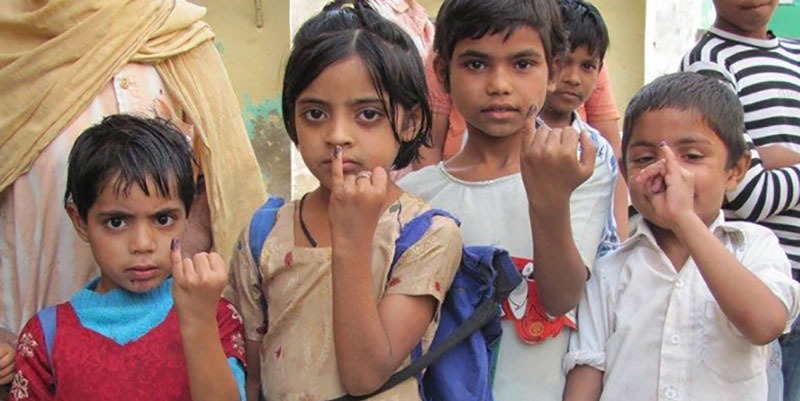
World Polio Day is an opportunity to celebrate the remarkable progress achieved in the fight against polio. Some notable achievements include:
- Polio cases reduced by over 99% since 1988.
- Many countries, including India, Africa, and the Americas, declared polio-free.
- Millions of children vaccinated worldwide through national and global immunization campaigns.
- Increased awareness and advocacy for routine immunization and public health infrastructure.
Celebrations often include seminars, public awareness drives, social media campaigns, and fundraising events, all aimed at reinforcing the global commitment to a polio-free world.
Community Engagement and Awareness
World Polio Day also underscores the importance of community engagement. Educating families about vaccination, dispelling myths, and motivating communities to participate in immunization drives are essential for complete eradication. Local health workers, volunteers, and educators play a vital role in connecting with parents, answering questions, and addressing concerns regarding the vaccine.
Polio in the Modern Era
While polio is no longer a widespread threat in most parts of the world, vigilance remains essential. The emergence of vaccine-derived poliovirus (VDPV) in some regions has highlighted the need for ongoing immunization and monitoring. Modern public health strategies focus not only on vaccination but also on improving sanitation, hygiene, and nutrition, all of which reduce the risk of poliovirus transmission.
How Individuals Can Contribute
Even individuals can contribute to the fight against polio:
- Promoting Vaccination: Encourage friends, family, and community members to vaccinate their children.
- Volunteering: Participate in awareness campaigns, fundraisers, or local immunization drives.
- Supporting Organizations: Donate to credible organizations involved in polio eradication.
- Spreading Awareness Online: Use social media platforms to educate others about polio and the importance of vaccines.
Polio-Free Vision: The Future
The ultimate goal of World Polio Day is a polio-free world. Achieving this requires sustained international collaboration, community engagement, and political commitment. Eradicating polio not only saves lives but also strengthens public health systems, ensures children’s right to a healthy life, and prevents the physical and economic burden of disability caused by polio.
Global partners continue to work tirelessly toward this vision, conducting research, improving vaccines, and innovating delivery strategies. With continued dedication, a future where no child suffers from polio is within reach.
Key Messages of World Polio Day
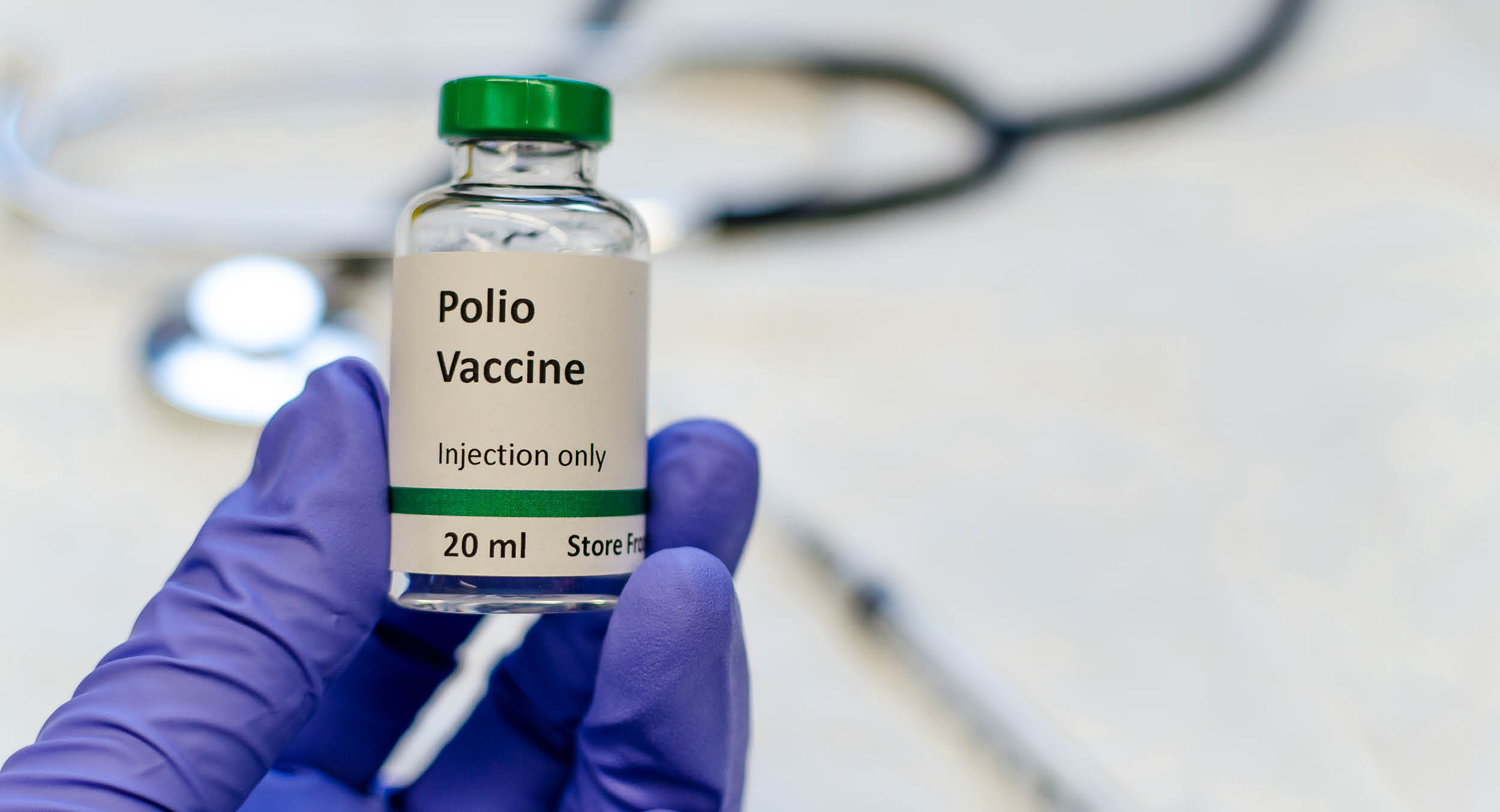
- Vaccination is Crucial: Ensuring every child is vaccinated is the most effective way to prevent polio.
- Awareness Saves Lives: Educating communities reduces misinformation and increases participation in immunization campaigns.
- Global Collaboration Works: International partnerships are essential to overcome challenges and reach every child.
- Persistence is Vital: Even as polio cases decline, ongoing vigilance, monitoring, and vaccination are necessary until complete eradication.
Conclusion
World Polio Day serves as a reminder of both the progress humanity has made and the work that still lies ahead. The combined efforts of governments, NGOs, healthcare workers, and individuals have brought the world closer than ever to eradicating polio. By raising awareness, supporting immunization campaigns, and educating communities, we can ensure that future generations live free from the threat of polio.
World Polio Day is more than a commemorationit is a call to action, a celebration of scientific achievements, and a testament to what global cooperation can accomplish. Every vaccine administered, every child protected, brings the world one step closer to a polio-free future.
Frequently Asked Questions (FAQs) About World Polio Day
1. What is World Polio Day?
World Polio Day is observed annually on October 24th to raise awareness about polio, celebrate the progress made in eradicating it, and encourage global efforts to protect children from this disease. It also honors Jonas Salk, the developer of the first effective polio vaccine.
2. Why is World Polio Day important?
World Polio Day highlights the global commitment to eliminating polio, promotes vaccination, educates communities about the disease, and encourages governments and organizations to continue their eradication efforts.
3. Who was Jonas Salk?
Jonas Salk was an American scientist who developed the first effective polio vaccine (IPV) in 1955. His work significantly reduced polio cases worldwide and laid the foundation for global immunization campaigns.
4. How does polio spread?
Polio is caused by the poliovirus, which spreads through contaminated food, water, or direct contact with an infected person. It primarily affects children under the age of five.
5. Can polio be prevented?
Yes, polio can be prevented through vaccination. There are two main types:
- Inactivated Polio Vaccine (IPV) – injected vaccine
- Oral Polio Vaccine (OPV) – oral drops that help develop immunity in the intestines
6. What organizations work to eradicate polio?
Major organizations include:
- World Health Organization (WHO)
- Rotary International
- UNICEF
- National governments and local health agencies
7. Which countries still have polio cases?
Polio is now extremely rare, but Afghanistan and Pakistan remain the last countries with endemic wild poliovirus cases. Vaccine-derived polio outbreaks may occur in areas with low immunization coverage.
8. How can individuals contribute to polio eradication?
Individuals can:
- Vaccinate their children
- Spread awareness about polio and vaccines
- Volunteer or donate to organizations supporting immunization campaigns
- Support local and global health initiatives
9. What are the symptoms of polio?
Most polio infections show no symptoms, but severe cases can cause:
- Paralysis (usually in the legs)
- Muscle weakness
- Respiratory difficulties in rare cases
10. Has polio been eradicated globally?
Polio has been eradicated in most countries, with a 99% reduction in cases since 1988. However, complete global eradication has not yet been achieved due to challenges in conflict zones, vaccine hesitancy, and hard-to-reach populations.