Chhath Puja: Celebrating the Sun God with Devotion and Rituals

Chhath Puja is one of the most significant and revered festivals in India, particularly in the states of Bihar, Jharkhand, Uttar Pradesh, and in parts of Nepal. This festival is dedicated to Surya, the Sun God, and his wife, Usha or Chhathi Maiya, to express gratitude for sustaining life on earth and to seek blessings for health, prosperity, and well-being. Unlike many other Indian festivals, Chhath Puja is known for its rigorous rituals, strict discipline, and environmental consciousness.
Thank you for reading this post, don't forget to subscribe!Celebrated twice a year once during the summer (Chaiti Chhath) and the main celebration in the winter (Kartika Chhath) Chhath Puja is a four-day festival that reflects devotion, patience, and purity. Its roots can be traced back to ancient Vedic texts, showcasing a rich tapestry of mythology, culture, and community bonding.
Origins and Historical Significance of Chhath Puja
Chhath Puja has deep historical and religious significance. The festival finds mention in Rigveda and Mahabharata, highlighting the worship of Surya, the Sun God, as a source of energy, life, and sustenance. According to legend, Lord Rama and his wife Sita observed Chhath Puja to thank Surya after returning from exile, and King Porus of ancient India is also said to have performed the ritual to ensure victory and prosperity.
The festival symbolizes gratitude towards nature, particularly the Sun, which is seen as the ultimate source of life and energy. The meticulous rituals reflect the importance of discipline, purity, and environmental consciousness that has been passed down through generations.
The Rituals of Chhath Puja
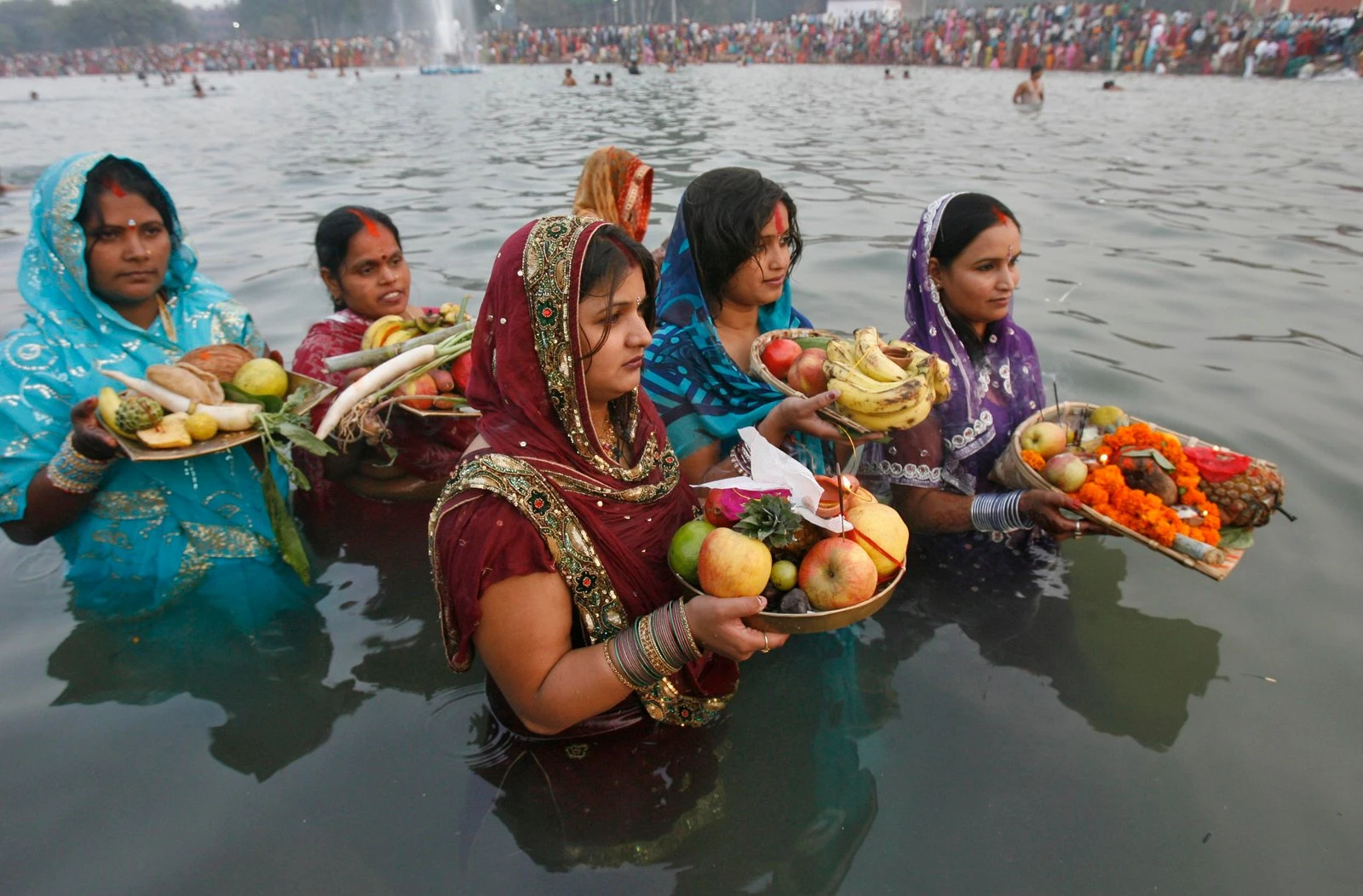
Chhath Puja is unique because it demands strict adherence to rituals, including fasting, abstinence from water, and devotion to the Sun God. The festival typically spans four days, each marked with distinct rituals.
1. Nahay-Khay (Day 1)
The first day, Nahay-Khay, involves bathing in a holy river or water body, followed by preparing and consuming a simple vegetarian meal. Devotees ensure cleanliness and purity, as this sets the stage for the following days of fasting and worship. The food is generally made without onion, garlic, or other stimulants.
2. Lohanda and Kharna (Day 2)
The second day is Kharna, during which devotees observe a full-day fast, breaking it in the evening after offering kheer (sweet rice pudding) and roti to the Sun God. This ritual signifies self-discipline and devotion. After this, the devotees consume the prasad and fruits, marking the end of the day.
3. Sandhya Arghya (Day 3)
The third day is considered the most important. Devotees offer Sandhya Arghya evening prayers to the setting Sun. People gather on riverbanks or water bodies, carrying bamboo baskets filled with fruits, thekua, and other offerings. Devotees stand waist-deep in water while performing the ritual, reflecting purity and dedication.
4. Usha Arghya (Day 4)
The final day, Usha Arghya, involves offering prayers to the rising Sun. The fast concludes after the Sun God has been worshipped at sunrise. Devotees share prasad with family and neighbors, emphasizing community bonding and gratitude.
Cultural Importance of Chhath Puja
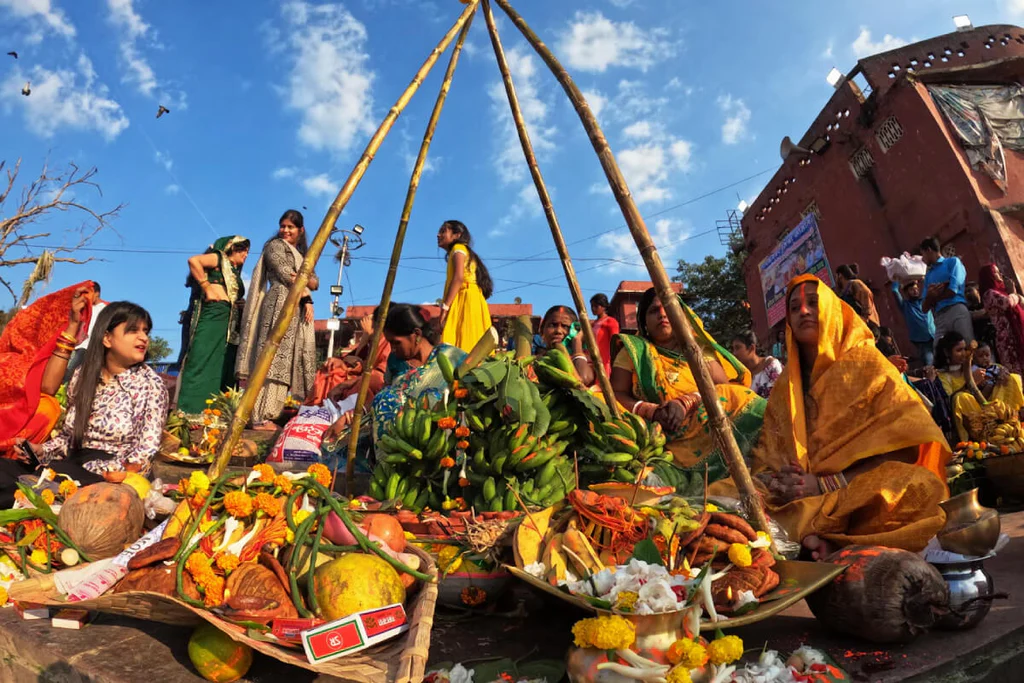
Chhath Puja is more than a religious festival; it is a reflection of Bihari culture and tradition. Unlike other festivals, Chhath emphasizes community participation. Men, women, and children gather to clean riverbanks, prepare offerings, and assist each other in rituals. The festival is marked by folk songs, traditional attire, and local delicacies, preserving centuries-old cultural practices.
Folk Songs and Devotional Music
During Chhath Puja, women sing traditional Chhath songs that narrate stories of Surya and Chhathi Maiya. These songs, passed down orally, maintain the cultural heritage and create a devotional ambiance that strengthens community bonds.
Traditional Attire and Symbols
Devotees wear traditional clothing, usually sarees for women and dhoti-kurta for men, representing purity and simplicity. Baskets, clay lamps, and thekua (a special wheat-based sweet) are symbolic of devotion and offerings to the Sun God.
Environmental Consciousness in Chhath Puja
One of the unique aspects of Chhath Puja is its inherent environmental consciousness. Devotees use eco-friendly materials like clay lamps and natural leaves for offerings instead of plastic. Rituals are performed on riverbanks, promoting cleanliness and respect for natural water bodies. This aspect of the festival emphasizes sustainability, which has become even more relevant in today’s context of environmental awareness.
Health Benefits and Spiritual Significance
Chhath Puja also has indirect health benefits due to fasting, exposure to sunlight, and consumption of natural foods. The festival promotes a balanced diet, rich in fruits and natural grains. The discipline required in fasting fosters mental strength, patience, and self-control, which are crucial for spiritual growth.
Spiritually, the festival is believed to cleanse the mind, body, and soul. Offering prayers to Surya is considered a means of seeking blessings for longevity, prosperity, and harmony in life. The rigorous rituals also instill a sense of devotion, gratitude, and humility among participants.
Regional Variations of Chhath Puja
While Chhath Puja is primarily associated with Bihar, Jharkhand, and eastern Uttar Pradesh, it is celebrated with regional variations across India and Nepal.
Bihar and Jharkhand
In Bihar and Jharkhand, the festival is observed on a grand scale. Riverbanks are decorated, and thousands of devotees gather to perform rituals together. Folk songs and dances accompany the celebrations.
Uttar Pradesh
In eastern Uttar Pradesh, especially in districts like Varanasi and Gorakhpur, the festival is celebrated with devotion to Surya and Chhathi Maiya. Communities organize collective preparations, highlighting regional flavors in food and offerings.
Nepal
In Nepal, the festival is called Chhath Parva and is celebrated with equal fervor. People gather at the banks of rivers, ponds, and lakes, offering prayers to the Sun God for the well-being of their families.
Foods and Prasad of Chhath Puja
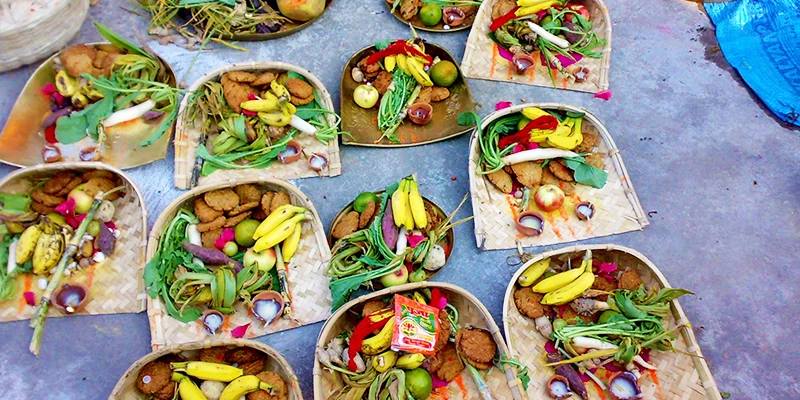
Food is central to Chhath Puja, as it is prepared with strict adherence to purity. Thekua, a sweet made from wheat flour, jaggery, and ghee, is the most popular offering. Other items include fruits, rice, coconut, and milk-based sweets. These offerings are symbolic of simplicity, devotion, and respect for nature.
The prasad prepared during Chhath Puja is shared among family, friends, and neighbors, reflecting the spirit of generosity and community bonding.
Modern-Day Celebrations and Global Recognition
Chhath Puja has transcended regional boundaries, with celebrations now taking place across India and abroad, wherever the diaspora resides. Cities like Delhi, Mumbai, and Kolkata witness large gatherings of Bihari and Nepali communities observing the festival with devotion. Internationally, countries with significant Indian and Nepali populations, such as Mauritius, the UK, and the USA, also host Chhath Puja events near rivers, lakes, or artificial water bodies.
The festival has gained global recognition for its unique emphasis on ecology, spirituality, and community participation, making it a symbol of India’s rich cultural heritage.
Challenges and Preservation Efforts
While Chhath Puja continues to thrive, it faces challenges such as water pollution, commercialization, and urbanization. Many rivers and ponds used for rituals have become polluted, posing risks to health and the environment. However, government bodies, NGOs, and local communities are taking initiatives to promote eco-friendly practices, cleanliness drives, and awareness campaigns to preserve the sanctity of the festival.
Conclusion
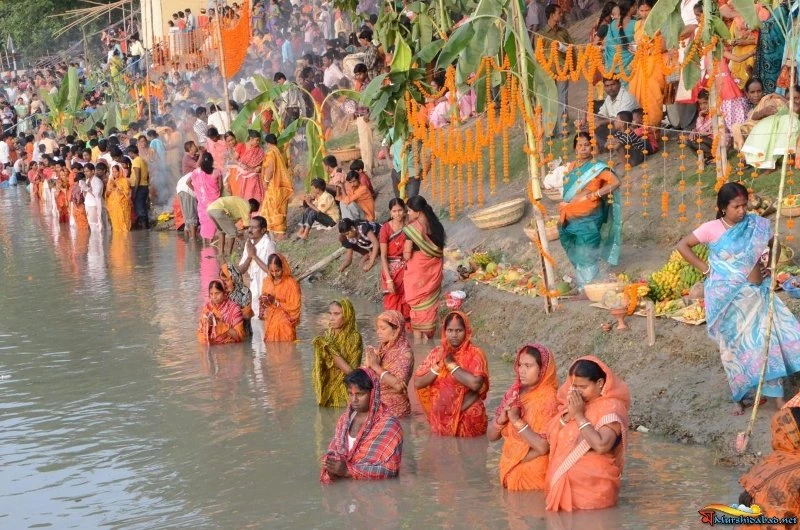
Chhath Puja is more than a festival; it is a celebration of life, devotion, nature, and community spirit. Its rigorous rituals, spiritual significance, and environmental consciousness make it unique among Indian festivals. By observing Chhath Puja, devotees not only seek blessings from the Sun God but also reaffirm values of gratitude, discipline, and unity.
As the festival continues to spread globally, it stands as a reminder of India’s cultural richness, the timeless importance of nature, and the enduring power of faith and devotion.
FAQs on Chhath Puja
1. What is Chhath Puja?
Chhath Puja is a Hindu festival dedicated to Surya (the Sun God) and Chhathi Maiya. It is celebrated primarily in Bihar, Jharkhand, eastern Uttar Pradesh, and Nepal to express gratitude for life, energy, and prosperity.
2. When is Chhath Puja celebrated?
Chhath Puja is observed twice a year:
- Chaiti Chhath: Celebrated in the month of Chaitra (March–April)
- Kartika Chhath: The main celebration, observed in the month of Kartik (October–November), shortly after Diwali.
3. How many days does Chhath Puja last?
Chhath Puja is a four-day festival:
- Nahay-Khay
- Kharna (Lohanda)
- Sandhya Arghya
- Usha Arghya
4. What are the main rituals of Chhath Puja?
The main rituals include:
- Observing fasts without food or water
- Bathing in holy rivers or ponds (Nahay-Khay)
- Offering kheer, fruits, and thekua to the Sun God
- Standing in water while performing Sandhya Arghya (evening prayers) and Usha Arghya (morning prayers)
5. What is the significance of fasting during Chhath Puja?
Fasting symbolizes purity, self-discipline, and devotion. It is believed to cleanse the body and mind while strengthening spiritual connection with the Sun God.
6. What are the popular foods prepared during Chhath Puja?
The most popular offerings include:
- Thekua (sweet wheat cookie with jaggery)
- Fruits like bananas, apples, and sugarcane
- Rice, milk, and coconut-based sweets
7. Why is Chhath Puja considered eco-friendly?
Devotees use natural materials like bamboo baskets, clay lamps, and banana leaves for offerings. The festival encourages the cleaning of rivers and ponds and discourages plastic use.
8. Where is Chhath Puja celebrated outside India?
Chhath Puja is observed in countries with Indian and Nepali diaspora, such as Mauritius, the USA, the UK, and Gulf countries, often near lakes or rivers.
9. What is Sandhya Arghya and Usha Arghya?
- Sandhya Arghya: Evening prayers to the setting Sun
- Usha Arghya: Morning prayers to the rising Sun
These rituals are considered the most sacred parts of Chhath Puja.
10. Can men also participate in Chhath Puja?
Yes, while women traditionally lead the rituals, men also actively participate in fasting, offerings, and helping prepare for the festival.