World No Tobacco Day: A Call for a Healthier Life

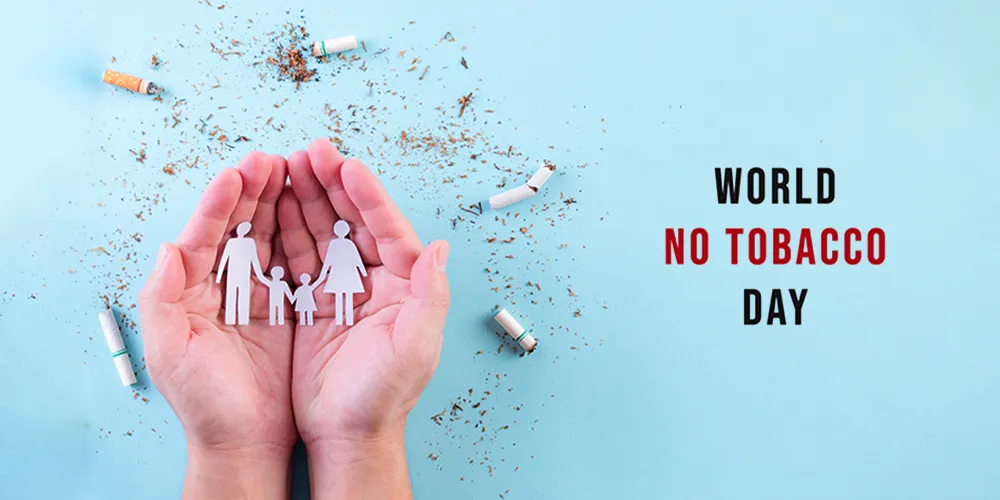
World No Tobacco Day is observed every year on May 31st across the world. This important day is led by the World Health Organization (WHO) along with governments, health groups, and non-government organizations (NGOs). The main goal of this day is to educate people about the harmful effects of tobacco, encourage smokers to quit, and promote a tobacco-free world.
Thank you for reading this post, don't forget to subscribe!Tobacco use is one of the biggest threats to human health today. Even though many people know that smoking is harmful, millions still use tobacco in different forms. World No Tobacco Day reminds us that tobacco harms not only the person who uses it but also the people around them and the environment.
On this day, WHO runs international campaigns to spread awareness about:
- The dangers of smoking and tobacco use
- How people can quit tobacco
- The benefits of living a healthy and tobacco-free life
- How society can work together to reduce tobacco use
WHO also encourages smokers to stay tobacco-free for at least 24 hours on this day, hoping that this small step can inspire them to quit forever. The idea is simple: make every day a no-tobacco day.
What Is Tobacco?
Tobacco is a plant whose leaves are dried and used to make products like cigarettes, bidis, cigars, gutkha, khaini, and other smokeless tobacco items. Tobacco contains nicotine, a highly addictive chemical. Once a person starts using tobacco, it becomes very difficult to stop.
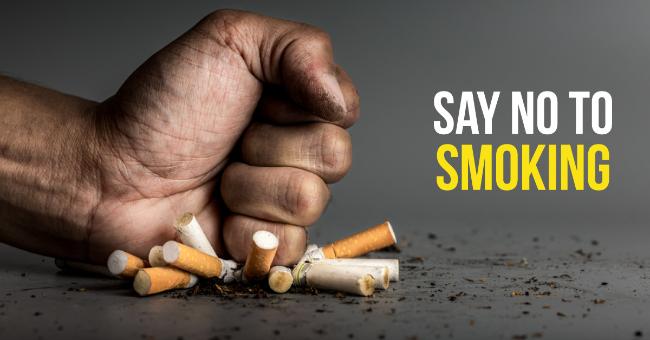
Tobacco can be:
- Smoked (cigarettes, bidis, cigars, hookah)
- Chewed or sucked (gutkha, paan with tobacco, khaini, snuff)
Both forms are equally harmful and can cause serious health problems.
History of World No Tobacco Day
The idea of creating a special day to fight tobacco began in 1987. The member states of the World Health Organization discussed the growing problem of tobacco use and how it was causing millions of deaths every year.
They realized that people needed to be educated on a global level about:
- The tobacco epidemic
- Diseases caused by tobacco
- The number of deaths linked to smoking
As a result, a resolution was passed, and the first World No Tobacco Day was observed on April 7, 1988.
Later that same year, another resolution decided that World No Tobacco Day would be observed every year on May 31st. Since then, this day has been celebrated worldwide and has gained popularity in many countries.
Today, World No Tobacco Day is an important global health event that brings attention to the dangers of tobacco and the need for strong tobacco control policies.
Why Do We Commemorate World No Tobacco Day?
World No Tobacco Day is commemorated because tobacco use is a major cause of preventable diseases and deaths. Smoking does not only harm smokers but also affects:
- Family members
- Friends
- Co-workers
- Children
- The environment
Harm to Non-Smokers
People who do not smoke but breathe in smoke from others are affected by second-hand smoke. This can cause serious health problems, especially in children and pregnant women.
Every year:
- Over 6 million people die due to tobacco use
- About 600,000 people die due to second-hand smoke
These numbers show that tobacco is not a personal problem it is a public health issue.
Health Effects of Tobacco Use
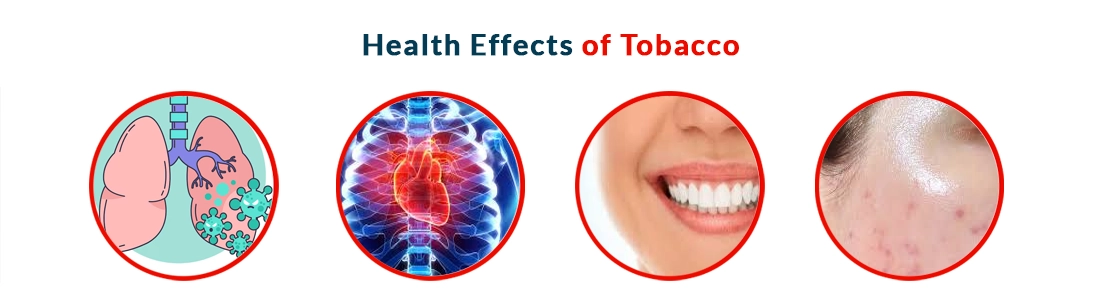
Tobacco use damages almost every organ of the body. Some of the major health problems caused by tobacco include:
1. Lung Diseases
Smoking damages the lungs and causes diseases such as:
- Lung cancer
- Chronic bronchitis
- Asthma
- Emphysema
Smoking is directly linked to most lung cancer deaths worldwide.
2. Heart Diseases
Tobacco increases the risk of:
- Heart attacks
- High blood pressure
- Stroke
Nicotine raises heart rate and blood pressure, putting extra pressure on the heart.
3. Cancer
Tobacco causes many types of cancer, including:
- Mouth cancer
- Throat cancer
- Lung cancer
- Stomach cancer
- Pancreatic cancer
Chewing tobacco is especially dangerous and often leads to mouth and throat cancer.
4. Harm to Children and Pregnant Women
- Smoking during pregnancy can lead to low birth weight and birth defects
- Children exposed to smoke may develop breathing problems, infections, and asthma
Second-Hand Smoke: A Silent Killer
Second-hand smoke is the smoke that comes from the burning end of a cigarette or from a smoker’s breath. People who do not smoke but are around smokers still inhale harmful chemicals.
Second-hand smoke can cause:
- Lung cancer
- Heart disease
- Breathing problems in children
This is why smoking in public places is dangerous and unfair to others.
Tobacco and the Environment
Tobacco does not only harm health; it also damages the environment.
Environmental Damage Includes:
- Trees are cut down to grow and dry tobacco
- Cigarette butts pollute land and water
- Toxic chemicals from tobacco farming harm soil
The World No Tobacco Day 2022 theme: “Protect the Environment” highlighted these serious issues.
Tobacco and Poverty
Studies show that 80% of tobacco-related deaths occur in low- and middle-income countries. Many families spend a large part of their income on tobacco instead of food, education, and healthcare.
An average smoker spends around $4,000 every year on tobacco. This money could be used for:
- Children’s education
- Healthy food
- Medical care
Tobacco use keeps people trapped in poverty and illness.
Themes of World No Tobacco Day

Each year, World No Tobacco Day focuses on a special theme to highlight different dangers of tobacco use.
Some important themes include:
- 2019: Tobacco and Lung Health
- 2020: Tobacco Exposed – The Secrets Out
- 2021: Commit to Quit
- 2022: Protect the Environment
- 2023: Tobacco – Grow Food, Not Tobacco
- 2024: Protecting Children from Tobacco Industry Interference
- 2025: Unmasking the Appeal: Exposing Industry Tactics on Tobacco and Nicotine Products
- 2026: Unmasking the Appeal: Countering Nicotine and Tobacco Addiction
These themes help people understand how tobacco companies target users and why strong action is needed.
Role of WHO and Governments
WHO works closely with governments to:
- Create strong tobacco control laws
- Increase taxes on tobacco products
- Ban tobacco advertising and sponsorship
- Make public places smoke-free
These steps have proven effective in reducing tobacco use, but more action is still needed.
How to Participate in World No Tobacco Day
Everyone can take part in World No Tobacco Day in simple ways:
1. Spread Awareness
- Share information about the dangers of tobacco
- Talk to friends and family about quitting
2. Support Tobacco Control Policies
- Support higher taxes on tobacco products
- Support bans on smoking in public places
3. Join Campaigns and Events
- Participate in rallies, poster-making, and awareness programs
- Join NGO and community activities
4. Help Smokers Quit
- Encourage smokers to seek help
- Share helpline numbers and resources
5. Quit Tobacco
If you use tobacco, World No Tobacco Day is a great time to:
- Take the first step toward quitting
- Stay tobacco-free for 24 hours
- Seek professional help and support
Benefits of Quitting Tobacco
Quitting tobacco has immediate and long-term benefits:
- Better breathing
- Improved heart health
- More energy
- Better sense of taste and smell
- Saving money
- Protecting family from second-hand smoke
No matter how long someone has been smoking, it is never too late to quit.
Role of Youth and Students
Young people play a key role in creating a tobacco-free future. Students can:
- Say no to peer pressure
- Take part in awareness programs
- Educate others about the dangers of tobacco
Schools and colleges can organize debates, essays, and poster competitions to mark this day.
A Tobacco-Free Future
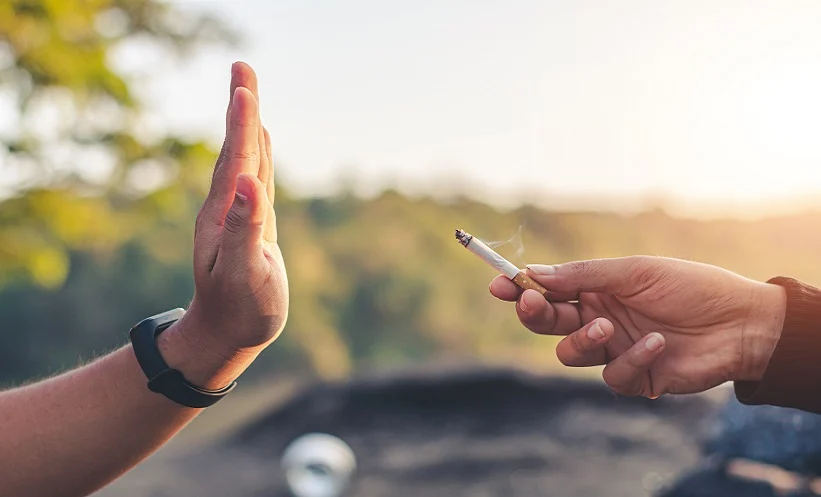
World No Tobacco Day is not just about one day. It is about building a future where:
- Children grow up healthy
- Families live longer lives
- Communities are smoke-free
- The environment is protected
By working together, governments, communities, and individuals can reduce tobacco use and save millions of lives.
Conclusion
World No Tobacco Day, observed every year on May 31st, is a powerful reminder of the dangers of tobacco and the importance of living a healthy life. Tobacco causes millions of deaths every year, harms non-smokers, damages the environment, and increases poverty.
Through awareness, strong laws, community support, and personal commitment, we can move toward a tobacco-free world. Whether you are a smoker or a non-smoker, you have a role to play.
Let us take a stand on World No Tobacco Day and say no to tobacco, yes to life.
Frequently Asked Questions (FAQs)
1. When is World No Tobacco Day observed?
World No Tobacco Day is observed every year on May 31st.
2. Who organizes World No Tobacco Day?
It is organized by the World Health Organization (WHO) along with governments and health organizations worldwide.
3. Why is World No Tobacco Day important?
This day is important because it spreads awareness about the harmful effects of tobacco and encourages people to quit smoking and chewing tobacco.
4. What is the main aim of World No Tobacco Day?
The main aim is to educate people about the dangers of tobacco use and promote a healthy, tobacco-free lifestyle.
5. How does tobacco affect health?
Tobacco causes serious diseases such as cancer, heart disease, lung problems, and can even lead to death.
6. What is second-hand smoke?
Second-hand smoke is the smoke inhaled by non-smokers when someone nearby is smoking. It is also very harmful.
7. Can quitting tobacco improve health?
Yes, quitting tobacco improves breathing, heart health, and overall quality of life, no matter how long a person has used tobacco.
8. How can students participate in World No Tobacco Day?
Students can join awareness programs, poster making, debates, and encourage others to say no to tobacco.