DRDO SFDR Missile Test Success: India Achieves Major Breakthrough in Advanced Missile Propulsion

India has marked a significant moment in its defence and aerospace journey with the DRDO SFDR Missile Test Success, showcasing the country’s growing strength in advanced missile propulsion technologies. The successful demonstration of Solid Fuel Ducted Ramjet (SFDR) technology by the Defence Research and Development Organisation (DRDO) highlights India’s steady progress towards building next-generation, long-range air-to-air missiles with enhanced performance and reliability. This achievement not only strengthens national security but also reinforces India’s position among the world’s leading defence technology developers.
Thank you for reading this post, don't forget to subscribe!A Landmark Test at Chandipur
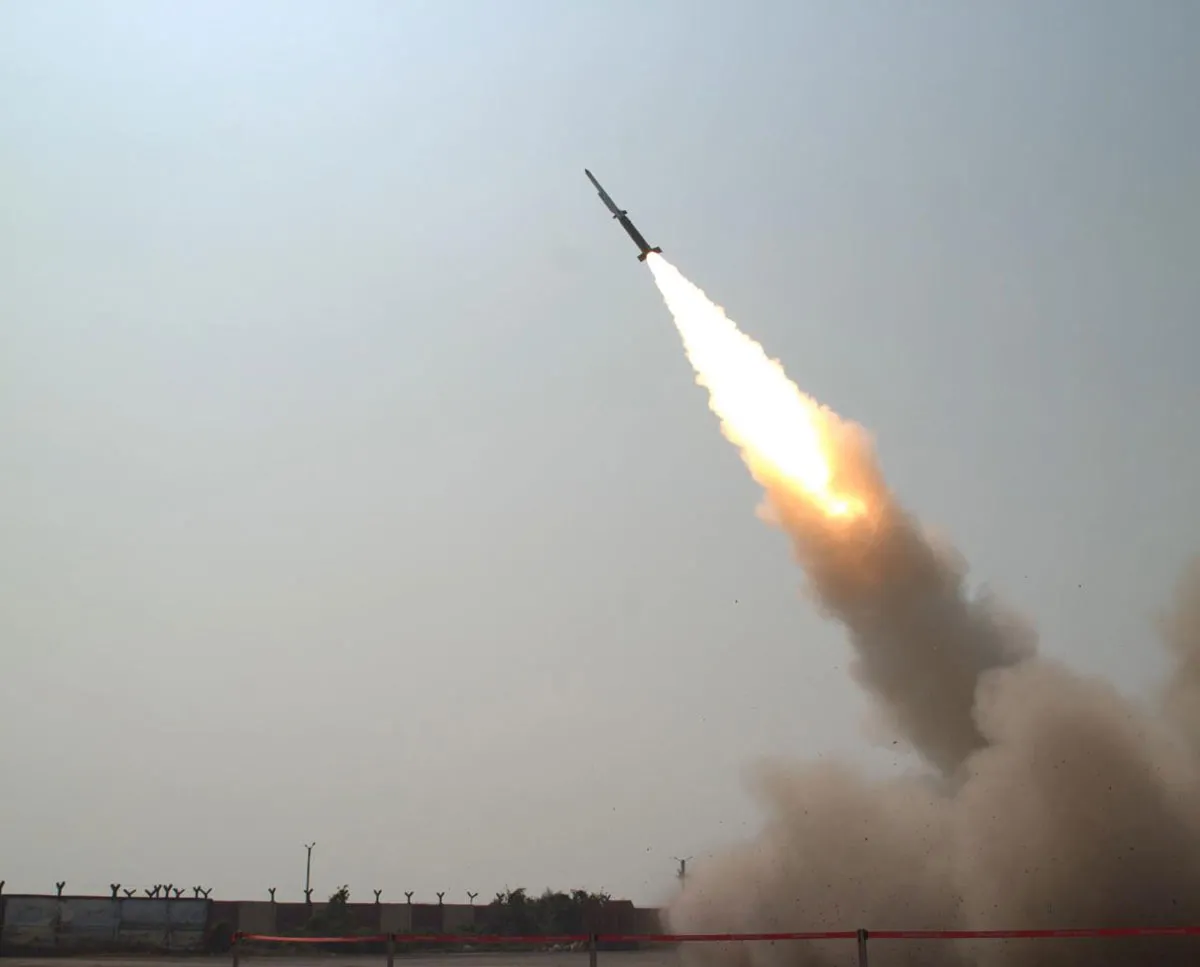
The DRDO SFDR Missile Test Success was achieved on February 3, 2026, when the system was flight-tested from the Integrated Test Range at Chandipur, located off the Odisha coast. The test took place at around 10:45 in the morning and unfolded exactly as planned by the scientists and engineers involved.
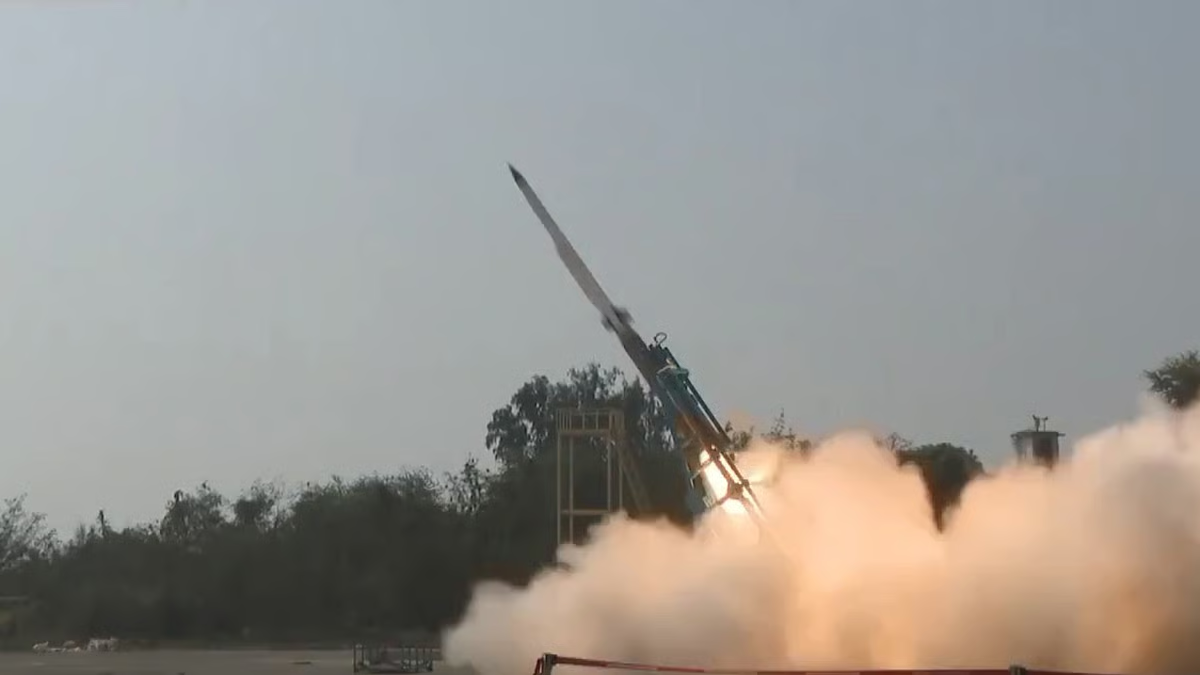
During the test, the missile system was first accelerated to the required speed using a ground booster. Once the desired Mach number was achieved, the ramjet propulsion system ignited smoothly. From that point onward, the SFDR system sustained high-speed flight, demonstrating its capability to operate efficiently in real flight conditions. The flawless transition from booster phase to ramjet-powered flight was a key highlight of the mission.
How the SFDR System Performed
One of the most important aspects of the DRDO SFDR Missile Test Success was the excellent performance of all major subsystems. The nozzle-less booster, which plays a crucial role in the initial acceleration, worked precisely as designed. The solid fuel ducted ramjet motor ignited on time and maintained stable combustion throughout the test phase.
Equally important was the fuel flow controller, which regulated the supply of solid fuel to ensure optimal thrust. The coordinated performance of these components confirmed the maturity of the technology and the accuracy of years of research and testing carried out by DRDO scientists.
To validate the system’s behavior, a wide range of tracking instruments, radars, and telemetry systems were deployed along the Odisha coastline and over the Bay of Bengal. These instruments captured detailed flight data, which is now being analyzed to further refine and improve the system.
Collaboration Across DRDO Laboratories
The DRDO SFDR Missile Test Success was the result of close collaboration between several key DRDO laboratories. Teams from the Defence Research and Development Laboratory, High Energy Materials Research Laboratory, Research Centre Imarat, and the Integrated Test Range worked together to plan, execute, and monitor the test.
Senior scientists closely observed the flight in real time, ensuring that every stage of the mission met the expected parameters. This coordinated effort reflects the strength of India’s defence research ecosystem and its ability to handle complex, high-risk technological challenges.
Why SFDR Technology Matters
The strategic importance of the DRDO SFDR Missile Test Success cannot be overstated. SFDR propulsion allows missiles to maintain high speeds over longer distances compared to conventional rocket motors. This means missiles can engage targets at extended ranges while retaining greater energy during the final phase of flight.
Such capabilities are especially valuable in modern air combat, where beyond-visual-range engagements are becoming increasingly common. Missiles powered by SFDR technology can adapt better to changing combat scenarios, offering improved accuracy, flexibility, and effectiveness against fast-moving aerial targets.
With this successful demonstration, India has joined a small group of countries that possess proven SFDR technology. This places the nation in a strong position to develop advanced air-to-air missiles tailored to the needs of the Indian Air Force.
Boost to Indigenous Defence Capabilities
The DRDO SFDR Missile Test Success is also a major boost for India’s indigenous defence manufacturing goals. By developing such complex propulsion systems within the country, India reduces its dependence on foreign technologies and strengthens its self-reliance in critical defence areas.
The achievement is expected to speed up the development and induction of next-generation air-to-air missiles. These systems will enhance the operational readiness of India’s armed forces and provide them with cutting-edge tools to counter emerging threats.
Leadership Reactions and National Impact
The success of the test drew praise from the highest levels of leadership. Raksha Mantri Rajnath Singh congratulated DRDO scientists and industry partners for their dedication and technical excellence. He described the achievement as a proud moment for the nation and a testament to India’s growing defence capabilities.
DRDO Chairman and Secretary of the Department of Defence R&D, Samir V Kamat, also commended the teams involved. He emphasized that the DRDO SFDR Missile Test Success reflects years of persistent research, innovation, and teamwork, and it opens the door to even more advanced missile systems in the future.
Looking Ahead for India’s Missile Programme
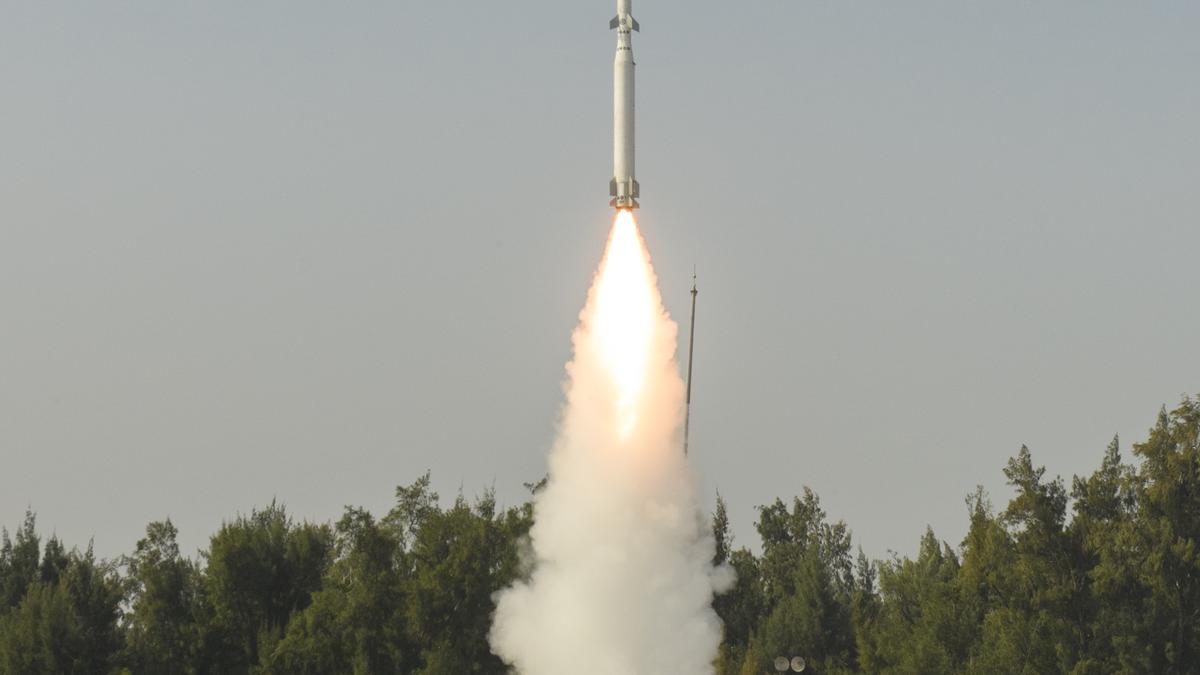
With the DRDO SFDR Missile Test Success, India has taken a decisive step forward in advanced missile propulsion. The data gathered from this test will help fine-tune the system and pave the way for its integration into operational missile platforms.
As global security challenges evolve, such achievements ensure that India remains prepared, technologically advanced, and confident in its ability to safeguard its skies. The successful SFDR demonstration stands as a strong signal of India’s commitment to innovation, self-reliance, and strategic strength in defence technology.