



BRICS Anti-Drugs Meeting Held in Guwahati

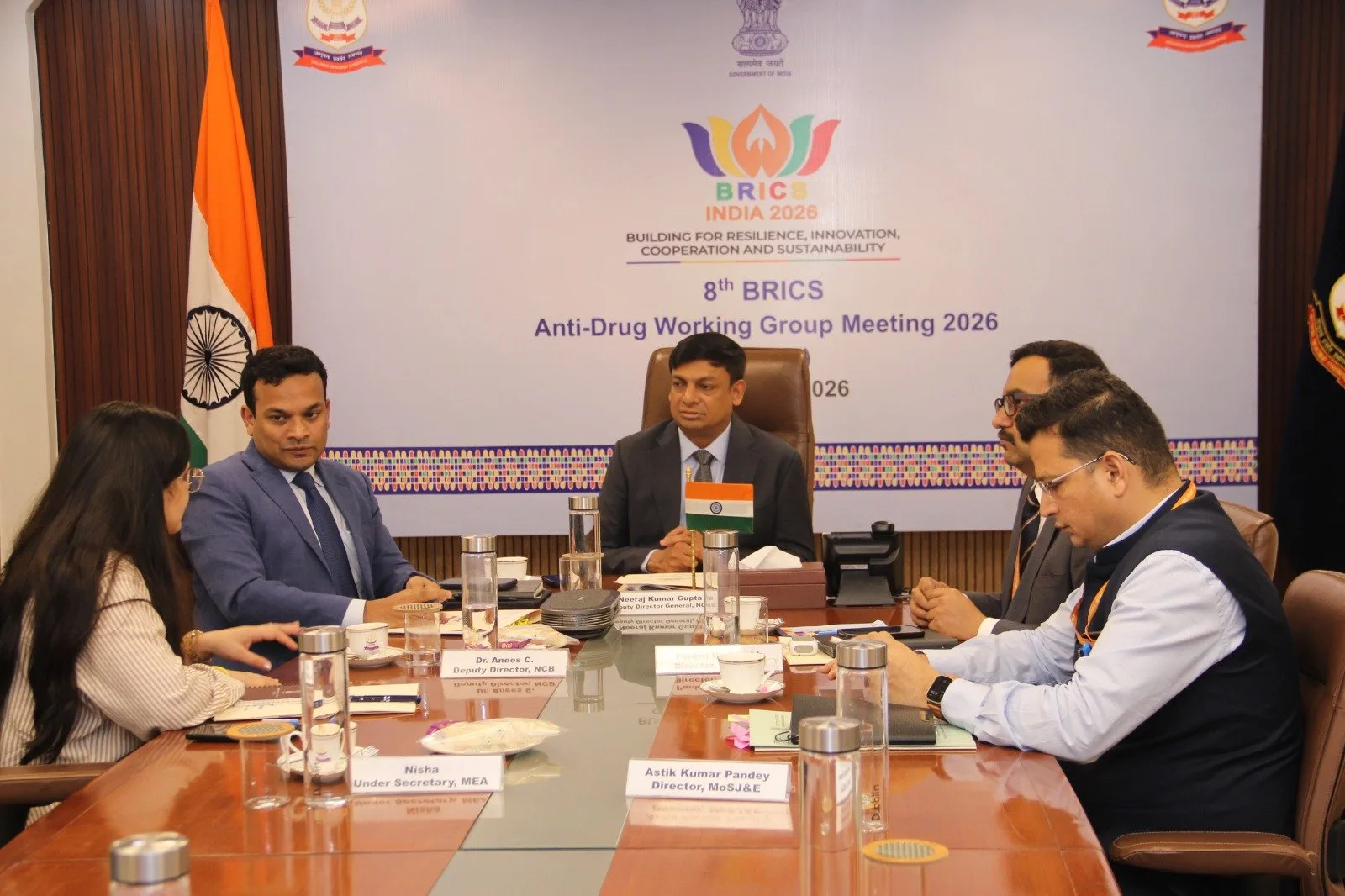
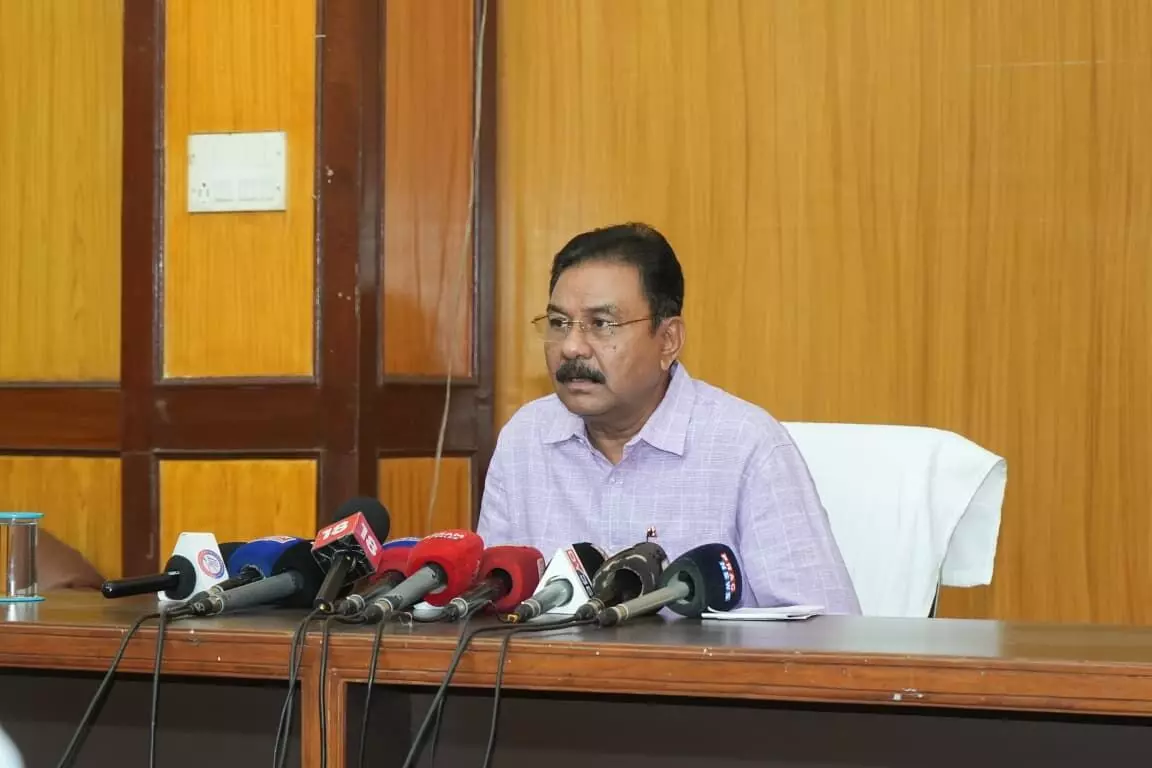
BRICS Anti-Drugs Meeting has brought global attention to Guwahati as India hosts a major international event on tackling drug-related challenges. The two-day meeting, held on 6 and 7 July 2026 in Assam, is organised by the Narcotics Control Bureau under the Union Home Ministry. Representatives from multiple countries have gathered to discuss rising concerns related to drug trafficking and new-age challenges in controlling illegal substances.
Thank you for reading this post, don't forget to subscribe!The meeting is important as it brings together anti-drug agencies from the expanded BRICS group. This platform allows countries to work closely and share strategies to deal with the growing drug problem across borders. With changing technology and global networks, drug trafficking has become more complex, making such meetings more relevant than ever.
BRICS Expansion and Global Role
BRICS started as a group of five countries including Brazil, Russia, India, China, and South Africa. Over time, it has expanded to include more nations such as Egypt, Ethiopia, Indonesia, Iran, Saudi Arabia, and the United Arab Emirates. This expansion reflects the growing importance of cooperation among emerging economies.
With more countries joining, the group now represents a larger part of the global population and economy. This also means that issues like drug control, cybercrime, and financial security require stronger coordination. The Guwahati meeting is one such effort to bring member nations together for a common cause.
Focus on Drug Control Cooperation
The BRICS Anti-Drugs Meeting serves as a platform for sharing ideas and improving cooperation between countries. Officials are discussing ways to strengthen intelligence sharing and improve coordination during joint operations. Capacity building is also a key focus, where countries support each other in improving skills and systems related to drug control.
Such cooperation is important because drug trafficking often involves multiple countries. Smuggling networks operate across borders, making it difficult for any one country to tackle the issue alone. By working together, BRICS nations aim to create a stronger response system.
Rising Challenges in Drug Trafficking
One of the main topics discussed at the meeting is the rise of synthetic drugs. These drugs are often produced in illegal labs and can be more dangerous than traditional substances. They are also easier to transport and sell, making them a growing concern worldwide.
Another major issue is the use of the darknet for drug trade. The darknet allows users to stay anonymous, making it difficult for authorities to track illegal activities. Along with this, cryptocurrency is being used for payments, adding another layer of complexity. These modern tools are changing the way drug networks operate.
Technology and Modern Crime Trends
The discussion also highlights how technology is influencing crime patterns. Drug traffickers are now using encrypted platforms, social media, and digital payments to expand their reach. This shift requires law enforcement agencies to upgrade their tools and techniques.
New psychoactive substances are also becoming popular in illegal markets. These are synthetic drugs designed to mimic the effects of known substances but are often not immediately regulated. This makes them harder to control and more risky for users.
India’s Role and Policy Direction
India is using this platform to present its Vision Document on Narcotics Control for 2026–2029. This document outlines the country’s strategy to deal with drug-related issues in the coming years. It includes plans for better enforcement, awareness campaigns, and international cooperation.
The country has been actively working to strengthen its anti-drug framework. Hosting this meeting shows India’s commitment to playing a leading role in global efforts against drug trafficking. It also highlights the importance of regional cooperation, especially in areas close to international borders.
Importance of Guwahati as a Host City
Guwahati, the largest city in Assam, has become an important centre for such international events. Its location in the North-East makes it strategically important for discussions related to cross-border issues. Hosting the BRICS Anti-Drugs Meeting here brings attention to the region and its role in national and global matters.
The event also reflects the growing focus on involving different parts of the country in international discussions. It helps promote regional development while addressing global challenges.
Expected Developments and Cooperation
The meeting is expected to lead to a joint declaration among member countries. This declaration will likely focus on strengthening cooperation against drug trafficking and improving systems to track illegal financial flows linked to narcotics trade.
Such agreements help in creating a unified approach to dealing with global issues. As drug networks continue to evolve, coordinated action becomes necessary. Meetings like this play a key role in shaping future policies and actions.